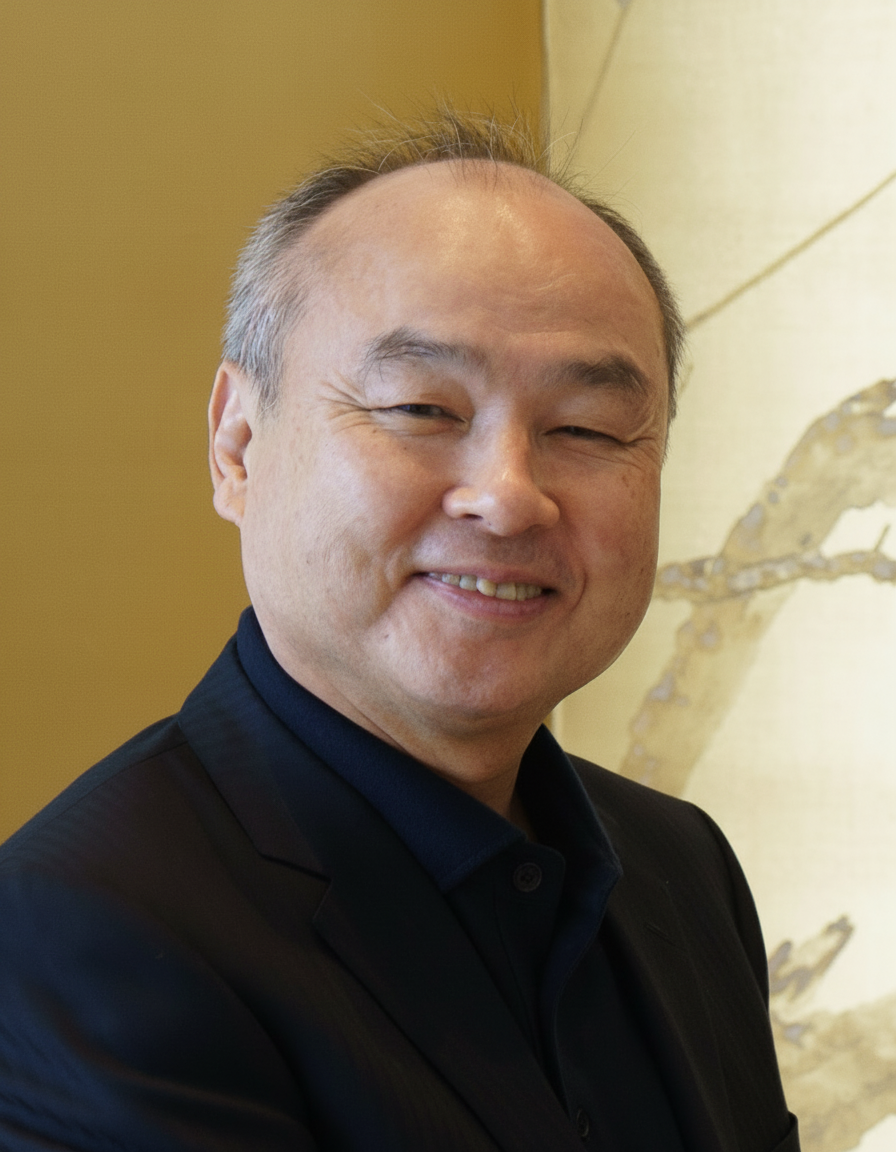
Pascal Soriot
Pascal Soriot: The architect of AstraZeneca's pharmaceutical resurgence and strategic independence.
Pascal Soriot is a French-born veterinarian and business executive, best known for his transformative leadership as CEO of AstraZeneca since 2012. He spearheaded a significant turnaround, fending off a hostile takeover bid and revitalizing the drug pipeline, particularly in oncology and immunology, firmly re-establishing AstraZeneca as a leading global pharmaceutical innovator.
Biography
Accomplishments
- 01Successfully defended AstraZeneca against Pfizer's $118 billion hostile takeover bid in 2014, arguing for the company's intrinsic long-term value.
- 02Engineered a comprehensive R&D pipeline revitalization, particularly in oncology, leading to the development and commercialization of blockbuster drugs like Tagrisso, Lynparza, and Imfinzi.
- 03Achieved significant revenue growth for AstraZeneca, transforming it from a company facing patent cliffs to a leading global pharmaceutical player, with revenues nearly doubling from $26.1 billion in 2012 to over $45.8 billion in 2023.
- 04Led AstraZeneca's rapid contribution to the global COVID-19 pandemic response through the development and deployment of the Oxford-AstraZeneca vaccine.
- 05Executed key strategic acquisitions, such as Alexion Pharmaceuticals for $39 billion in 2021, significantly expanding AstraZeneca's footprint in rare diseases and immunology.
- 06Implemented a decentralized R&D model, empowering research units and fostering a more entrepreneurial culture within the company.
- 07Oversaw a substantial increase in AstraZeneca's market capitalization, reflecting renewed investor confidence and sustained growth.
- 08Pioneered a strategy of leveraging external innovation through partnerships and licensing deals to complement internal R&D efforts.
Lessons for Operators
Key Takeaways
Practical lessons distilled for operators, investors, C-levels, and capital allocators.
Vision Over Valuation
Prioritize and articulate a long-term strategic vision, even when short-term financial metrics or takeover bids suggest otherwise. Soriot's defense against Pfizer was a gamble on future innovation that paid off massively.
Invest in Core Competencies
Allocate significant capital and talent to areas of strategic advantage (e.g., oncology R&D at AstraZeneca). Deep specialization and sustained investment yield breakthrough results.
Strategic M&A as Growth Accelerator
Leverage carefully considered acquisitions to expand market reach, acquire critical technologies, or diversify pipelines. The Alexion deal transformed AstraZeneca’s rare disease presence.
Execution is Paramount
A strong pipeline is theoretical without efficient and timely execution from research to regulatory approval to commercialization. Operational rigor is key to translating innovation into revenue.
Cultivate External Innovation
Don't rely solely on internal R&D. Actively seek out and partner with external innovators, academic institutions, and biotech firms to broaden discovery efforts and accelerate drug development.
Leadership Resilience
Effective leadership requires deep conviction and resilience, especially when navigating crises or fending off existential threats. Soriot's resolve in 2014 transformed the company's trajectory.
Purpose-Driven Strategy
Align corporate strategy with a clear sense of purpose. AstraZeneca's role in the COVID-19 vaccine demonstrated how a company can achieve both commercial success and significant societal impact.
Frameworks & Principles
Named frameworks and strategic principles they popularized or embodied.
Pipeline Transformation Strategy
A top-down strategic approach focused on identifying and aggressively investing in high-potential R&D areas, divesting non-core assets, and accelerating drug development timelines. This involves significant capital allocation to R&D, talent recruitment in key scientific fields, and a shift towards higher-risk, higher-reward innovation.
When to useApplicable when a company's core product pipeline is aging, facing patent expirations, or lacks differentiation, and a substantial long-term growth engine is required. Often follows periods of underinvestment or strategic drift.
Defensive M&A / Value Preservation Stance
A strategic framework for evaluating and responding to hostile takeover bids. It involves a clear articulation of intrinsic long-term value, robust communication with shareholders, and a credible plan to deliver superior value independently. It often requires strong leadership conviction to resist immediate financial temptations.
When to useEssential when a company is subject to an unsolicited or hostile takeover bid, and leadership believes the bid undervalues the company's future potential or strategic assets.
Therapeutic Area Focus & Portfolio Diversification
A dual-pronged strategy involving deep specialization within a few key therapeutic areas (e.g., oncology for AstraZeneca) to achieve market leadership, alongside strategic diversification into adjacent or complementary areas (e.g., rare diseases via Alexion) to mitigate risk and expand growth opportunities.
When to useApplicable for companies in industries like pharmaceuticals, technology, or advanced manufacturing, seeking to optimize R&D efficiency, secure market leadership in specific niches, and build resilience against market fluctuations.
Decentralized R&D Empowerment
A management framework where R&D units are given significant autonomy over project selection, budget allocation within strategic guidelines, and operational execution. This aims to foster entrepreneurial thinking, increase speed, and improve accountability within the research organization.
When to useSuitable for large, complex organizations with diverse research portfolios aiming to improve innovation efficiency, reduce bureaucracy, and empower scientific talent. It requires robust oversight mechanisms and clear strategic alignment.
Sources & Further Reading
Profiles, interviews, podcasts, and articles used to compile and verify this entry. Each link opens at the original publisher.
Explore Related Titans
Other figures in the archive who share Pascal Soriot's domain, geography, or era.
More in Healthcare & Biotech






From France







Contemporaries — born 1950s