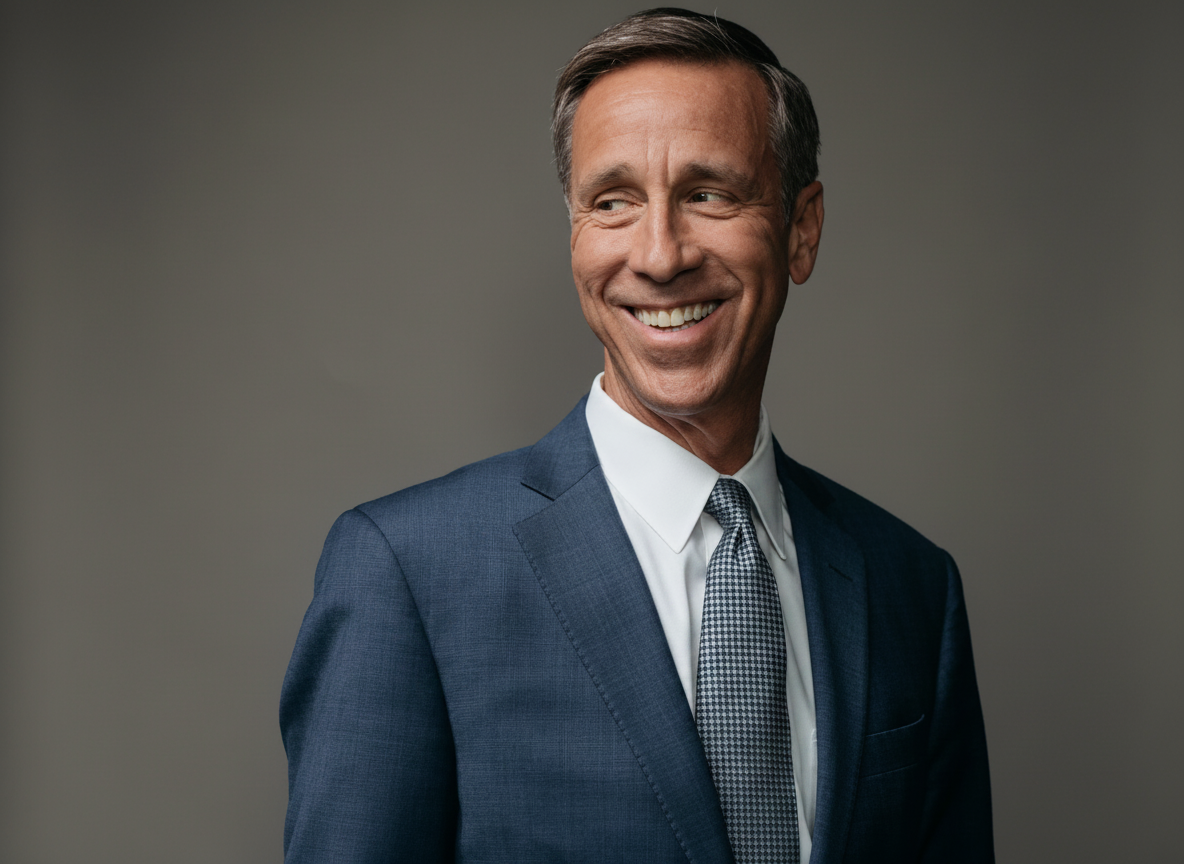
Arne Sorenson
The first non-Marriott family CEO of Marriott International, who significantly expanded its global footprint and navigated strategic acquisitions and industry disruptions.
Arne Sorenson was an American hotel executive who served as the President and CEO of Marriott International from 2012 until his passing in 2021. He was the first person outside the Marriott family to hold the top leadership position. Sorenson spearheaded the acquisition of Starwood Hotels & Resorts Worldwide, transforming Marriott into the world's largest hotel company. He navigated significant industry shifts, including the rise of online travel agencies and the sharing economy, while championing diversity and environmental sustainability within the organization.
Biography
Accomplishments
- 01Led Marriott International as its first non-Marriott family CEO from 2012 until 2021, marking a significant transition in the company's leadership structure.
- 02Engineered the acquisition of Starwood Hotels & Resorts Worldwide in 2016 for approximately $13 billion, effectively creating the world's largest hotel company by room count.
- 03Expanded Marriott's portfolio to over 7,600 properties across 133 countries and territories under 30 distinct brands, significantly increasing global market share.
- 04Oversaw the successful integration of the Marriott Rewards, Starwood Preferred Guest (SPG), and The Ritz-Carlton Rewards loyalty programs into one unified program, Marriott Bonvoy, launched in 2019, creating a loyalty powerhouse.
- 05Championed technological advancement within Marriott, investing in mobile check-in/checkout, keyless entry, and enhanced digital guest experiences.
- 06Advocated for corporate social responsibility, setting aggressive environmental sustainability goals for Marriott and promoting diversity and inclusion initiatives.
- 07Navigated major industry disruptions including the rise of online travel agencies and the sharing economy, adapting business strategies to maintain competitiveness.
- 08Maintained Marriott's financial strength and global leadership position even through severe industry downturns, including the profound impact of the COVID-19 pandemic.
Lessons for Operators
Key Takeaways
Practical lessons distilled for operators, investors, C-levels, and capital allocators.
Scale through Strategic M&A
Sorenson's acquisition of Starwood exemplified how significant, well-executed mergers can fundamentally reshape market leadership, providing economies of scale, diversified brand portfolios, and enhanced loyalty program reach. Operators should continually evaluate M&A targets that offer strategic synergies and market dominance possibilities.
Digital First, Guest Centric
His emphasis on digital innovation, from mobile apps to personalized guest experiences through data, demonstrates that even established industries must prioritize technology to stay relevant. C-levels should direct substantial investment towards digital platforms that enhance customer journeys and operational efficiency.
Unified Loyalty as a Moat
The successful integration of multiple loyalty programs into Marriott Bonvoy created a massive competitive advantage. Enterprise leaders should consolidate and optimize their customer loyalty mechanisms to create a powerful ecosystem that discourages churn and fosters deep customer relationships across disparate offerings.
Proactive Crisis Communication
Sorenson's transparent communication during the COVID-19 pandemic, particularly his direct video message, established a benchmark for authentic leadership during crisis. Investors and capital allocators should look for executive teams capable of transparent and empathetic communication, as it can significantly impact stakeholder confidence and company resilience.
ESG as a Business Imperative
His commitment to sustainability and diversity highlights that ESG considerations are no longer optional. Fund managers should assess companies not only on financial performance but also on their robust ESG frameworks, as these contribute to long-term value creation, brand reputation, and regulatory compliance.
First-mover Advantage in Integration
Being the first non-Marriott family CEO allowed Sorenson a unique position to drive transformative change without traditional legacy constraints. Leaders inheriting established enterprises should leverage their outsider perspective to challenge norms and enact bold strategies unconstrained by historical precedent.
Frameworks & Principles
Named frameworks and strategic principles they popularized or embodied.
Ecosystem Expansion via M&A
A strategy centered on acquiring complementary businesses to expand market reach, diversify offerings, and consolidate competitive advantages, particularly in areas like customer loyalty and global footprint. The Starwood acquisition is a prime example of this.
When to useWhen market fragmentation exists, significant synergies can be realized through scale, or when competitor assets enhance a company's strategic position (e.g., loyalty programs, brand portfolio, geographic presence).
Integrated Loyalty Program Design
Focuses on unifying disparate customer loyalty mechanisms into a single, cohesive platform to maximize customer value, drive cross-brand utilization, and create a powerful competitive moat. Marriott Bonvoy is a textbook case.
When to useApplicable for companies with multiple brands, product lines, or service offerings where a consolidated loyalty program can enhance customer engagement, data collection, and repeat business across the entire ecosystem.
Digital Guest Journey Optimization
Prioritizing investment in technology to enhance every touchpoint of the customer experience, from booking and check-in to in-stay services and post-stay feedback. This includes mobile apps, personalized recommendations, and seamless digital interactions.
When to useEssential for any consumer-facing business in the modern era to meet evolving digital expectations, improve operational efficiency, and gather valuable customer data for personalized service and targeted marketing.
Recent Appearances
Latest interviews, keynotes, and press from the past half year.
 youtube.com
 youtube.com
 youtube.com
 youtube.com
 youtube.com
 youtube.com
 youtube.com
 youtube.com
 youtube.com
 youtube.com
 youtube.com
 youtube.com
 youtube.com
 youtube.com
 youtube.com
 youtube.com
 youtube.com
 youtube.com
 youtube.com
 youtube.com
 youtube.com
 youtube.com
 youtube.com
 youtube.com
 youtube.com
 youtube.com
 youtube.com
 youtube.com
 youtube.com
 youtube.com
 youtube.com
 youtube.com
 youtube.com
 youtube.com
 youtube.com
 youtube.com
 youtube.com
 youtube.com
 youtube.com
 youtube.com
 youtube.com
 youtube.com
 youtube.com
 youtube.com
 youtube.com
 youtube.com
 youtube.com
 youtube.com
 youtube.com
Sources & Further Reading
Profiles, interviews, podcasts, and articles used to compile and verify this entry. Each link opens at the original publisher.
- interviewIn March 2020, Marriott was collapsing. | Russ Hill - LinkedInlinkedin.com→
- interviewTony Capuano Interview with It's Personal Storiesitspersonalstories.com→
- interviewAnthony Capuano's Post - LinkedInlinkedin.com→
- interviewAt the Cannes Lions International Festival of Creativity, Marriott ...facebook.com→
- interviewConsumer Confidence Is Down. Marriott's CEO Explains ... - Barron'sbarrons.com→
- interview" Arne Sorenson, ex CEO de Marriott International "El crecimiento ...instagram.com→
- interviewDUMB INTERVIEWS - YouTubem.youtube.com→
- interviewMelanie Vi - YouTubeyoutube.com→
- interviewMotivation - YouTubem.youtube.com→
- podcast2013 - 2014 Speaker Series - YouTubeyoutube.com→
- podcastNAF - YouTubeyoutube.com→
- podcastlist of major campaign donors - Facebookfacebook.com→
- podcastTech leaders meet at White House rose garden - Facebookfacebook.com→
- podcastWASHINGTONEXEC Top Industry Execs to Watch 2026 - Facebookfacebook.com→
- podcastMentorship and gift of books from president bio - Facebookfacebook.com→
- podcastMost leaders in the food industry think they're leading. | Robert Adamslinkedin.com→
- podcastMel Robbins: The 'Let Them Theory' (A Life-Changing ... - Instagraminstagram.com→
- podcastMartha Stewart convirtió su estilo de vida en un imperio ... - Instagraminstagram.com→
- podcastMel Robbins // “A menudo confundimos nuestras emociones con ...instagram.com→
- podcastMel Robbins // “Cuando dejas que las personas sean quienes son ...instagram.com→
- podcastMel Robbins // “El problema de buscar validación afuera ... - Instagraminstagram.com→
Explore Related Titans
Other figures in the archive who share Arne Sorenson's domain, geography, or era.
More in Healthcare & Biotech
From United States


Contemporaries — born 1950s