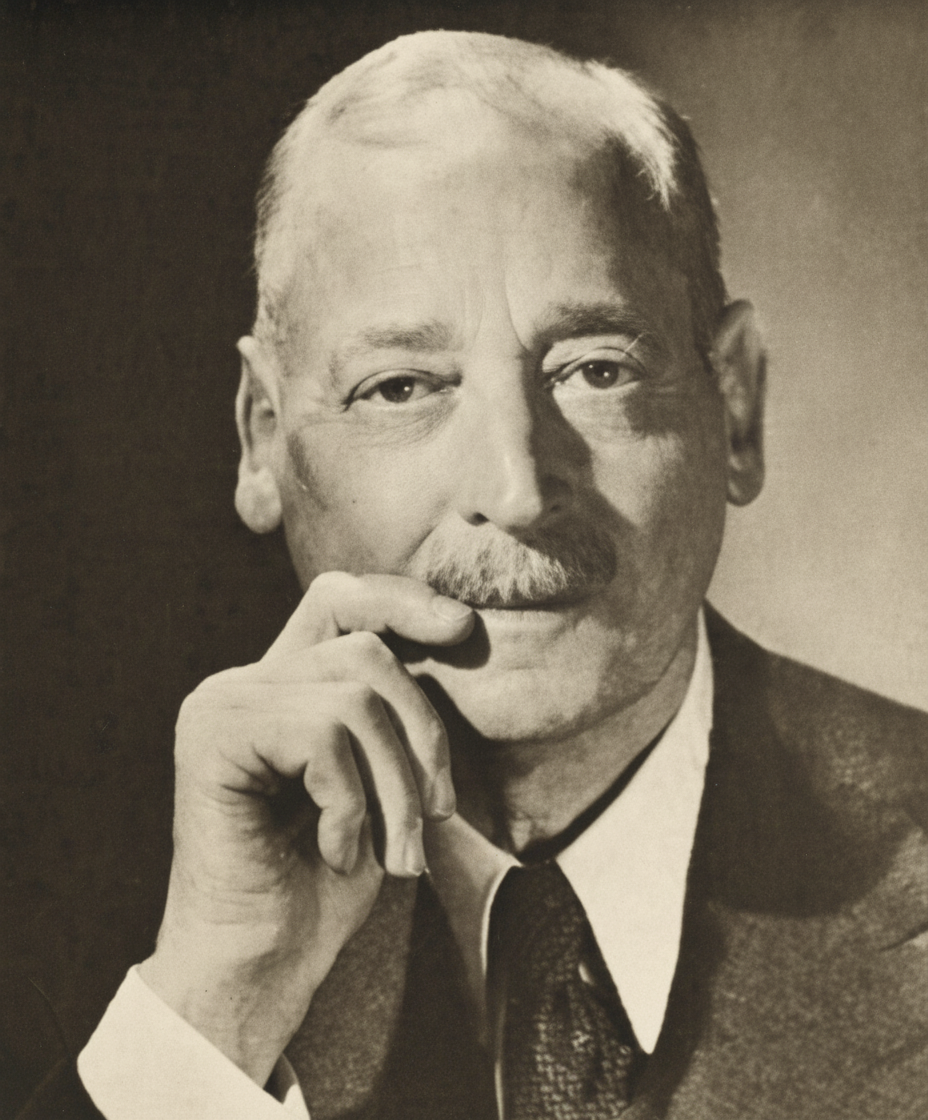
Ernest Oppenheimer
Architect of the modern diamond monopoly and pioneer of cross-commodity African resource syndication.
Sir Ernest Oppenheimer was a German-born South African financier and industrialist who founded the Anglo American Corporation in 1917 and consolidated De Beers Consolidated Mines in 1929. By constructing the Central Selling Organisation, he institutionalized a global single-channel cartel that controlled diamond supply and stabilized commodity pricing for over half a century.
Biography
Accomplishments
- 01Secured Anglo-American financial backing from J.P. Morgan to incorporate the Anglo American Corporation of South Africa in 1917 with £1,000,000 in startup capital.
- 02Formed Consolidated Diamond Mines of South West Africa (CDM) in 1920 by acquiring ex-German coastal concessions, creating an insurmountable external production lever against De Beers.
- 03Executed a hostile board infiltration and creeping equity takeover of De Beers Consolidated Mines, securing the chairmanship in December 1929.
- 04Engineered the Central Selling Organisation (CSO) and Diamond Trading Company (DTC), centralizing global rough diamond distribution and enforcing quota-based price maintenance for six decades.
- 05Financed and constructed large-scale copper-mining infrastructure in Northern Rhodesia (now Zambia) in the late 1920s through Rhokana and Nchanga, building a core base-metal hedge.
- 06Pioneered deep-level shaft-sinking and town planning across the Orange Free State goldfields in the 1940s, unlocking multi-decade gold reserves.
Lessons for Operators
Key Takeaways
Practical lessons distilled for operators, investors, C-levels, and capital allocators.
The Single-Channel Cartel Advantage
By forcing upstream producers into exclusive off-take contracts via the Central Selling Organisation, Oppenheimer eliminated competition at the wholesale gate, ensuring that price volatility was never transmitted to end buyers.
Asymmetric Equity Wedge via Production Control
Oppenheimer did not buy De Beers at full valuation; he first acquired external production rights in South West Africa via CDM, creating an outside supply threat that depressed De Beers' equity value and compelled them to trade board control for his supply agreements.
Counter-Cyclical Balance Sheet Absorption
During the 1930s global depression, Oppenheimer shut down domestic mines and absorbed third-party inventories using Anglo American's gold revenues, accumulating massive commodity stockpiles that were liquidated at premium margins during the post-war recovery.
Dual-Structure Cross-Shareholding
He constructed a permanent, defensive cross-holding structure between Anglo American and De Beers, where each entity held substantial equity in the other, making both resilient against hostile corporate raiding and insulating management control.
Frameworks & Principles
Named frameworks and strategic principles they popularized or embodied.
Single-Channel Supply Rationing Architecture
A supply-chain dominance model where all independent extraction sources are tied to exclusive long-term purchase agreements with a central marketing clearinghouse. The clearinghouse enforces strictly calculated production quotas and releases goods in pre-sorted, non-negotiable parcels (e.g., De Beers 'sights') to vetted buyers on a take-it-or-leave-it basis, completely decoupling spot demand from production volume.
When to useApplicable when operating in commodity or luxury markets with highly concentrated production, high capital expenditure barriers, and price elasticity where marginal oversupply destroys industry-wide terminal margins.
Cross-Commodity Cash Flow Reinvestment Flywheel
A capital allocation system wherein counter-cyclical, high-margin, cash-generative staple commodities (gold, oil, utilities) provide continuous liquidity to fund deep-discount acquisitions of high-beta, discretionary resources (diamonds, specialty chemicals, rare minerals) during macroeconomic contractions.
When to useApplicable for diversified holding companies, multi-asset private equity operators, and enterprise resource extractors managing volatile commodity cycles and seeking multi-decade balance sheet resilience.
Sources & Further Reading
Profiles, interviews, podcasts, and articles used to compile and verify this entry. Each link opens at the original publisher.
Explore Related Titans
Other figures in the archive who share Ernest Oppenheimer's domain, geography, or era.
More in Energy & Resources









From South Africa






Contemporaries — 19th century