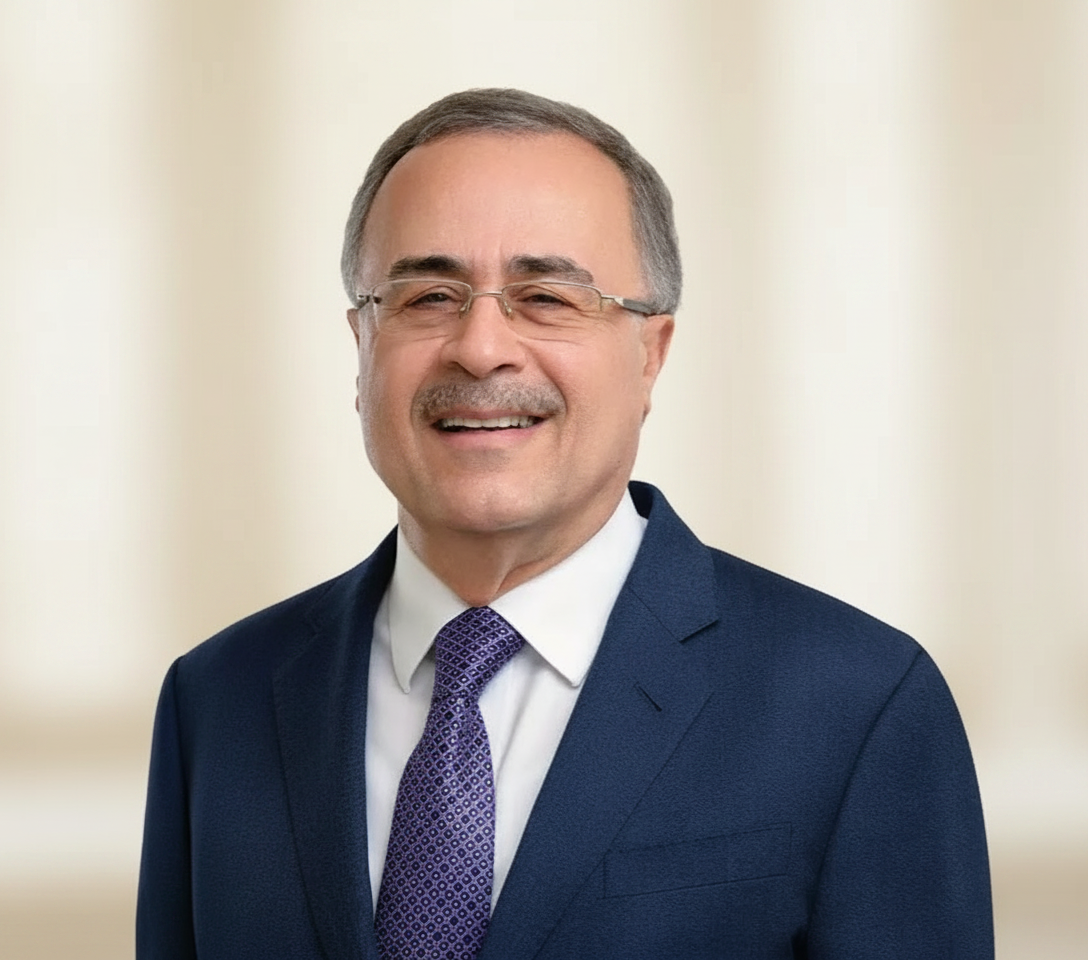
Amin H. Nasser
Amin H. Nasser: Leading the world's largest oil producer through energy transitions and geopolitical complexities.
Amin H. Nasser leads Saudi Aramco, the world's largest oil producer, navigating market fluctuations, geopolitical tensions, and global energy transitions. He advocates for continued investment in hydrocarbons while diversifying the company's portfolio.
Biography
Accomplishments
- 01Steered Saudi Aramco through its historic initial public offering (IPO) in 2019, the world's largest IPO to date.
- 02Led Saudi Aramco to consistently achieve robust profitability and production levels, contributing significantly to Saudi Arabia's economy.
- 03Advocated for continued investment in oil and gas, successfully challenging narratives of immediate, wholesale fossil fuel divestment at global forums.
- 04Oversaw the expansion of Aramco's downstream integration, including notable acquisitions that strengthened its petrochemical capabilities.
- 05Initiated and supported technological advancements within Saudi Aramco, including partnerships for AI and digitalization.
- 06Maintained operational resilience and market stability amidst significant geopolitical events impacting the energy sector, demonstrating strategic leadership during crises.
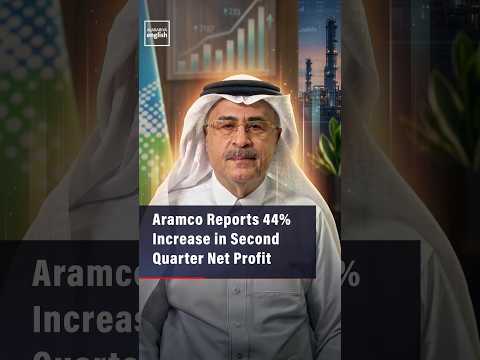
- 07Spearheaded efforts to enhance Aramco's financial performance, leading to increased net profit despite regional conflicts impacting oil shipping routes in recent periods.
- 08Fostered strategic alliances, such as the partnership with PIF for HUMAIN, aimed at accelerating technological innovation and diversification within Saudi Arabia.
Lessons for Operators
Key Takeaways
Practical lessons distilled for operators, investors, C-levels, and capital allocators.
Dual-Track Strategy
Nasser's leadership exemplifies a dual-track strategy: maximizing value from incumbent hydrocarbon assets while selectively investing in diversification and advanced technologies like AI. This approach ensures current market leadership while preparing for future energy transitions.
Geopolitical Acuity
Effectively navigating international relations and regional conflicts is integral to managing a global energy enterprise. Recent events underscore the direct impact of geopolitical instability on supply chains and profitability, demanding constant vigilance and strategic response.
Advocacy for Energy Realism
His consistent critique of fossil fuel divestment highlights the practical necessity of traditional energy sources in the global mix. This position serves as a counter-narrative, urging stakeholders to consider the complexities of energy transition rather than pursuing immediate, radical shifts.
Technological Horizon Scanning
The emphasis on AI and digital transformation, as evidenced by ventures like HUMAIN, demonstrates a forward-looking perspective on how technology can optimize operations, create new revenue streams, and enhance competitiveness in the long term.
Operational Resilience as a Strategic Asset
Saudi Aramco's ability to maintain high production and profitability despite significant external disruptions, such as shipping route challenges, highlights robust operational frameworks and effective risk management as critical strategic advantages.
Influence on National Economic Diversification
As CEO of the national oil company, Nasser plays an influential role in Saudi Arabia's broader economic diversification efforts, aligning Aramco's initiatives with national strategic goals beyond direct oil production.
Investor Communication in Volatile Markets
In periods of geopolitical uncertainty and market flux, clear and consistent communication with investors about operational challenges, strategic responses, and future outlook is critical for maintaining market confidence.
Leadership in Evolving Global Energy Dialogue
Nasser actively participates in global energy dialogues, shaping perspectives on energy security, sustainability, and technological innovation from the vantage point of a major global producer.
Frameworks & Principles
Named frameworks and strategic principles they popularized or embodied.
Energy Security & Investment Posture
Nasser's framework prioritizes continuous investment in oil and gas infrastructure to ensure global energy security and meet persistent demand, arguing against premature divestment that could lead to supply shortfalls and price volatility.
When to useApplicable for long-term strategic planning in resource-intensive industries, especially those facing pressure for rapid decarbonization, to balance economic reality with environmental goals.
Strategic Vertical Integration & Diversification
This involves expanding downstream (e.g., refining and petrochemicals) to capture more value from raw materials, while also exploring parallel diversification into new technological sectors like AI to build future revenue streams.
When to useUseful for large enterprises seeking to optimize their core business while strategically exploring new growth areas and mitigating single-market dependency.
Geopolitical Risk Management in Supply Chains
A framework for anticipating, assessing, and mitigating the impacts of geopolitical events on global supply chains, ensuring operational continuity and market stability even during periods of regional conflict or trade disputes.
When to useEssential for any global enterprise with complex supply chains operating in politically sensitive regions, requiring proactive risk assessment and robust contingency planning.
Recent Appearances
Latest interviews, keynotes, and press from the past half year.
 youtube.com
 youtube.com
 youtube.com
 youtube.com
 youtube.com
 youtube.com
 youtube.com
 youtube.com
 youtube.com
 youtube.com
 youtube.com
 youtube.com
 youtube.com
 youtube.com
 youtube.com
 youtube.com
 youtube.com
 youtube.com
 youtube.com
 youtube.com
 youtube.com
 youtube.com
 youtube.com
 youtube.com
 youtube.com
 youtube.com
 youtube.com
 youtube.com
 youtube.com
 youtube.com
 youtube.com
 youtube.com
 youtube.com
 youtube.com
 youtube.comm.youtube.comm.youtube.com
 m.youtube.com
 youtube.com
 youtube.com
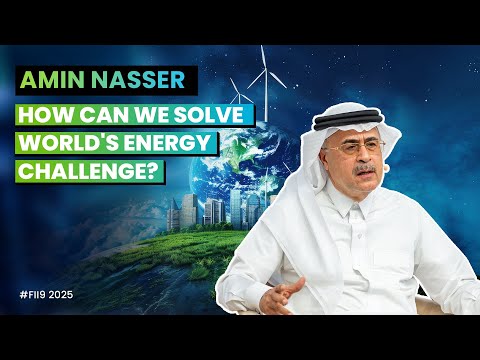 youtube.comyoutube.com
 youtube.com
 youtube.com
 youtube.com
 youtube.com
 youtube.com
 youtube.com
 m.youtube.com
 youtube.com
 youtube.com
 m.youtube.com
 m.youtube.com
 youtube.com
 youtube.com
 youtube.com
 youtube.com
 youtube.com
 youtube.com
 youtube.com
 youtube.com
 youtube.com
 youtube.com
Sources & Further Reading
Profiles, interviews, podcasts, and articles used to compile and verify this entry. Each link opens at the original publisher.
- interviewSaudi Aramco boss pulls out of CERAWeek due to Iran conflict - CNBCcnbc.com→
- interviewHow Saudi Arabia is diversifying away from oil — and betting big on AIcnbc.com→
- interviewCNBC Daily Open: Hopes of a U.S.-China deal sparks rallycnbc.com→
- interviewSaudi Aramco Profit Jumps Despite War Disrupting Shipping Routeswsj.com→
- interviewSaudi Aramco's Net Profit Rises on Higher Production, Oil Priceswsj.com→
- podcastUS-Israel Iran War: 'Oil Market May Face Drastic ... - YouTubeyoutube.com→
- podcastThe CEO of Saudi Aramco, Amin H. Nasser, has warned ... - Instagraminstagram.com→
- podcastPIF, Aramco join forces through HUMAIN to accelerate Saudi ...wamda.com→
- podcastChris Pantelidis - EMA Partners New York / Toronto - LinkedInlinkedin.com→
- podcastUS President Donald Trump just made history by bringing 16 of ...facebook.com→
Explore Related Titans
Other figures in the archive who share Amin H. Nasser's domain, geography, or era.
More in Energy & Resources







From Saudi Arabia