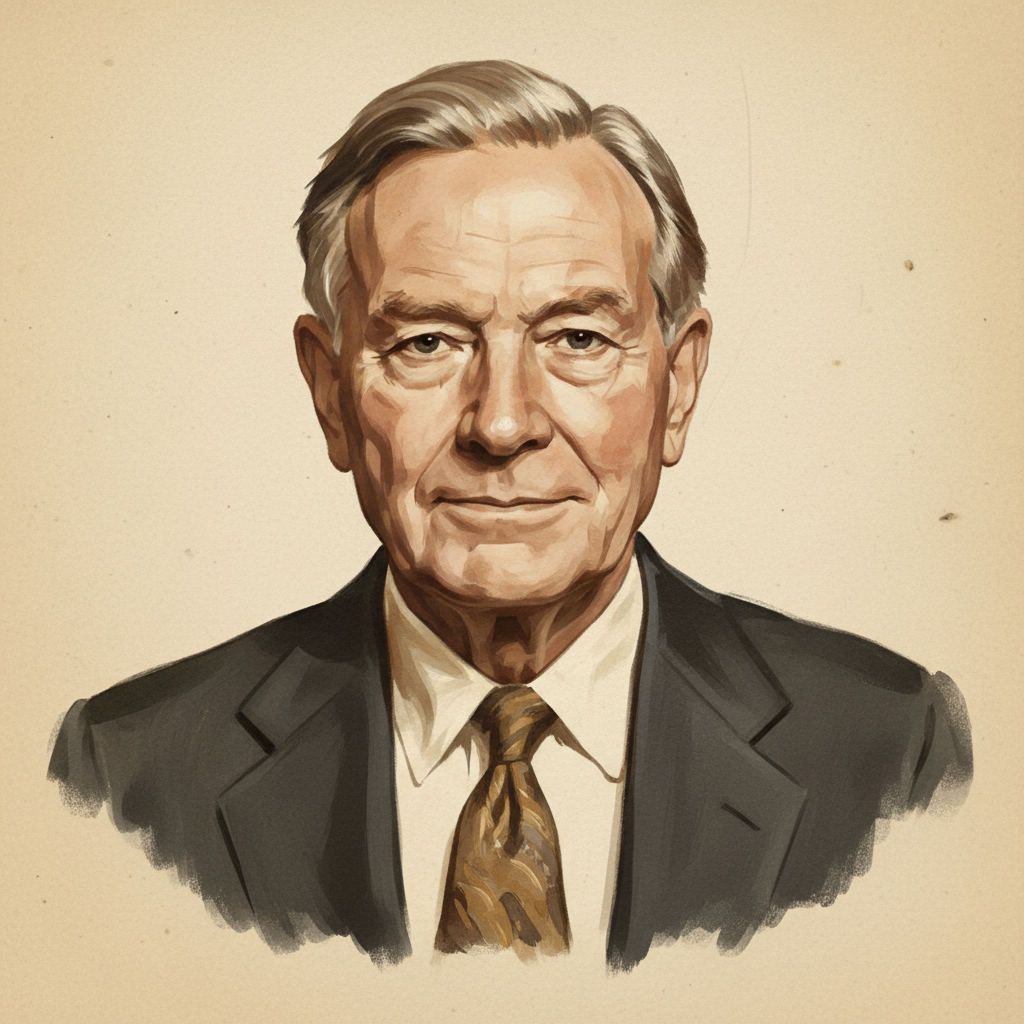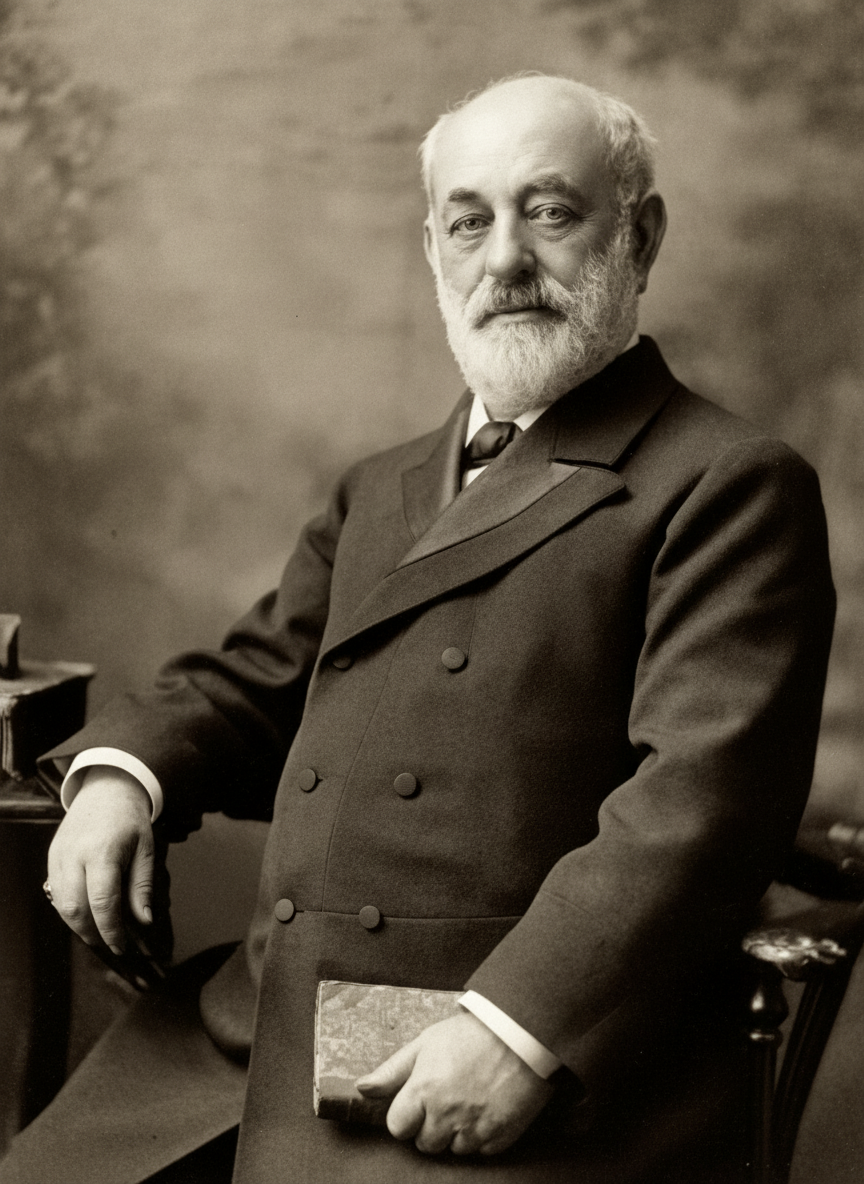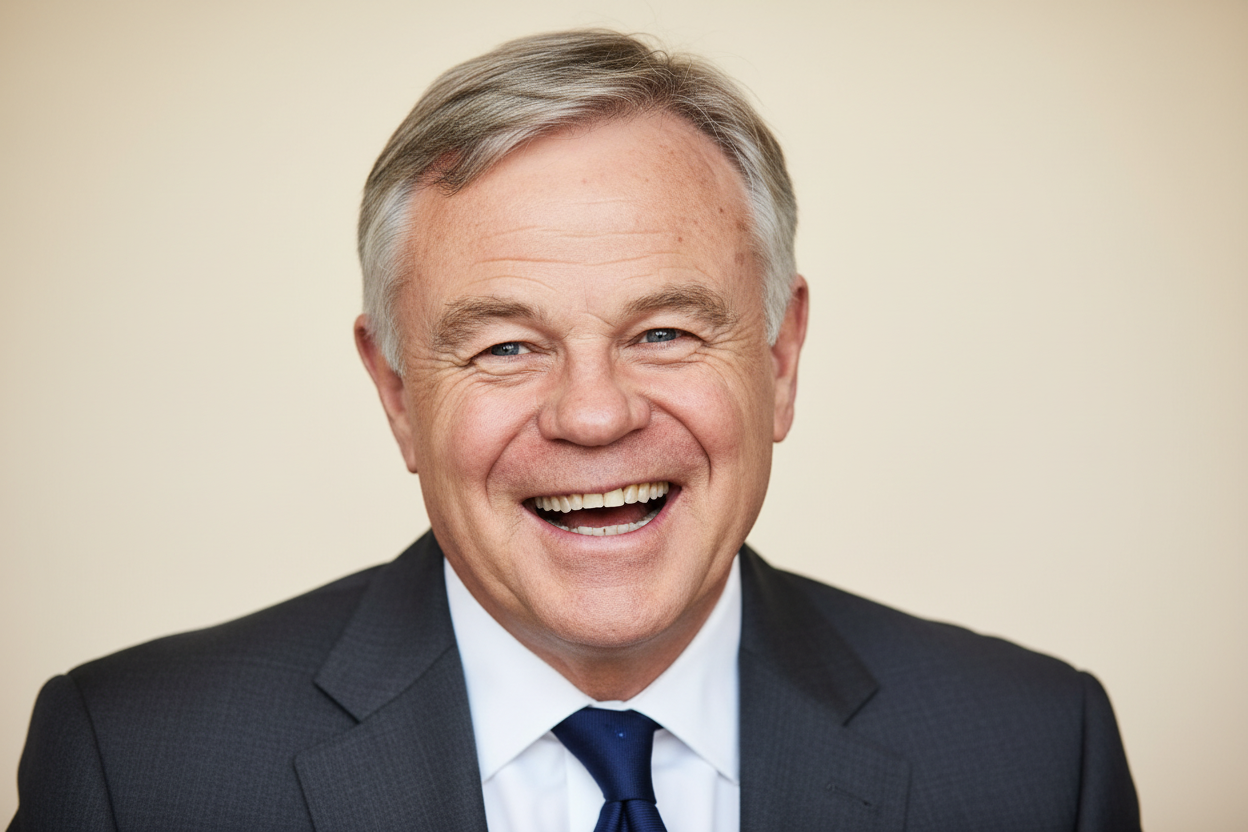
Portrait of Koos Bekker
Modern Architect · 1952 — Present

Koos Bekker

Visionary architect of corporate reinvention who transformed an apartheid-era print publisher into a global tech investment powerhouse through a legendary bet on Tencent.

Country
South Africa
Continent
Africa
Industry
Venture Capital & Media
Role
Former Chief Executive Officer and Current Chairman of Naspers

Jacobus Petrus 'Koos' Bekker is a South African media executive and investor celebrated for executing one of the most successful corporate reinventions and venture capital investments in financial history. Under his leadership as CEO from 1997 to 2014, Naspers transitioned from a legacy, Afrikaner-run print business into an international consumer internet conglomerate. His defining move occurred in 2001, when Naspers invested $32 million for a 46.5% stake in a nascent Chinese messaging platform named Tencent, yielding one of the largest corporate returns ever recorded.

Biography

Born in Potchefstroom, South Africa, Koos Bekker studied literature and law at Stellenbosch University and the University of the Witwatersrand before earning an MBA at Columbia Business School in 1984. At Columbia, Bekker authored a thesis on pay-television in non-US markets. Returning to South Africa, he co-founded M-Net in 1985 with backing from local newspaper groups, including Naspers. M-Net expanded across Africa and pioneered subscription-based broadcasting outside the United States. In 1994, Bekker co-founded MTN, which evolved into one of the largest mobile network operators on the African continent. In 1997, Bekker was appointed CEO of Naspers (Nasionale Pers), an Afrikaner-dominated print publisher established in 1915. Recognizing the long-term mortality of print, Bekker instituted an aggressive strategic pivot toward electronic media, telecommunications, and early-stage internet platforms. In an extraordinary show of alignment with shareholders, Bekker structured his executive compensation package to draw zero cash salary, zero annual bonus, and zero pension contributions, receiving compensation strictly through stock options that required long-term value creation. In May 2001, amidst the wreckage of the global dot-com crash, Bekker authorized Naspers to invest approximately $32 million to acquire 46.5% of Tencent, then a fledgling developer of the QQ instant messaging tool founded by Pony Ma. Despite facing initial commercial missteps in China and international joint ventures, Bekker doubled down on emerging market internet services, acquiring substantial stakes in Russian internet firm Mail.ru, Polish e-commerce marketplace Allegro, Indian delivery and payments platforms like Swiggy and PayU, and global classifieds network OLX. When Bekker stepped down as CEO in March 2014 to take a sabbatical before becoming Chairman in April 2015, Naspers had evolved into a $45 billion-plus market cap titan. Under his board leadership, Naspers later spun out Prosus in 2019 to house its international internet assets on Euronext Amsterdam, reducing holding-company discount pressure while preserving massive structural exposure to global internet infrastructure.

Accomplishments

  • 01Executed a $32 million investment for a 46.5% stake in Tencent in May 2001, an asset that eventually achieved unrealized valuations exceeding $200 billion.
  • 02Co-founded M-Net in 1985, building the first pay-television network outside the United States and laying the groundwork for pan-African digital satellite provider MultiChoice (DStv).
  • 03Co-founded MTN Group in 1994, helping architect what grew into Africa's largest telecommunications conglomerate.
  • 04Operated for 17 consecutive years as Naspers CEO with zero cash salary, zero executive perks, and zero performance bonuses, taking compensation purely via long-dated equity options.
  • 05Oversaw the expansion of the Naspers footprint across Latin America, Eastern Europe, Russia, and India, acquiring control positions in platforms such as Allegro, Avito, and OLX.
  • 06Steered the market capitalization of Naspers from approximately $1.2 billion in 1997 to over $45 billion upon his retirement as CEO in 2014, achieving annualized shareholder returns exceeding 30%.
  • 07Successfully executed the Euronext Amsterdam IPO of Prosus in September 2019, creating Europe's largest listed consumer internet firm to unlock holding-company value.

Lessons for Operators

Align capital incentives radically: By foregoing base salary and bonuses in exchange for pure equity options, executive focus shifts unconditionally toward long-term share price performance rather than short-term accounting metrics.
Reinvent before obsolescence forces liquidation: Do not wait for legacy cash flows to deteriorate before building digital alternatives; use current balance sheet power to finance existential transitions.
Counter-cyclical aggression compounds outsized returns: Naspers committed tens of millions of dollars to high-risk internet properties in emerging markets precisely when Silicon Valley was retreating from the dot-com crash.
Decentralize operational authority post-acquisition: Back world-class indigenous founders (such as Pony Ma at Tencent) and grant them total operating independence instead of attempting heavy-handed Western or corporate integrations.
Embrace a high strike-out rate to secure outlier asymmetric upside: Naspers lost substantial capital on failed ventures in China, print experiments, and early internet attempts, but a single historic power-law winner completely eclipsed all aggregate losses.
Pioneer under-penetrated markets: Focus on digital opportunities in regions ignored or discounted by conventional venture capital, such as Eastern Europe, India, Africa, and early-2000s China.
The Operator's Playbook

Key Takeaways

Practical lessons distilled for operators, investors, C-levels, and capital allocators.

Lesson 01

Power-Law Dominance in Corporate Portfolios

A single venture-style allocation can alter the financial trajectory of an entire corporate balance sheet, rendering traditional legacy assets mathematically secondary.

Lesson 02

Absolute Skin in the Game

Executives compensated exclusively through equity are structurally immunized against empire-building, short-term earnings management, and value-destructive M&A.

Lesson 03

Local Founder Autonomy Over Corporate Synergies

Strategic corporate venture capital thrives when acquirers function as patient, high-conviction partners rather than interventionist parent conglomerates.

Lesson 04

Active Portfolio Cannibalization

Long-term corporate survival requires the willingness to direct capital generated by sunsetting core legacy assets toward high-growth technological substitutes.

Mental Models

Frameworks & Principles

Named frameworks and strategic principles they popularized or embodied.

01

The Asymmetric Frontier Allocation Model

A capital deployment approach that systematically reallocates mature, free-cash-flow-producing legacy media and industrial earnings into early-stage, high-growth technology platforms located within fast-growing, non-Western emerging economies. The allocator accepts high venture failure rates across individual investments to capture massive power-law outcomes that reshape the company's valuation profile.

When to useWhen an enterprise operates in a mature, structurally declining industry with substantial current cash flow, and management must engineer a long-term existential transformation into software-driven markets.

02

Pure-Equity Executive Alignment Structure

An executive compensation framework where top decision-makers take zero base salary, zero short-term bonuses, and zero retirement benefits, receiving all compensation in long-dated stock options benchmarked against equity value appreciation.

When to useWhen executing multi-year corporate turnarounds, radical pivots, or aggressive capital reallocation programs where short-term quarterly guidance must be subordinated to ten-year shareholder value creation.

Citations

Sources & Further Reading

Profiles, interviews, podcasts, and articles used to compile and verify this entry. Each link opens at the original publisher.

Adjacent Minds

Explore Related Titans

Other figures in the archive who share Koos Bekker's domain, geography, or era.

Finance & Investing

More in Finance & Investing

Browse all →
Portrait of Warren Buffett
UNITED STATES / INVESTING
Warren Buffett
The Oracle of Omaha: Architect of long-term value investing and compounding returns through disciplined acquisition and intrinsic value focus.
Portrait of Charlie Munger
USA / DIVERSIFIED HOLDINGS, INVESTMENT MANAGEMENT
Charlie Munger
The architect of modern value investing at Berkshire Hathaway, known for his multidisciplinary approach and acerbic wit.
Portrait of Mohnish Pabrai
UNITED STATES / FINANCIAL SERVICES
Mohnish Pabrai
Pioneer of asymmetric 'heads I win, tails I don't lose much' value investing and zero-management-fee partnership structures.
Portrait of Ray Dalio
UNITED STATES / INVESTMENT MANAGEMENT
Ray Dalio
The architect of 'radical transparency' and systematic investing, Ray Dalio built Bridgewater Associates into one of the world's largest and most influential hedge funds.
Portrait of J. Pierpont Morgan
UNITED STATES / BANKING & FINANCE
J. Pierpont Morgan
The architect of American industrial capitalism and financial stability.
Portrait of Sam Altman
UNITED STATES / ARTIFICIAL INTELLIGENCE, VENTURE CAPITAL
Sam Altman
Architect of Artificial General Intelligence and Venture Capital Visionary.
Portrait of Cosimo de' Medici
ITALY / BANKING, FINANCE, STATESMANSHIP
Cosimo de' Medici
The architect of Medici power, leveraging finance and cultural patronage to establish a dynastic legacy.
Portrait of Giovanni di Bicci de' Medici
ITALY / BANKING AND FINANCE
Giovanni di Bicci de' Medici
The silent architect of Florence's financial supremacy and the Medici dynasty.
Portrait of Anshu Jain
INDIA / FINANCIAL SERVICES
Anshu Jain
Anshu Jain: The architect of Deutsche Bank's global investment banking prowess, demonstrating aggressive expansion and risk management in a shifting financial landscape.
Portrait of Marcus Goldman
UNITED STATES / FINANCIAL SERVICES
Marcus Goldman
Pioneered the American commercial paper market and established the partnership foundation of Goldman Sachs.
South Africa

From South Africa

Browse all →
Portrait of Elon Musk
SOUTH AFRICA / AEROSPACE, AUTOMOTIVE, ARTIFICIAL INTELLIGENCE, ENERGY, TELECOMMUNICATIONS
Elon Musk
Elon Reeve Musk: Visionary entrepreneur leading advancements in aerospace, automotive, and artificial intelligence.
Portrait of Ernest Oppenheimer
SOUTH AFRICA / MINING & NATURAL RESOURCES
Ernest Oppenheimer
Architect of the modern diamond monopoly and pioneer of cross-commodity African resource syndication.
Portrait of Wendy Luhabe
SOUTH AFRICA / VENTURE CAPITAL, FINANCIAL SERVICES, CORPORATE GOVERNANCE, ECONOMIC DEVELOPMENT
Wendy Luhabe
Pioneering South African entrepreneur, investor, and corporate governance advocate, instrumental in black economic empowerment and female financial inclusion.
Portrait of Tshepo Mahloele
SOUTH AFRICA / PRIVATE EQUITY, INFRASTRUCTURE INVESTMENT, FINANCIAL SERVICES
Tshepo Mahloele
Architect of African Infrastructure Investment: Pioneering large-scale capital deployment for transformative development.
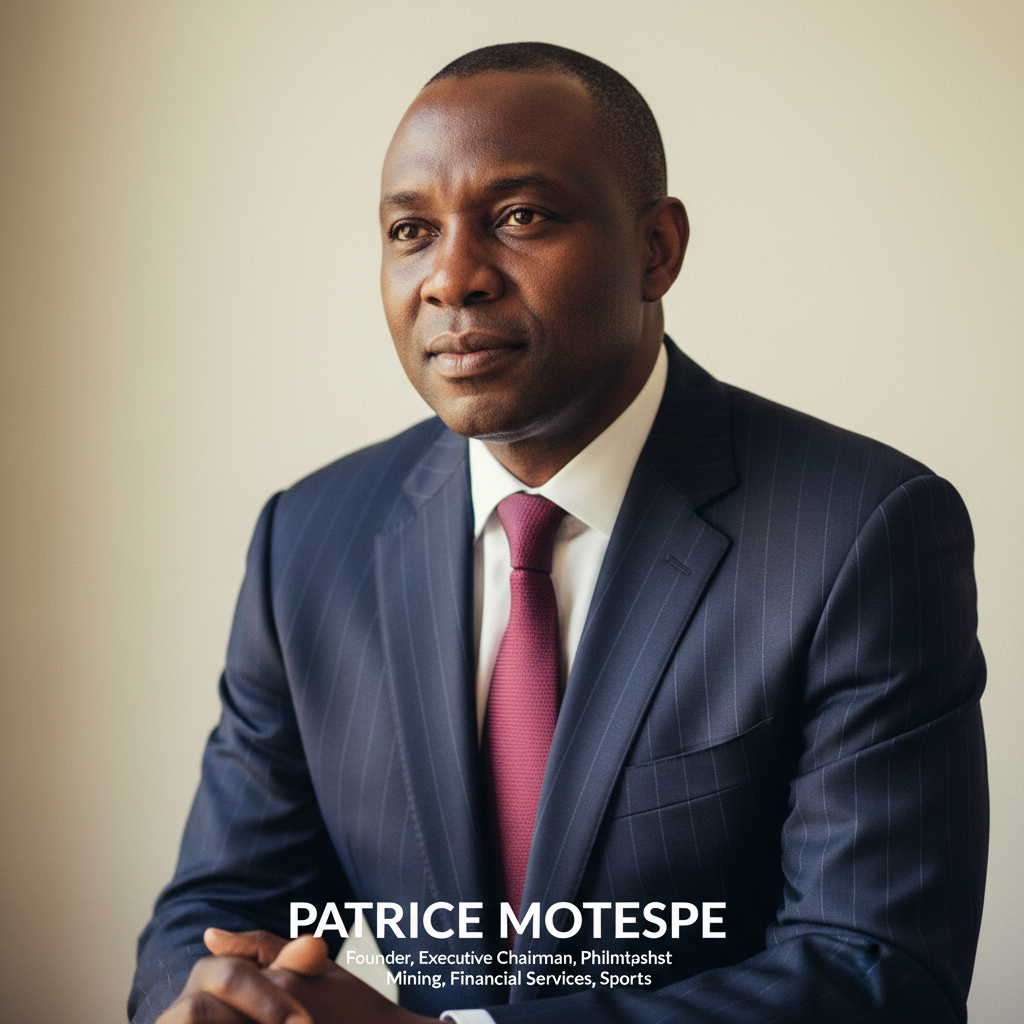
Portrait of Patrice Motsepe
SOUTH AFRICA / MINING, FINANCIAL SERVICES, SPORTS
Patrice Motsepe
Mining magnate who leveraged empowerment policies to build a diversified conglomerate, demonstrating strategic acquisition and community engagement in post-apartheid South Africa.
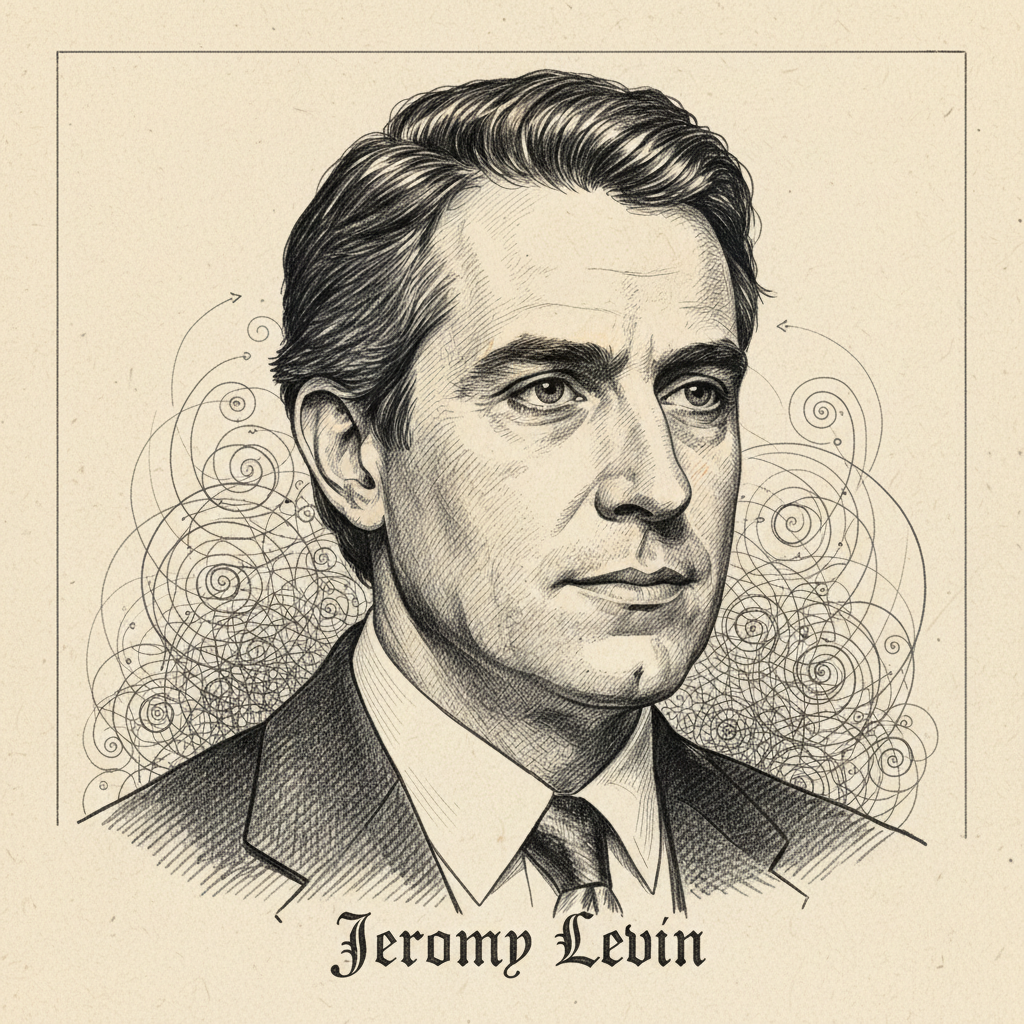
Portrait of Jeremy Levin
SOUTH AFRICA / BIOTECHNOLOGY, PHARMACEUTICALS
Jeremy Levin
Biotechnology entrepreneur and CEO known for strategic deal-making, corporate turnarounds, and building C-suite capabilities.
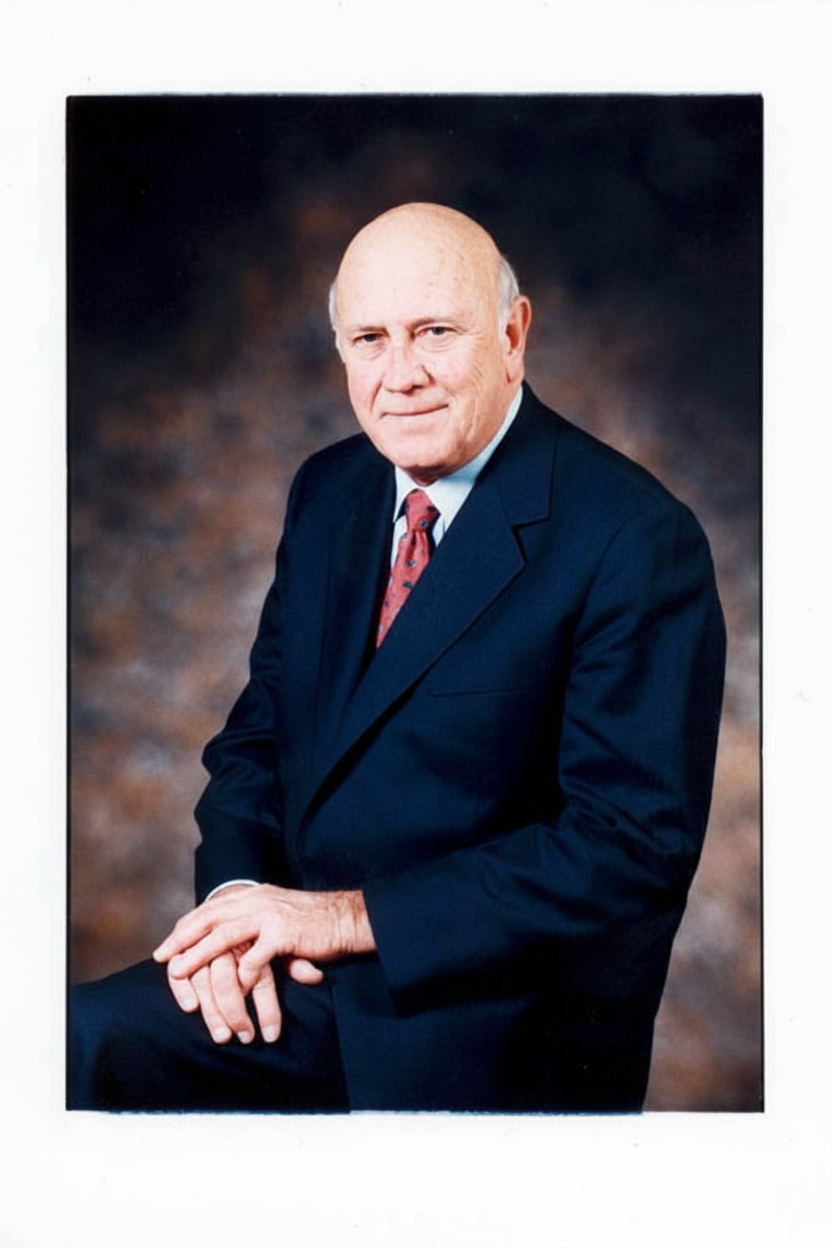
Portrait of V.F.W. de Klerk
SOUTH AFRICA / GOVERNMENT
V.F.W. de Klerk
Architect of a peaceful transition from apartheid to democracy in South Africa.
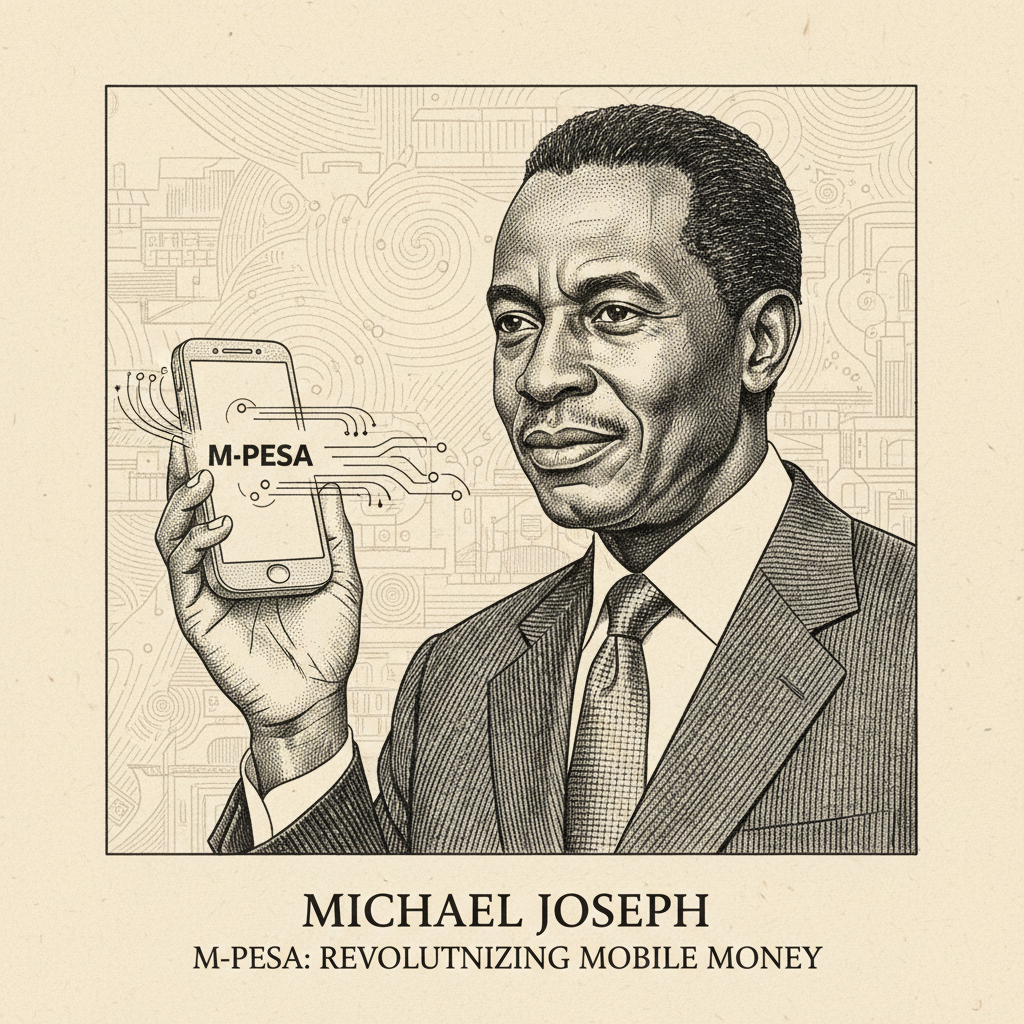
Portrait of Michael Joseph
SOUTH AFRICA / TELECOMMUNICATIONS; FINANCIAL SERVICES
Michael Joseph
Architect of Mobile Money: Pioneering Financial Inclusion in Emerging Markets.
Same Era

Contemporaries — born 1950s

Browse all →
Portrait of Steve Jobs
USA / TECHNOLOGY
Steve Jobs
Co-founder of Apple Inc. and visionary credited with transforming multiple industries.
Portrait of Bill Gates
UNITED STATES / SOFTWARE, TECHNOLOGY, PHILANTHROPY
Bill Gates
Co-founder of Microsoft, architect of the personal computing revolution, and global philanthropist.
Portrait of Mark Cuban
UNITED STATES / TECHNOLOGY, MEDIA, SPORTS, HEALTHCARE
Mark Cuban
Mark Cuban: The Prolific Disrupter – From Software Startups to Sports Franchises and Pharmaceutical Innovation, Leveraging Technology and Direct-to-Consumer Models.
Portrait of Aliko Dangote
NIGERIA / DIVERSIFIED CONGLOMERATE (CEMENT, SUGAR, REFINING, FOOD & BEVERAGES, PETROCHEMICALS)
Aliko Dangote
Aliko Dangote: The architect of Africa's largest industrial conglomerate, transforming local resources into global-scale enterprises across cement, sugar, refining, and petrochemicals.
Portrait of Oprah Winfrey
UNITED STATES / MEDIA AND ENTERTAINMENT
Oprah Winfrey
Media proprietor and executive whose multi-platform empire redefined celebrity influence and media ownership.
Portrait of Mukesh Ambani
INDIA / CONGLOMERATE
Mukesh Ambani
India's transformative conglomerate architect, driving digital and retail revolutions.
Portrait of Masayoshi Son
JAPAN / TECHNOLOGY, TELECOMMUNICATIONS, INVESTMENT
Masayoshi Son
Visionary founder of SoftBank, pioneering global technology investing with audacious long-term bets.
Portrait of Richard Branson
UNITED KINGDOM / CONGLOMERATE
Richard Branson
The Maverick Billionaire: Pioneering and Proliferating the Virgin Brand Across Diverse Sectors.
Portrait of Howard Schultz
UNITED STATES / FOOD & BEVERAGE, RETAIL
Howard Schultz
The architect of the modern coffee experience and a pioneer in scaling purpose-driven enterprise.
Portrait of Jim Collins
UNITED STATES / MANAGEMENT CONSULTING & RESEARCH
Jim Collins
Jim Collins is a seminal management researcher, author, and lecturer known for his rigorous, empirically-driven analysis of what makes great companies endure and excel.