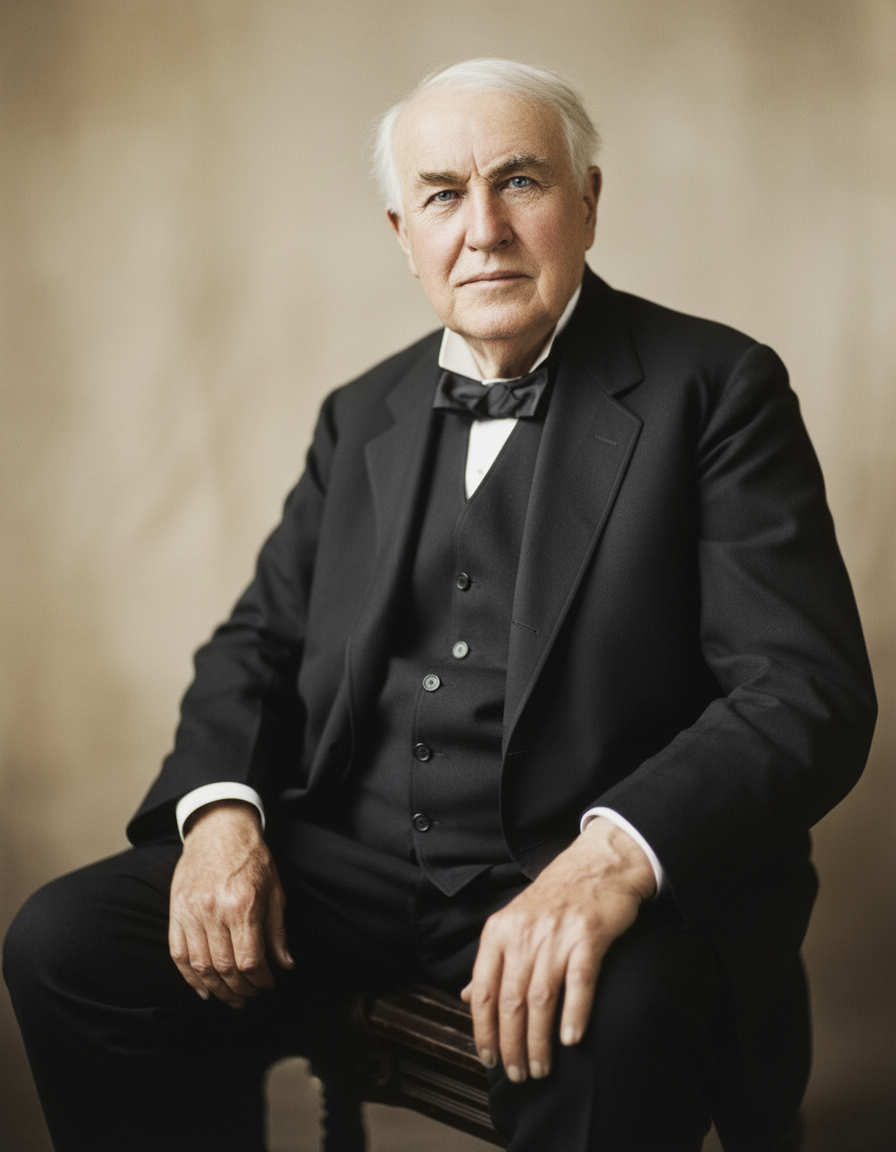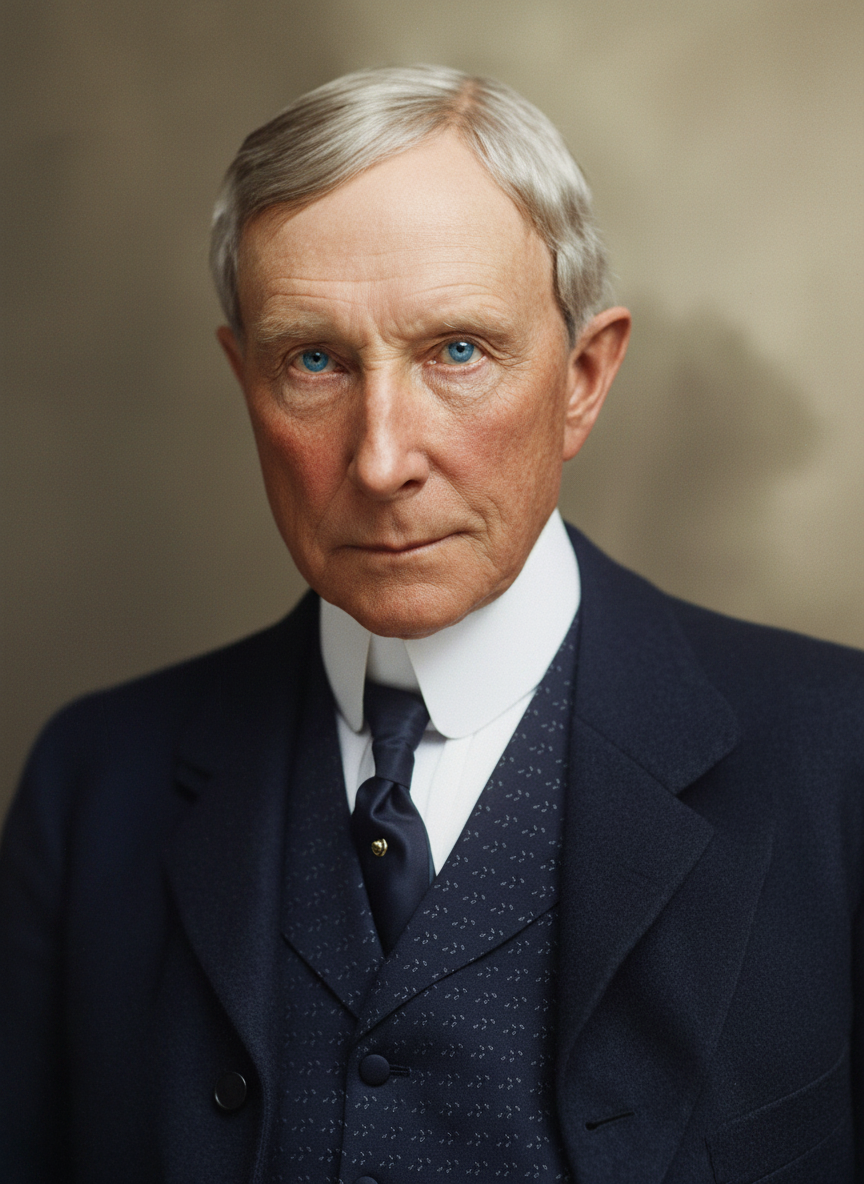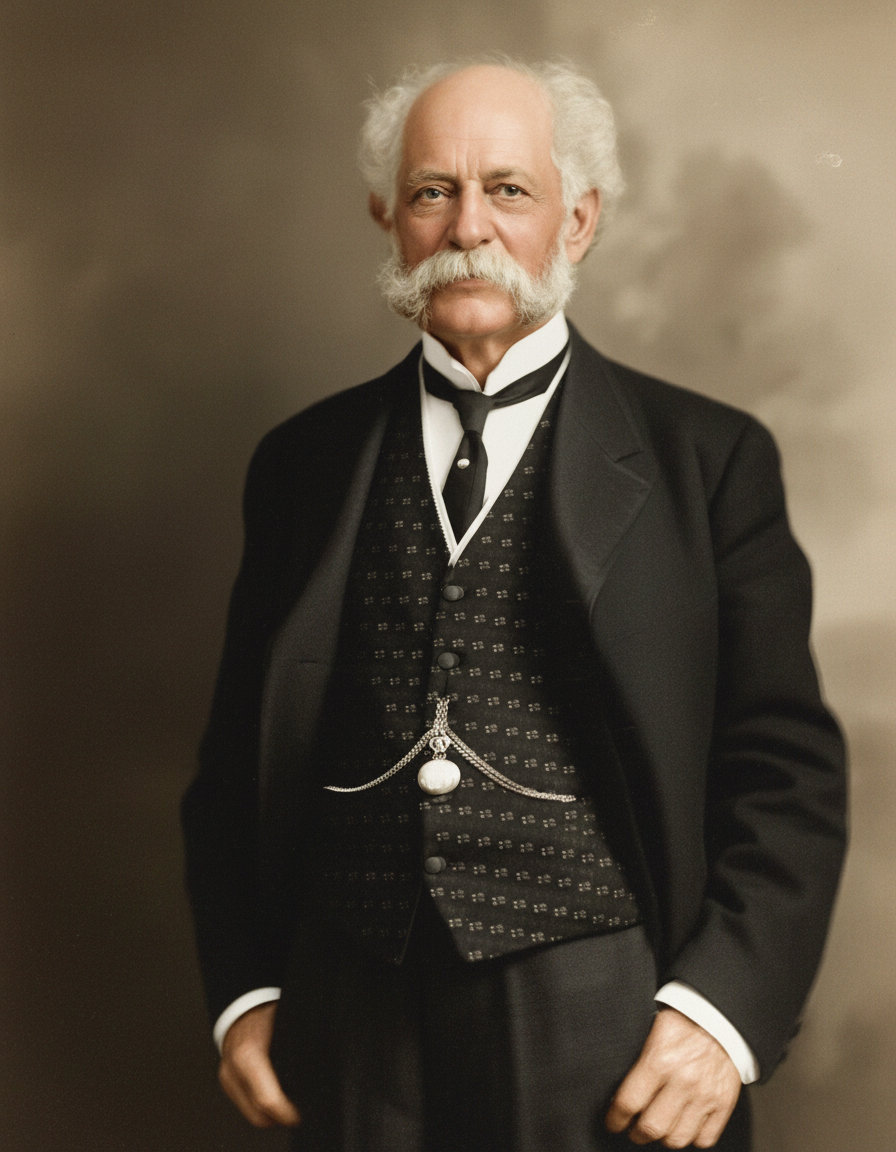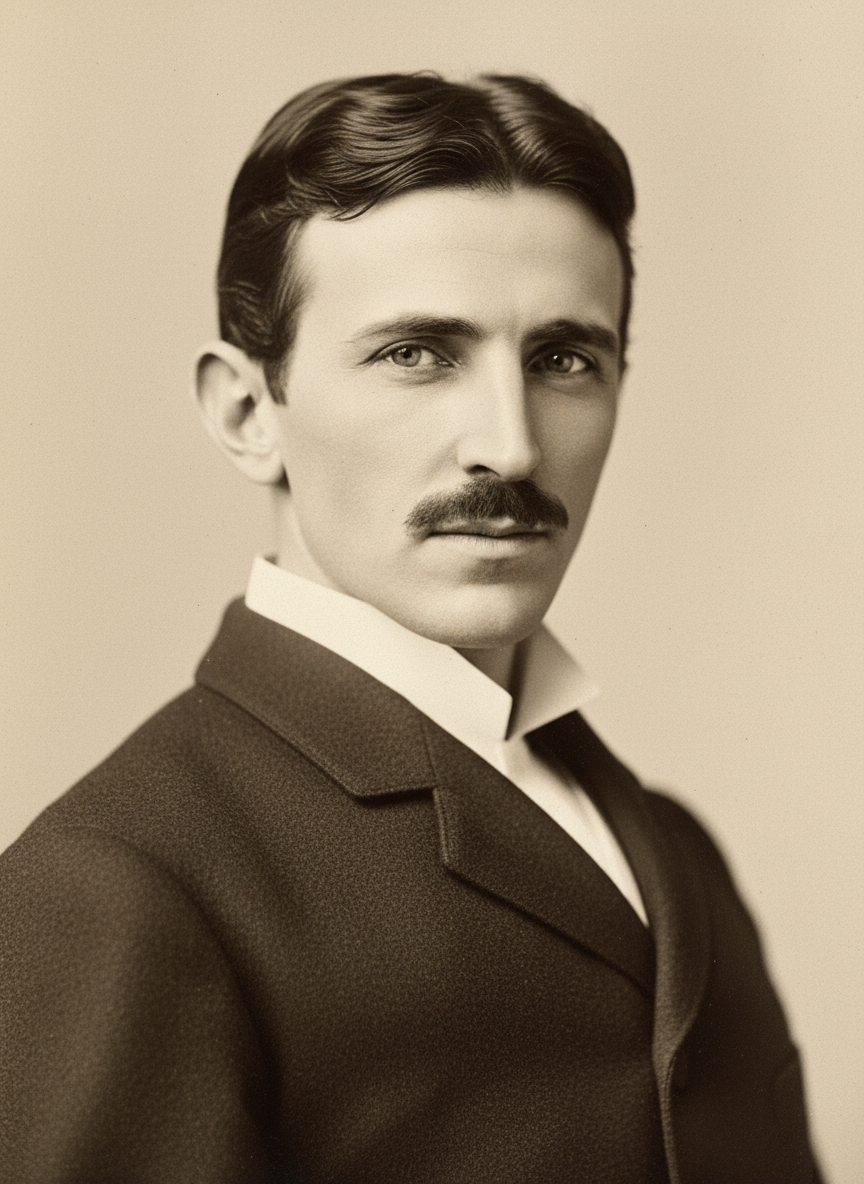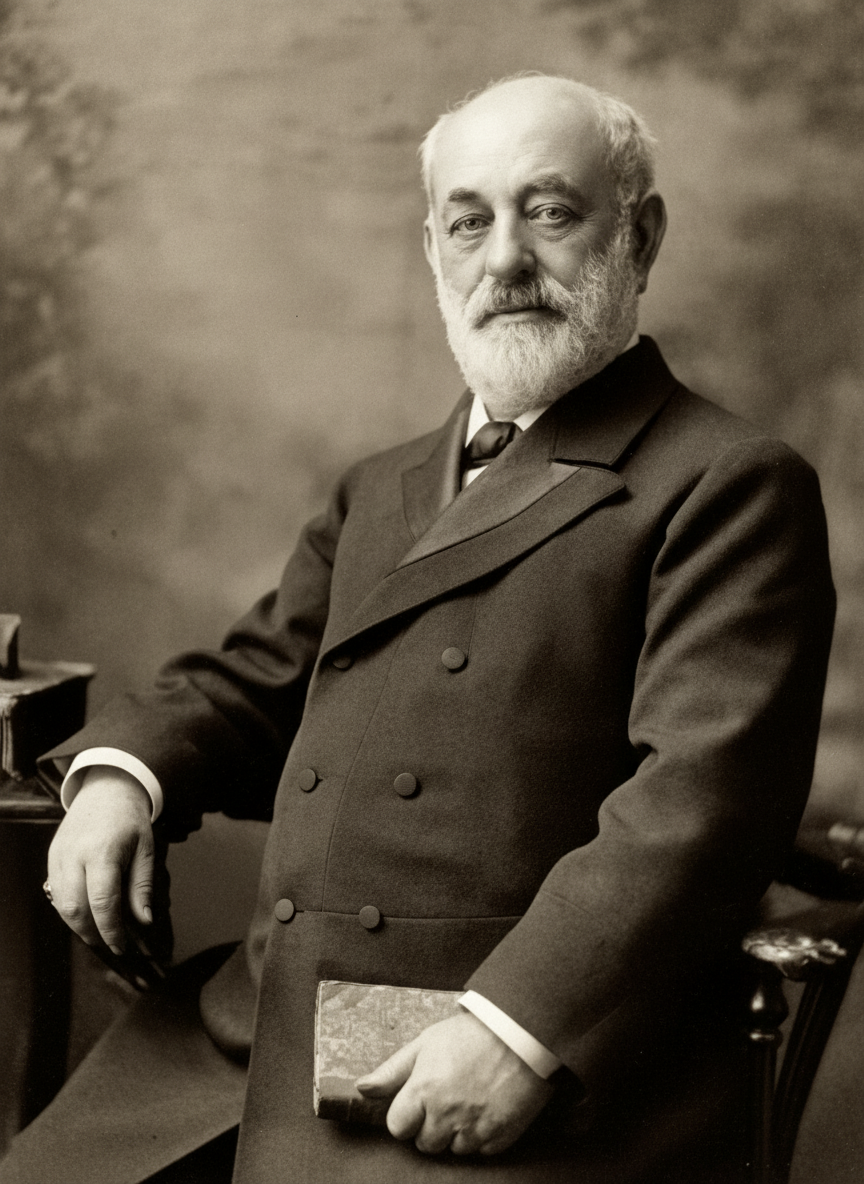
Marcus Goldman
Pioneered the American commercial paper market and established the partnership foundation of Goldman Sachs.
Marcus Goldman was a German-American merchant and banker who revolutionized nineteenth-century corporate finance by creating an institutional market for commercial paper. Operating from a modest Pine Street office in New York City beginning in 1869, he purchased short-term promissory notes from wholesale merchants at a discount and resold them to depository banks. His brokerage model bridged acute liquidity mismatches in industrial trade and formed the operational nucleus of what became Goldman, Sachs & Co.
Biography
Accomplishments
- 01Established the first institutionalized, high-velocity discount market for commercial paper in New York City in 1869.
- 02Scaled annual transaction turnover of merchant promissory notes from small local trades to over $30 million by the 1880s and $67 million by 1894 without taking catastrophic balance-sheet hits.
- 03Architected the enduring partnership model of Goldman, Sachs & Co., integrating key operators Samuel Sachs and Henry Goldman into structural leadership.
- 04Secured Goldman Sachs's New York Stock Exchange membership in 1896, diversifying the partnership from note discounting into global securities origination and equity syndication.
- 05Engineered an early non-bank credit scoring methodology based on inventory velocity and supplier payment histories, enabling commercial banks to deploy cash into non-depository trade assets safely.
Lessons for Operators
Key Takeaways
Practical lessons distilled for operators, investors, C-levels, and capital allocators.
Working Capital Liquidity as a Product
Goldman did not invent promissory notes, but he converted bespoke merchant receivables into standardized, tradeable debt instruments for yield-seeking institutional cash pools.
Balance-Sheet Velocity Over Duration Risk
Rather than acting as a buy-and-hold lender, Goldman operated as an arbitrage broker-dealer, offloading notes within hours or days to protect his equity from sudden liquidity panics.
Reputation as Synthetic Underwriting Collateral
Commercial banks bought unrated notes because Goldman's track record stood behind the paper; maintaining an immaculate record on non-performing loans was his primary capital asset.
Institutionalizing Founder Dealflow
By onboarding Samuel Sachs for national sales distribution and Henry Goldman for corporate relationship building, Marcus Goldman decoupled the firm's growth from his personal network.
Frameworks & Principles
Named frameworks and strategic principles they popularized or embodied.
High-Velocity Commercial Paper Brokerage
A three-step arbitrage model: (1) Buy unsecured trade notes from inventory-rich, cash-constrained operators at a steep discount rate; (2) Package notes across industries to balance trade credit cyclicality; (3) Place the paper immediately with institutional depository banks looking for short-dated liquidity yields, earning the spread without tying up long-term balance-sheet reserves.
When to useUse when capital markets exhibit high short-term credit spreads and institutional depositories hold surplus liquidity that they cannot deploy directly into fragmented, unrated small-and-medium enterprise markets.
Relational Credit Underwriting Framework
A qualitative risk assessment framework substituting for quantitative credit scores: Evaluate a counterparty based on (1) physical velocity of working inventory, (2) reputation and payment hygiene with secondary suppliers, and (3) alignment of accounts payable cycles with historical seasonal sales patterns.
When to useUse when deploying debt, venture debt, or trade finance to emerging businesses or private entities operating without standardized audited financial histories or collateralizable fixed assets.
Sources & Further Reading
Profiles, interviews, podcasts, and articles used to compile and verify this entry. Each link opens at the original publisher.
Explore Related Titans
Other figures in the archive who share Marcus Goldman's domain, geography, or era.
More in Finance & Investing








From United States






Contemporaries — 19th century