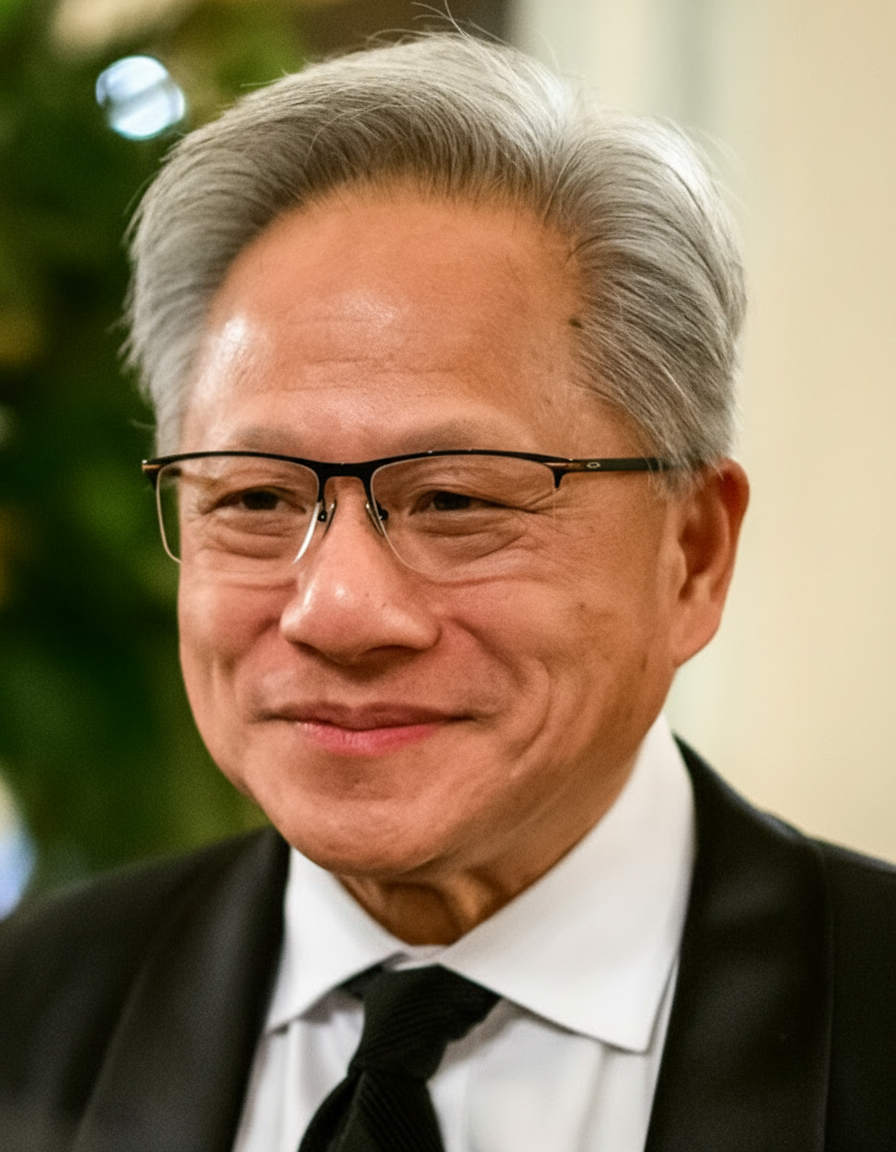
Jonathan J. Coslet
A foundational figure at TPG, Jonathan J. Coslet played a pivotal role in shaping its investment strategy and global expansion, particularly through complex and large-scale transactions.
Jonathan J. Coslet is Vice Chairman of TPG, a leading global alternative asset firm. He joined TPG in 1993 and served as a Senior Partner in its private equity group for decades, contributing significantly to its investment strategy, deal sourcing, and portfolio management across a wide range of industries. His notable transactions include the acquisitions of ON Semiconductor, Strategic Materials, and J. Crew, among others, demonstrating a keen eye for value creation in complex situations.
Biography
Accomplishments
- 01Instrumental in the formation and growth of TPG from its early stages, helping establish it as a premier global private equity firm.
- 02Led or co-led numerous significant private equity transactions, including the take-private of ON Semiconductor (1999) and the acquisition of Strategic Materials (2018), demonstrating expertise in industrial and special situations investing.
- 03Played a critical role in TPG's retail sector investments, exemplified by the acquisition of J. Crew (2011), navigating the complexities of consumer brands.
- 04Contributed to TPG's global expansion and diversification of its investment platforms beyond traditional buyouts, encompassing growth equity and impact investing.
- 05Served for decades as a Senior Partner and key member of TPG's investment committee, directly influencing the firm's capital allocation decisions.
- 06Successfully mentored generations of private equity professionals at TPG, fostering a strong talent pipeline.
Lessons for Operators
Key Takeaways
Practical lessons distilled for operators, investors, C-levels, and capital allocators.
Holistic Value Creation
Coslet's career exemplifies that true private equity value creation goes beyond leverage. It demands deep operational insight, strategic vision, and the ability to partner with management to drive fundamental business improvement. Operators should seek PE partners who bring this operational acumen.
Complexity as Opportunity
Many of TPG's successful deals under Coslet involved complex situations—carve-outs, turnarounds, niche industries. This teaches investors and operators that discomfort with complexity often means missing out on outsized, proprietary opportunities. Thorough due diligence and a clear post-acquisition plan are essential.
Patient Capital and Partnership
TPG's long tenure with many of its portfolio companies, and Coslet's own lengthy career at the firm, underscore the value of patient capital and sustained partnerships. For operators and founders, aligning with investors who have a long-term horizon can unlock greater value than those seeking quick exits.
Strategic Diversification
TPG's expansive portfolio across varied sectors (industrials, retail, tech) and investment types demonstrates the importance of strategic diversification. This mitigates market-specific risks and allows a firm to capture returns across different economic cycles and industry trends.
Leadership in Firm Development
Beyond deal-making, Coslet's role in building TPG's organizational capabilities and culture is a lesson for aspiring firm leaders. Sustainable growth in the asset management industry requires continuous investment in people, processes, and a shared strategic vision.
Frameworks & Principles
Named frameworks and strategic principles they popularized or embodied.
Operational Value Enhancement (OVE) Model
A structured approach to identify and implement operational improvements within portfolio companies, focusing on cost efficiency, revenue growth initiatives, supply chain optimization, and technological integration. This moves beyond pure financial engineering to create sustainable business value.
When to useApplicable for private equity investors during due diligence and post-acquisition, to formulate and execute strategic plans for portfolio companies. Useful for C-suite executives in identifying areas for internal improvement and growth.
Complex Deal Structuring & Execution
A framework for navigating take-privates, carve-outs from larger corporations, and special situations. It emphasizes meticulous legal, financial, and operational due diligence, robust financing structures, and clear post-closing integration plans to mitigate inherent risks.
When to useRelevant for fund managers, M&A professionals, and corporate development teams engaging in complex transactions where assets are distressed, require significant restructuring, or are part of larger corporate divestitures.
Sector-Agnostic Opportunistic Investing
An investment philosophy that prioritizes attractive risk-adjusted returns regardless of specific industry sector, focusing instead on underlying resilient business models, management quality, and identifiable catalysts for value creation. It requires deep analytical capabilities across diverse industries.
When to useBeneficial for capital allocators, fund managers, and institutional investors seeking broad market exposure and flexibility to pursue opportunities where they arise, rather than being confined by strict sector mandates.
Explore Related Titans
Other figures in the archive who share Jonathan J. Coslet's domain, geography, or era.
More in Finance & Investing










From United States








Contemporaries — born 1960s