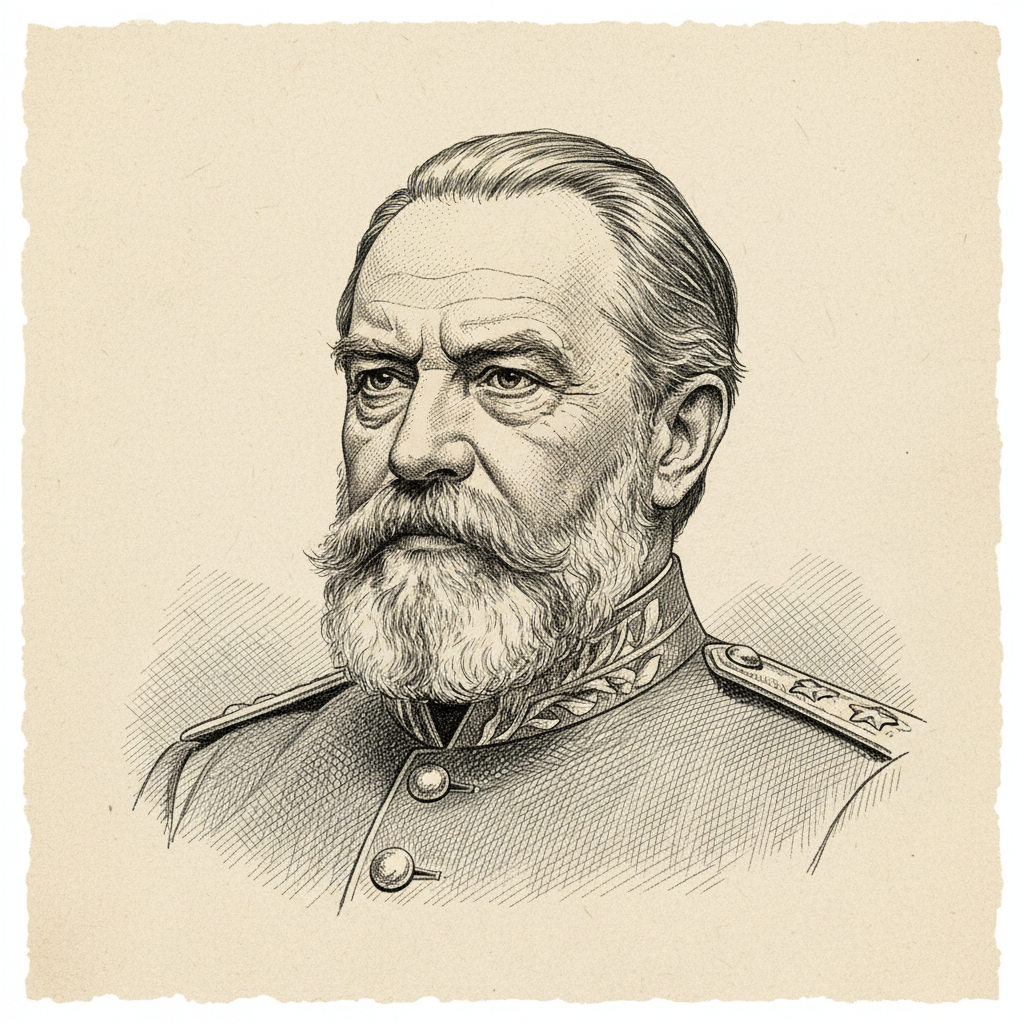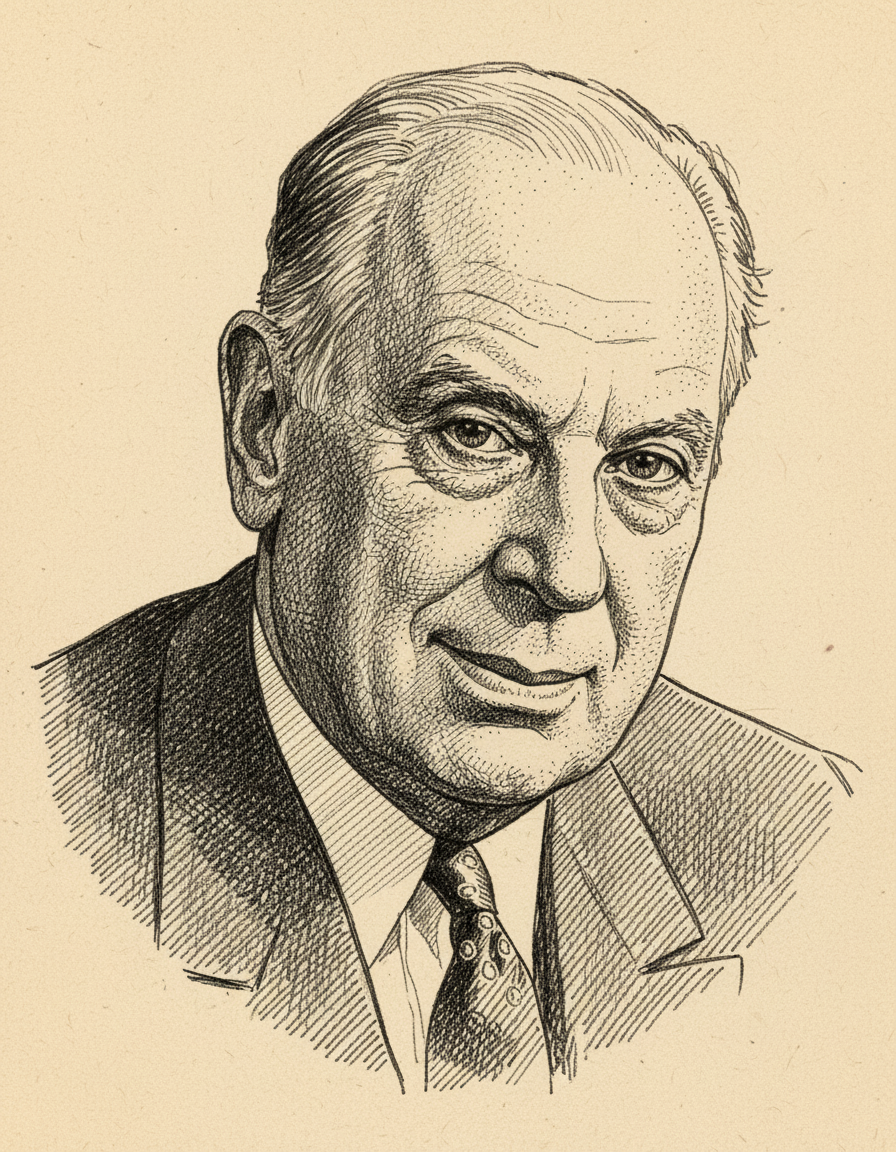
Alfred P. Sloan
Architect of Modern Corporate Management and Mass Production Diversification
Alfred P. Sloan Jr. transformed General Motors from a chaotic confederation of acquired companies into the world's largest and most profitable industrial enterprise. His organizational innovations, including decentralized operations with centralized policy control, systematic financial reporting, and product segmentation (a 'car for every purse and purpose'), established the blueprint for modern corporate management and profoundly influenced 20th-century business strategy.
Biography
Accomplishments
- 01Orchestrated General Motors' surpassing of Ford Motor Company as the world's largest automaker by the late 1920s.
- 02Developed and implemented the 'decentralized operations with coordinated control' organizational structure, becoming the standard for large corporations globally.
- 03Pioneered product line segmentation ('a car for every purse and purpose'), offering differentiated models (Chevrolet, Pontiac, Oldsmobile, Buick, Cadillac) to capture diverse market segments.
- 04Instituted annual model changes, a marketing strategy that drove consumer demand for new features and designs, creating the concept of 'planned obsolescence'.
- 05Established robust financial management systems, including sophisticated budgeting, forecasting, and return on investment (ROI) metrics for divisional performance evaluation.
- 06Integrated a strong professional management culture within GM, emphasizing data-driven decisions, strategic planning, and systematic succession planning.
- 07Successfully navigated General Motors through the challenges of the Great Depression and significantly contributed to the Allied war effort during World War II.
- 08Founded the Alfred P. Sloan Foundation in 1934, which became a significant philanthropic force in science, technology, and economic research.
Lessons for Operators
Key Takeaways
Practical lessons distilled for operators, investors, C-levels, and capital allocators.
The Power of Organizational Design
Sloan demonstrated that an effective organizational structure is a primary competitive advantage. His 'decentralized operations with coordinated control' framework allowed GM to manage complexity, foster accountability, and achieve scale unprecedented at the time, proving that structure is strategy.
Market Segmentation as a Growth Lever
Instead of a 'one size fits all' approach, Sloan's 'car for every purse and purpose' insight unlocked massive growth by catering to diverse consumer preferences and income levels. This move transformed the automotive market and established a blueprint for consumer product strategy across industries.
Financial Discipline as Foundation for Growth
Sloan instilled a culture of rigorous financial management, emphasizing ROI, budgeting, and forecasting. This discipline ensured GM's profitability and resilience through economic cycles, demonstrating that robust financial controls are essential for sustainable enterprise expansion.
The Strategic Use of Planned Obsolescence
Annual model changes, while sometimes criticized, were a powerful marketing tool that stimulated demand and differentiated GM from competitors. This illustrates how strategic product iteration and marketing can create and sustain market leadership by encouraging consumer upgrades.
Empowering Management through Autonomy and Accountability
By granting divisional managers operational autonomy while holding them accountable to clear financial targets and central strategic guidance, Sloan cultivated a cadre of motivated and effective leaders. This balance is critical for large, diversified organizations.
Visionary Leadership in Crisis
Sloan’s leadership during the Great Depression and World War II underscored his ability to adapt strategy and maintain corporate strength through severe external pressures, demonstrating the critical role of strategic foresight and resilience in executive leadership.
The Interplay of Manufacturing and Marketing
Sloan understood that manufacturing excellence alone was insufficient. He brilliantly integrated manufacturing capabilities with sophisticated marketing and product strategy to create consumer desire, effectively demonstrating the synergy required for mass-market success.
The Enduring Impact of Thought Leadership
Sloan’s ideas, particularly documented in 'My Years with General Motors', provided a foundational text for modern management theory, influencing generations of business leaders and shaping corporate practice well beyond the automotive sector.
Frameworks & Principles
Named frameworks and strategic principles they popularized or embodied.
Decentralized Operations with Coordinated Control
An organizational model where operational divisions possess significant autonomy for daily decision-making and execution, while strategic direction, financial policy, capital allocation, and long-range planning are centralized at the corporate level. Each division operates as a distinct business unit.
When to useApplicable for large, diversified corporations with multiple distinct product lines or market segments that benefit from localized operational expertise and rapid response to market changes, while maintaining overall corporate coherence, financial discipline, and strategic alignment.
Product Ladder/Segmentation Strategy ('A Car for Every Purse and Purpose')
A market strategy that involves offering a range of products designed to cater to different customer segments based on price point, features, and prestige. Products are tiered, allowing customers to 'ascend' within the brand family as their income or desires grow.
When to useEffective for companies operating in mature markets with diverse customer bases, seeking to capture market share across various income levels and preferences. It allows for differentiation beyond pure cost leadership and builds brand loyalty over a customer's lifecycle.
Annual Model Change and Planned Obsolescence
A product development and marketing strategy where products receive regular, significant updates (e.g., annually) to features, aesthetics, or performance. This encourages consumers to replace existing, still-functional products with newer versions, stimulating demand.
When to useSuitable for consumer goods industries where fashion, technology, or perceived status play a significant role in purchasing decisions. It drives repeat purchases, provides opportunities for incremental innovation, and can maintain brand excitement, but requires substantial R&D and marketing investment.
Return on Investment (ROI) as a Management Metric
A financial metric central to Sloan's management system, used to evaluate the efficiency of an investment or to compare the efficiency of different investments. Each GM division was judged on its ability to generate a satisfactory return on the capital employed.
When to useFundamental for performance evaluation, capital allocation decisions, and strategic planning in any business. It provides an objective measure for assessing the profitability and efficiency of departments, projects, or entire business units, ensuring resources are deployed effectively.
Recent Appearances
Latest interviews, keynotes, and press from the past half year.
 youtube.com
 youtube.com
 youtube.com
 youtube.com
 youtube.com
 youtube.com
 youtube.com
 youtube.com
 youtube.com
 youtube.com
 youtube.com
 youtube.com
 youtube.com
 youtube.com
 youtube.com
 youtube.com
 youtube.com
 youtube.com
 youtube.com
 youtube.com
 youtube.com
 youtube.com
 youtube.com
 youtube.com
 youtube.com
 youtube.com
 youtube.com
 youtube.com
 youtube.com
 youtube.com
 youtube.com
 youtube.com
 youtube.com
 youtube.com
 youtube.com
 youtube.com
 youtube.com
 youtube.com
 youtube.com
 youtube.com
 m.youtube.com
 youtube.com
 youtube.com
 youtube.com
 youtube.com
 youtube.com
 youtube.com
 youtube.com
 youtube.com
 youtube.com
 youtube.com
 youtube.com
 youtube.com
 youtube.com
 youtube.com
 youtube.com
 youtube.com
 youtube.com
 youtube.com
 youtube.com
 youtube.com
 youtube.com
 youtube.com
 youtube.com
 youtube.com
 youtube.com
 youtube.com
 youtube.com
 youtube.com
 youtube.com
 youtube.com
 youtube.com
 youtube.com
 youtube.com
 youtube.com
 youtube.com
 youtube.com
 youtube.com
 youtube.com
 youtube.com
 youtube.com
 youtube.com
 youtube.com
 youtube.com
 youtube.com
 youtube.com
 youtube.com
 youtube.com
 youtube.com
 youtube.com
 youtube.com
 m.youtube.com
 youtube.com
 youtube.com
 youtube.com
 youtube.com
 m.youtube.com
 youtube.com
 m.youtube.com
 youtube.com
 youtube.com
 youtube.com
 youtube.com
 youtube.com
 youtube.com
 youtube.com
 youtube.com
 youtube.com
 youtube.com
 m.youtube.com
 youtube.com
 m.youtube.com
Sources & Further Reading
Profiles, interviews, podcasts, and articles used to compile and verify this entry. Each link opens at the original publisher.
Explore Related Titans
Other figures in the archive who share Alfred P. Sloan's domain, geography, or era.
More in Transportation & Logistics







From United States






Contemporaries — 19th century