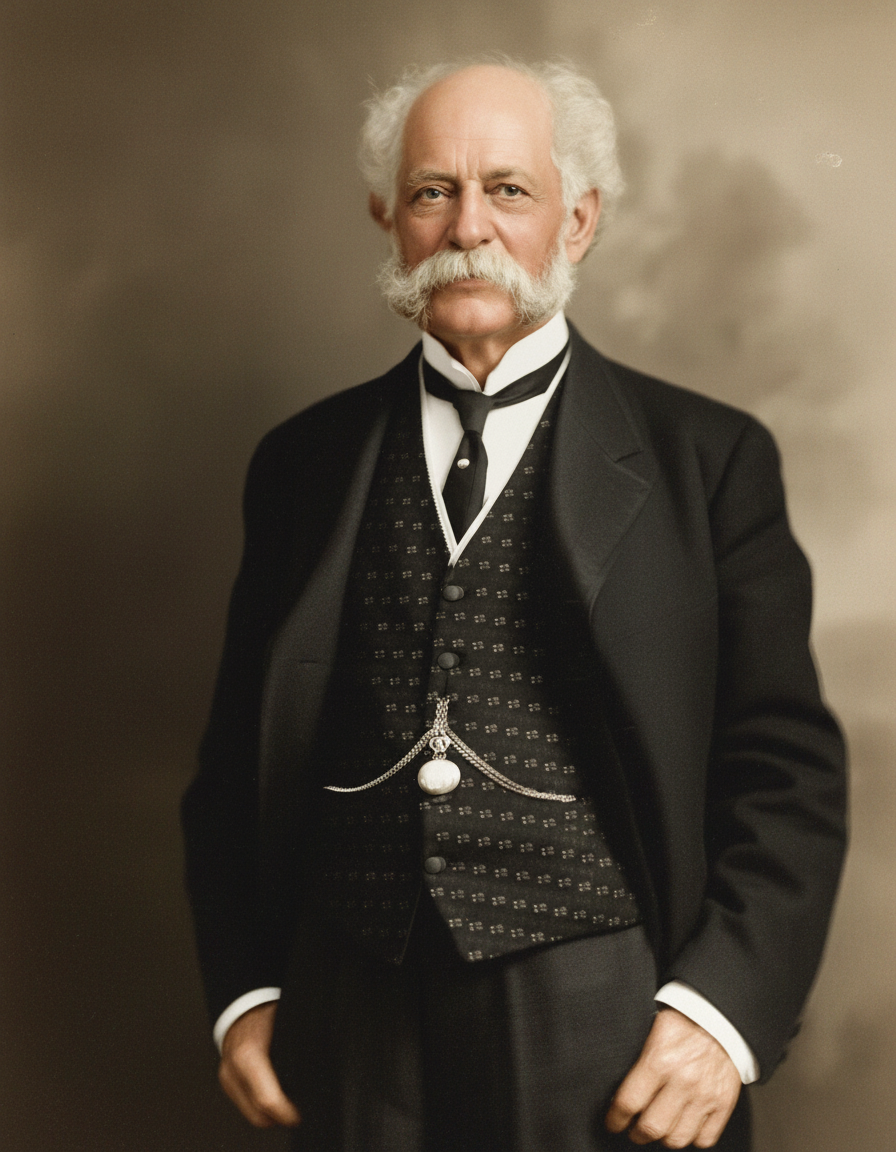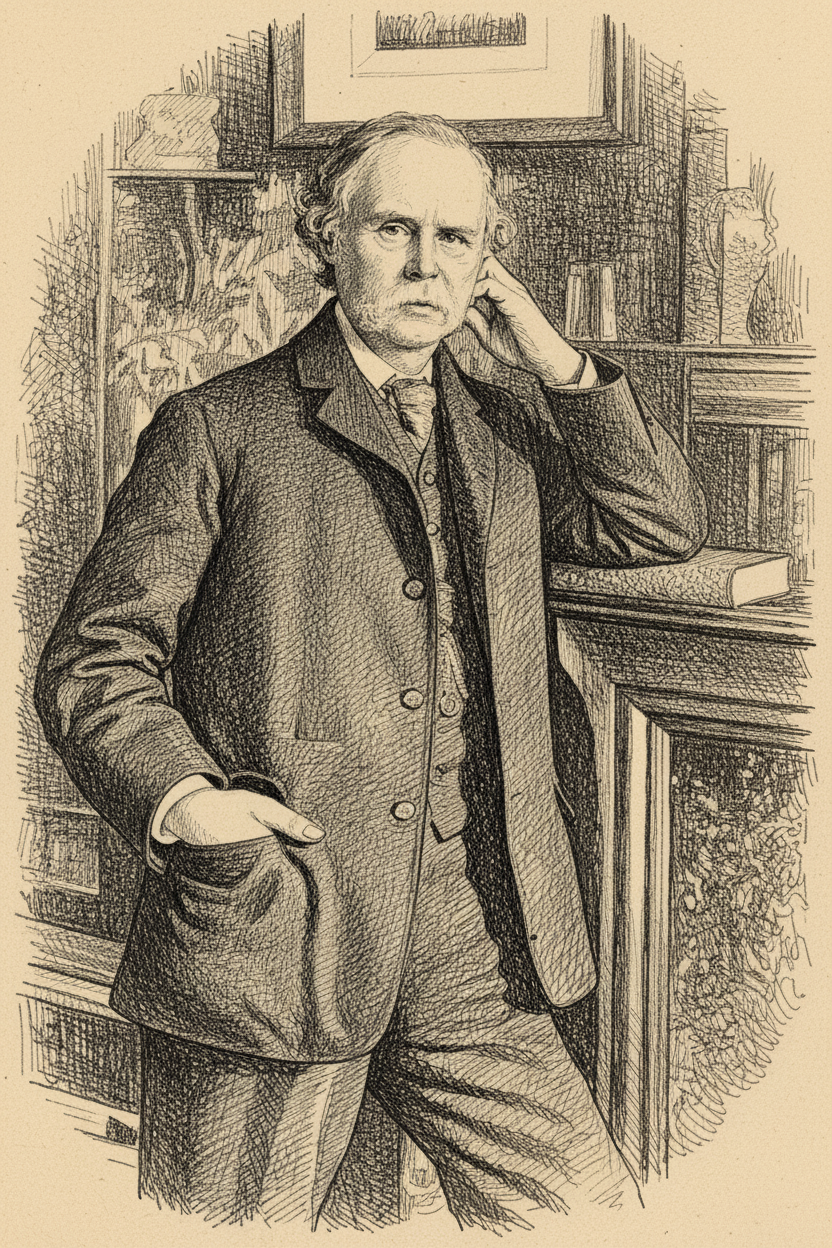
Alfred Marshall
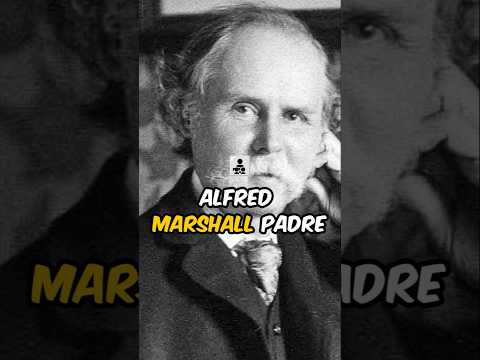
Alfred Marshall synthesized classical economic thought into a coherent framework, establishing microeconomics and marginal analysis as cornerstones of modern economic theory.
Alfred Marshall (1842-1924) was a preeminent British economist who, through his seminal work 'Principles of Economics' (1890), systematically integrated the theories of supply and demand, marginal utility, and costs of production. He founded the neoclassical school of economics, emphasizing equilibrium analysis and the interplay of time periods in economic decisions. As Professor of Political Economy at Cambridge University, he profoundly influenced generations of economists, shaping the discipline's analytical tools and pedagogical approach.
Biography
Accomplishments
- 01Published 'Principles of Economics' (1890), consolidating and extending classical and marginalist theories into a comprehensive framework.
- 02Developed and popularized key microeconomic concepts such as supply and demand curves, marginal utility, elasticity, and consumer/producer surplus.
- 03Established the 'neoclassical synthesis,' integrating value theory based on both marginal utility (demand) and costs of production (supply).
- 04Introduced the analytical distinction between market period, short run, and long run in economic analysis, crucial for understanding firm behavior and market adjustments.
- 05Served as Professor of Political Economy at Cambridge University (1885-1908), founding the Cambridge School of economics and shaping generations of economists.
- 06Played a key role in the professionalization of economics as an academic discipline, separate from moral sciences, establishing dedicated economics tripos (degree programs).
Lessons for Operators
Key Takeaways
Practical lessons distilled for operators, investors, C-levels, and capital allocators.
The Power of Synthesis
Marshall's genius lay in his ability to integrate fragmented theories into a unified system. For business leaders, this means actively seeking connections between different departments, market signals, and strategic objectives to build a cohesive organizational vision and operational plan.
Marginal Thinking for Optimal Outcomes
Every business decision, from scaling production to hiring, involves trade-offs. Applying marginal analysis – comparing the additional cost of an action to its additional benefit – provides a rigorous framework for optimizing resource allocation and maximizing profitability at the enterprise level.
Time Matters in Market Analysis
The distinction between short-run and long-run equilibrium highlights that immediate market responses may differ significantly from sustained trends. Investors and C-levels must consider both immediate impacts and long-term implications when evaluating market opportunities, competitive threats, and strategic investments.
Understanding Elasticity Drives Pricing Strategy
Knowing how sensitive customers are to price changes (price elasticity of demand) is a powerful tool. Companies can use this insight to set optimal prices, forecast revenue under different scenarios, and design effective promotional strategies that capture market share without eroding margins excessively.
The Interconnectedness of Supply and Demand
Marshall demonstrated that value is not determined by supply or demand alone, but by their interaction. Enterprise leaders must continually monitor both production capabilities (supply) and consumer needs/preferences (demand) to identify market opportunities, manage inventory, and avoid over- or under-supply.
The Role of Externalities and Agglomeration
Marshall's concept of 'external economies' (e.g., skilled labor pools, specialized suppliers in an industrial district) underpins modern understanding of cluster benefits. Businesses seeking growth should evaluate the advantages of locating within or creating industry clusters to leverage shared resources and knowledge spill-overs.
Frameworks & Principles
Named frameworks and strategic principles they popularized or embodied.
Supply and Demand Analysis
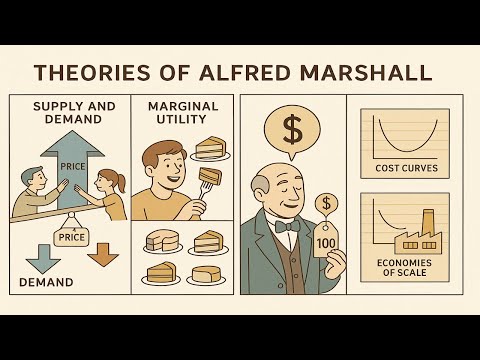
Marshall formally integrated and depicted supply and demand curves, showing how their intersection determines market price and quantity (equilibrium). He illustrated how shifts in these curves due to changes in consumer preferences, costs, or technology alter market outcomes.
When to useApplicable for analyzing market pricing, forecasting sales, assessing competitive impacts, and understanding how external factors (e.g., interest rate changes, new regulations) influence a company's market position. Essential for pricing strategy, inventory management, and market entry/exit decisions.
Marginal Utility and Marginal Cost
This framework posits that rational agents make decisions at the margin, comparing the additional satisfaction (utility) or revenue from one more unit with the additional cost of producing or acquiring that unit. Optimization occurs when marginal benefit equals marginal cost.
When to useCrucial for internal operational decisions: determining optimal production levels, hiring decisions (marginal product of labor), marketing spend optimization, and capital expenditure evaluation. Used by fund managers to evaluate the incremental return on investment for additional capital deployment.
Elasticity of Demand/Supply
Elasticity measures the responsiveness of quantity demanded or supplied to a change in price, income, or other related factors. Marshall showed how elasticity varies across different goods and situations, influencing revenue outcomes for firms.
When to useIndispensable for pricing strategies, revenue forecasting, and understanding market power. Businesses use it to predict how price changes will affect total revenue, to anticipate consumer responses to promotions, and to segment markets based on consumer sensitivity to price.
Short-Run vs. Long-Run Analysis
Marshall distinguished between time periods where some inputs (e.g., capital) are fixed (short-run) and periods where all inputs are variable (long-run). This distinction is fundamental to understanding a firm's cost structure, supply response, and capacity planning.
When to useEssential for strategic planning, capacity expansion decisions, and investment appraisal. Investors use it to assess the adaptability and long-term competitiveness of companies, distinguishing between temporary market fluctuations and permanent shifts in cost structures or demand.
Recent Appearances
Latest interviews, keynotes, and press from the past half year.
 youtube.com
 youtube.com
 youtube.com
 youtube.com
 youtube.com
 youtube.com
 youtube.com
 youtube.com
 youtube.com
 youtube.com
 youtube.com
 youtube.com
 youtube.com
 youtube.com
 youtube.com
 youtube.com
 youtube.com
 youtube.com
 youtube.com
 youtube.com
 youtube.com
 youtube.comyoutube.com
 youtube.com
 youtube.com
 youtube.com
 youtube.com
 youtube.com
 youtube.com
 youtube.com
 youtube.com
 youtube.com
 youtube.com
 youtube.com
 youtube.com
 youtube.com
 youtube.com
 youtube.com
 youtube.com
 youtube.com
 youtube.com
 m.youtube.com
 youtube.com
 youtube.com
 youtube.com
 youtube.com
 youtube.com
 youtube.com
 youtube.com
 youtube.com
 youtube.com
 youtube.com
 youtube.com
 youtube.com
 youtube.com
 youtube.com
 youtube.com
 youtube.com
 youtube.com
 youtube.com
 youtube.com
 youtube.com
 youtube.com
 youtube.com
 youtube.com
 youtube.com
 youtube.com
 youtube.com
 youtube.com
 youtube.com
 youtube.com
 youtube.com
 youtube.com
 youtube.com
 youtube.com
 youtube.com
 youtube.com
 youtube.com
 youtube.com
 youtube.com
 youtube.com
 youtube.com
 youtube.com
 youtube.com
 youtube.com
 youtube.com
 youtube.comyoutube.com
 youtube.com
 youtube.com
 youtube.com
 youtube.com
 youtube.com
 youtube.com
 youtube.com
 youtube.com
 m.youtube.com
 youtube.com
 youtube.com
 youtube.com
 m.youtube.com
 m.youtube.com
 youtube.com
 m.youtube.com
 youtube.com
 youtube.com
 youtube.com
 youtube.com
 m.youtube.com
 youtube.com
 youtube.com
 youtube.com
 youtube.com
 m.youtube.com
 youtube.com
 m.youtube.com
 youtube.com
 youtube.com
 youtube.com
 youtube.com
 youtube.com
 youtube.com
 youtube.com
 youtube.com
 youtube.com
 youtube.com
 youtube.com
 youtube.com
 youtube.com
 youtube.com
 youtube.com
 m.youtube.com
 youtube.com
 m.youtube.com
 youtube.com
 youtube.com
 youtube.com
 youtube.com
 youtube.com
 youtube.com
 youtube.com
 youtube.com
 youtube.comm.youtube.com
Sources & Further Reading
Profiles, interviews, podcasts, and articles used to compile and verify this entry. Each link opens at the original publisher.
Explore Related Titans
Other figures in the archive who share Alfred Marshall's domain, geography, or era.
More in Other










From United Kingdom








Contemporaries — 19th century