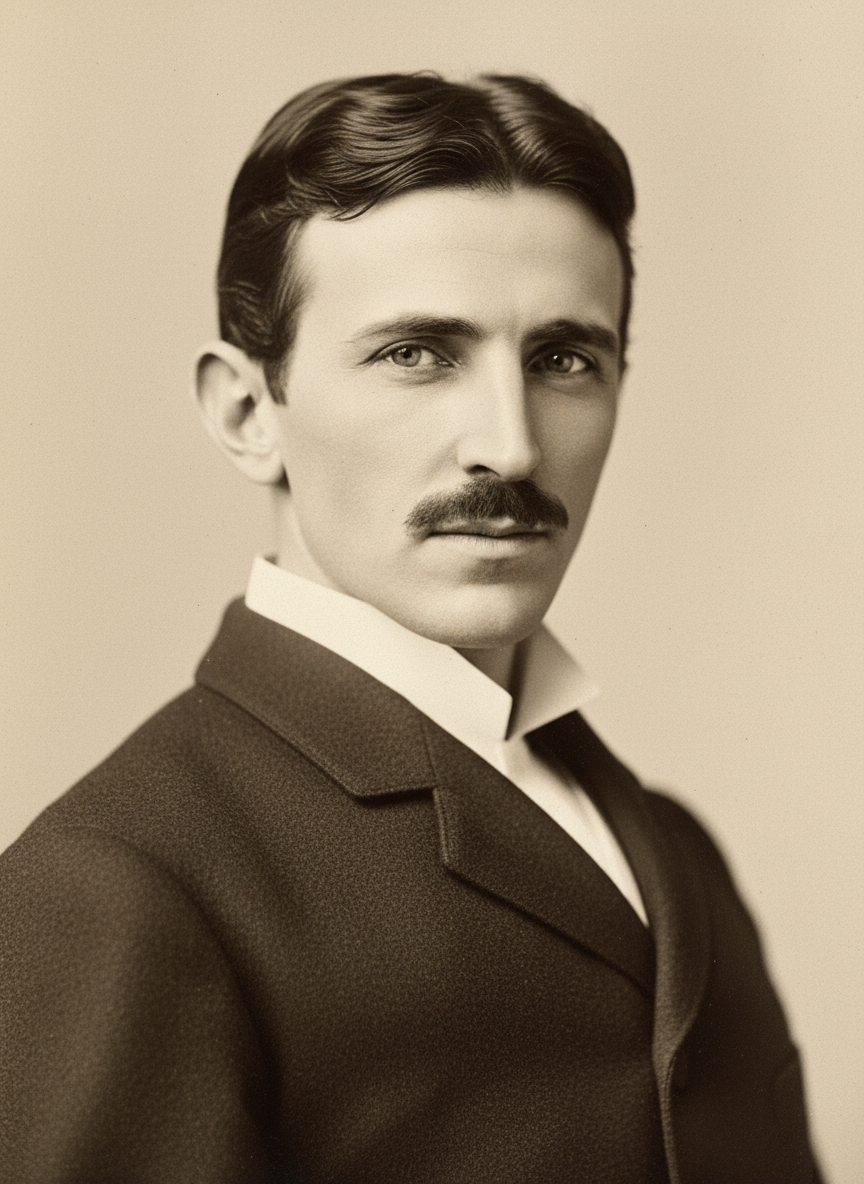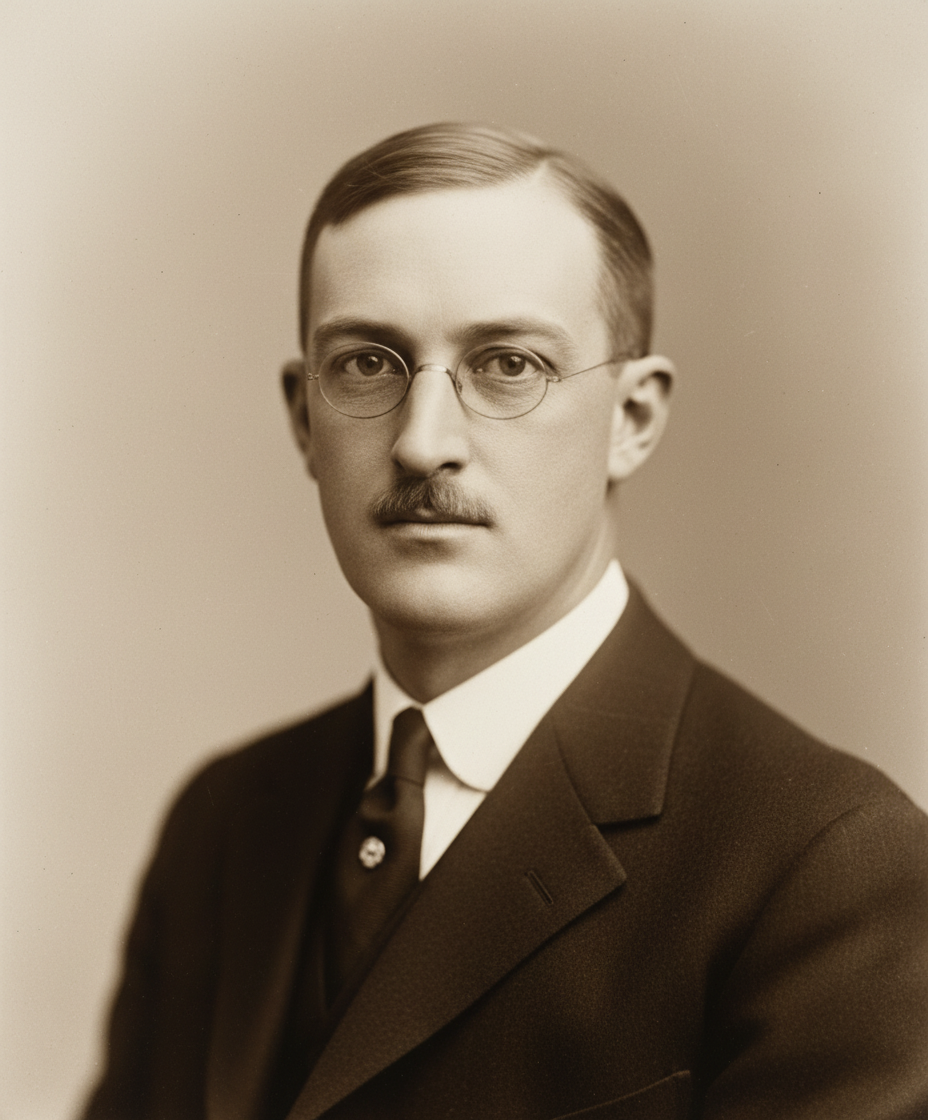
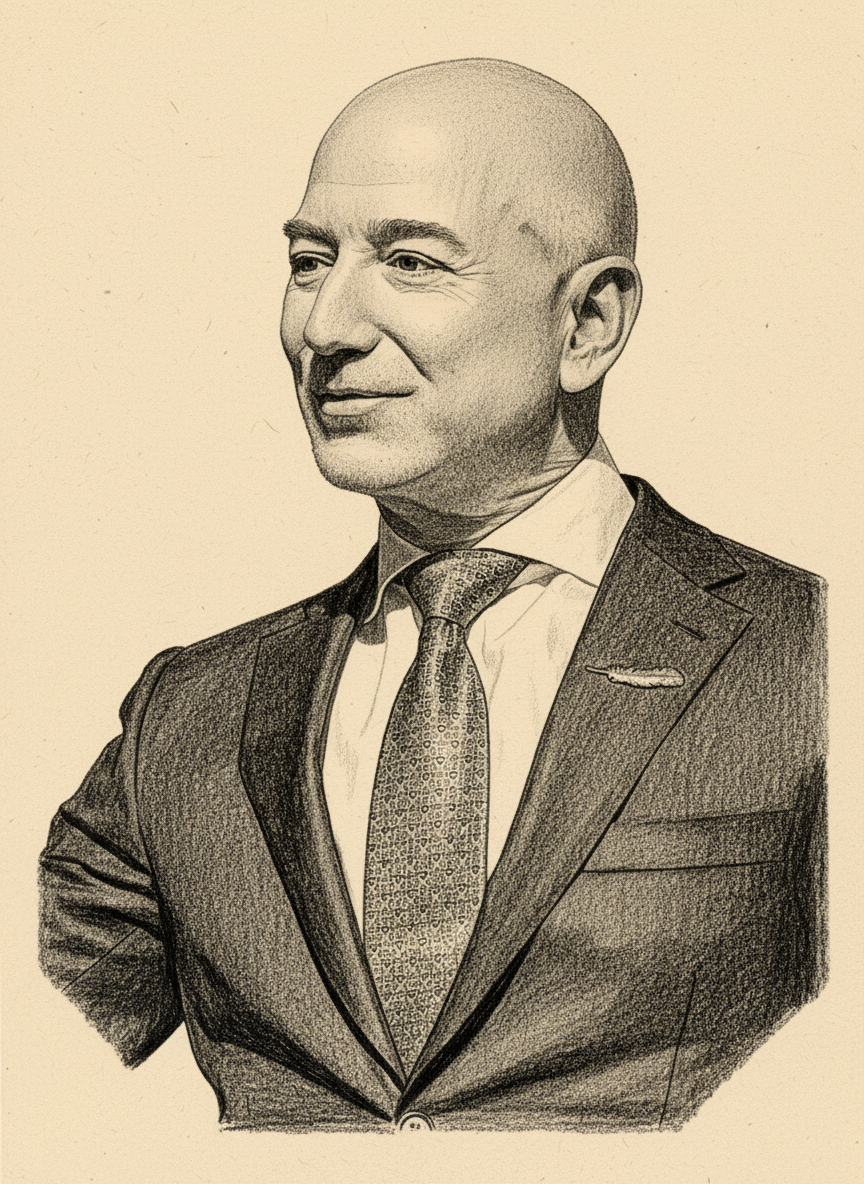
William Boeing
Pioneered industrial aviation by transforming timber-derived capital and materials into a vertically integrated global aerospace titan.
William Edward Boeing leveraged his early fortune in Pacific Northwest timber to enter early aviation, incorporating Pacific Aero Products Co. in 1916. By pairing advanced engineering with aggressive vertical integration, he scaled Boeing Airplane Company into an industrial powerhouse that dominated early airmail, military contracts, and commercial flight before federal antitrust action dissolved his conglomerate in 1934.
Biography
Accomplishments
- 01Incorporated Pacific Aero Products Co. in 1916 (renamed Boeing Airplane Company in 1917), developing high-specification seaplanes and pursuit craft for the U.S. military.
- 02Formed Boeing Air Transport in 1927 to win the CAM 18 San Francisco-to-Chicago airmail route, successfully pioneering night transcontinental flight and integrated passenger logistics.
- 03Engineered the Model 40A in 1927 and Model 247 in 1933; the 247 introduced the modern commercial airliner paradigm with all-metal semi-monocoque construction, cantilever wings, and retractable landing gear.
- 04Engineered the 1929 mega-merger creating the United Aircraft and Transport Corporation (UATC), uniting airframes, Pratt & Whitney engines, propellers, and airline operations.
- 05Maintained solvency and preserved capital through the 1919 post-WWI demobilization by pivoting production lines to high-end furniture and commercial sea sleds.
Lessons for Operators
Key Takeaways
Practical lessons distilled for operators, investors, C-levels, and capital allocators.
Dual-Revenue Product Design
Design capital assets to harvest multiple revenue streams simultaneously. The Boeing Model 40A was specifically drafted to satisfy federal airmail volume requirements on fuel-efficient Pratt & Whitney engines while reserving surplus cabin space for high-margin passenger transport.
Industrial Flex-Capacity Survival
When wartime demand collapsed by over 90% in late 1918, Boeing avoided liquidation by refusing to fire master woodworkers and engineers. Instead, he transitioned the shop floor to furniture, sea sleds, and structural timber fabrication until military and commercial air contracts re-emerged.
Radical Modular Architecture
The 1933 Boeing 247 eradicated biplane configurations via all-metal monocoque construction, twin engines, variable-pitch propellers, and pneumatic de-icing boots. Setting industry technical benchmarks creates immediate economic moats, rendering competitor fleets obsolete.
Vertical Aggregation Vulnerability
Consolidating supply chains (airframe, propulsion, operations) delivers hyper-efficient capital deployment, but compounds sovereign regulatory risk. UATC's vertical lock-in directly triggered the 1934 Air Mail Act, forcing a tripartite corporate breakup into Boeing, United Aircraft (later United Technologies), and United Air Lines.
Frameworks & Principles
Named frameworks and strategic principles they popularized or embodied.
The Counter-Cyclical Asset Bridge
An operational continuity framework wherein specialized manufacturing capacity (labor, tooling, facilities) is immediately assigned to counter-cyclical or adjacent consumer industries during severe demand contractions, preserving the high-skill core until macro recovery occurs.
When to useUse during sudden, severe demand shocks in deep-tech, defense, or high-capex hardware sectors where rehiring and re-certifying engineering talent post-downturn would be cost-prohibitive.
Full-Stack Value Chain Integration
A market-capture model that unites raw component development (engines), final assembly (airframes), and the ultimate distribution or operational network (airlines) under common ownership to optimize platform compatibility, capture end-to-end margins, and erect structural barriers to entry.
When to useUse during the formative era of capital-intensive, high-technology industries where the lack of standardized external component suppliers creates systemic operational bottlenecks.
Sources & Further Reading
Profiles, interviews, podcasts, and articles used to compile and verify this entry. Each link opens at the original publisher.
Explore Related Titans
Other figures in the archive who share William Boeing's domain, geography, or era.
More in Transportation & Logistics








From United States








Contemporaries — 19th century