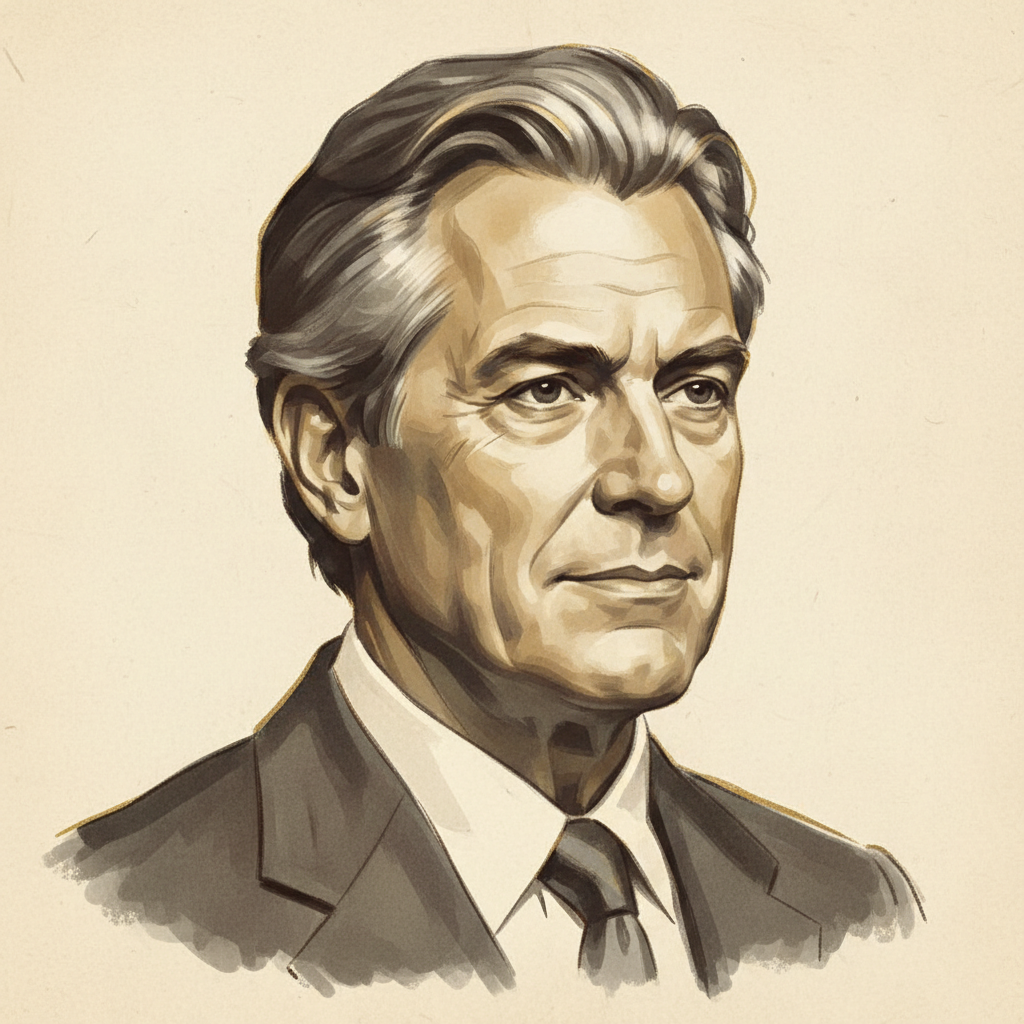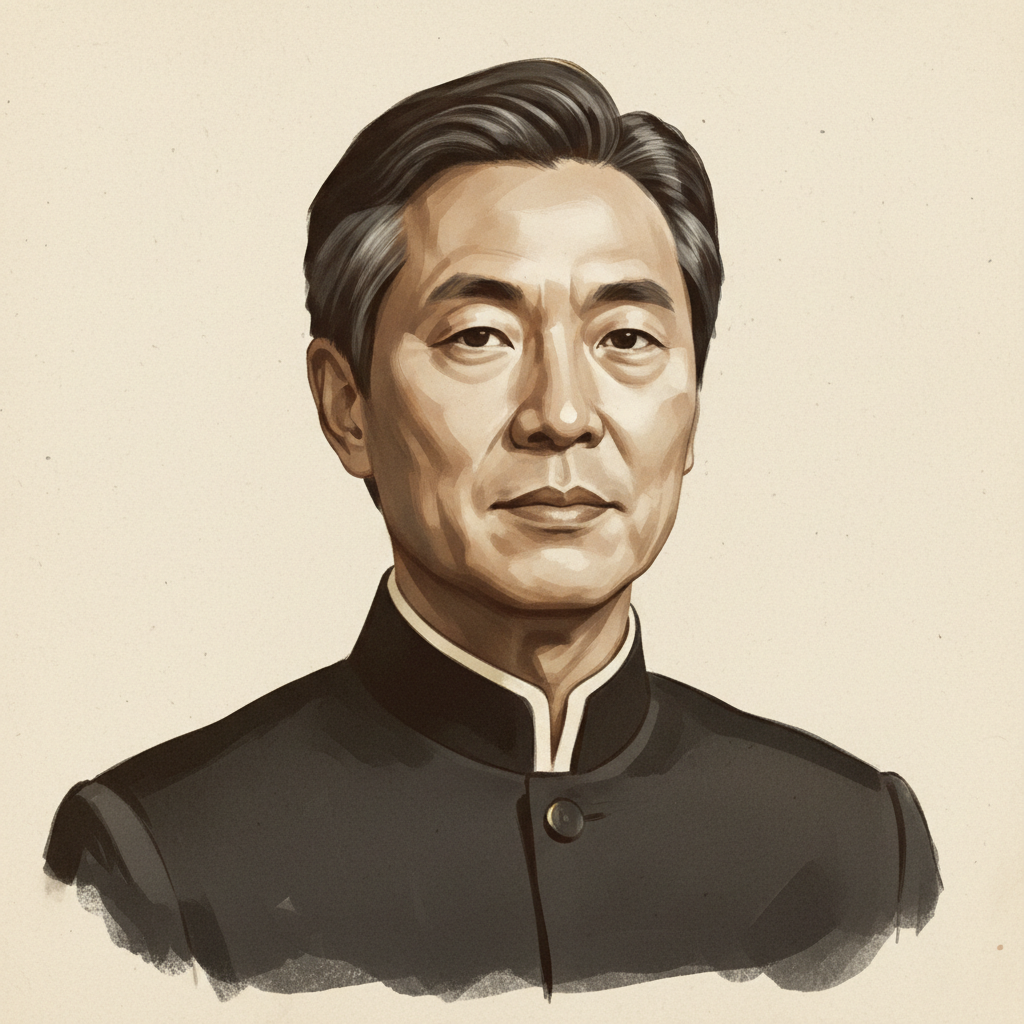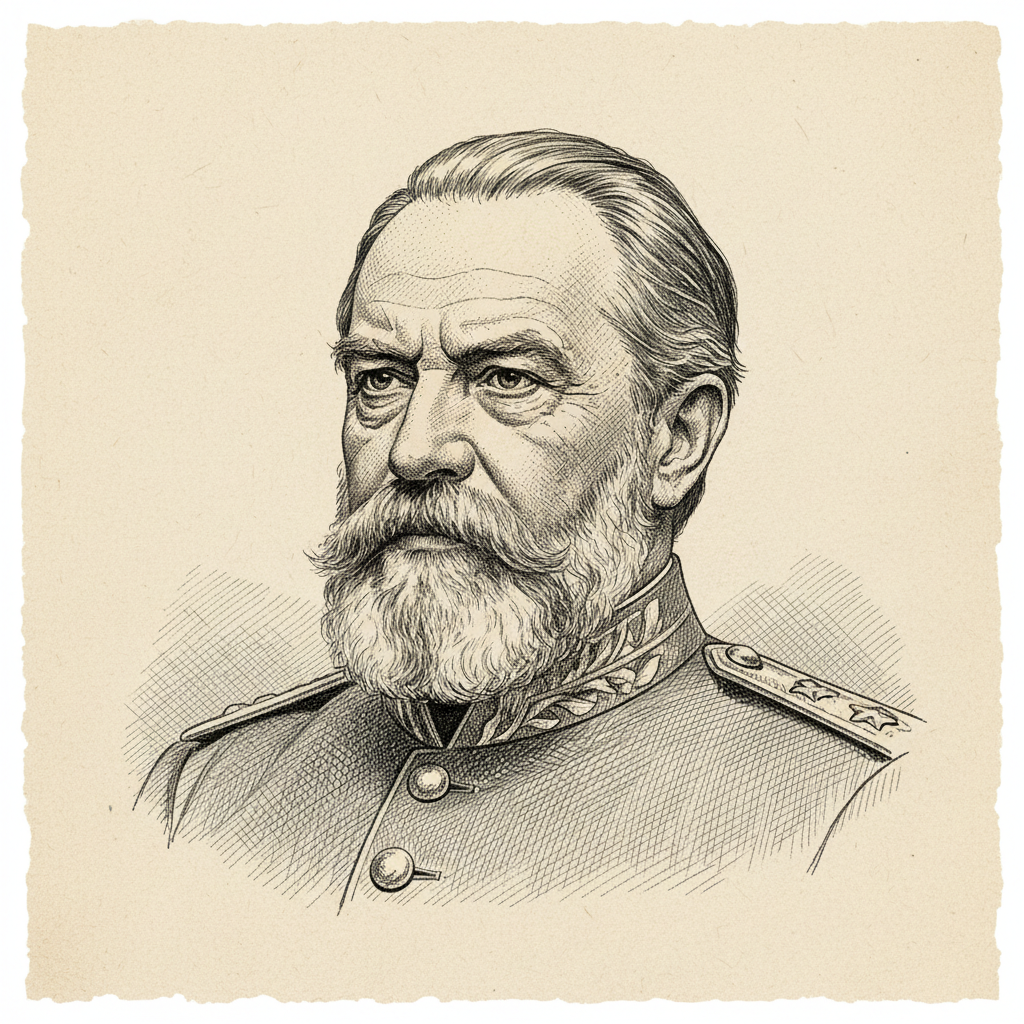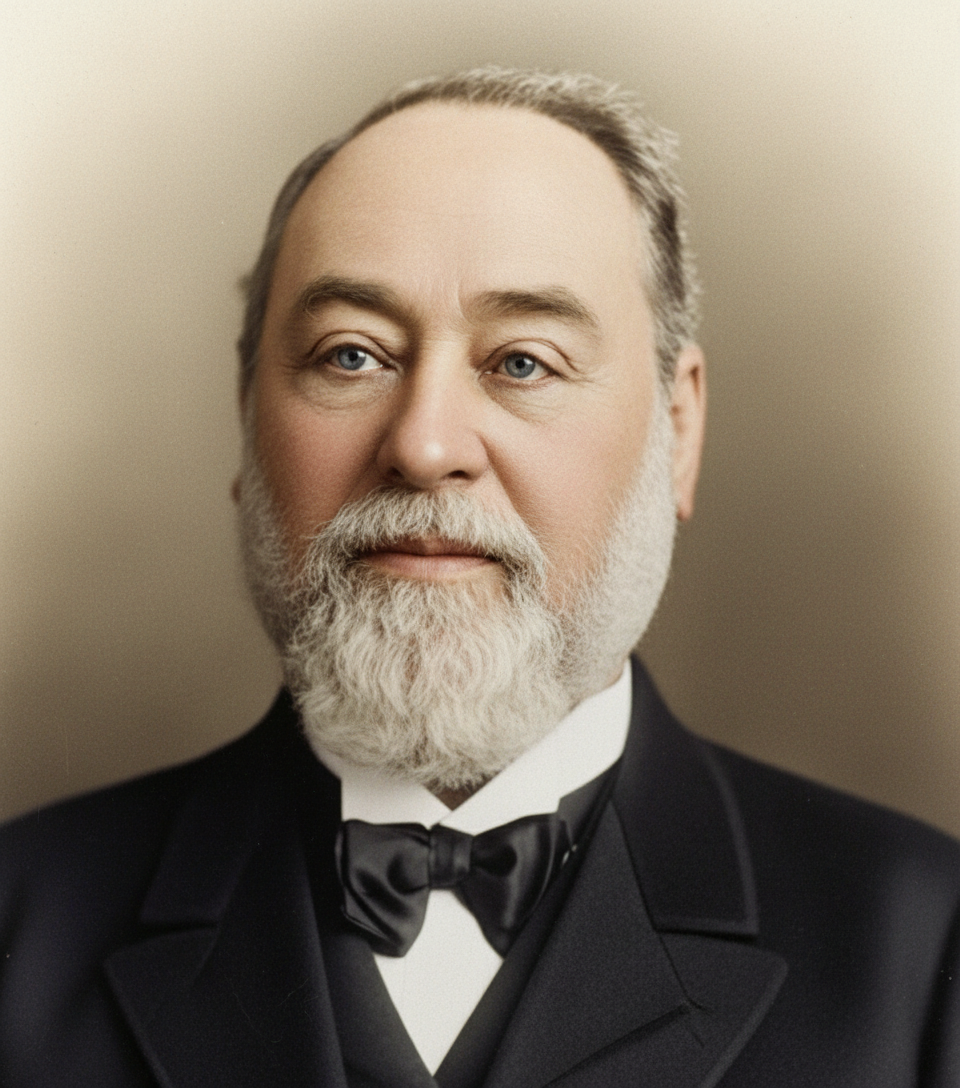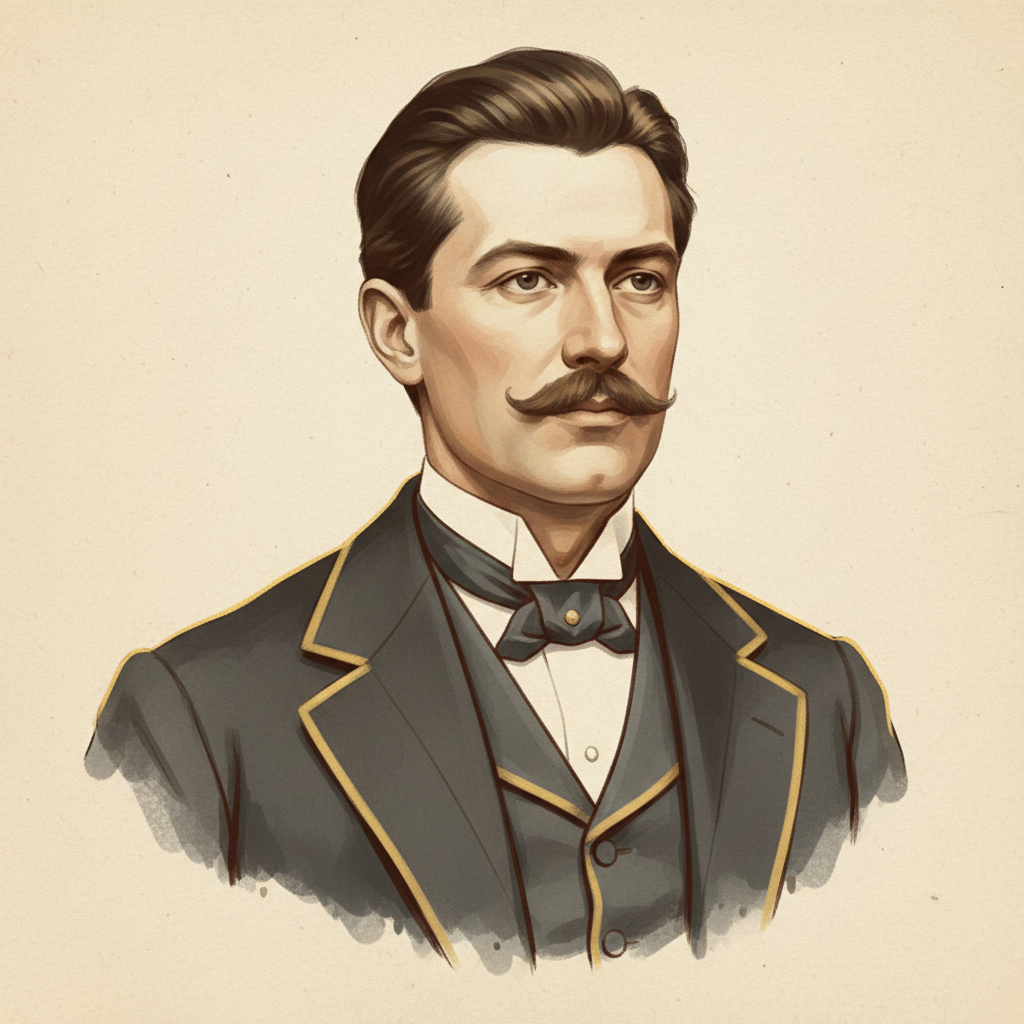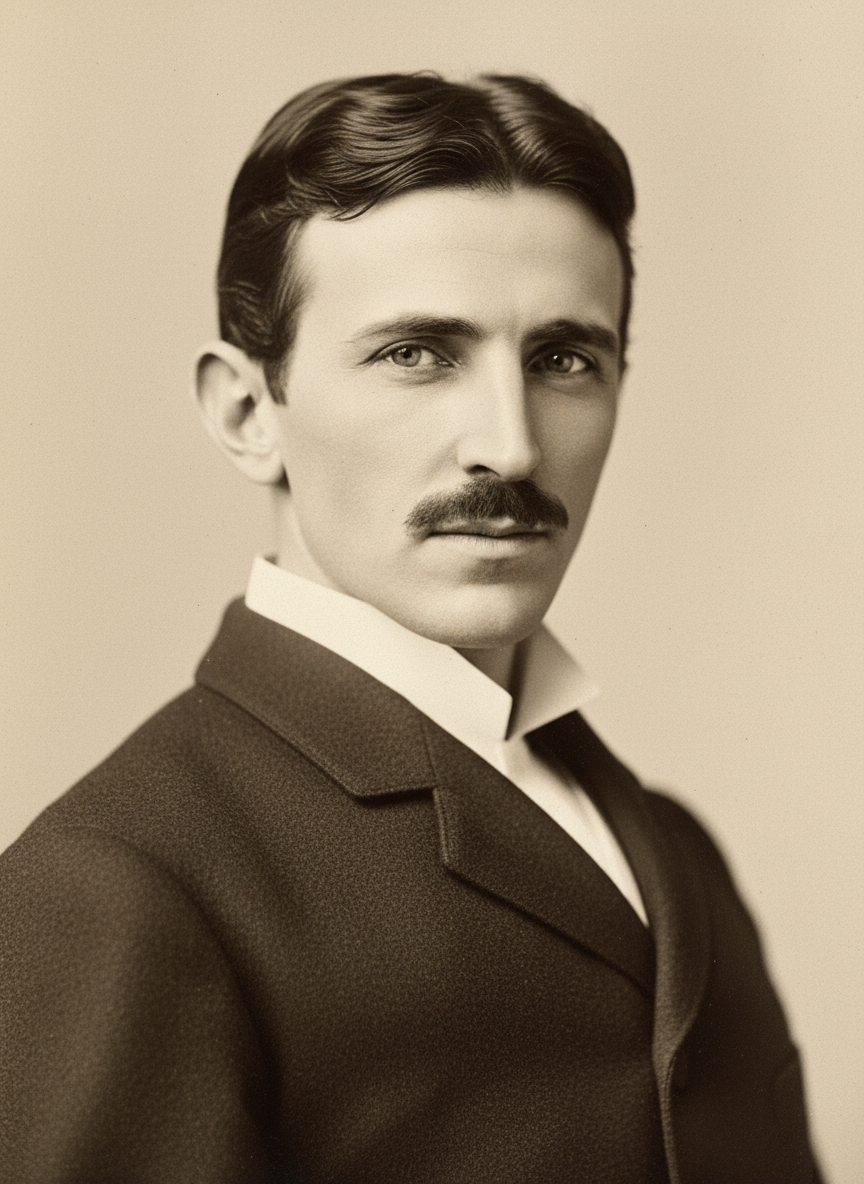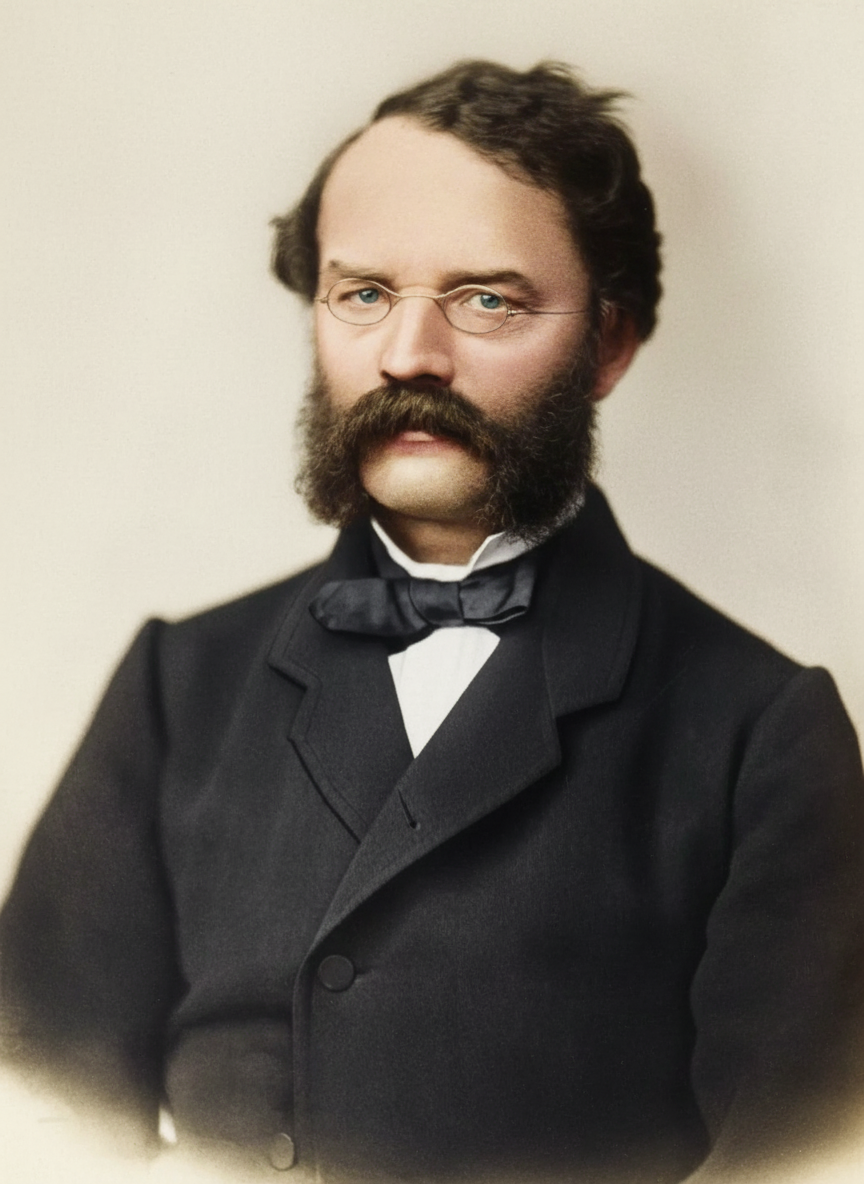
Portrait of Werner von Siemens
Historical Mind · 1816 — 1892

Werner von Siemens

Pioneered electrical engineering and transatlantic telecommunications, transforming laboratory physics into global industrial infrastructure.

Country
Germany
Continent
Europe
Industry
Electrical Engineering & Telecommunications
Role
Founder, Inventor & Chief Engineer

Ernst Werner von Siemens was a Prussian artillery officer, inventor, and entrepreneur who laid the foundation for modern electrical engineering. In 1847, he co-founded Telegraphen-Bauanstalt von Siemens & Halske, capitalizing on his patent for the pointer telegraph. Over four decades, he expanded the enterprise from a boutique Berlin workshop into an international conglomerate by pioneering seamless gutta-percha cable insulation, discovering the dynamo-electric principle, and constructing critical global communications infrastructure such as the Indo-European telegraph line.

Biography

Born into an impoverished tenant-farming family in Lenthe near Hanover, Werner von Siemens lacked the capital for formal university education, prompting him to join the Prussian Artillery Corps in 1835 to access free scientific and mathematical training at the Berlin Military Academy. While serving as an officer, he conducted chemical and electrical experiments in prison after being detained for acting as a second in a duel, resulting in his first commercial patent for an electroplating process in 1842. Recognizing the limitations of contemporary telegraphy, Siemens redesigned the Wheatstone dial telegraph into a self-interrupting pointer telegraph that automatically synchronized sender and receiver mechanisms. In October 1847, partnering with master mechanician Johann Georg Halske and financed by his cousin Johann Georg Siemens, he founded Telegraphen-Bauanstalt von Siemens & Halske. Siemens quickly secured a competitive moat by inventing a machine to apply gutta-percha—a natural latex resin—seamlessly around copper wire, solving the fatal insulation issues that plagued subterranean cables. The firm secured major Prussian government contracts, building the Berlin-Frankfurt telegraph line in 1848, but bureaucratic politics soon curtailed domestic military orders. Siemens responded with aggressive internationalization, deploying his brothers Carl to St. Petersburg and William to London. Carl built the vast Russian telegraph network during the Crimean War, while William developed Siemens Brothers into an English manufacturing powerhouse that ultimately commissioned the custom-built cable-laying steamship CS Faraday. In 1866, Werner made his most consequential scientific breakthrough: the discovery and practical realization of the dynamo-electric principle. By proving that mechanical energy could be directly converted into electrical current using the armature's own residual magnetism, he eliminated the reliance on fragile, expensive galvanic batteries, inaugurating the age of heavy electrical engineering. Siemens capitalized on this innovation by unveiling the world's first electric railway at the 1879 Berlin Trades Exposition, launching the first commercial electric streetcar in Lichterfelde in 1881, and commercializing electric elevators and dynamos across global industry. Throughout this expansion, Siemens instituted forward-looking corporate governance: establishing an internal profit-sharing program in 1858 and a company pension fund in 1872 to retain elite engineering talent and mitigate industrial labor agitation. In 1887, he donated substantial capital and land to co-found the Physikalisch-Technische Reichsanstalt alongside physicist Hermann von Helmholtz, institutionalizing state-backed metrology and basic research to support German high-tech industry. Elevated to the hereditary nobility by Emperor Friedrich III in 1888, Siemens retired from active management in 1890, leaving an institutionalized, multinational engineering empire that served as the backbone of European industrial power.

Accomplishments

  • 01Invented the self-interrupting pointer telegraph (1846) and founded Telegraphen-Bauanstalt von Siemens & Halske (1847).
  • 02Engineered the seamless press method for gutta-percha wire insulation, making long-distance subterranean and undersea telegraphy viable.
  • 03Formulated and commercialized the dynamo-electric principle (1866), decoupling electrical generation from chemical batteries.
  • 04Engineered and constructed the 11,000 km Indo-European Telegraph Line connecting London to Calcutta via Tehran (completed 1870).
  • 05Designed and commissioned the CS Faraday (1874), a purpose-built cable-laying ship that installed multiple direct transatlantic telegraph cables.
  • 06Constructed the world's first public commercial electric tramway in Groß-Lichterfelde near Berlin (1881).
  • 07Co-founded and funded the Physikalisch-Technische Reichsanstalt (1887), creating the global benchmark for industrial metrology and standardization.

Lessons for Operators

Vertical integration from materials science to field deployment mitigates systemic supply chain vulnerabilities in frontier technologies.
Treat basic scientific research as an offensive commercial asset rather than a speculative expense.
Internationalize through trusted, equity-aligned regional leaders to navigate foreign sovereign risks without diluting core operational standards.
Retain critical institutional knowledge and defuse labor radicalism by institutionalizing performance-linked profit-sharing and capital-backed pensions.
De-risk massive infrastructure projects by designing specialized capital equipment in-house when public markets lack adequate tooling.
The Operator's Playbook

Key Takeaways

Practical lessons distilled for operators, investors, C-levels, and capital allocators.

Lesson 01

Platform Evolution via Fundamental Physics

Siemens avoided the low-margin trap of commodity manufacturing by translating physical laws into proprietary industrial systems, shifting the company from low-voltage communications (telegraphs) to high-voltage power (dynamos, grids, transit).

Lesson 02

Decentralized Dynastic Hubs

By placing sovereign business units under trusted operators (his brothers Carl in Russia and William in Britain), Siemens managed foreign political dependencies, localized government contracts, and diversified sovereign currency risk.

Lesson 03

Control of Critical Tooling

When third-party maritime contractors repeatedly severed deep-sea cables, Siemens designed, financed, and operated its own specialized cable-laying ship (CS Faraday), securing operational autonomy over the value chain.

Lesson 04

Preemptive Welfare Capitalism

Long before statutory mandates, Siemens established a pension, widow, and orphan fund (1872) and an inventory-based bonus scheme, driving multi-decade employee retention and safeguarding trade secrets during intense industrial competition.

Mental Models

Frameworks & Principles

Named frameworks and strategic principles they popularized or embodied.

01

The Science-to-Infrastructure Pipeline

A commercialization engine that systematically converts laboratory physics into standardized, capital-intensive infrastructure. It requires three steps: 1) identifying an unoptimized physical phenomenon (e.g., electro-magnetism); 2) solving the materials bottleneck in-house (e.g., gutta-percha insulation); and 3) constructing the entire delivery system (from manufacturing dynamos to laying municipal grids) rather than selling isolated components.

When to useUse when entering a nascent technological domain where customer adoption is blocked by absent standards, fragile supply chains, or lack of complementary system infrastructure.

02

Sovereign-Aligned Subsidiary Architecture

An international expansion model where foreign branches are established as distinct, locally incorporated corporate entities led by deeply aligned partners who integrate into the host nation's political, scientific, and industrial elite. These units share core intellectual property but execute independent capital procurement, government lobbying, and customized regional engineering.

When to useUse when expanding capital-intensive, critical infrastructure platforms into sovereign markets with high regulatory scrutiny, state procurement monopolies, or geopolitical tensions.

Citations

Sources & Further Reading

Profiles, interviews, podcasts, and articles used to compile and verify this entry. Each link opens at the original publisher.

Adjacent Minds

Explore Related Titans

Other figures in the archive who share Werner von Siemens's domain, geography, or era.

Technology

More in Technology

Browse all →
Portrait of Steve Jobs
USA / TECHNOLOGY
Steve Jobs
Co-founder of Apple Inc. and visionary credited with transforming multiple industries.
Portrait of Jeff Bezos
UNITED STATES / TECHNOLOGY, RETAIL, LOGISTICS, CLOUD COMPUTING, SPACE EXPLORATION
Jeff Bezos
Architect of Amazon, pioneer of e-commerce, and visionary across cloud computing, logistics, and space exploration.
Portrait of Elon Musk
SOUTH AFRICA / AEROSPACE, AUTOMOTIVE, ARTIFICIAL INTELLIGENCE, ENERGY, TELECOMMUNICATIONS
Elon Musk
Elon Reeve Musk: Visionary entrepreneur leading advancements in aerospace, automotive, and artificial intelligence.
Portrait of Jensen Huang
TAIWAN (NATURALIZED AMERICAN CITIZEN) / SEMICONDUCTORS, ARTIFICIAL INTELLIGENCE, COMPUTING
Jensen Huang
Co-founder, President, and CEO of NVIDIA, a pioneering force in graphics processing units (GPUs) and artificial intelligence.
Portrait of Satya Nadella
UNITED STATES / TECHNOLOGY
Satya Nadella
Architect of Microsoft's cloud-first, AI-driven renaissance, shifting culture and strategy to drive sustained growth and market leadership.
Portrait of Bill Gates
UNITED STATES / SOFTWARE, TECHNOLOGY, PHILANTHROPY
Bill Gates
Co-founder of Microsoft, architect of the personal computing revolution, and global philanthropist.
Portrait of Mark Cuban
UNITED STATES / TECHNOLOGY, MEDIA, SPORTS, HEALTHCARE
Mark Cuban
Mark Cuban: The Prolific Disrupter – From Software Startups to Sports Franchises and Pharmaceutical Innovation, Leveraging Technology and Direct-to-Consumer Models.
Portrait of Sam Walton
UNITED STATES / RETAIL
Sam Walton
The architect of modern retail, pioneering discount merchandising and logistical efficiency to establish the world's largest retail corporation.
Portrait of Jack Ma
CHINA / E-COMMERCE, TECHNOLOGY, FINANCE
Jack Ma
Co-founder of Alibaba Group, pioneering e-commerce and digital finance in China.
Portrait of Walt Disney
UNITED STATES / ENTERTAINMENT
Walt Disney
Co-founder of The Walt Disney Company, pioneering animation, theme parks, and diversified entertainment.
Germany

From Germany

Browse all →
Portrait of Otto von Bismarck
GERMANY / NATION-BUILDING / STATECRAFT
Otto von Bismarck
The Iron Chancellor: Unifier of Germany through Realpolitik and Strategic Statecraft.
Portrait of Stefan Winkelmann
GERMANY / AUTOMOTIVE
Stefan Winkelmann
Architect of luxury automotive brand transformations, known for revitalizing Lamborghini and Bugatti.
Portrait of Christian Reber
GERMANY / SOFTWARE
Christian Reber
Founder of Wunderlist, a seminal productivity app, and CEO & Founder of Pitch, a collaborative presentation platform.
Portrait of Jost Capito
GERMANY / AUTOMOTIVE & MOTORSPORT
Jost Capito
A motorsport executive renowned for transforming underperforming teams into championship contenders through strategic leadership, operational restructuring, and fostering high-performance cultures.
Portrait of Levi Strauss
GERMANY / APPAREL, RETAIL, MANUFACTURING
Levi Strauss
The visionary merchant who clothed a generation and founded a global icon of apparel manufacturing.
Portrait of Angela Merkel
GERMANY / GOVERNMENT
Angela Merkel
The Iron Chancellor: Navigating Geo-Economic Volatility with Pragmatic Leadership
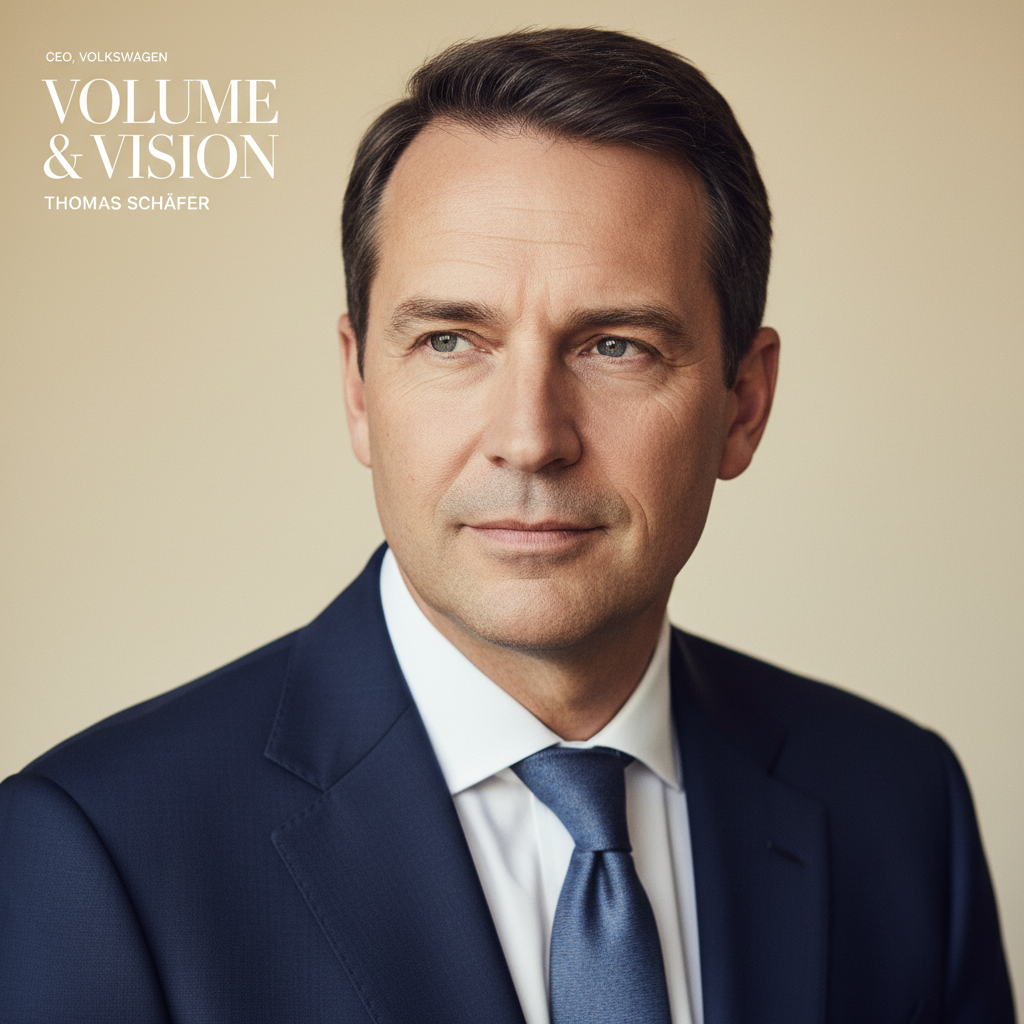
Portrait of Thomas Schäfer
GERMANY / AUTOMOTIVE
Thomas Schäfer
Leading Volkswagen's volume brands through electrification and operational transformation.
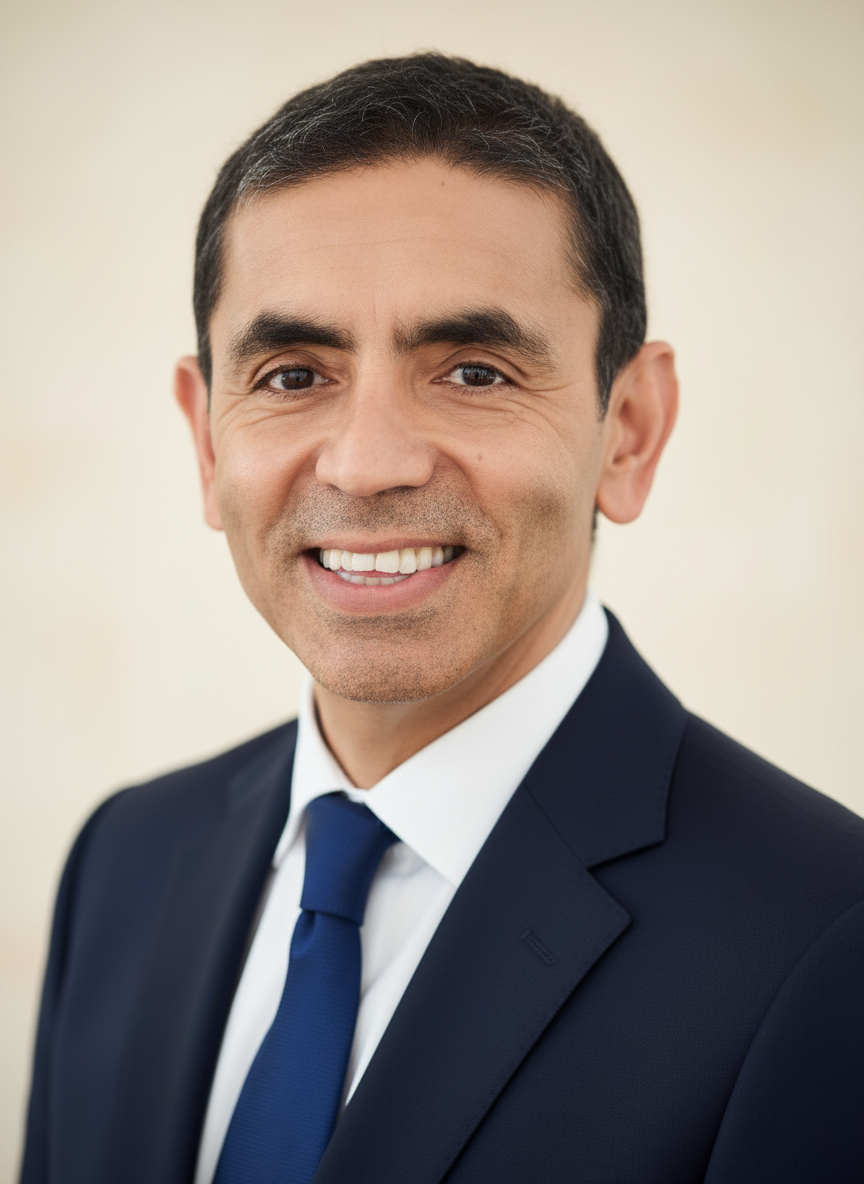
Portrait of Uğur Şahin
GERMANY / BIOTECHNOLOGY, PHARMACEUTICALS
Uğur Şahin
Pioneering mRNA technology for global health solutions.
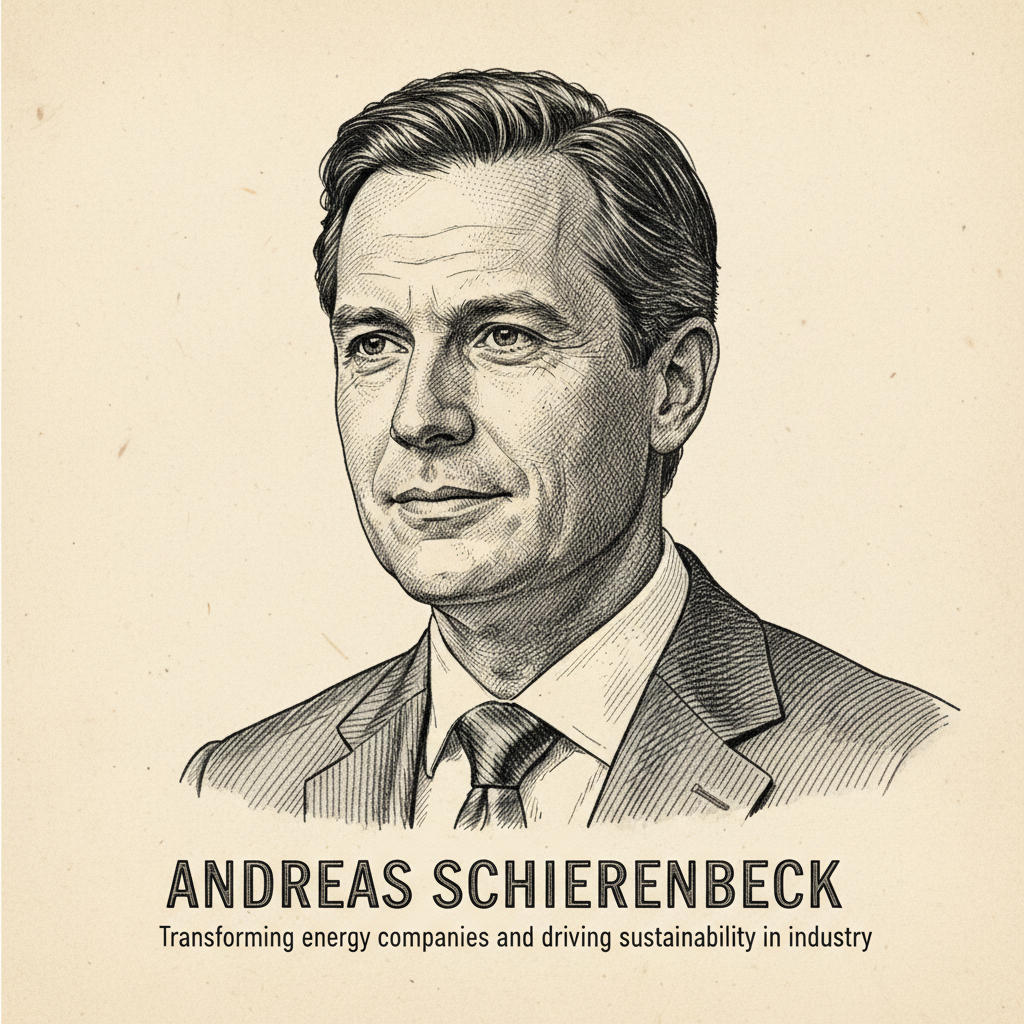
Portrait of Andreas Schierenbeck
GERMANY / INDUSTRIAL TECHNOLOGY, ENERGY, MOBILITY
Andreas Schierenbeck
A transformational executive focused on industrial technology, energy, and mobility, known for steering complex organizations through strategic shifts and market disruptions.
Portrait of Christian Teichmann
GERMANY / VENTURE CAPITAL, CORPORATE STRATEGY, AUTOMOTIVE
Christian Teichmann
Architect of Strategic Growth and Corporate Innovation Ventures.
Same Era

Contemporaries — 19th century
Browse all →
Portrait of Andrew Carnegie
UNITED STATES / STEEL & MANUFACTURING
Andrew Carnegie
The architect of American steel supremacy and a pioneering industrialist whose innovations in cost control and vertical integration reshaped global manufacturing.
Portrait of Henry Ford
UNITED STATES / AUTOMOTIVE
Henry Ford
The architect of mass production, democratizing the automobile through efficiency and scale.
Portrait of Thomas Edison
UNITED STATES / INDUSTRIAL & ENERGY
Thomas Edison
The Prolific Inventor and Industrialist Who Electrified the World and Standardized Innovation.
Portrait of J. Pierpont Morgan
UNITED STATES / BANKING & FINANCE
J. Pierpont Morgan
The architect of American industrial capitalism and financial stability.
Portrait of John D. Rockefeller
UNITED STATES / OIL & ENERGY
John D. Rockefeller
Architect of Standard Oil: Pioneering Vertical and Horizontal Integration in the Petroleum Industry.
Portrait of Konosuke Matsushita
JAPAN / CONSUMER ELECTRONICS
Konosuke Matsushita
The Founder of Panasonic, pioneered mass-market electronics and the 'management philosophy' approach to business.
Portrait of Coco Chanel
FRANCE / FASHION & LUXURY
Coco Chanel
The architect of modern female fashion, transforming haute couture into an empire of timeless style and aspirational luxury.
Portrait of Madam C.J. Walker
UNITED STATES / BEAUTY & COSMETICS
Madam C.J. Walker
America's First Self-Made Woman Millionaire, Founder of a Global Haircare and Cosmetics Empire.
Portrait of Henry J. Heinz
UNITED STATES / FOOD & BEVERAGE
Henry J. Heinz
Henry J. Heinz: The pioneer of branded foods, meticulous quality, and innovative marketing, transforming the food industry from local bulk sales to a trusted global enterprise.
Portrait of Nikola Tesla
SERBIA / ELECTRICAL ENGINEERING, ENERGY, TELECOMMUNICATIONS
Nikola Tesla
Nikola Tesla: The visionary engineer whose innovations in alternating current laid the foundation for modern electrical power systems, driving the second industrial revolution.