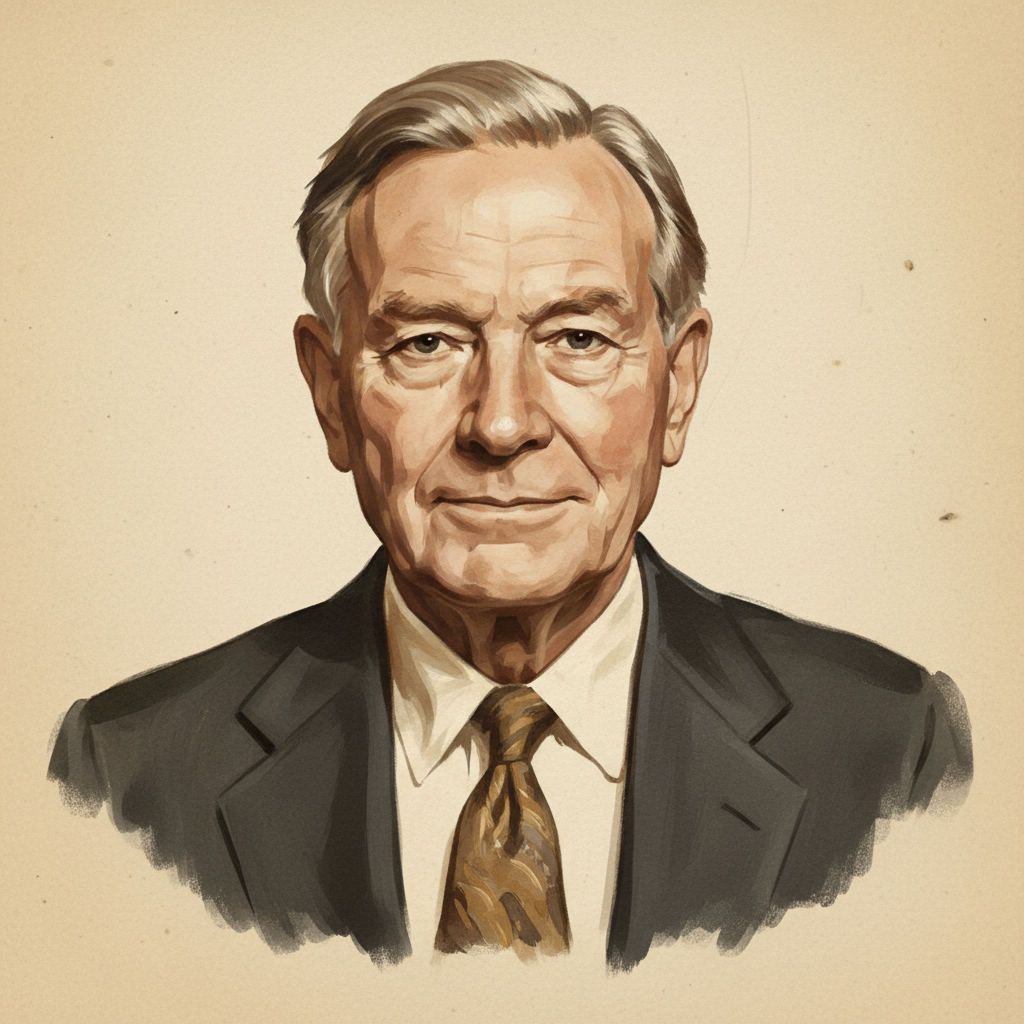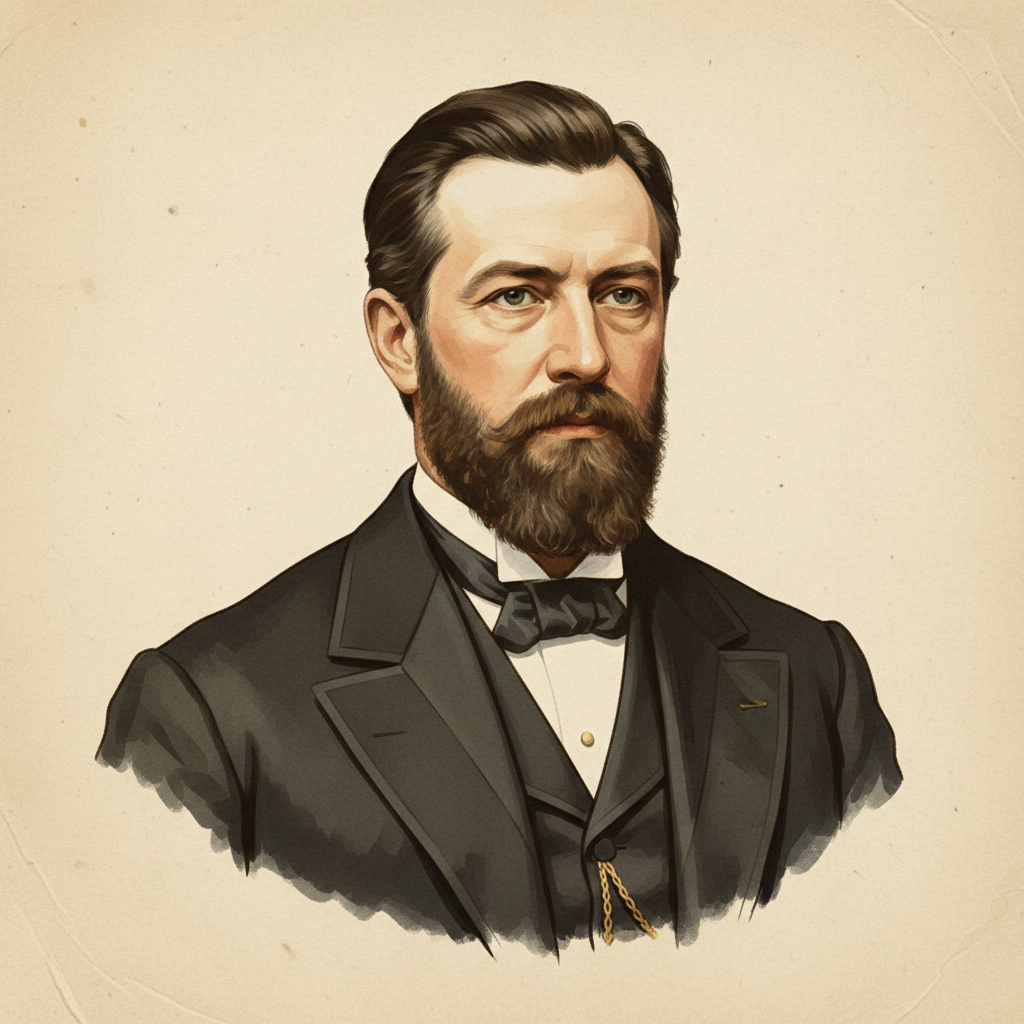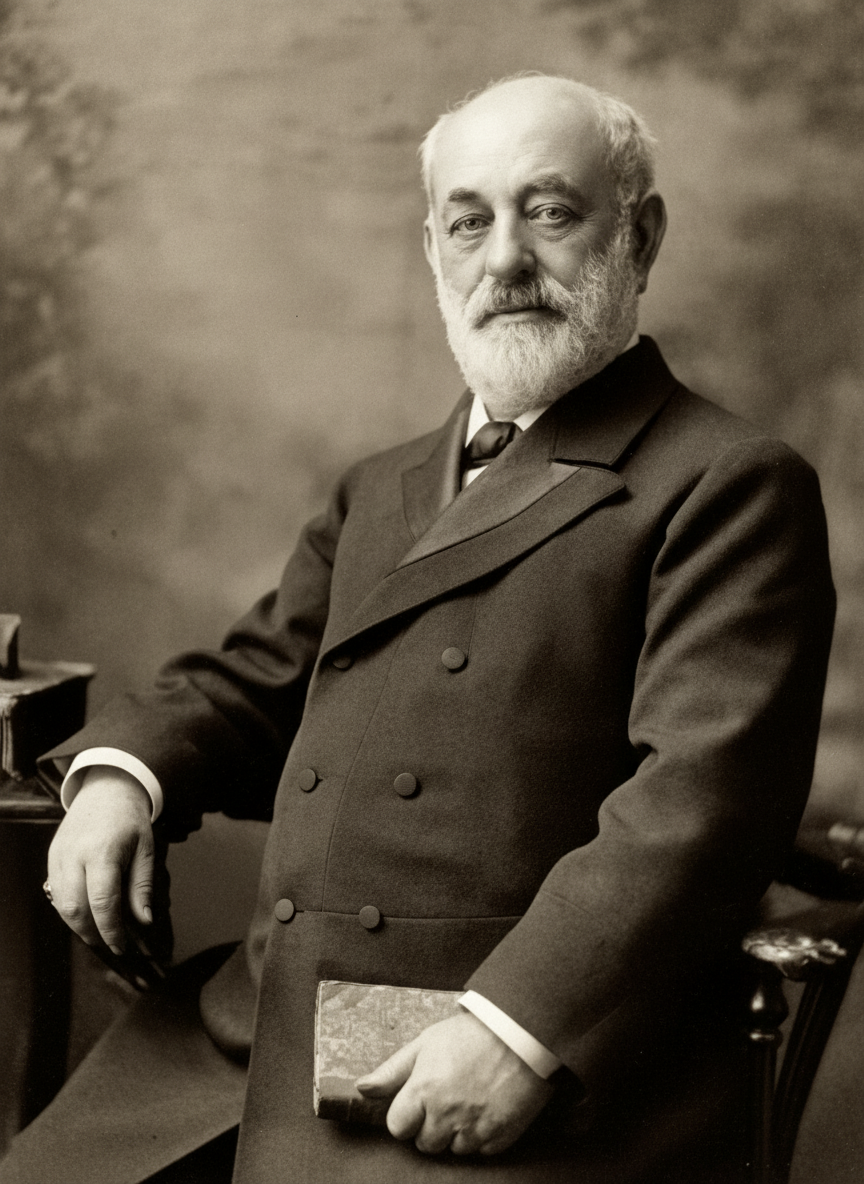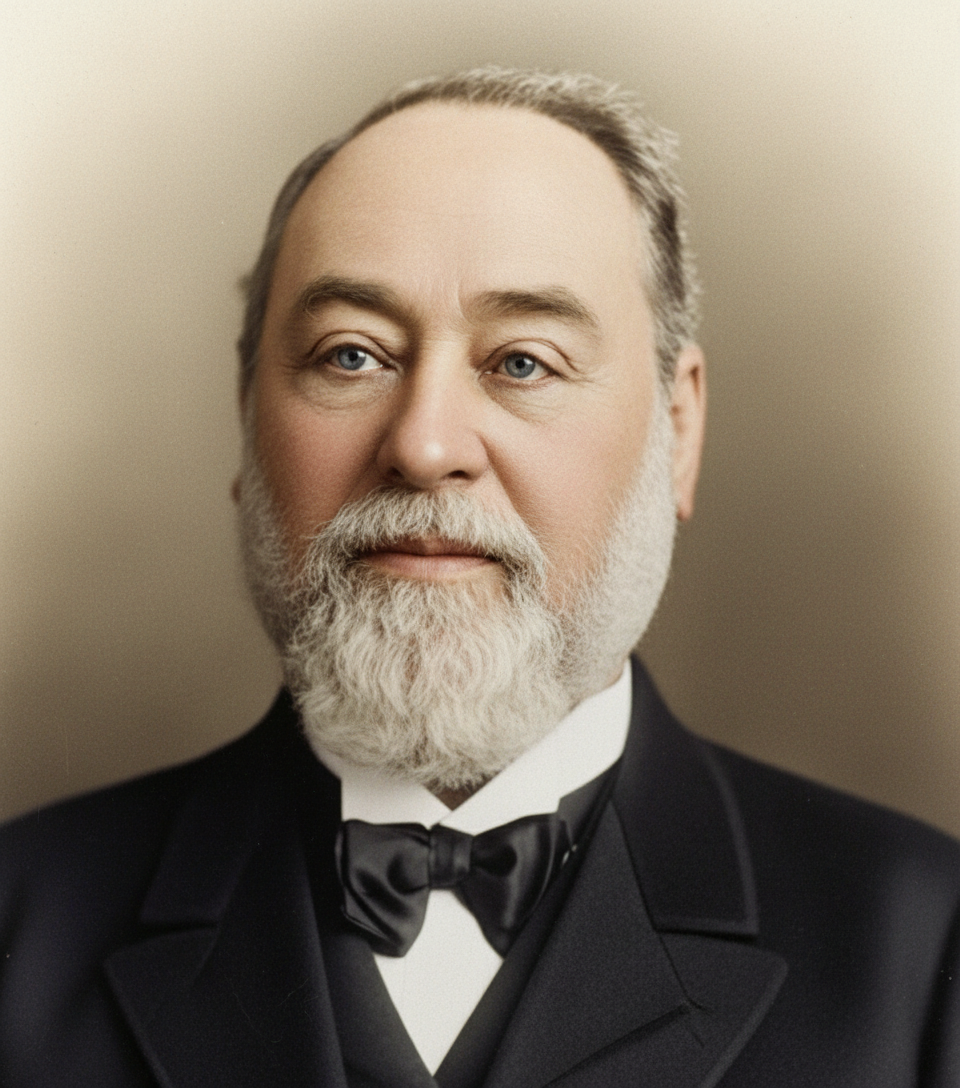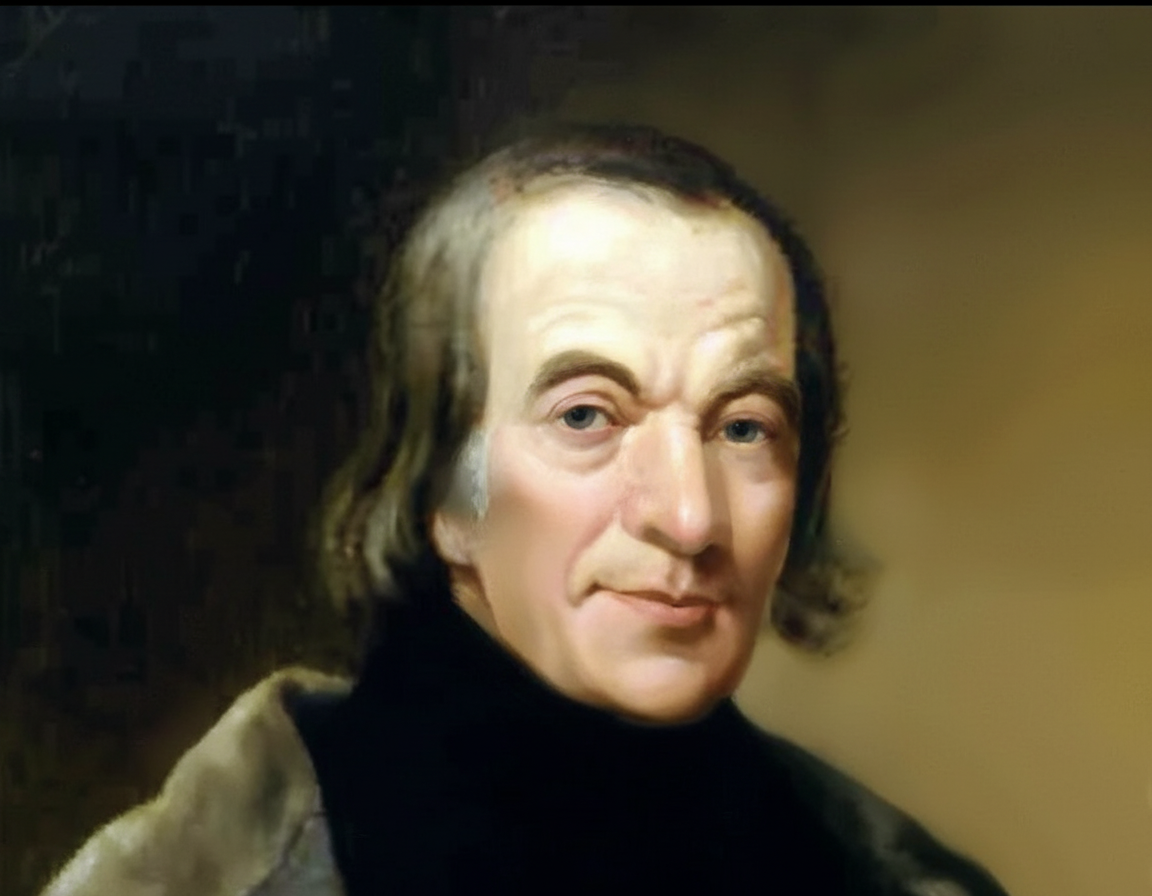
Portrait of Mayer Amschel Rothschild
Historical Mind · 1744 — 1812

Mayer Amschel Rothschild

Architect of the multi-jurisdiction merchant banking syndicate and pioneer of modern sovereign debt financing.

Country
Germany
Continent
Europe
Industry
Banking & Finance
Role
Founder of the Rothschild Banking Dynasty

Mayer Amschel Rothschild rose from the cramped Judengasse ghetto of Frankfurt to construct the world's preeminent private financial network. Starting as a rare coin dealer and court factor to Landgrave Wilhelm IX of Hesse-Kassel, he mastered currency arbitrage, trade finance, and sovereign debt. By stationing his five sons across Europe's primary financial centers, he engineered the first seamlessly integrated cross-border banking syndicate.

Biography

Mayer Amschel Rothschild was born in 1744 in the Frankfurt Judengasse, a restricted ghetto where Jewish merchants faced strict legal and financial constraints. Following the early deaths of his parents, he trained at the banking house of Wolf Jakob Oppenheim in Hanover, acquiring foundational expertise in foreign bills of exchange, inter-state arbitrage, and numismatics. Returning to Frankfurt in the mid-1760s, Rothschild capitalized on his numismatic expertise to cultivate high-status aristocratic clients, most notably Crown Prince Wilhelm of Hesse-Kassel, one of Europe's wealthiest rulers through the lease of mercenary armies. In 1769, Rothschild was granted the title of Court Factor (Hoffaktor), a wedge he used to expand into discount brokerage, commodities, and currency exchange. As regional instability escalated during the French Revolutionary and Napoleonic Wars, Rothschild stepped into high-volume financial intermediation. When Napoleon forced Elector Wilhelm IX into exile in 1806, Wilhelm trusted Rothschild with safeguarding his immense fortune. Rather than leaving the capital idle, Mayer Amschel coordinated with his third son, Nathan, who had relocated to England, to covertly deploy Hessian capital into British government annuities (consols) and finance bullion shipments across blockade lines. Mayer Amschel established the formal partnership M. A. Rothschild & Söhne in 1810, binding his five sons—Amschel in Frankfurt, Salomon in Vienna, Nathan in London, Carl in Naples, and James in Paris—into a cohesive, decentralized partnership. His strict governance protocols, which barred outside equity and enforced collective risk-pooling, established a banking conglomerate capable of underwriting multinational sovereign loans and surviving European geopolitical shocks for over two centuries.

Accomplishments

  • 01Secured the Court Factor (Hoffaktor) appointment to Wilhelm IX of Hesse-Kassel in 1769, using coin brokerage as a gateway to manage Europe's largest private princely fortune.
  • 02Preserved and covertly invested Elector Wilhelm IX's vast wealth following Napoleon's 1806 occupation of Hesse-Kassel, funneling funds into British government bonds and gold bullion through London.
  • 03Structured and executed the 1810 M. A. Rothschild & Söhne partnership agreement, which institutionalized equity ownership solely among his sons and created an early multinational balance-sheet consolidation.
  • 04Engineered the strategic geographic distribution of his five sons to Frankfurt, London, Paris, Vienna, and Naples, constructing the world's first real-time private financial clearinghouse and courier intelligence network.
  • 05Pioneered cross-border sovereign loan syndication, transforming private merchant banking from regional bilateral lending into multi-market debt placements.

Lessons for Operators

Acquire initial high-value clients via specialized, low-risk niche services to establish operational integrity before pitching large-scale asset management.
Diversify counterparty and sovereign risk across multiple regulatory and geographic jurisdictions to protect the enterprise from confiscatory regimes and local market collapse.
Reinvest early operational gains into proprietary communication and intelligence infrastructure; speed of information reliably drives spread capture.
Lock down corporate governance via strict partnership agreements that prevent balance-sheet fragmentation, equity dilution, and hostile external interference.
Accumulate dry powder during macroeconomic expansions to act as a mission-critical liquidity provider of last resort during geopolitical liquidity crunches.
The Operator's Playbook

Key Takeaways

Practical lessons distilled for operators, investors, C-levels, and capital allocators.

Lesson 01

The Strategic Foothold Strategy

Rothschild entered Wilhelm IX's inner circle by selling rare coins at near-zero profit margins, establishing an unassailable reputation for honesty that later unlocked sovereign-level treasury management mandates.

Lesson 02

Decentralized Execution, Unified Balance Sheet

The five-house distribution across Europe combined local market intelligence and autonomous execution with a consolidated balance sheet that enabled internal clearing of cross-border settlements.

Lesson 03

Arbitrage of Geopolitical Volatility

Instead of freezing activity during the Napoleonic Wars, Rothschild capitalized on divergent exchange rates, fractured supply chains, and sovereign liquidity demands to generate superior spreads.

Lesson 04

Ironclad Capital Governance

The 1810 partnership charter prioritized long-term firm continuity over individual short-term liquidity by prohibiting outside capital, enforcing internal cross-guarantees, and restricting executive voting control.

Mental Models

Frameworks & Principles

Named frameworks and strategic principles they popularized or embodied.

01

The Trust-Capital Escalation Ladder

A client acquisition methodology where a service provider initiates a relationship through low-stakes, verifiable transactions (e.g., numismatics and bill discounting), gradually escalates to advisory and clearing, and ultimately captures full custodian and asset-allocation mandates once reputational integrity is proven.

When to useApply when entering heavily gated enterprise accounts, sovereign wealth circles, or high-net-worth family offices where trust operates as the primary barrier to entry.

02

Jurisdictional Redundancy Network

An enterprise risk architecture that distributes operating nodes, balance sheets, and clearing capabilities across independent geopolitical regimes while retaining unified governance, ensuring that expropriation or default in one jurisdiction does not cause systemic failure across the core firm.

When to useApply when structuring global holding entities, family offices, or multinational balance sheets subject to capital controls, regime shifts, or escalating sovereign geopolitical conflict.

Citations

Sources & Further Reading

Profiles, interviews, podcasts, and articles used to compile and verify this entry. Each link opens at the original publisher.

Adjacent Minds

Explore Related Titans

Other figures in the archive who share Mayer Amschel Rothschild's domain, geography, or era.

Finance & Investing

More in Finance & Investing

Browse all →
Portrait of Warren Buffett
UNITED STATES / INVESTING
Warren Buffett
The Oracle of Omaha: Architect of long-term value investing and compounding returns through disciplined acquisition and intrinsic value focus.
Portrait of Charlie Munger
USA / DIVERSIFIED HOLDINGS, INVESTMENT MANAGEMENT
Charlie Munger
The architect of modern value investing at Berkshire Hathaway, known for his multidisciplinary approach and acerbic wit.
Portrait of Mohnish Pabrai
UNITED STATES / FINANCIAL SERVICES
Mohnish Pabrai
Pioneer of asymmetric 'heads I win, tails I don't lose much' value investing and zero-management-fee partnership structures.
Portrait of Ray Dalio
UNITED STATES / INVESTMENT MANAGEMENT
Ray Dalio
The architect of 'radical transparency' and systematic investing, Ray Dalio built Bridgewater Associates into one of the world's largest and most influential hedge funds.
Portrait of J. Pierpont Morgan
UNITED STATES / BANKING & FINANCE
J. Pierpont Morgan
The architect of American industrial capitalism and financial stability.
Portrait of Sam Altman
UNITED STATES / ARTIFICIAL INTELLIGENCE, VENTURE CAPITAL
Sam Altman
Architect of Artificial General Intelligence and Venture Capital Visionary.
Portrait of Cosimo de' Medici
ITALY / BANKING, FINANCE, STATESMANSHIP
Cosimo de' Medici
The architect of Medici power, leveraging finance and cultural patronage to establish a dynastic legacy.
Portrait of Giovanni di Bicci de' Medici
ITALY / BANKING AND FINANCE
Giovanni di Bicci de' Medici
The silent architect of Florence's financial supremacy and the Medici dynasty.
Portrait of Anshu Jain
INDIA / FINANCIAL SERVICES
Anshu Jain
Anshu Jain: The architect of Deutsche Bank's global investment banking prowess, demonstrating aggressive expansion and risk management in a shifting financial landscape.
Portrait of Marcus Goldman
UNITED STATES / FINANCIAL SERVICES
Marcus Goldman
Pioneered the American commercial paper market and established the partnership foundation of Goldman Sachs.
Germany

From Germany

Browse all →
Portrait of Otto von Bismarck
GERMANY / NATION-BUILDING / STATECRAFT
Otto von Bismarck
The Iron Chancellor: Unifier of Germany through Realpolitik and Strategic Statecraft.
Portrait of Stefan Winkelmann
GERMANY / AUTOMOTIVE
Stefan Winkelmann
Architect of luxury automotive brand transformations, known for revitalizing Lamborghini and Bugatti.
Portrait of Christian Reber
GERMANY / SOFTWARE
Christian Reber
Founder of Wunderlist, a seminal productivity app, and CEO & Founder of Pitch, a collaborative presentation platform.
Portrait of Jost Capito
GERMANY / AUTOMOTIVE & MOTORSPORT
Jost Capito
A motorsport executive renowned for transforming underperforming teams into championship contenders through strategic leadership, operational restructuring, and fostering high-performance cultures.
Portrait of Levi Strauss
GERMANY / APPAREL, RETAIL, MANUFACTURING
Levi Strauss
The visionary merchant who clothed a generation and founded a global icon of apparel manufacturing.
Portrait of Angela Merkel
GERMANY / GOVERNMENT
Angela Merkel
The Iron Chancellor: Navigating Geo-Economic Volatility with Pragmatic Leadership
Portrait of Thomas Schäfer
GERMANY / AUTOMOTIVE
Thomas Schäfer
Leading Volkswagen's volume brands through electrification and operational transformation.
Portrait of Uğur Şahin
GERMANY / BIOTECHNOLOGY, PHARMACEUTICALS
Uğur Şahin
Pioneering mRNA technology for global health solutions.
Portrait of Andreas Schierenbeck
GERMANY / INDUSTRIAL TECHNOLOGY, ENERGY, MOBILITY
Andreas Schierenbeck
A transformational executive focused on industrial technology, energy, and mobility, known for steering complex organizations through strategic shifts and market disruptions.
Portrait of Christian Teichmann
GERMANY / VENTURE CAPITAL, CORPORATE STRATEGY, AUTOMOTIVE
Christian Teichmann
Architect of Strategic Growth and Corporate Innovation Ventures.
Same Era

Contemporaries — 18th century
Browse all →
Portrait of Cornelius Vanderbilt
UNITED STATES / TRANSPORTATION (SHIPPING, RAILROADS)
Cornelius Vanderbilt
The 'Commodore' who built an empire in shipping and railroads through aggressive competition, vertical integration, and strategic acquisitions.
Portrait of Napoleon Bonaparte
FRANCE / GOVERNMENT/MILITARY
Napoleon Bonaparte
The architect of modern warfare and statecraft, defining the 19th-century European landscape through ambition and organizational prowess.
Portrait of Catherine the Great
RUSSIA / STATECRAFT, EMPIRE MANAGEMENT, GEOPOLITICS
Catherine the Great
Architect of Modern Russia: A study in geopolitical expansion, economic reform, and centralized state-building.
Portrait of Andrew Jackson
UNITED STATES / GOVERNMENT
Andrew Jackson
The architect of modern presidential power and a relentless executor of policy.
Portrait of David Ricardo
UNITED KINGDOM / FINANCE, ECONOMICS, GOVERNMENT
David Ricardo
The architect of comparative advantage and a transformative figure in classical economics and finance.
Portrait of Jean-Baptiste Say
FRANCE / ECONOMICS, TEXTILES
Jean-Baptiste Say
The French Economist and Entrepreneur who articulated the fundamental principle that production, not money, is the source of demand.
Portrait of Adam Smith
SCOTLAND / ECONOMIC PHILOSOPHY
Adam Smith
The father of modern economics, whose articulation of free markets, self-interest, and the 'invisible hand' laid the theoretical groundwork for capitalism.
Portrait of Josiah Wedgwood
UNITED KINGDOM / MANUFACTURING & LUXURY CONSUMER GOODS
Josiah Wedgwood
Industrial Revolution pioneer who revolutionized ceramic manufacturing, invented modern luxury branding, and codified standard industrial cost accounting.
Portrait of Nathan Mayer Rothschild
UNITED KINGDOM / BANKING & SOVEREIGN FINANCE
Nathan Mayer Rothschild
Architect of modern sovereign bond syndication and financier of the allied victory over Napoleon.
Portrait of Robert Owen
UNITED KINGDOM / TEXTILES & MANUFACTURING
Robert Owen
Architect of human-capital-driven industrial efficiency, capped-return enterprise financing, and modern workforce welfare.