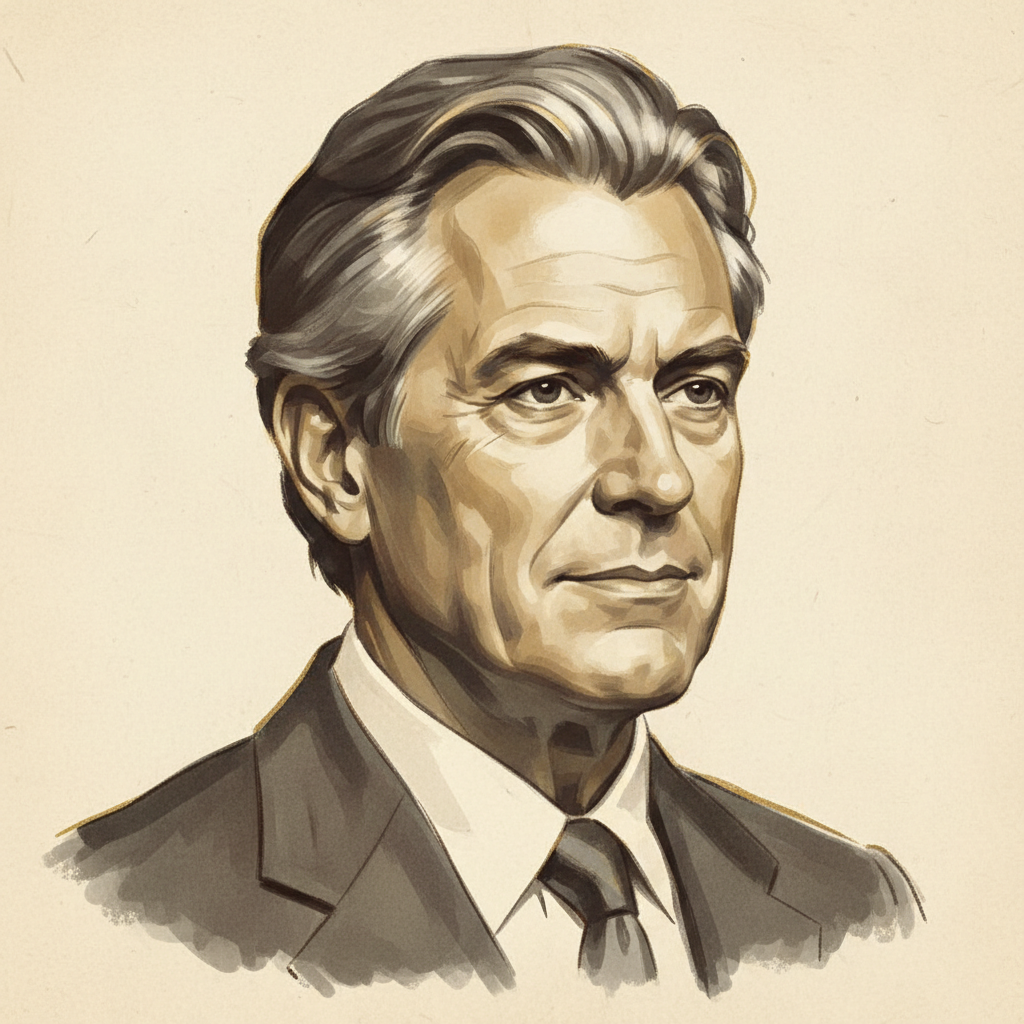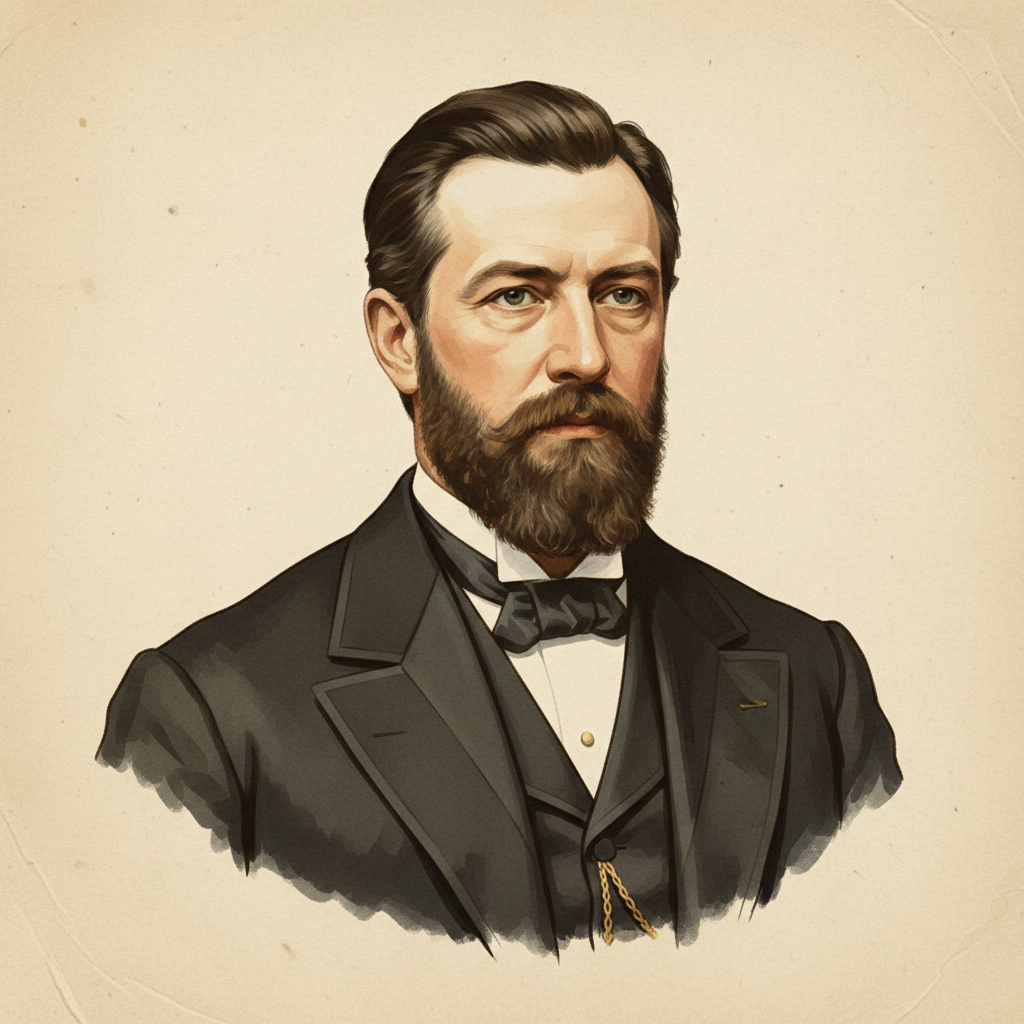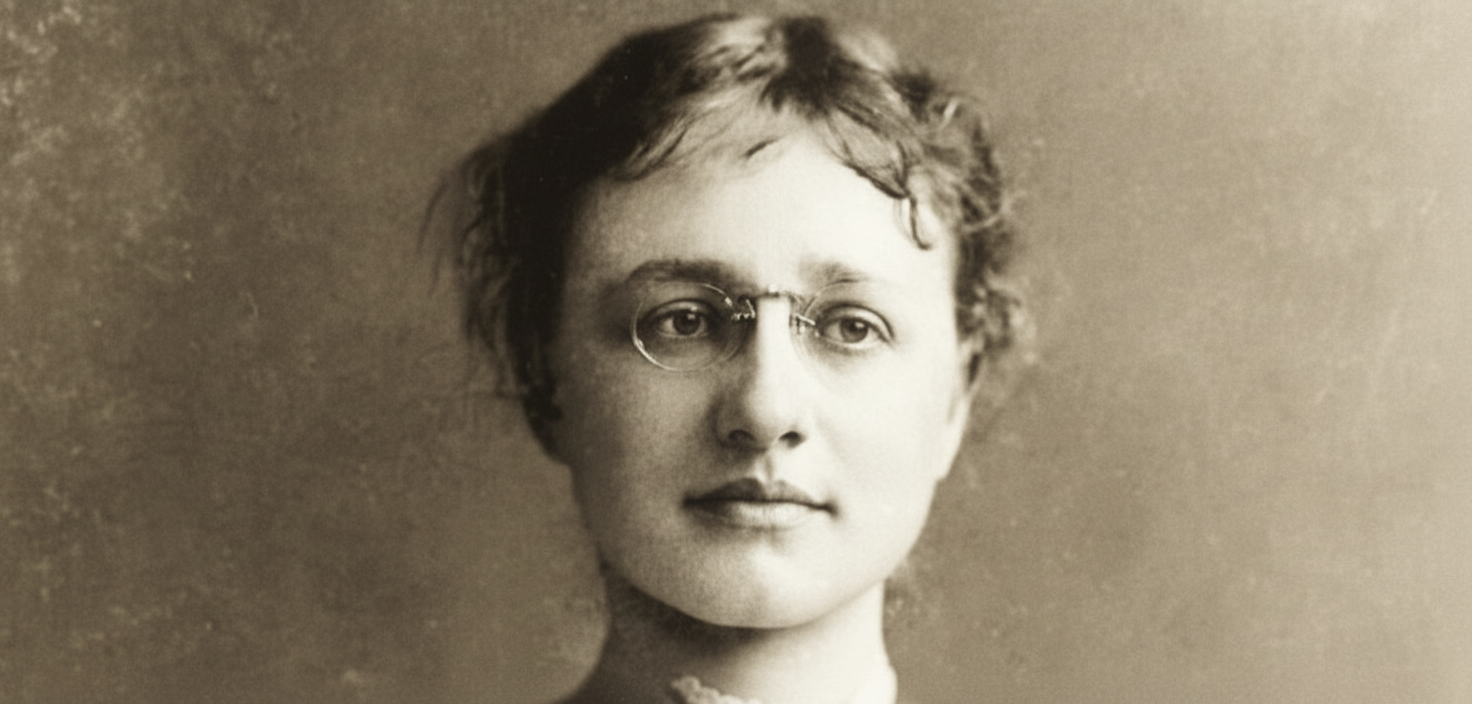
Portrait of Mary Parker Follett
Historical Mind · 1868 — 1933

Mary Parker Follett

Pioneer of modern humanistic management, lateral coordination, and integrative conflict resolution.

Country
United States
Continent
North America
Industry
Management Consulting & Organizational Theory
Role
Management Theorist & Political Philosopher

Mary Parker Follett was an American management theorist, social worker, and management consultant whose pioneering concepts in the 1920s established the foundations of human relations management, participatory decision-making, and non-zero-sum conflict resolution decades ahead of contemporary organizational science.

Biography

Born in Quincy, Massachusetts, Mary Parker Follett graduated summa cum laude from Radcliffe College (the Harvard Annex) in 1898, having previously studied at Newnham College, Cambridge. She initially applied her rigorous analytical training in political science to urban community organizing in Boston, establishing community centers and evening schools that functioned as experiments in direct democracy and grassroots collaboration. Her early monographs, 'The Speaker of the House of Representatives' (1896) and 'The New State' (1918), brought her to national prominence as a political philosopher. By the 1920s, business executives recognized that her social theories directly solved industrial operational crises characterized by severe labor-capital strife and rigid Taylorist command structures. Follett published 'Creative Experience' in 1924, detailing circular response feedback loops and the psychological dynamics of conflict. Between 1925 and 1928, she delivered seminal lectures at the Bureau of Personnel Administration in New York to corporate leaders, articulating the concepts of 'integration,' 'power-with,' and 'the law of the situation.' Corporate luminaries such as British industrialist B. Seebohm Rowntree and management pioneers Henry S. Dennison sought her counsel. In her final years, she lectured at the London School of Economics, mapping out dynamic administrative structures that predated Peter Drucker, matrix management, and lean agile practices by half a century.

Accomplishments

  • 01Pioneered the concept of integrative bargaining and win-win negotiation in her 1924 work 'Creative Experience', laying the groundwork for modern Harvard Negotiation Project frameworks.
  • 02Delivered historic corporate lectures between 1925 and 1928 at the Bureau of Personnel Administration in New York, compiled posthumously into the influential management text 'Dynamic Administration' (1941).
  • 03Advised leading transatlantic manufacturers, including Rowntree & Co. and the Dennison Manufacturing Company, on transition strategies from authoritarian oversight to shared industrial governance.
  • 04Introduced the 'Law of the Situation', systematically depersonalizing executive authority and replacing hierarchical command with operational reality-based directives.
  • 05Served on Massachusetts arbitration and minimum wage boards starting in 1912, demonstrating the operational efficacy of multi-stakeholder labor wage agreements.
  • 06Delivered the inaugural series of foundational management lectures at the Department of Business Administration at the London School of Economics in 1933.

Lessons for Operators

Replace compromise with integration: Compromise guarantees that both counterparties accept suboptimal concessions, whereas integration re-examines the underlying desires to discover an innovative third solution where neither side sacrifices.
Depersonalize authority using the Law of the Situation: Orders generate natural cognitive friction when delivered as personal commands; instead, teach managers and teams to take orders directly from the verifiable facts of the operating environment.
Cultivate co-active 'power-with' instead of coercive 'power-over': Coercive power creates systemic latency, passive resistance, and hidden risk, whereas joint power multiplies collective capacity and aligns incentives across departments.
Implement continuous cross-functional direct contact: Coordination cannot happen purely through vertical reporting chains; direct horizontal communication between department heads at early project phases eliminates downstream alignment failures.
Treat organizational conflict as friction to harness rather than a pathology to eliminate: Like the friction between a violin bow and a string, diverse opinions create productive work when framed through structured synthesis.
The Operator's Playbook

Key Takeaways

Practical lessons distilled for operators, investors, C-levels, and capital allocators.

Lesson 01

Conflict Integration Outperforms Compromise

Compromise yields a fragile peace where all stakeholders nurse unresolved grievances. Integration requires uncovering the latent desires underneath stated demands to construct alternatives where both goals are fulfilled simultaneously.

Lesson 02

Decentralized Situational Authority

Executive authority does not derive from formal title but from proximity and knowledge of the facts. Leaders should train frontline operators to act upon the demands of the situation, shifting management's role from policing to orchestration.

Lesson 03

Circular Coordination Over Linear Command

A causes B, but B concurrently reshapes A. Recognizing circular response mechanisms prevents leadership from treating workforce behavior, market signals, and customer feedback as unidirectional causal inputs.

Lesson 04

Early Horizontal Alignment Limits Bureaucracy

Involving cross-functional peers during the formative phase of strategy prevents costly late-stage vetoes and bureaucratic escalation, accelerating operational velocity.

Mental Models

Frameworks & Principles

Named frameworks and strategic principles they popularized or embodied.

01

Constructive Conflict Resolution (Domination, Compromise, Integration)

A taxonomy evaluating three outcomes of organizational dispute: Domination (one side forces will, breeds latent sabotage), Compromise (each gives up value, breeds stagnation), and Integration (uncovering hidden core needs to invent a new solution that satisfies both without concession).

When to useUse during M&A contract deadlocks, resource allocation conflicts between product and engineering, or high-stakes vendor negotiations.

02

The Law of the Situation

A leadership methodology where orders are depersonalized by aligning all parties to the objective, verifiable demands of the operational context rather than the arbitrary power of a superior.

When to useUse when driving transformational change, executing turnarounds, or reducing friction in corporate environments experiencing cultural backlash against top-down executive mandates.

03

Follett's Four Principles of Coordination

A structural blueprint for enterprise execution: 1) Direct Contact (horizontal communication across operating units), 2) Early Stages (aligning stakeholders during planning, not post-hoc execution), 3) Reciprocal Relations (viewing all factors as interdependent), and 4) Continuous Process (treating organizational governance as perpetual optimization rather than periodic reorganizations).

When to useUse when architecting cross-functional operating models, scaling mid-market enterprises into multi-divisional enterprises, or eliminating functional silos.

Citations

Sources & Further Reading

Profiles, interviews, podcasts, and articles used to compile and verify this entry. Each link opens at the original publisher.

Adjacent Minds

Explore Related Titans

Other figures in the archive who share Mary Parker Follett's domain, geography, or era.

Other

More in Other

Browse all →
Portrait of Chanakya
INDIA / GOVERNMENT & PUBLIC POLICY, CONSULTING
Chanakya
The architect of unified India, master strategist, and foundational thinker in statecraft and economics.
Portrait of Marcus Aurelius
ROMAN EMPIRE / GOVERNMENT
Marcus Aurelius
The Philosopher Emperor: A Stoic Leader Navigating Crisis and Empire.
Portrait of Jim Collins
UNITED STATES / MANAGEMENT CONSULTING & RESEARCH
Jim Collins
Jim Collins is a seminal management researcher, author, and lecturer known for his rigorous, empirically-driven analysis of what makes great companies endure and excel.
Portrait of Otto von Bismarck
GERMANY / NATION-BUILDING / STATECRAFT
Otto von Bismarck
The Iron Chancellor: Unifier of Germany through Realpolitik and Strategic Statecraft.
Portrait of Queen Victoria
UNITED KINGDOM / GOVERNMENT & EMPIRE MANAGEMENT
Queen Victoria
The enduring matriarch who presided over an era of unparalleled imperial expansion and industrial transformation.
Portrait of Joseph Schumpeter
AUSTRIA-HUNGARY (LATER AUSTRIA, THEN UNITED STATES CITIZENSHIP) / ECONOMICS
Joseph Schumpeter
The prophet of 'creative destruction' and the fundamental role of innovation in economic evolution.
Portrait of Gillian Tans
NETHERLANDS / ONLINE TRAVEL AGENCY (OTA)
Gillian Tans
Gillian Tans: A transformative leader in online travel and digital commerce, known for global strategy execution and brand expansion at Booking.com.
Portrait of Houtan Homayounpour
FRANCE / PUBLIC POLICY & INTERNATIONAL DEVELOPMENT
Houtan Homayounpour
Architect of impactful labor policy and social justice initiatives across diverse international landscapes.
Portrait of Andrew Jackson
UNITED STATES / GOVERNMENT
Andrew Jackson
The architect of modern presidential power and a relentless executor of policy.
Portrait of Franklin D. Roosevelt
UNITED STATES / GOVERNMENT
Franklin D. Roosevelt
The architect of modern governmental intervention and a transformative wartime leader.
United States

From United States

Browse all →
Portrait of Andrew Carnegie
UNITED STATES / STEEL & MANUFACTURING
Andrew Carnegie
The architect of American steel supremacy and a pioneering industrialist whose innovations in cost control and vertical integration reshaped global manufacturing.
Portrait of Warren Buffett
UNITED STATES / INVESTING
Warren Buffett
The Oracle of Omaha: Architect of long-term value investing and compounding returns through disciplined acquisition and intrinsic value focus.
Portrait of Jeff Bezos
UNITED STATES / TECHNOLOGY, RETAIL, LOGISTICS, CLOUD COMPUTING, SPACE EXPLORATION
Jeff Bezos
Architect of Amazon, pioneer of e-commerce, and visionary across cloud computing, logistics, and space exploration.
Portrait of Satya Nadella
UNITED STATES / TECHNOLOGY
Satya Nadella
Architect of Microsoft's cloud-first, AI-driven renaissance, shifting culture and strategy to drive sustained growth and market leadership.
Portrait of Bill Gates
UNITED STATES / SOFTWARE, TECHNOLOGY, PHILANTHROPY
Bill Gates
Co-founder of Microsoft, architect of the personal computing revolution, and global philanthropist.
Portrait of Sam Walton
UNITED STATES / RETAIL
Sam Walton
The architect of modern retail, pioneering discount merchandising and logistical efficiency to establish the world's largest retail corporation.
Portrait of Mark Cuban
UNITED STATES / TECHNOLOGY, MEDIA, SPORTS, HEALTHCARE
Mark Cuban
Mark Cuban: The Prolific Disrupter – From Software Startups to Sports Franchises and Pharmaceutical Innovation, Leveraging Technology and Direct-to-Consumer Models.
Portrait of Mohnish Pabrai
UNITED STATES / FINANCIAL SERVICES
Mohnish Pabrai
The Dhandho Investor: A Value Investing Maverick.
Portrait of Walt Disney
UNITED STATES / ENTERTAINMENT
Walt Disney
Co-founder of The Walt Disney Company, pioneering animation, theme parks, and diversified entertainment.
Portrait of Henry Ford
UNITED STATES / AUTOMOTIVE
Henry Ford
The architect of mass production, democratizing the automobile through efficiency and scale.
Same Era

Contemporaries — 19th century
Browse all →
Portrait of Andrew Carnegie
UNITED STATES / STEEL & MANUFACTURING
Andrew Carnegie
The architect of American steel supremacy and a pioneering industrialist whose innovations in cost control and vertical integration reshaped global manufacturing.
Portrait of Henry Ford
UNITED STATES / AUTOMOTIVE
Henry Ford
The architect of mass production, democratizing the automobile through efficiency and scale.
Portrait of Thomas Edison
UNITED STATES / INDUSTRIAL & ENERGY
Thomas Edison
The Prolific Inventor and Industrialist Who Electrified the World and Standardized Innovation.
Portrait of J. Pierpont Morgan
UNITED STATES / BANKING & FINANCE
J. Pierpont Morgan
The architect of American industrial capitalism and financial stability.
Portrait of John D. Rockefeller
UNITED STATES / OIL & ENERGY
John D. Rockefeller
Architect of Standard Oil: Pioneering Vertical and Horizontal Integration in the Petroleum Industry.
Portrait of Konosuke Matsushita
JAPAN / CONSUMER ELECTRONICS
Konosuke Matsushita
The Founder of Panasonic, pioneered mass-market electronics and the 'management philosophy' approach to business.
Portrait of Coco Chanel
FRANCE / FASHION & LUXURY
Coco Chanel
The architect of modern female fashion, transforming haute couture into an empire of timeless style and aspirational luxury.
Portrait of Madam C.J. Walker
UNITED STATES / BEAUTY & COSMETICS
Madam C.J. Walker
America's First Self-Made Woman Millionaire, Founder of a Global Haircare and Cosmetics Empire.
Portrait of Henry J. Heinz
UNITED STATES / FOOD & BEVERAGE
Henry J. Heinz
Henry J. Heinz: The pioneer of branded foods, meticulous quality, and innovative marketing, transforming the food industry from local bulk sales to a trusted global enterprise.
Portrait of Otto von Bismarck
GERMANY / NATION-BUILDING / STATECRAFT
Otto von Bismarck
The Iron Chancellor: Unifier of Germany through Realpolitik and Strategic Statecraft.