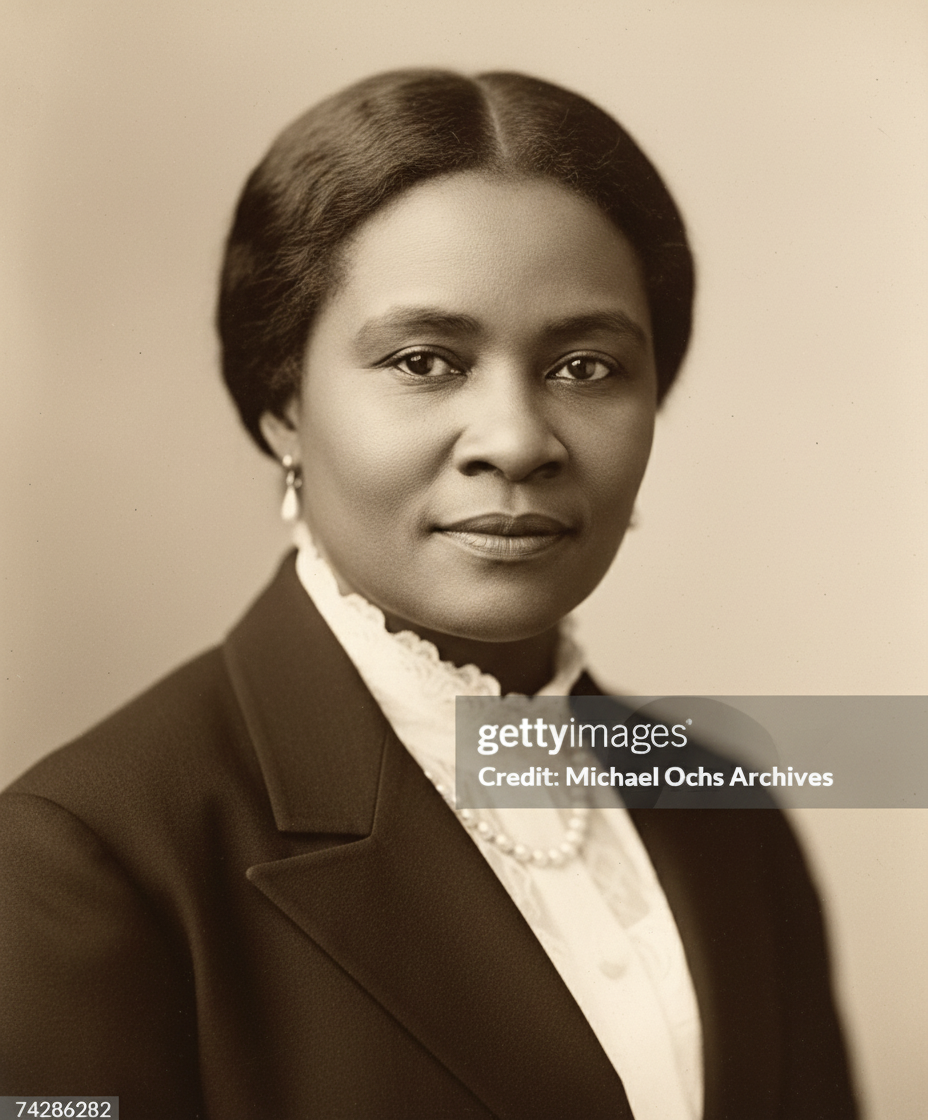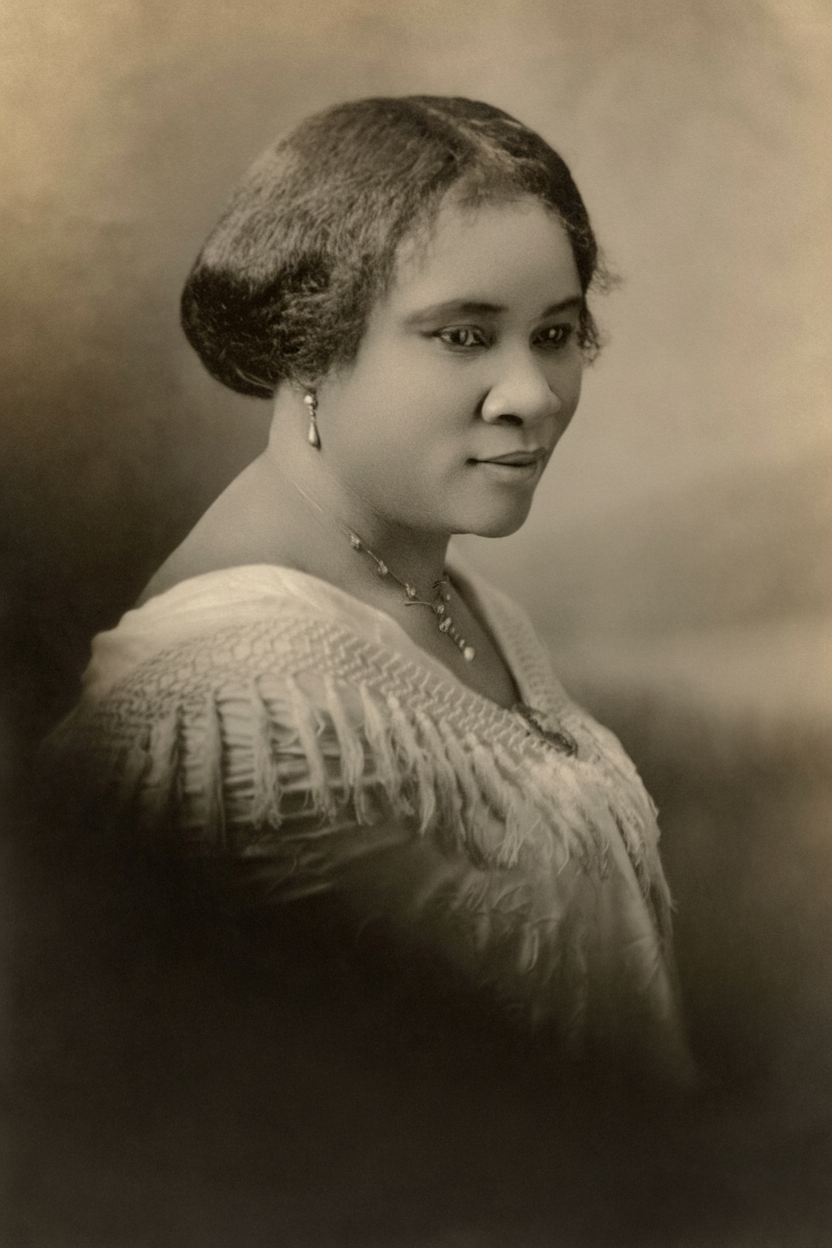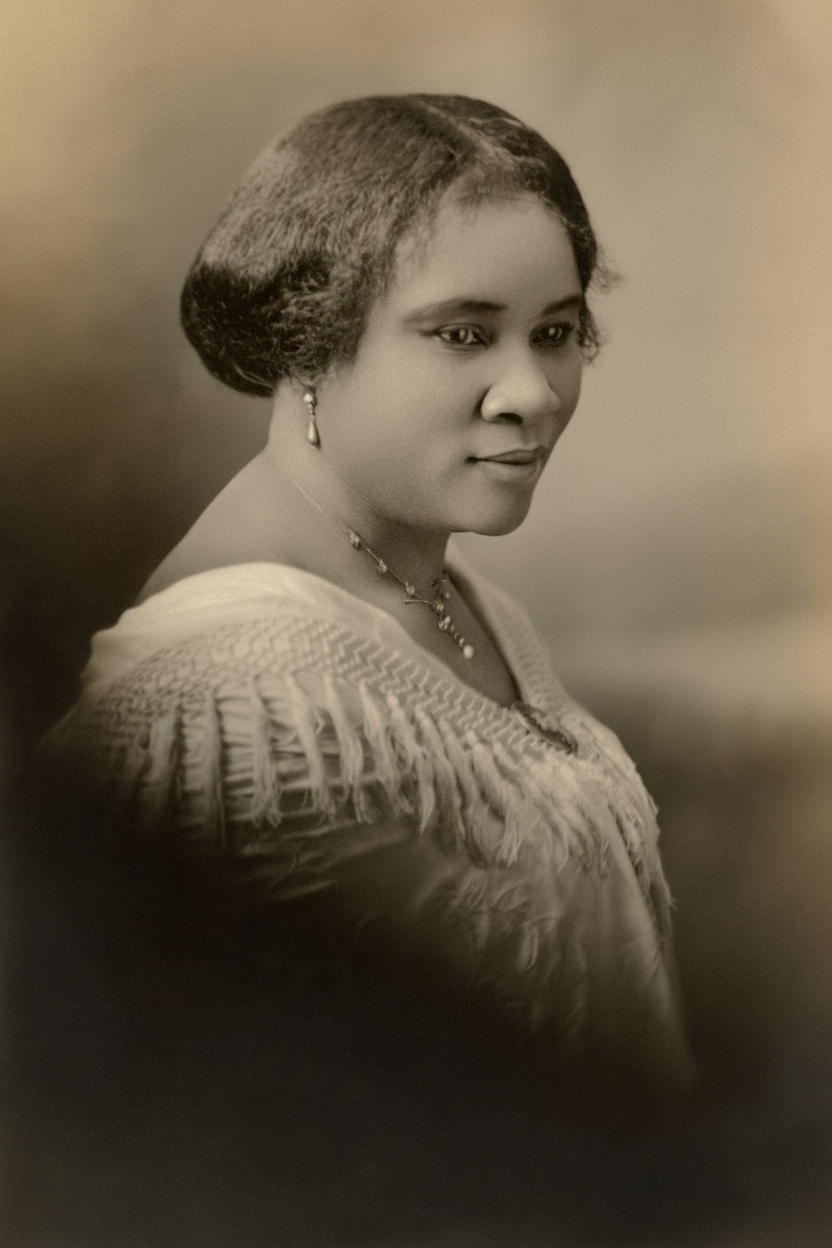
Portrait of Madam C.J. Walker
Historical Mind · 1867 — 1919

Madam C.J. Walker

A pioneer in haircare for Black women, building a million-dollar empire and leaving a legacy.

Country
United States
Continent
North America
Industry
Beauty & Personal Care
Role
Entrepreneur, Philanthropist

Sarah Breedlove, known as Madam C.J. Walker, was an American entrepreneur, philanthropist, and political and social activist. She established a highly successful line of beauty and hair products for Black women, pioneering a direct-selling model through a network of 'Walker Agents' across the United States and Caribbean. Walker built her company into a million-dollar enterprise, becoming one of the wealthiest self-made women of her time.

Biography

Born Sarah Breedlove in Delta, Louisiana, in 1867, to recently emancipated slaves, Madam C.J. Walker faced hardship early, being orphaned at seven and married at ten. Her early life was marked by poverty and labor as a domestic servant. Experiencing significant hair loss and scalp conditions herself, she began developing a specialized line of hair care products for Black women in the early 1900s, leveraging knowledge from her brothers (barbers) and her background as a commission agent for Annie Turnbo Malone's Poro Company. In 1906, she married Charles Joseph Walker, a newspaper advertising salesman, who became her business partner and provided marketing expertise, giving her the name 'Madam C.J. Walker.' In 1906, the 'Madam C.J. Walker Manufacturing Company' was formally established in Denver, Colorado. Walker developed a 'Walker haircare system' which included a scalp conditioning formula (Madam C.J. Walker's Wonderful Hair Grower), a hot comb, and brushing techniques. She built a direct-selling distribution network by training thousands of 'Walker Agents'—primarily Black women—who traveled door-to-door, demonstrating and selling her products. This strategy provided economic independence for her agents and broad market penetration. Relocating to Indianapolis in 1910, Walker established her headquarters, a factory, a beauty school, and a research laboratory. By 1917, she had employed more than 20,000 agents. She invested heavily in advertising, product quality, and agent training, ensuring a consistent brand message and product efficacy. Walker was also a significant philanthropist, donating substantial sums to educational institutions, Black YMCAs, and civil rights organizations, including the NAACP, and advocating for Black women's economic independence and social advancement. She died in 1919 at the age of 51, leaving a profound legacy in business and social justice.

Accomplishments

  • 01Built a multi-million dollar enterprise: The Madam C.J. Walker Manufacturing Company became a significant national and international business with estimated sales of over $500,000 annually by 1917 (equivalent to roughly $11 million today), making her one of the wealthiest self-made women in the U.S.
  • 02Pioneered direct-selling and network marketing: Established a vast network of 'Walker Agents' (more than 20,000 by 1917), primarily Black women, who sold products directly to consumers, providing economic opportunities and empowerment.
  • 03Developed a specialized product line: Created effective hair care and beauty products specifically for the needs of Black women, filling a critical market void and addressing issues like hair loss and scalp conditions.
  • 04Established robust manufacturing and distribution: Built a factory, beauty schools, and a research lab in Indianapolis (1910) to support product development, production, and agent training, creating a scalable business model.
  • 05Significant Philanthropy and Activism: Donated substantial amounts to Black educational institutions, civil rights organizations (e.g., NAACP, $1,000 donation for anti-lynching initiatives), and advocated for racial and gender equality, leaving a legacy beyond commerce.
  • 06Created employment and empowerment for Black women: Her business model provided thousands of Black women with independent income, training, and a pathway to entrepreneurship at a time of limited opportunities.

Lessons for Operators

Identify and serve underserved markets: Walker recognized a neglected demographic (Black women) with specific needs that mainstream products ignored. Her success demonstrates the power of focused market segmentation and tailored solutions.
Empower your distribution network: By training and enabling 'Walker Agents' to earn significant commissions, she created a highly motivated sales force and a scalable distribution model that fostered loyalty and commitment. Invest in your channel partners.
Build a strong brand and product efficacy: Walker emphasized product quality and consistent branding, which built trust and repeat business. She backed her products with demonstrations and training, ensuring customers saw tangible results.
Reinvest profits for growth and social good: Walker reinvested heavily in her business (e.g., factories, R&D, advertising) and used her wealth for significant philanthropy. Balancing profit motive with social responsibility can build enduring brand equity and impact.
Adapt and innovate: From developing new formulations to perfecting sales techniques and expanding geographically, Walker consistently adapted her products and strategies to meet market demands and grow her enterprise.
Leverage personal story and testimonial: Walker often used her own transformation from suffering hair loss to achieving healthy hair as a powerful testimonial, connecting with customers on an emotional level and building authenticity.
The Operator's Playbook

Key Takeaways

Practical lessons distilled for operators, investors, C-levels, and capital allocators.

Lesson 01

Market Niche Optimization

Walker's success stemmed from identifying and meticulously serving a niche market—Black women's hair care—that was largely ignored or underserved by existing industry players. Operators should conduct deep market analysis to uncover unmet needs within specific demographics.

Lesson 02

Scalable Distribution Models

Her 'agent' model created a highly scalable, low-overhead distribution channel. This direct-to-consumer approach not only moved products but also created economic independence for thousands of women. Investors should seek businesses with innovative and empowering distribution strategies.

Lesson 03

Brand Authenticity & Trust

Walker built her brand on efficacy and trust, often demonstrating products herself and ensuring her agents were well-trained. C-levels should prioritize product quality, customer education, and authentic engagement to build lasting brand loyalty.

Lesson 04

Purpose-Driven Enterprise

Beyond profit, Walker's mission included empowering Black women economically and socially. This sense of purpose resonated with her workforce and customer base, contributing to her company's success and legacy. Enterprise leaders should integrate social impact into their core business strategy.

Lesson 05

Strategic Philanthropy

Her substantial donations to Black educational and civil rights organizations were not merely charitable acts but also reinforced her brand's commitment to community upliftment. Capital allocators should recognize that strategic philanthropy can enhance brand value and long-term stakeholder engagement.

Lesson 06

Continuous Investment in Infrastructure

Walker consistently reinvested in her business, building factories, research labs, and training schools. This foresight ensured manufacturing capacity, product innovation, and a skilled workforce, vital for sustained growth. Fund managers should assess a company's commitment to internal infrastructure development for scalability.

Mental Models

Frameworks & Principles

Named frameworks and strategic principles they popularized or embodied.

01

Direct-Selling/Network Marketing

A business model where products are sold directly to consumers outside a traditional retail environment, often through independent representatives who earn commissions. Walker's 'Walker Agents' exemplify this, selling products door-to-door and through demonstrations.

When to useApplicable for products requiring demonstration or personalized advice, reaching geographically dispersed or underserved markets, or empowering a distributed workforce with entrepreneurial opportunities. Effective when physical retail presence is limited or cost-prohibitive.

02

Niche Market Specialization

Focusing efforts on a specific, often underserved, segment of the market, tailoring products, services, and marketing strategies to meet their unique needs. Walker targeted Black women with specific hair care requirements.

When to useValuable when mainstream offerings neglect a particular demographic, or when a deep understanding of a niche allows for superior product development and customer loyalty. Reduces direct competition and allows for premium pricing.

03

Vertically Integrated Value Chain (Partial)

While not fully vertically integrated, Walker controlled key aspects of her value chain: R&D, manufacturing (via her factory), distribution (through her agents), and education (via her beauty schools). This ensured quality, consistency, and control.

When to useConsider when quality control is paramount, supply chain reliability is critical, or when unique training/education is essential for product success. Helps reduce reliance on external partners for core capabilities.

Citations

Sources & Further Reading

Profiles, interviews, podcasts, and articles used to compile and verify this entry. Each link opens at the original publisher.

Adjacent Minds

Explore Related Titans

Other figures in the archive who share Madam C.J. Walker's domain, geography, or era.

Transportation & Logistics

More in Transportation & Logistics

Browse all →
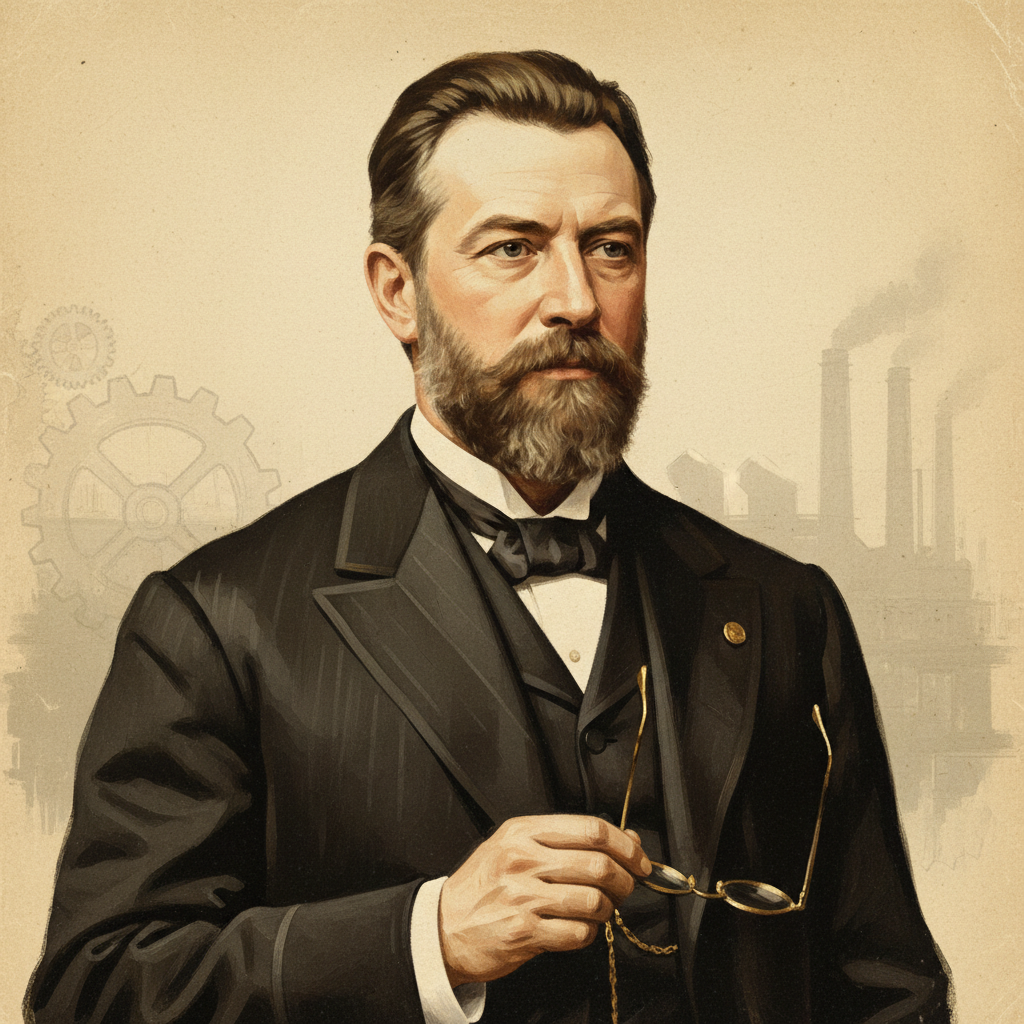
Portrait of Henry Ford
UNITED STATES / AUTOMOTIVE
Henry Ford
The architect of mass production, democratizing the automobile through efficiency and scale.
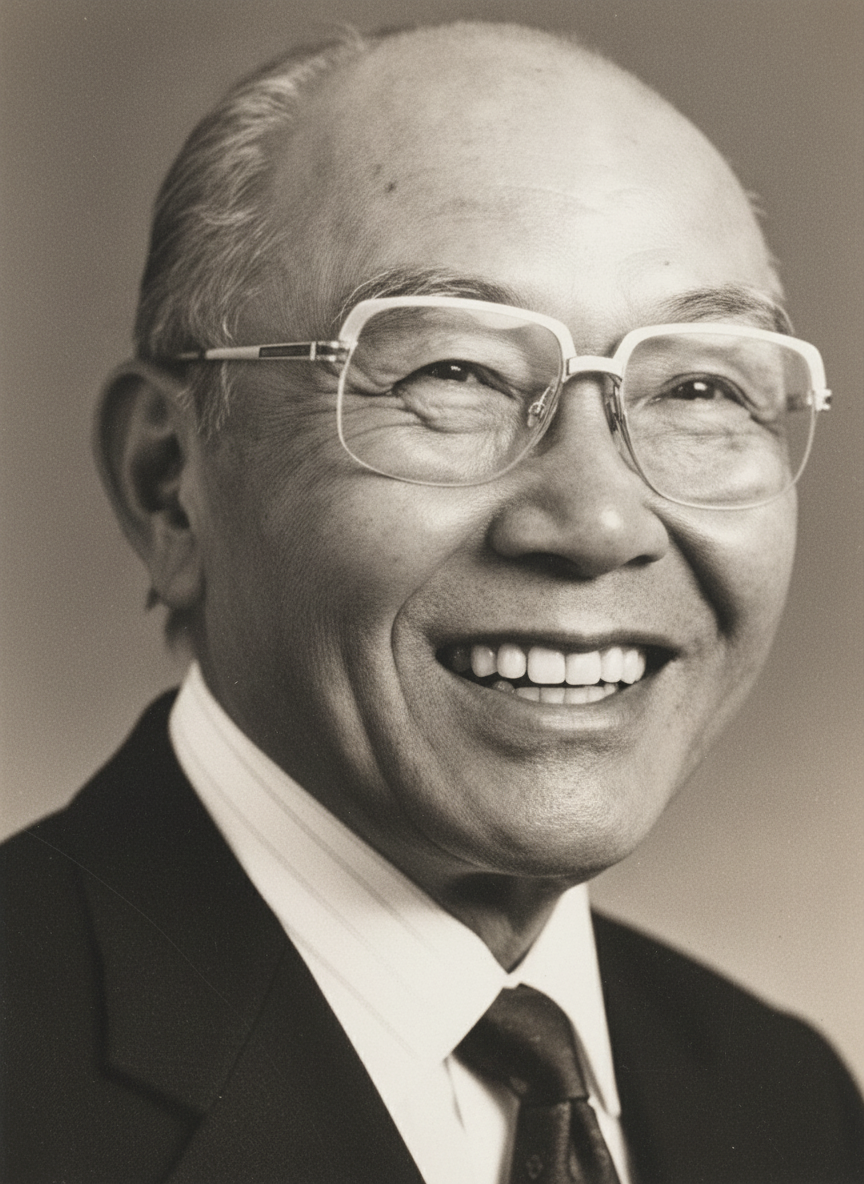
Portrait of Soichiro Honda
JAPAN / AUTOMOTIVE
Soichiro Honda
From garage mechanic to global automotive titan, Soichiro Honda built a legacy grounded in engineering prowess and entrepreneurial zeal.
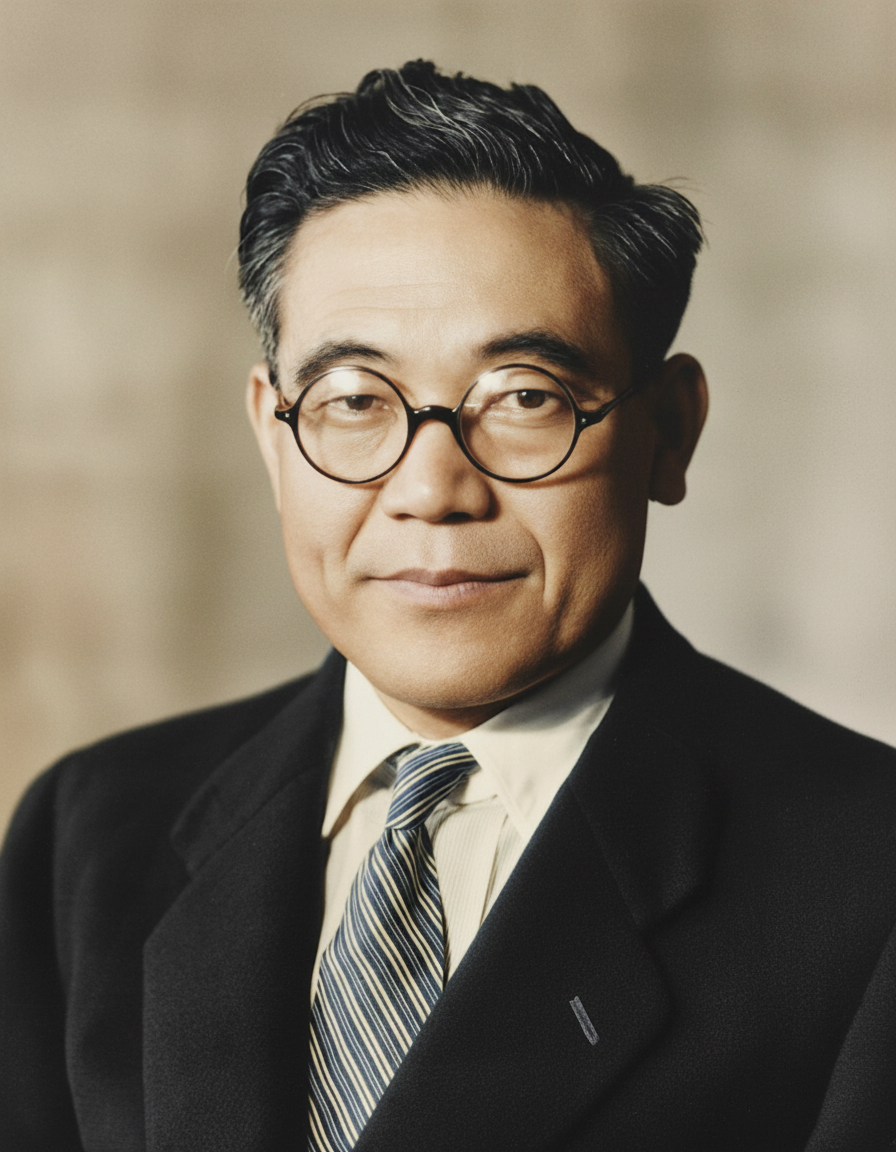
Portrait of Kiichiro Toyoda
JAPAN / AUTOMOTIVE
Kiichiro Toyoda
The engineer who pivoted a textile machinery company into a global automotive titan by relentlessly pursuing 'just-in-time' efficiency.
Portrait of Jean-Dominique Senard
FRANCE / AUTOMOTIVE
Jean-Dominique Senard
A pragmatic leader known for navigating complex corporate alliances and fostering industrial transformation.
Portrait of Stefan Winkelmann
GERMANY / AUTOMOTIVE
Stefan Winkelmann
The architect behind the contemporary resurgence and consistent elevation of iconic automotive brands, demonstrating mastery in brand identity, market positioning, and product strategy within the ultra-luxury and performance segments.
Portrait of Jost Capito
GERMANY / AUTOMOTIVE & MOTORSPORT
Jost Capito
A motorsport executive renowned for transforming underperforming teams into championship contenders through strategic leadership, operational restructuring, and fostering high-performance cultures.
Portrait of Håkan Samuelsson
SWEDEN / AUTOMOTIVE
Håkan Samuelsson
Architect of Volvo Cars' modern renaissance and electrification strategy.
Portrait of Tom Arseneault
UNITED STATES / AEROSPACE & DEFENSE
Tom Arseneault
Tom Arseneault: A leader in defense innovation and strategic growth, driving BAE Systems' North American trajectory.
Portrait of Madam C.J. Walker
UNITED STATES / BEAUTY, PERSONAL CARE, DIRECT SALES
Madam C.J. Walker
Pioneering African American entrepreneur who built a haircare empire and became a self-made millionaire.
Portrait of Carlos Tavares
PORTUGAL / AUTOMOTIVE
Carlos Tavares
Carlos Tavares: The Turnaround Architect of the Automotive Industry
United States

From United States

Browse all →
Portrait of Andrew Carnegie
UNITED STATES / STEEL & MANUFACTURING
Andrew Carnegie
The architect of American steel supremacy and a pioneering industrialist whose innovations in cost control and vertical integration reshaped global manufacturing.
Portrait of Warren Buffett
UNITED STATES / INVESTING
Warren Buffett
The Oracle of Omaha: Architect of long-term value investing and compounding returns through disciplined acquisition and intrinsic value focus.
Portrait of Jeff Bezos
UNITED STATES / TECHNOLOGY, RETAIL, LOGISTICS, CLOUD COMPUTING, SPACE EXPLORATION
Jeff Bezos
Architect of Amazon, pioneer of e-commerce, and visionary across cloud computing, logistics, and space exploration.
Portrait of Bill Gates
UNITED STATES / SOFTWARE, TECHNOLOGY, PHILANTHROPY
Bill Gates
Co-founder of Microsoft, architect of the personal computing revolution, and global philanthropist.
Portrait of Sam Walton
UNITED STATES / RETAIL
Sam Walton
The architect of modern retail, pioneering discount merchandising and logistical efficiency to establish the world's largest retail corporation.
Portrait of Mark Cuban
UNITED STATES / TECHNOLOGY, MEDIA, SPORTS, HEALTHCARE
Mark Cuban
Mark Cuban: The Prolific Disrupter – From Software Startups to Sports Franchises and Pharmaceutical Innovation, Leveraging Technology and Direct-to-Consumer Models.
Portrait of Mohnish Pabrai
UNITED STATES / FINANCIAL SERVICES
Mohnish Pabrai
The Dhandho Investor: A Value Investing Maverick.
Portrait of Henry Ford
UNITED STATES / AUTOMOTIVE
Henry Ford
The architect of mass production, democratizing the automobile through efficiency and scale.
Portrait of Walt Disney
UNITED STATES / ENTERTAINMENT
Walt Disney
Co-founder of The Walt Disney Company, pioneering animation, theme parks, and diversified entertainment.
Portrait of Thomas Edison
UNITED STATES / INDUSTRIAL & ENERGY
Thomas Edison
The Prolific Inventor and Industrialist Who Electrified the World and Standardized Innovation.