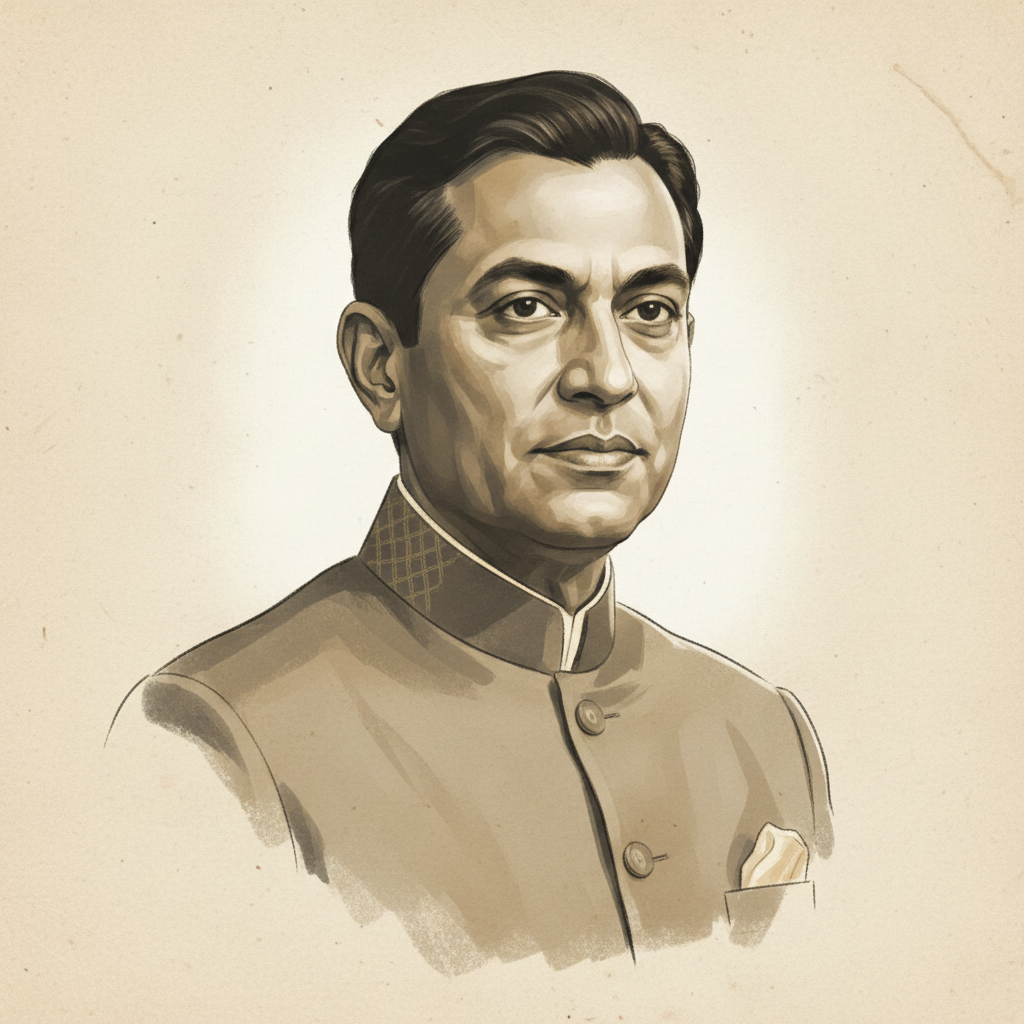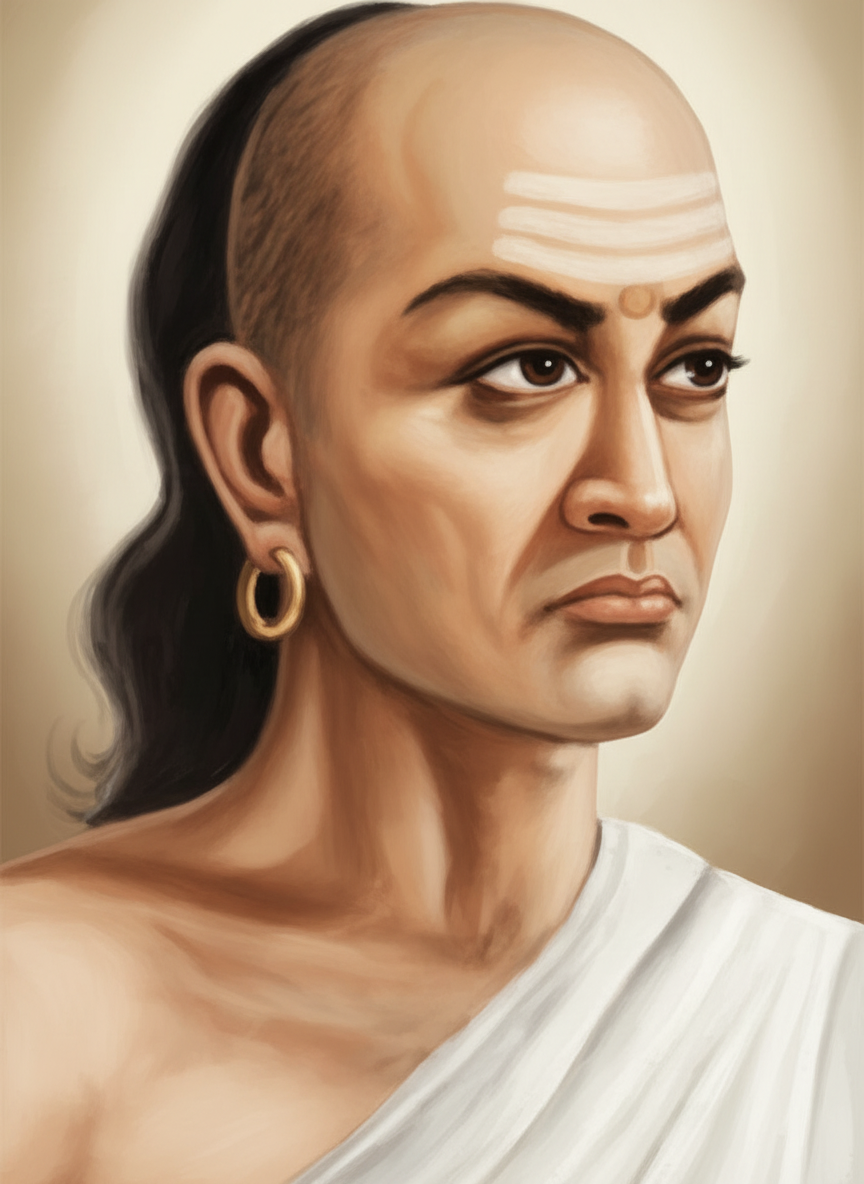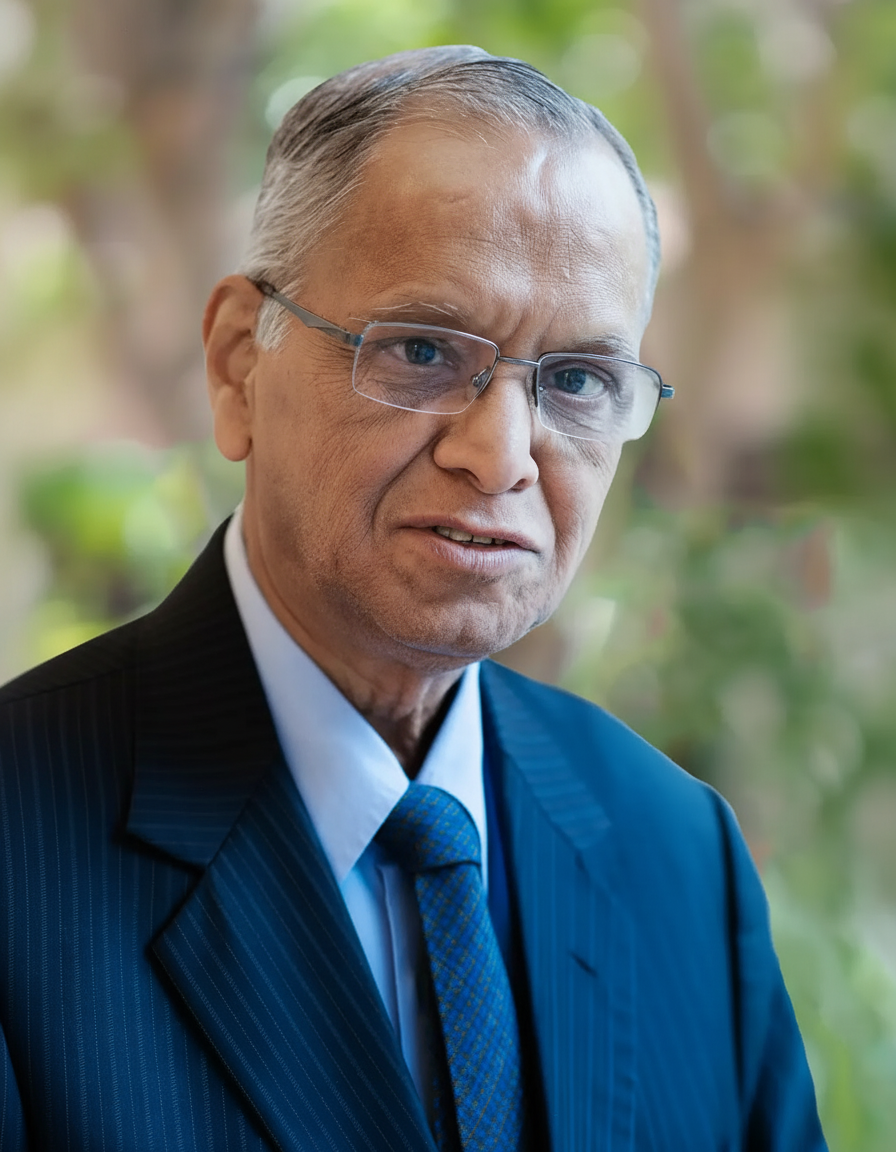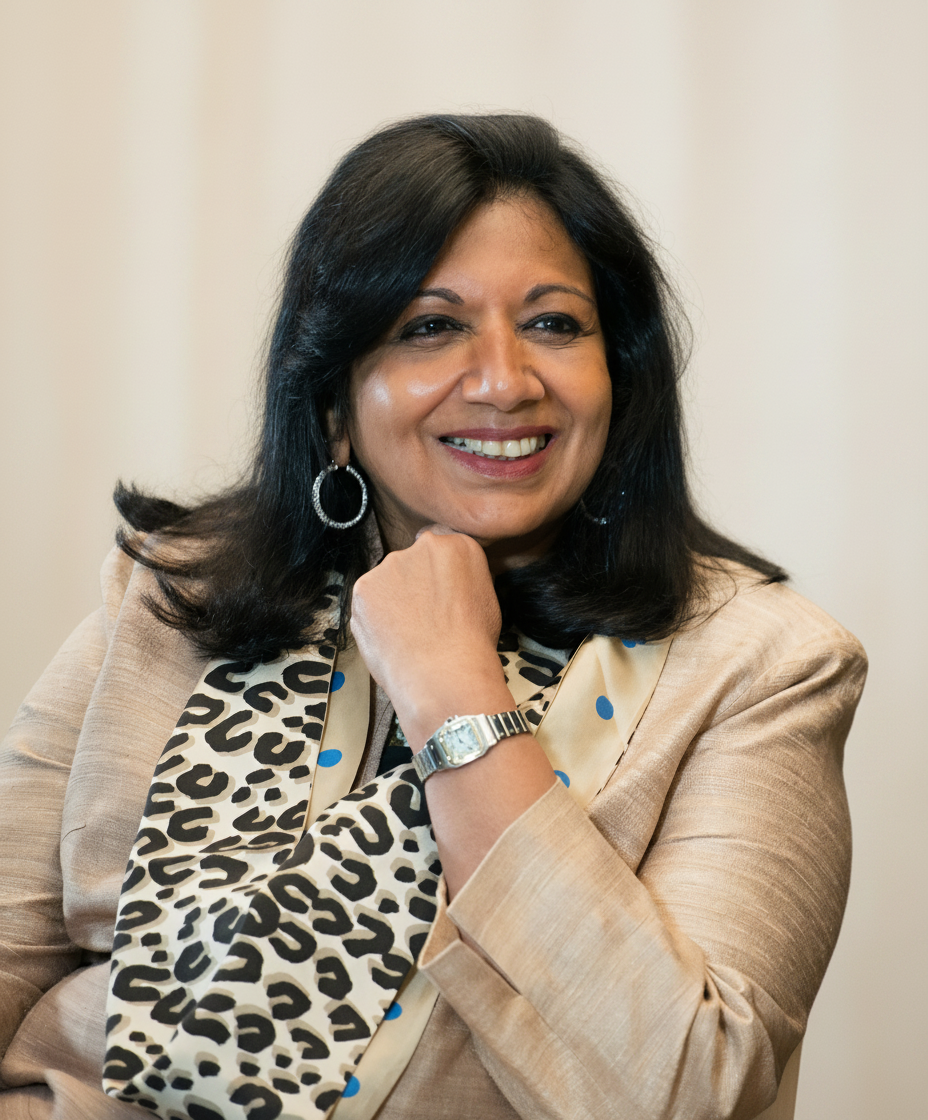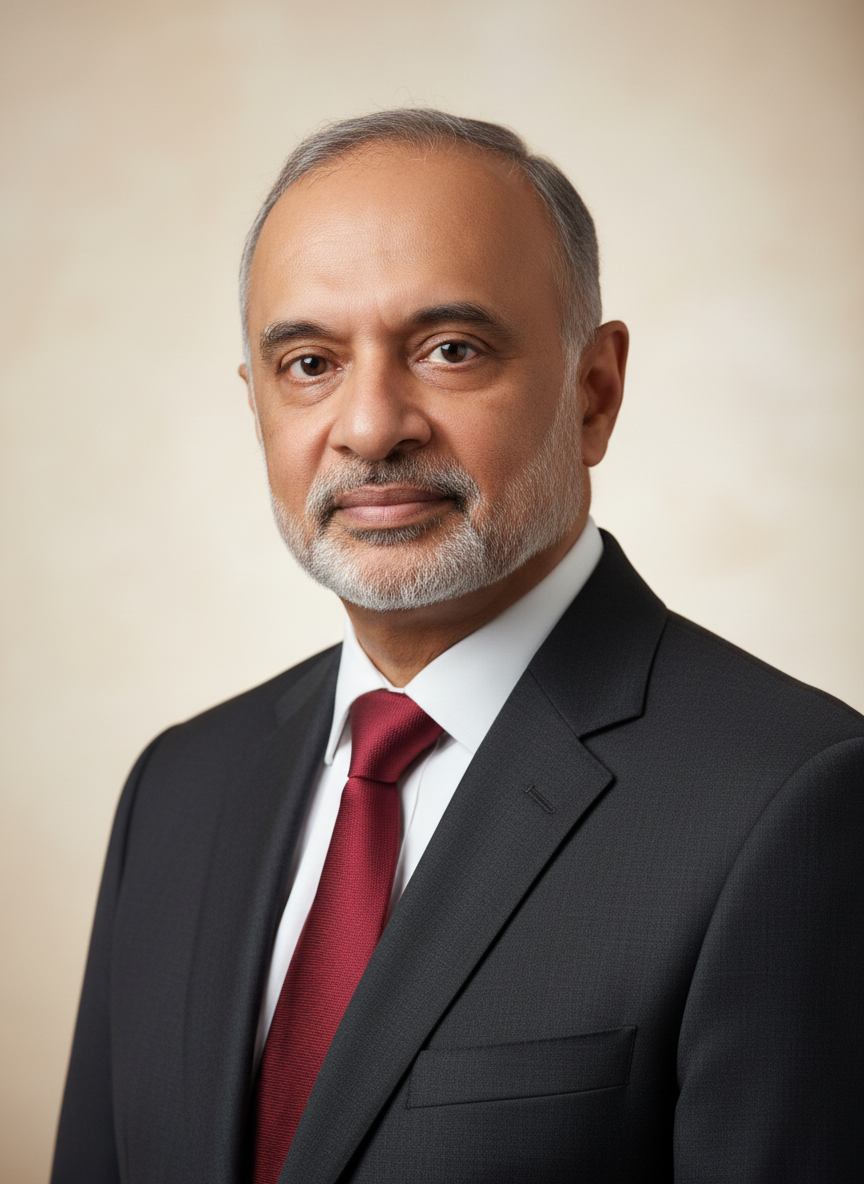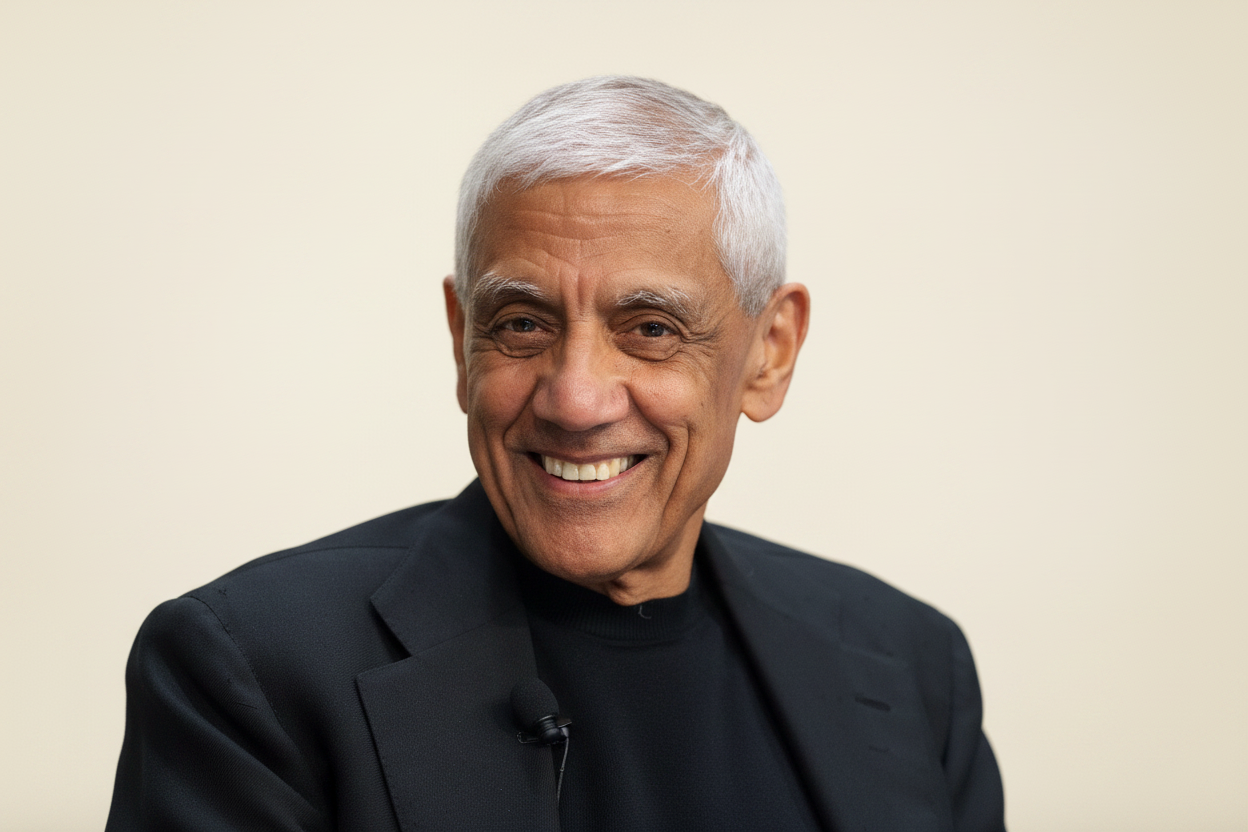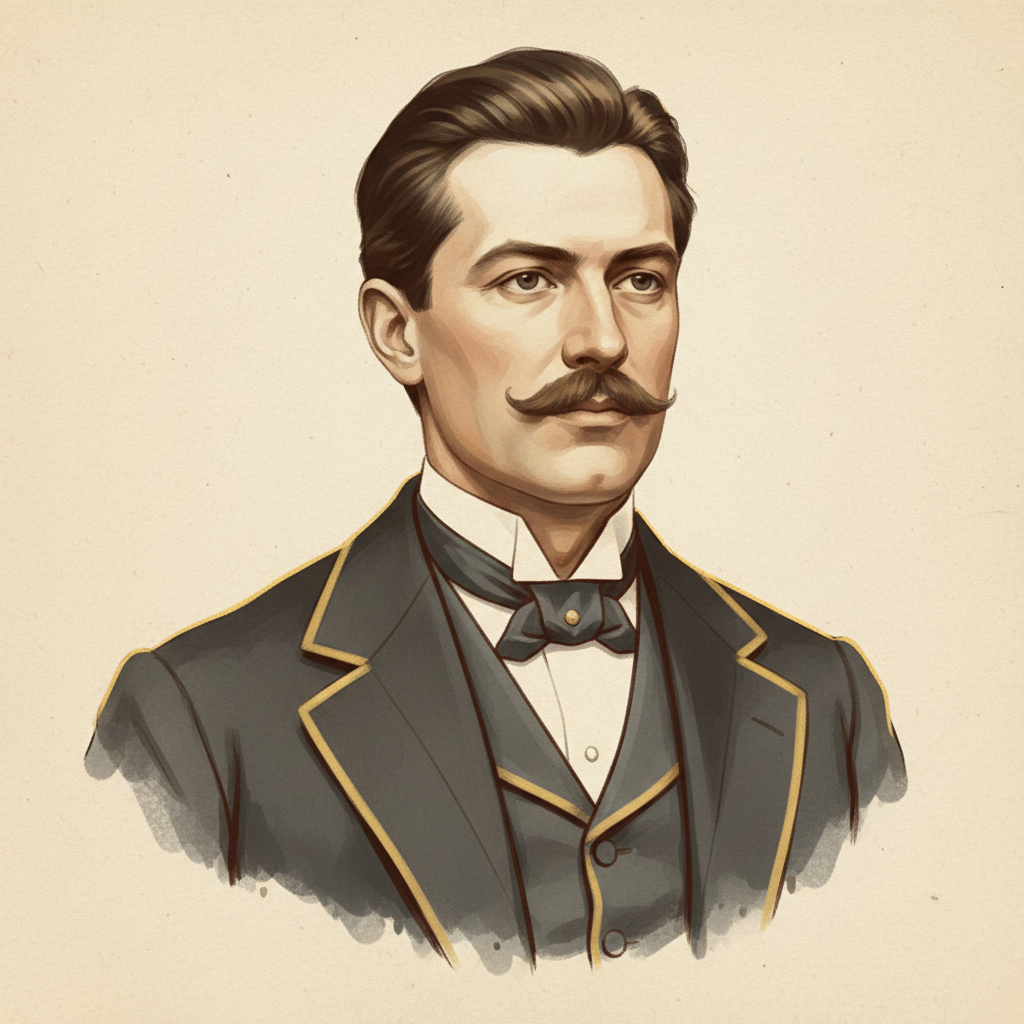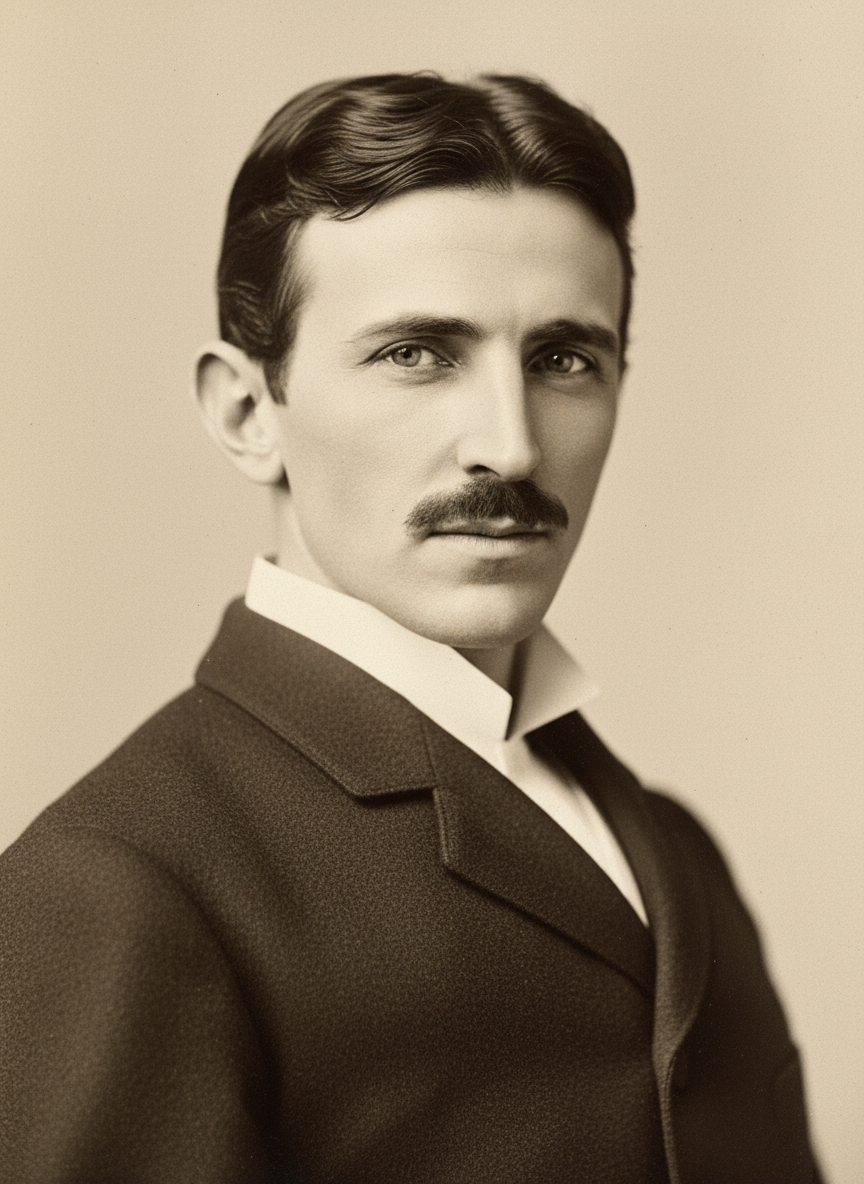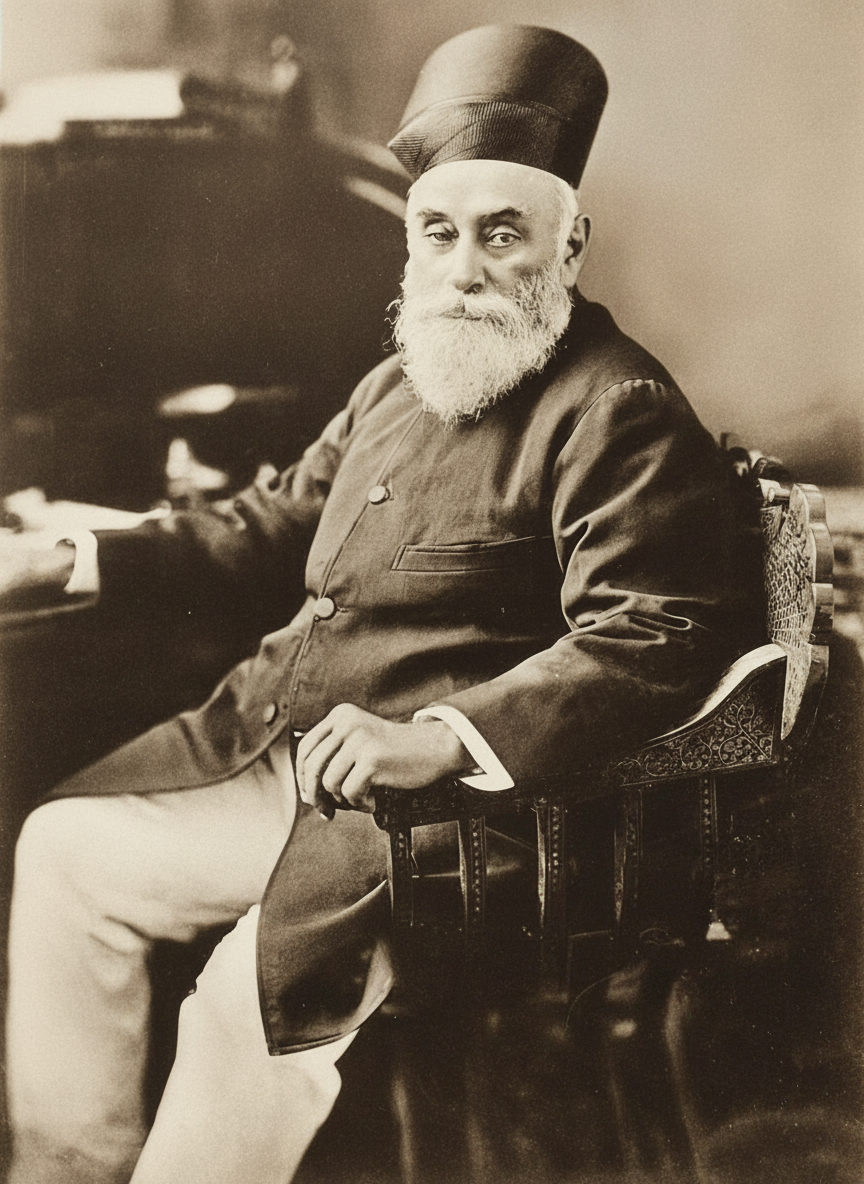
Portrait of Jamsetji Tata
Historical Mind · 1839 — 1904

Jamsetji Tata

Pioneering industrialist who laid the institutional foundations for India's steel, energy, hospitality, and scientific infrastructure.

Country
India
Continent
Asia
Industry
Conglomerate / Heavy Industry
Role
Founder, Tata Group

Jamsetji Nusserwanji Tata (1839-1904) was an industrial pioneer who transformed mercantile trading capital into primary industrial capacity. Regarded as the father of modern Indian enterprise, he built the country's most advanced automated textile operations and engineered the comprehensive blueprints for India's first integrated steel plant, commercial hydroelectric utility, premier research university, and world-class luxury hospitality sector.

Biography

Born into a Parsi priestly family in Navsari, Gujarat, Jamsetji Tata entered commercial enterprise through his father's mercantile export house in Bombay. After graduating from Elphinstone College in 1858, he spent nearly a decade establishing trading posts in Hong Kong, Shanghai, and London, gaining firsthand exposure to British industrial manufacturing, maritime supply chains, and global commodity arbitrage. In 1869, he acquired a bankrupt oil mill in Chinchpokli, converted it into a cotton manufacturing mill named Alexandra Mills, and executed a profitable sale within two years to fund greenfield expansion. Recognizing that prevailing textile ventures in Bombay faced acute land constraints and long transport routes, Tata established the Central India Spinning, Weaving, and Manufacturing Company at Nagpur in 1877 (Empress Mills). By choosing Nagpur, he minimized capital expenditures via proximity to central Indian raw cotton belts, abundant coal reserves at Warora, and optimal rail junctions to domestic consumer markets. At Empress Mills, he introduced the experimental ring spindle before Lancashire adopted it, while deploying pioneering industrial welfare programs including pension funds, medical dispensaries, accident insurance, and on-site ventilation. Throughout the late 19th century, Tata identified four foundational deficits preventing industrial self-reliance: integrated metallurgy, accessible electrical energy, indigenous scientific capability, and premium commercial hospitality. In 1903, he opened the Taj Mahal Palace Hotel in Bombay, the first Indian hotel with electric power, American cooling fans, and German lifts. Concurrently, he spent the final two decades of his life financing global geological surveys with American metallurgist Charles Page Perin to locate iron ore deposits in Mayurbhanj, structuring hydro-catchment engineering in the Western Ghats, and endowing half his personal wealth (14 properties in Bombay) to establish an advanced technical institution. Though he died in Bad Nauheim, Germany, in 1904, his execution blueprints resulted directly in the incorporation of Tata Iron and Steel Company (1907), the Indian Institute of Science (1909), and Tata Hydro-Electric Power Supply Company (1910).

Accomplishments

  • 01Commissioned Empress Mills in Nagpur (1877), executing one of India's earliest adoptions of high-speed ring spinning and vertical operational integration.
  • 02Engineered the strategic and resource planning for the Tata Iron and Steel Company (TISCO) at Sakchi (now Jamshedpur), establishing India's first modern integrated steelworks.
  • 03Formulated the hydrological and civil engineering plan for the Tata Hydro-Electric Power Supply Company, harnesssing heavy monsoon runoff from the Western Ghats to power industrial Bombay.
  • 04Financed and constructed the Taj Mahal Palace Hotel in Bombay (opened 1903), establishing modern hospitality infrastructure to attract international capital and commercial travelers.
  • 05Endowed half his personal estate in 1898 to fund a premier domestic institution for pure and applied research, realizing the Indian Institute of Science (IISc) in Bangalore.
  • 06Pioneered structured human capital systems in Indian manufacturing decades before statutory mandates, introducing eight-hour shifts, workplace ventilation, free medical care, and provident funds.

Lessons for Operators

Optimize factory site selection for total supply chain economics rather than proximity to existing financial centers; locating near raw inputs and distribution nodes yields permanent margin advantages.
Embrace process innovation early: adopt unproven but mechanically superior technology (such as ring spindles over traditional mule spindles) before entrenched competitors do.
De-risk massive industrial bets through uncompromising technical diligence; engage world-class subject-matter experts (such as Charles Page Perin and C.M. Weld) to survey resources before breaking ground.
Worker welfare is not a cost center but an operational lever to suppress attrition, reduce strike risks, and secure high unit productivity in high-turnover labor environments.
Institutional legacy requires patient, multi-decade capital structures that can absorb cyclical downturns and survive generational leadership transitions.
The Operator's Playbook

Key Takeaways

Practical lessons distilled for operators, investors, C-levels, and capital allocators.

Lesson 01

Supply Chain Primacy Over Prestige Logistics

Jamsetji bypassed fashionable industrial districts in Bombay to build Empress Mills in Nagpur, radically reducing freight costs for raw cotton and coal, proving that input economics trump established geographic prestige.

Lesson 02

Industrial Infrastructure as an Integrated Ecosystem

He treated steel, electrical power, human capital development, and hospitality as a symbiotic platform required to transform a colonial agrarian market into a self-sustaining industrial economy.

Lesson 03

Scientific Rigor in Capital Allocation

Instead of relying on bureaucratic concession grants, he personally underwrote comprehensive, multi-year mineral prospecting campaigns to locate high-grade iron ore with optimal chemical profiles (low phosphorus and sulfur).

Lesson 04

Strategic Philanthropy as Economic Moat

By institutionalizing family wealth into irrevocable charitable trusts tied to industrial shares, Tata created a self-reinforcing capital structure insulated from predatory dilution and aligned with public interest.

Mental Models

Frameworks & Principles

Named frameworks and strategic principles they popularized or embodied.

01

The Strategic Triangle of Heavy Industrialization

A capital allocation framework predicated on simultaneously developing primary metals (steel), scalable utility power (hydro/electricity), and high-caliber human capital (applied scientific research). Without all three legs established, industrialization remains reliant on imported capital goods and foreign technical expertise.

When to useUse when evaluating sovereign infrastructure strategies, greenfield emerging-market industrial bets, or industrial venture investments requiring complex local supply chain ecosystems.

02

Upstream Resource-Gravity Site Selection

An operational model that computes the optimal physical location of a processing plant by minimizing aggregate ton-mile logistics costs of high-mass, low-value raw inputs (coal, iron, water, agricultural commodities) relative to final market distribution nodes, rather than defaulting to commercial administrative centers.

When to useApply during site-selection evaluations for high-throughput industrial plants, data centers, clean-tech refining, and heavy manufacturing facilities.

Citations

Sources & Further Reading

Profiles, interviews, podcasts, and articles used to compile and verify this entry. Each link opens at the original publisher.

Adjacent Minds

Explore Related Titans

Other figures in the archive who share Jamsetji Tata's domain, geography, or era.

Industrial & Manufacturing

More in Industrial & Manufacturing
Browse all →
Portrait of Mukesh Ambani
INDIA / CONGLOMERATE
Mukesh Ambani
India's transformative conglomerate architect, driving digital and retail revolutions.
Portrait of Richard Branson
UNITED KINGDOM / CONGLOMERATE
Richard Branson
The Maverick Billionaire: Pioneering and Proliferating the Virgin Brand Across Diverse Sectors.
Portrait of Marcus Aurelius
ROMAN EMPIRE / GOVERNMENT & DEFENSE
Marcus Aurelius
Stoic statesman who navigated pandemic, frontier warfare, and fiscal shocks through disciplined governance and ethical restraint.
Portrait of Charles Koch
UNITED STATES / DIVERSIFIED CONGLOMERATE
Charles Koch
Architect of Koch Industries' diversified growth and proponent of market-based management.
Portrait of Mohammed Dewji
TANZANIA / DIVERSIFIED CONGLOMERATES
Mohammed Dewji
Architect of East African industrialization who scaled MeTL from a $30M merchant into a $2B+ vertically integrated manufacturing powerhouse.
Portrait of Natarajan Chandrasekaran
INDIA / CONGLOMERATE MANAGEMENT
Natarajan Chandrasekaran
Architect of Tata Group's digital transformation and strategic consolidation.
Portrait of Ruth Handler
UNITED STATES / TOY MANUFACTURING, BUSINESS MANAGEMENT, ENTREPRENEURSHIP
Ruth Handler
Ruth Handler revolutionized the toy industry as co-founder of Mattel and the visionary creator of the Barbie doll, transforming play patterns and consumer markets.
Portrait of Li Ka-shing
HONG KONG / CONGLOMERATE (DIVERSIFIED)
Li Ka-shing
From plastics to global ports, infrastructure, and telecoms: A master of diversified conglomerate building and strategic asset allocation.
Portrait of S. P. Lohia
INDIA (BY ORIGIN), INDONESIA (BY OPERATIONS) / PETROCHEMICALS, TEXTILES, FERTILIZERS, POLYMERS
S. P. Lohia
The architect of a global petrochemical and textile conglomerate built on strategic acquisitions and vertical integration.
Portrait of Mohammed Al-Mady
SAUDI ARABIA / CHEMICALS & PETROCHEMICALS
Mohammed Al-Mady
Architect of Global Petrochemical Expansion and Diversification.
India

From India

Browse all →
Portrait of Mukesh Ambani
INDIA / CONGLOMERATE
Mukesh Ambani
India's transformative conglomerate architect, driving digital and retail revolutions.
Portrait of Chanakya
INDIA / GOVERNMENT & PUBLIC POLICY, CONSULTING
Chanakya
The architect of unified India, master strategist, and foundational thinker in statecraft and economics.
Portrait of Anshu Jain
INDIA / FINANCIAL SERVICES
Anshu Jain
Anshu Jain: The architect of Deutsche Bank's global investment banking prowess, demonstrating aggressive expansion and risk management in a shifting financial landscape.
Portrait of Shailesh Jejurikar
INDIA / CONSUMER GOODS, PRIVATE EQUITY
Shailesh Jejurikar
A transformational executive with a distinguished career at Procter & Gamble, now leveraging deep operational expertise in private equity.
Portrait of BYJU Raveendran
INDIA / ED-TECH
BYJU Raveendran
Byju Raveendran transformed educational delivery in India, leveraging digital platforms to scale personalized learning and create a multi-billion dollar ed-tech enterprise.
Portrait of Narayana Murthy
INDIA / INFORMATION TECHNOLOGY
Narayana Murthy
Pioneered India's global IT services export boom through ethical leadership and software innovation.
Portrait of Natarajan Chandrasekaran
INDIA / CONGLOMERATE MANAGEMENT
Natarajan Chandrasekaran
Architect of Tata Group's digital transformation and strategic consolidation.
Portrait of Kiran Mazumdar Shaw
INDIA / BIOTECHNOLOGY, PHARMACEUTICALS
Kiran Mazumdar Shaw
Pioneering Indian biotechnology, transforming innovation into accessible healthcare.
Portrait of Piyush Gupta
INDIA / FINANCIAL SERVICES
Piyush Gupta
Architect of DBS's digital transformation and leading global recognition for banking innovation.
Portrait of Vinod Khosla
INDIA / VENTURE CAPITAL, TECHNOLOGY
Vinod Khosla
Co-founder of Sun Microsystems and influential venture capitalist, known for his early and often contrarian bets on disruptive technologies.
Same Era

Contemporaries — 19th century
Browse all →
Portrait of Andrew Carnegie
UNITED STATES / STEEL & MANUFACTURING
Andrew Carnegie
The architect of American steel supremacy and a pioneering industrialist whose innovations in cost control and vertical integration reshaped global manufacturing.
Portrait of Henry Ford
UNITED STATES / AUTOMOTIVE
Henry Ford
The architect of mass production, democratizing the automobile through efficiency and scale.
Portrait of Thomas Edison
UNITED STATES / INDUSTRIAL & ENERGY
Thomas Edison
The Prolific Inventor and Industrialist Who Electrified the World and Standardized Innovation.
Portrait of J. Pierpont Morgan
UNITED STATES / BANKING & FINANCE
J. Pierpont Morgan
The architect of American industrial capitalism and financial stability.
Portrait of John D. Rockefeller
UNITED STATES / OIL & ENERGY
John D. Rockefeller
Architect of Standard Oil: Pioneering Vertical and Horizontal Integration in the Petroleum Industry.
Portrait of Konosuke Matsushita
JAPAN / CONSUMER ELECTRONICS
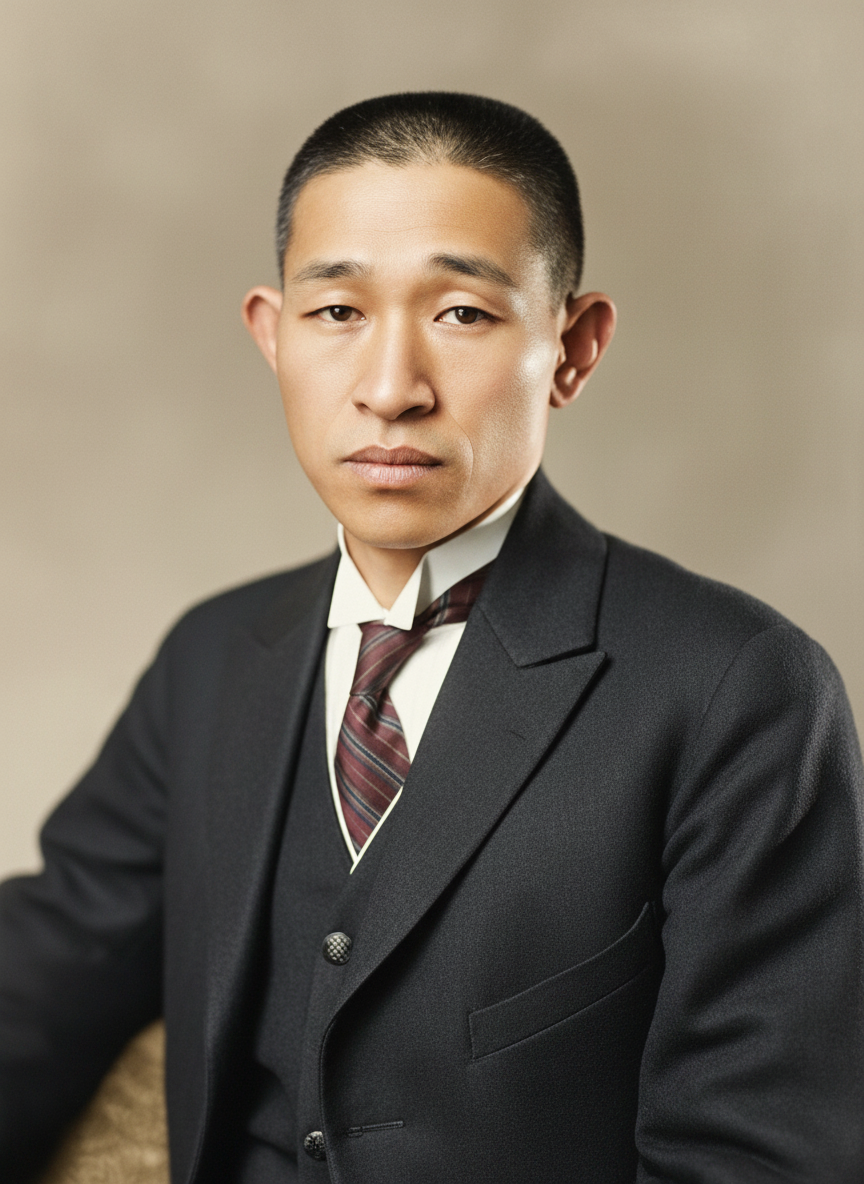
Konosuke Matsushita
The Founder of Panasonic, pioneered mass-market electronics and the 'management philosophy' approach to business.
Portrait of Coco Chanel
FRANCE / FASHION & LUXURY
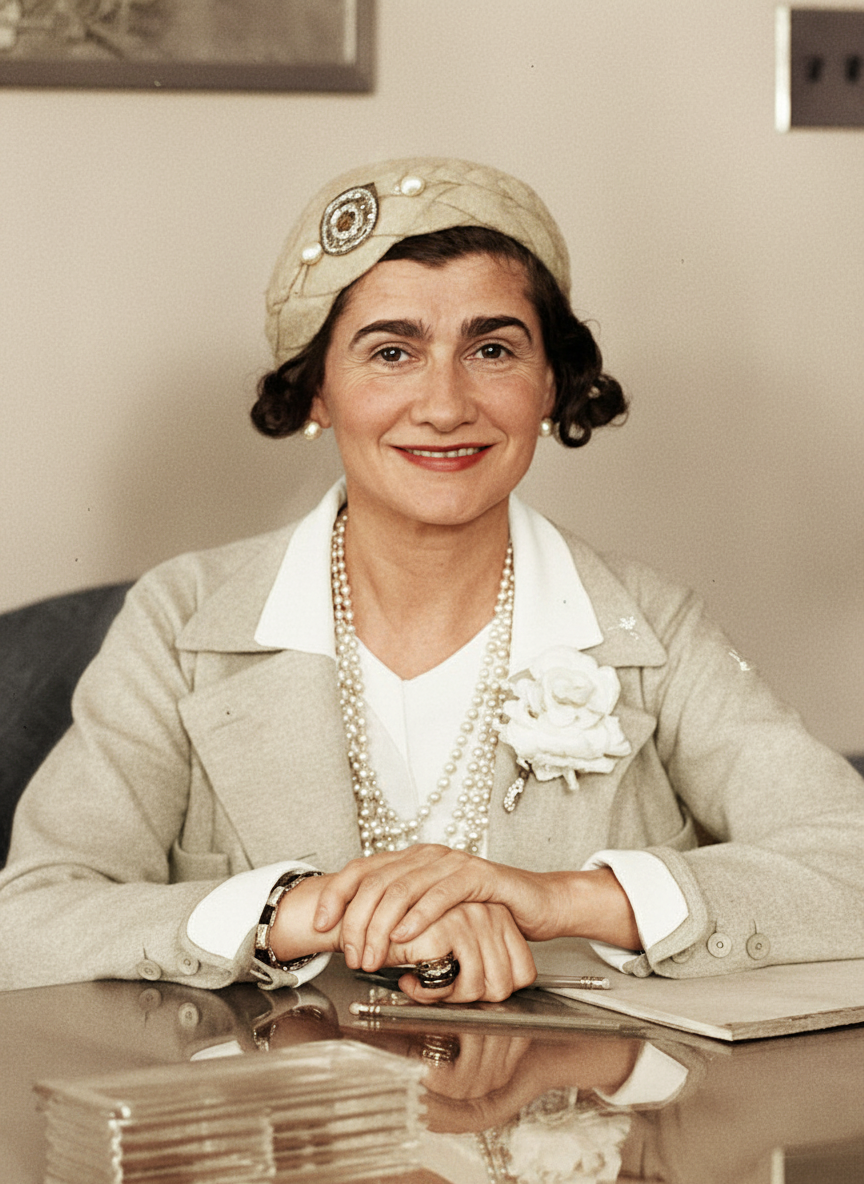
Coco Chanel
The architect of modern female fashion, transforming haute couture into an empire of timeless style and aspirational luxury.
Portrait of Madam C.J. Walker
UNITED STATES / BEAUTY & COSMETICS
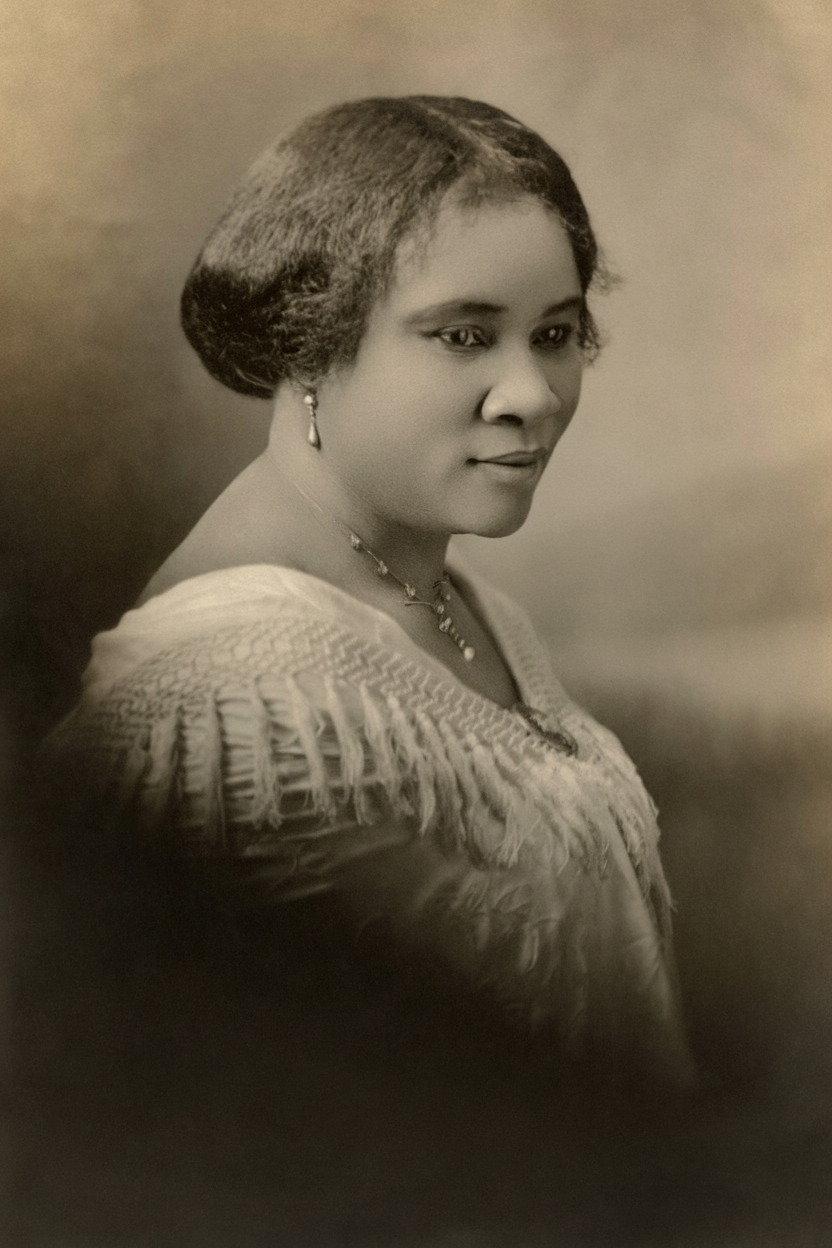
Madam C.J. Walker
America's First Self-Made Woman Millionaire, Founder of a Global Haircare and Cosmetics Empire.
Portrait of Henry J. Heinz
UNITED STATES / FOOD & BEVERAGE
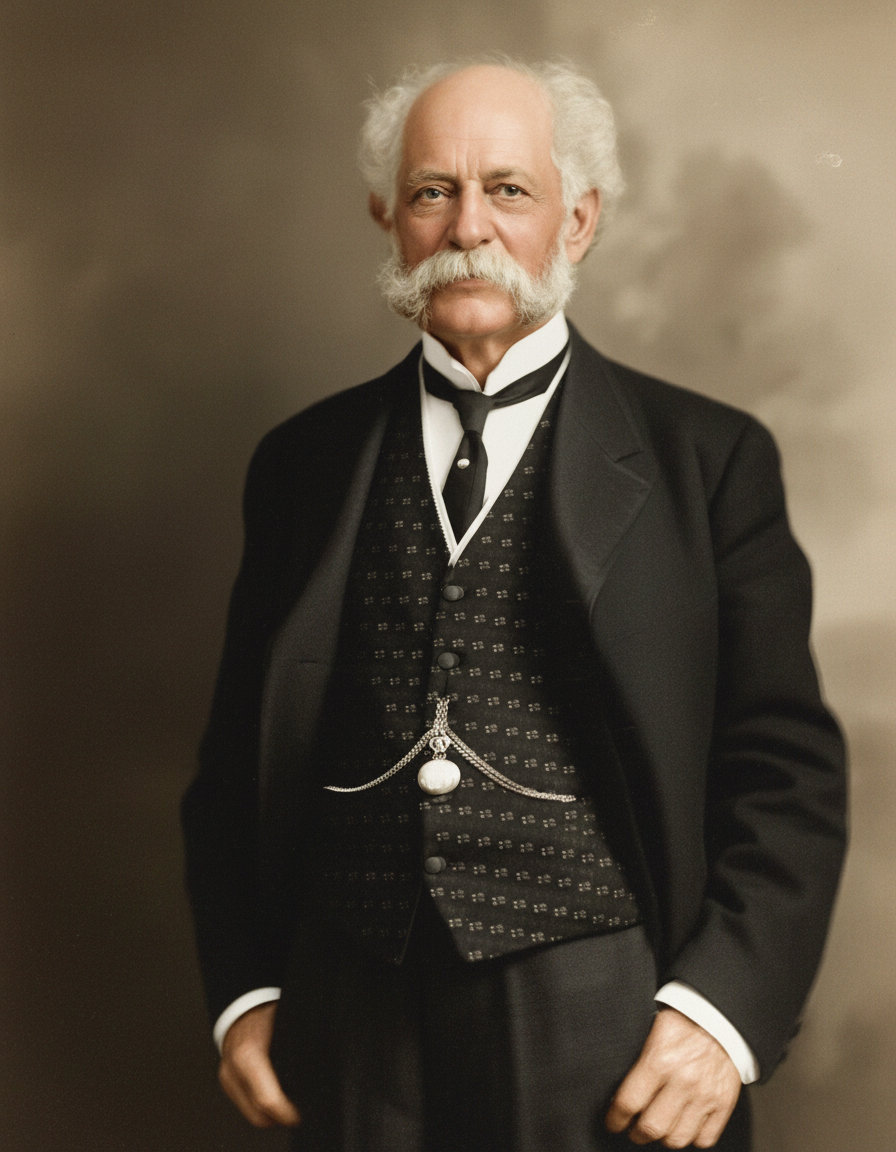
Henry J. Heinz
Henry J. Heinz: The pioneer of branded foods, meticulous quality, and innovative marketing, transforming the food industry from local bulk sales to a trusted global enterprise.
Portrait of Nikola Tesla
SERBIA / ELECTRICAL ENGINEERING, ENERGY, TELECOMMUNICATIONS
Nikola Tesla
Nikola Tesla: The visionary engineer whose innovations in alternating current laid the foundation for modern electrical power systems, driving the second industrial revolution.