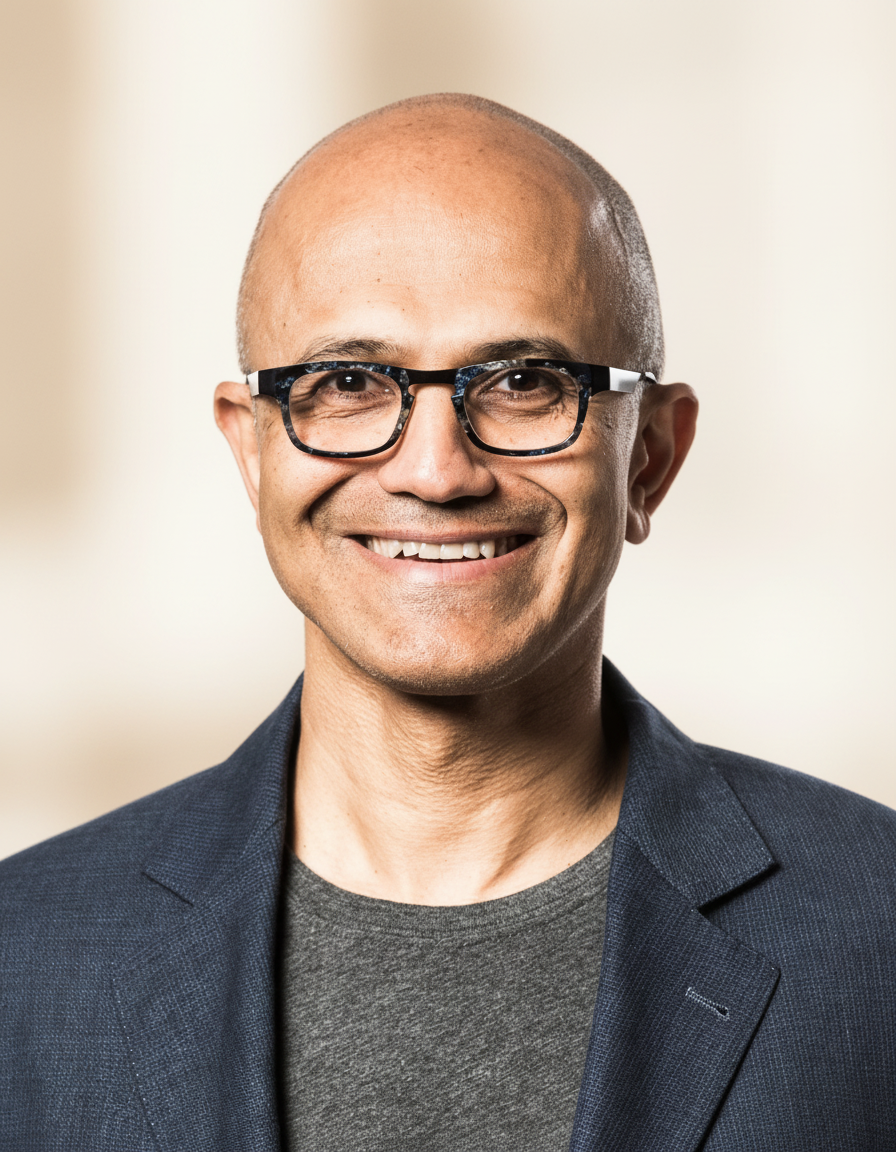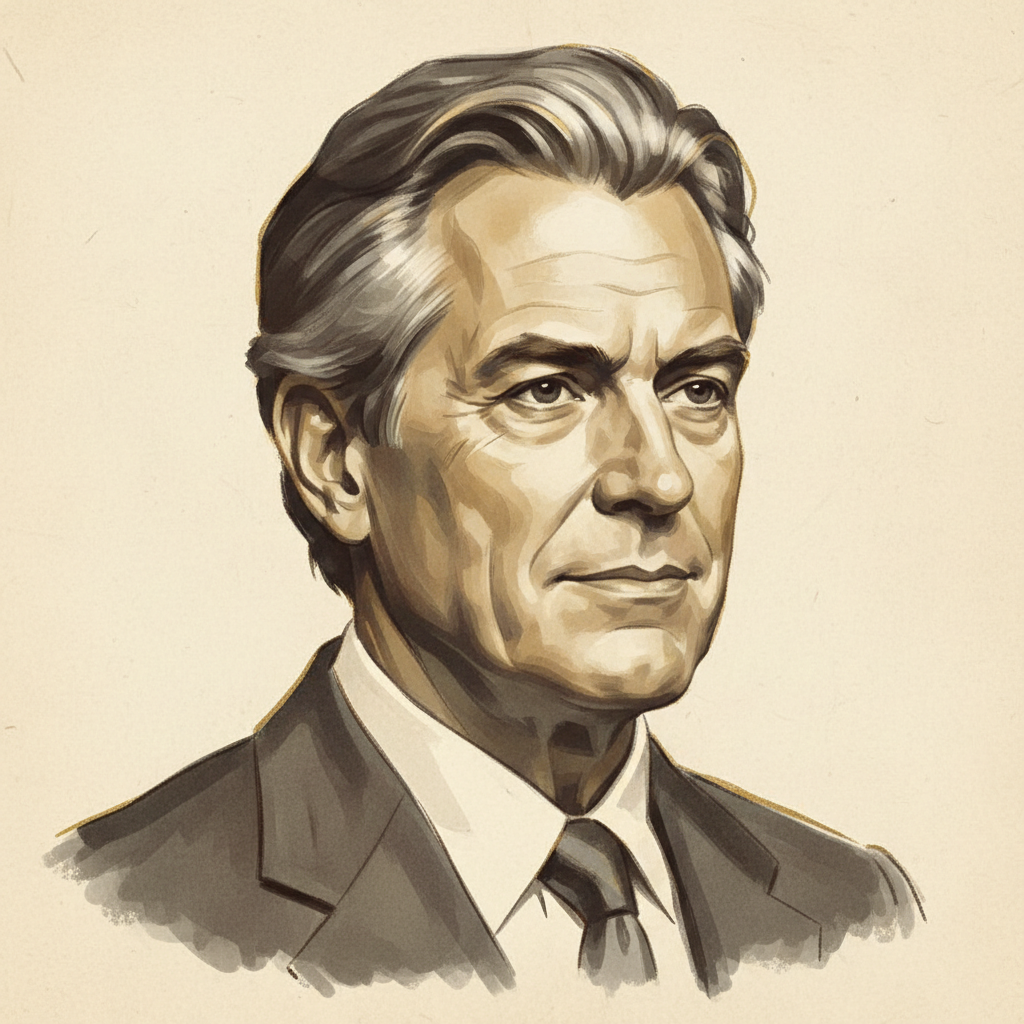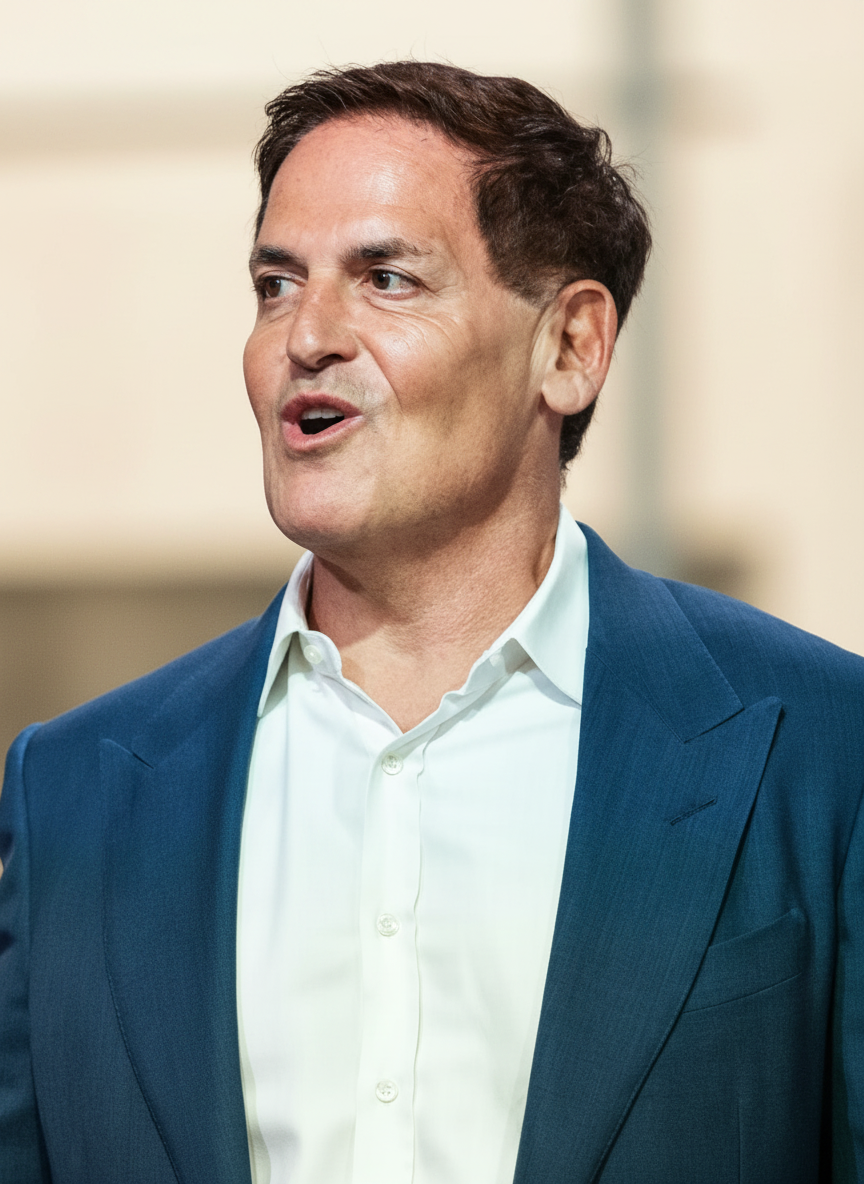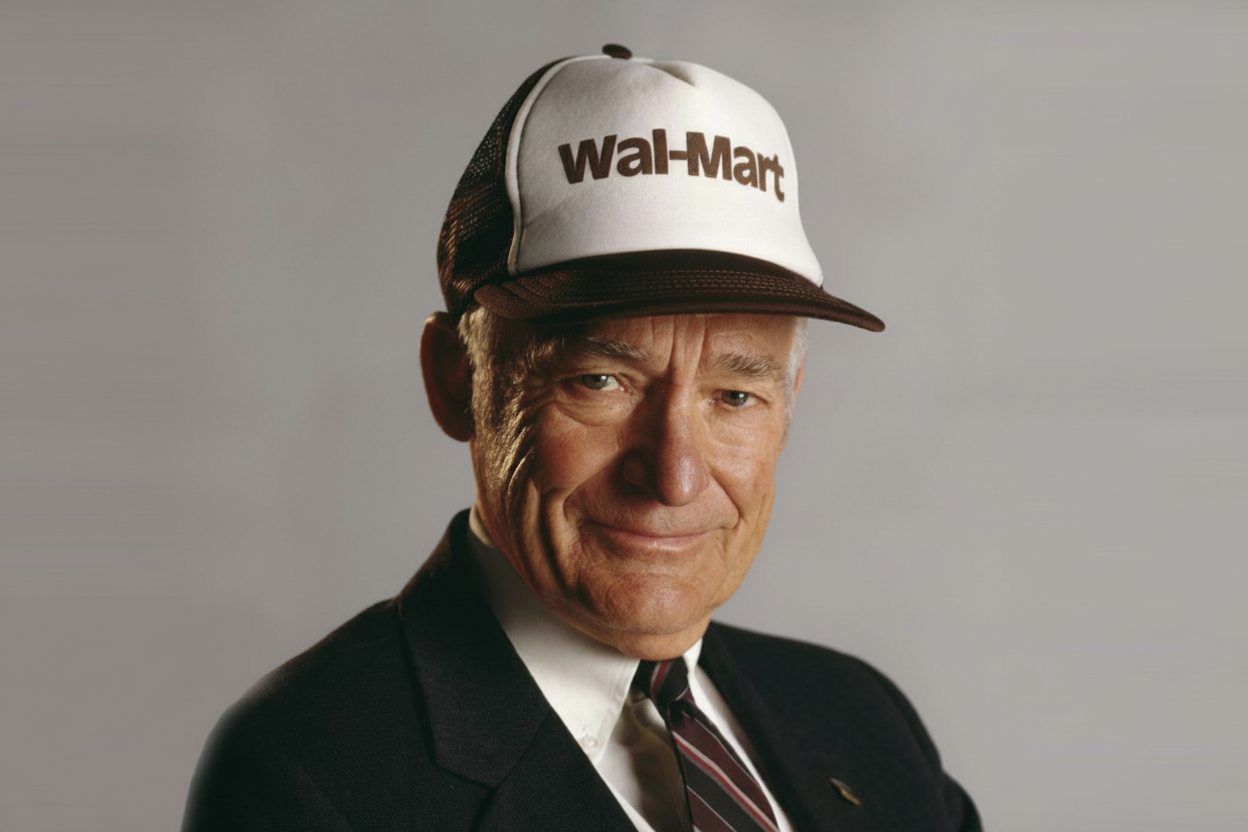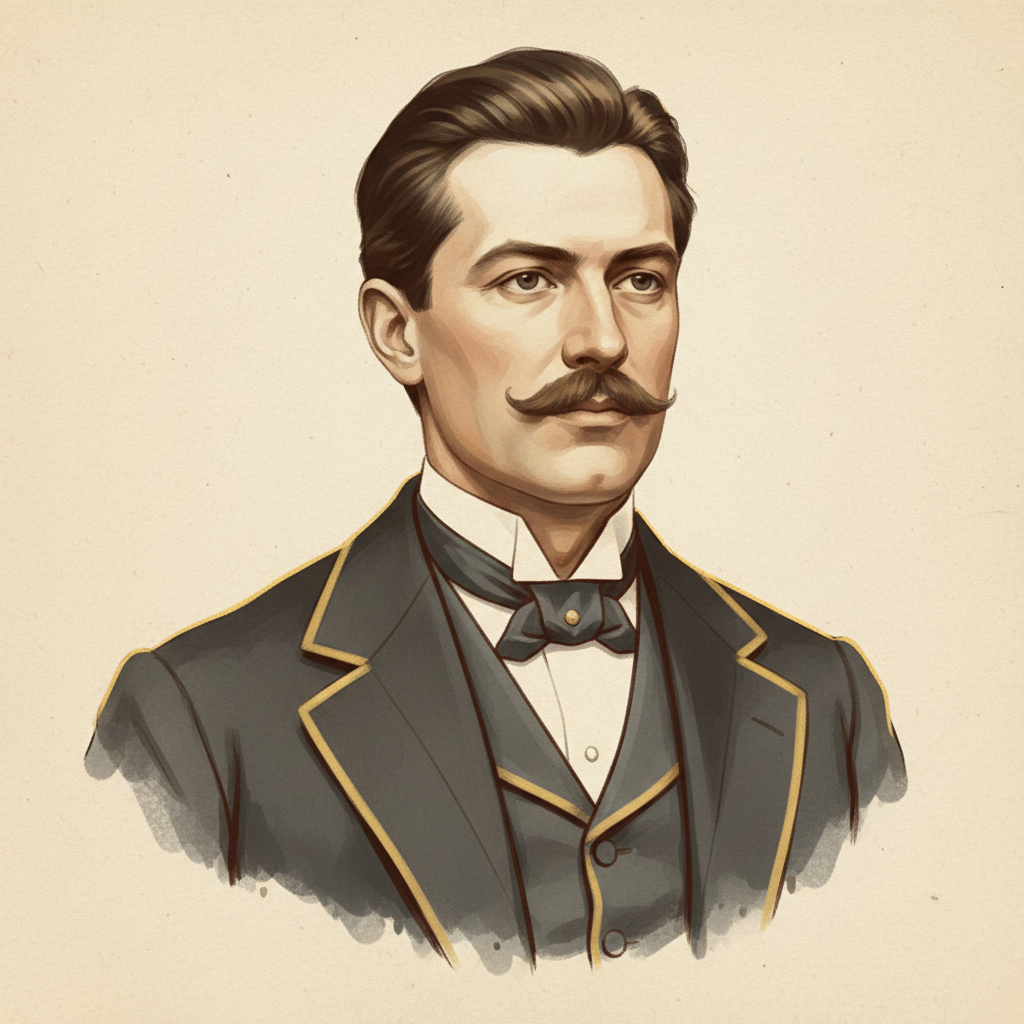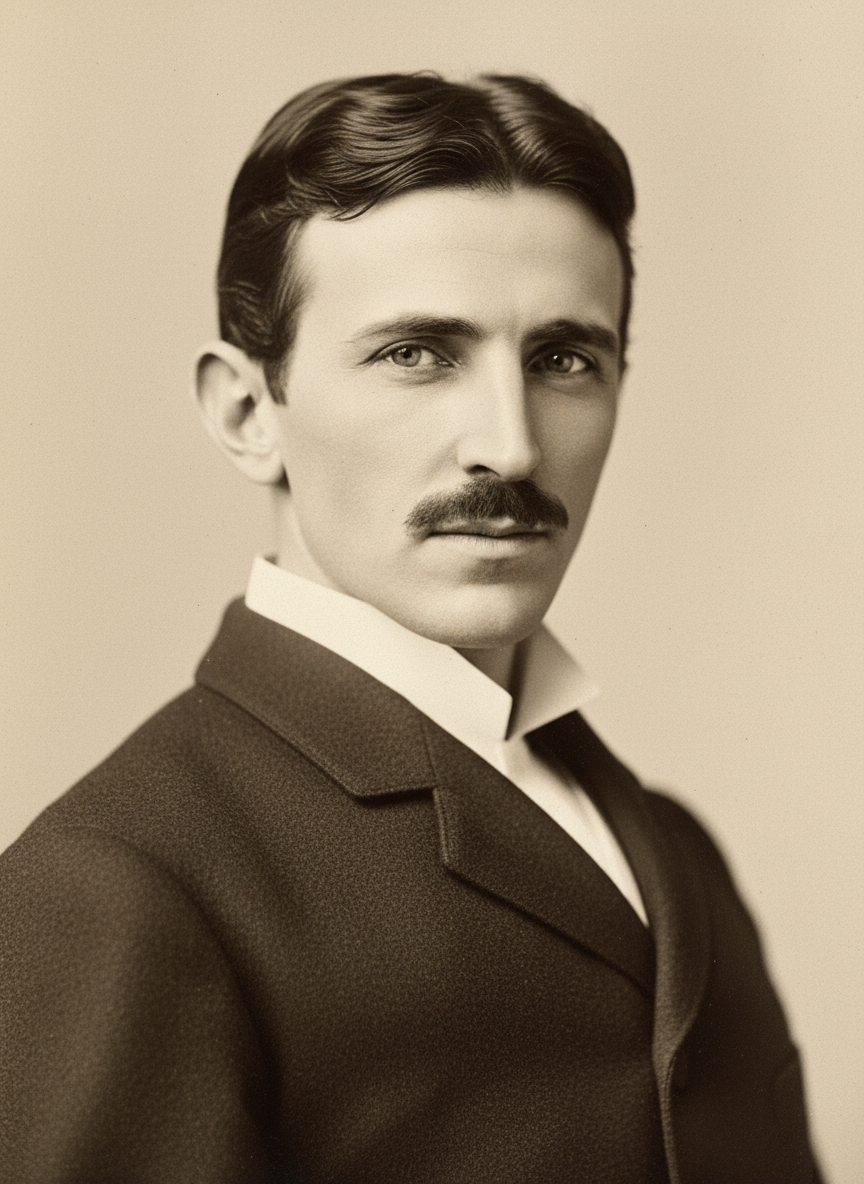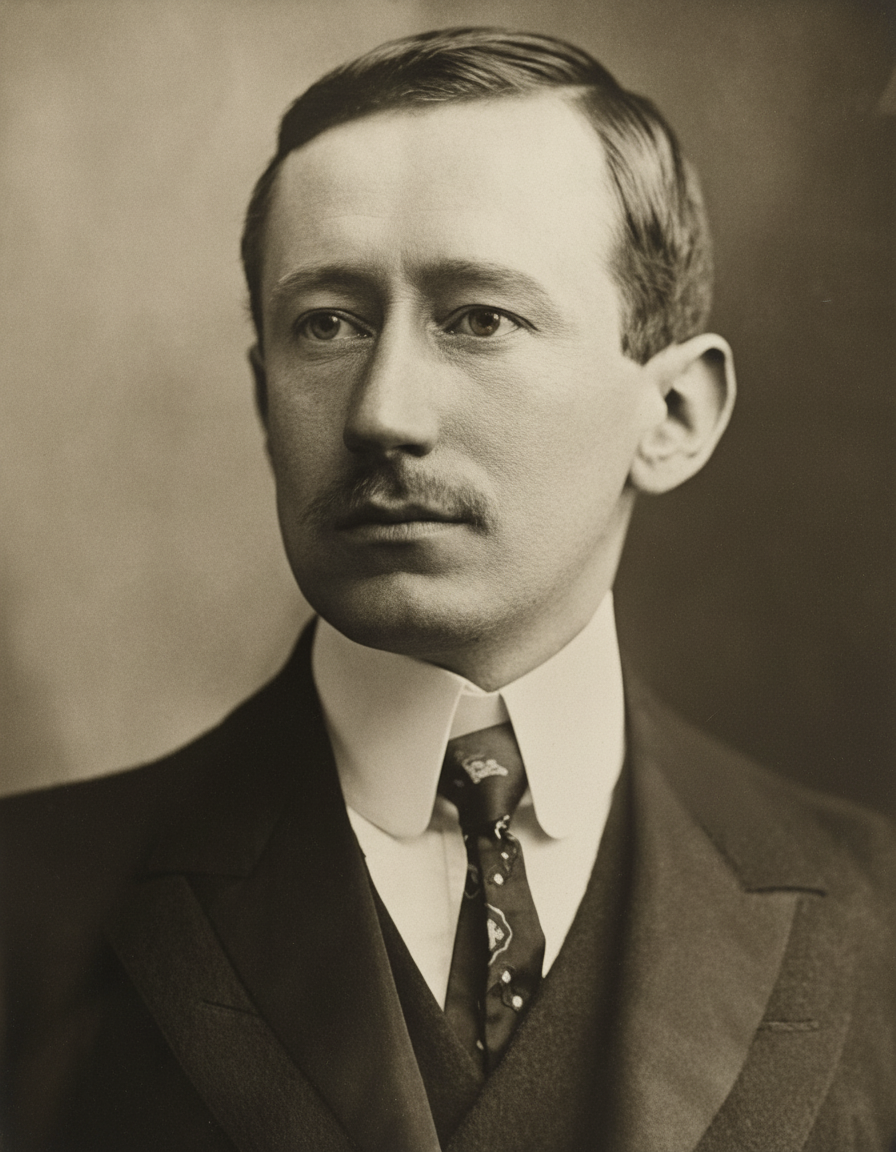
Portrait of Guglielmo Marconi
Historical Mind · 1874 — 1937

Guglielmo Marconi

Pioneer of commercial wireless telegraphy who built the world's first global maritime telecommunications monopoly.

Country
Italy
Continent
Europe
Industry
Telecommunications
Role
Founder, Inventor, and Industrialist

Guglielmo Marconi was an Italian inventor and entrepreneur who transformed laboratory electromagnetic wave theory into an international commercial empire. By securing the first patent for wireless telegraphy in Britain in 1896, establishing the Marconi Wireless Telegraph Company, and engineering the first transatlantic wireless transmission in 1901, he laid the operational foundations of global wireless networks. His brilliant and ruthless business model—leasing hardware bundled with proprietary operators—created a near-monopoly on maritime communications until antitrust and international safety treaties forced open interoperability.

Biography

Born in Bologna to an Italian aristocrat and a mother from the Irish Jameson whiskey distilling family, Guglielmo Marconi was privately tutored in physics and chemistry. In 1894, inspired by Heinrich Hertz's experiments, Marconi developed practical radio wave apparatus at his family's estate, Villa Griffone, gradually increasing signal distance from laboratory benches to over a mile across hills. Recognizing limited commercial interest from the Italian Ministry of Posts and Telegraphs, Marconi used his Anglo-Irish connections to move to London in 1896. There, he secured British Patent No. 12,039—the world's first patent for a system of wireless telegraphy—and won the backing of William Preece, Chief Engineer of the British Post Office. In 1897, Marconi incorporated the Wireless Telegraph and Signal Company (later Marconi's Wireless Telegraph Company, Ltd.) with £100,000 in initial equity capital. Marconi understood that technology without infrastructural dominance was vulnerable. He bypassed the traditional route of selling radio hardware, opting instead for a closed-loop service model: shipowners leased Marconi apparatus, which could only be operated by Marconi-trained telegraphists. Crucially, Marconi instituted a strict policy of non-intercommunication, forbidding his operators from exchanging messages with stations using rival equipment (such as Telefunken or de Forest) except in dire emergencies. This created immense network effects, compelling commercial shipping fleets and naval powers to install Marconi gear. On December 12, 1901, Marconi orchestrated the famous transatlantic transmission from Poldhu, Cornwall, to Signal Hill in Newfoundland, proving that radio waves followed the Earth's curvature and defying mainstream physicists. This technical milestone unlocked transatlantic commercial messaging, directly challenging the expensive undersea cable cartels. His commercial hegemony faced intense geopolitical resistance, notably from Germany at the 1903 and 1906 International Radiotelegraphic Conferences, and collapsed politically after the 1912 Titanic disaster, where Marconi operators saved hundreds of lives but the company's proprietary messaging practices drew sharp regulatory scrutiny. The resulting Radio Act of 1912 and London Convention of 1912 mandated universal station-to-station interoperability. Rather than defending obsolete paradigms, Marconi executed a strategic pivot in the 1920s to directional shortwave 'beam' technology, drastically cutting infrastructure and electricity costs and undercutting undersea cable consortiums once again. Marconi maintained leadership across corporate, technical, and political spheres until his death in Rome in 1937.

Accomplishments

  • 01Filed the world's first patent for a practical system of radio wave telegraphy (British Patent No. 12,039) in 1896.
  • 02Founded Marconi's Wireless Telegraph Company in 1897, raising institutional capital to build the first commercial wireless infrastructure enterprise.
  • 03Successfully transmitted the first transatlantic radio signal across 2,100 miles on December 12, 1901, demonstrating global commercial viability.
  • 04Engineered the maritime communications service model, leasing hardware bundled with Marconi-employed operators to establish network-level lock-in.
  • 05Co-awarded the 1909 Nobel Prize in Physics with Karl Ferdinand Braun in recognition of their contributions to wireless telegraphy.
  • 06Pioneered high-frequency shortwave directional transmission (the Marconi Beam Wireless System) in the 1920s, rendering legacy high-power longwave installations obsolete.

Lessons for Operators

Pursue jurisdictional arbitrage: when domestic public institutions decline early-stage innovation, relocate immediately to jurisdictions with deep capital markets, industrial demand, and favorable patent protections.
Monetize via integrated service models: bundling scarce physical infrastructure with certified human operators prevents hardware commoditization and delivers predictable recurring cash flows.
Capitalize on asymmetric proof points: orchestrate high-visibility demonstrations that directly address fundamental industry skepticism to compress sales and regulatory cycles.
Anticipate regulatory retaliation: using walled-garden architectures to enforce artificial monopolies will inevitably trigger legislative intervention once the service becomes a public utility.
Cannibalize existing assets before competitors do: Marconi aggressively shifted resources to shortwave radio, deliberately stranding his own massive capital investments in longwave spark transmitters.
The Operator's Playbook

Key Takeaways

Practical lessons distilled for operators, investors, C-levels, and capital allocators.

Lesson 01

The Hardware-as-a-Service Precedent

Marconi resisted one-off hardware sales, structuring maritime communications as long-term lease agreements where the apparatus, maintenance, and operators were proprietary assets, generating high-margin subscription cash flows.

Lesson 02

Network Moats Require Deliberate Design

By barring Marconi operators from communicating with non-Marconi wireless systems, the company turned standard radio gear into an early telecommunications network moat, forcing shipping lines to standardize on Marconi systems.

Lesson 03

Industrializing Scientific Discovery

Marconi did not invent electromagnetic waves; his competitive advantage lay in systems integration, patent engineering, field testing, and commercial implementation of laboratory findings.

Lesson 04

Embracing Second-Curve Technology

When shortwave radio emerged in the 1920s, Marconi embraced the lower capital expenditure paradigm despite having millions invested in global longwave spark stations, proving the imperative of self-disruption.

Mental Models

Frameworks & Principles

Named frameworks and strategic principles they popularized or embodied.

01

The Closed-Ecosystem Operator Model (CEOM)

A market-entry framework where capital-intensive hardware is never sold outright; instead, it is leased alongside proprietary human capital and operational protocols to ensure high quality of service, protect IP trade secrets, and lock in the enterprise customer base.

When to useDeploy when commercializing novel, mission-critical infrastructure where operational failure destroys market trust and standalone hardware risks immediate reverse-engineering or commoditization.

02

Jurisdictional Innovation Arbitrage

A strategic methodology of evaluating capital, legal, and operational ecosystems globally to re-domicile intellectual property and commercial operations where commercial demand and financing conditions are optimal.

When to useUse when an enterprise operates in a nascent deep-tech or regulatory-heavy field and faces bureaucratic inertia, hostile domestic regulation, or inadequate venture financing in its home market.

Citations

Sources & Further Reading

Profiles, interviews, podcasts, and articles used to compile and verify this entry. Each link opens at the original publisher.

Adjacent Minds

Explore Related Titans

Other figures in the archive who share Guglielmo Marconi's domain, geography, or era.

Technology

More in Technology

Browse all →
Portrait of Steve Jobs
USA / TECHNOLOGY
Steve Jobs
Co-founder of Apple Inc. and visionary credited with transforming multiple industries.
Portrait of Jeff Bezos
UNITED STATES / TECHNOLOGY, RETAIL, LOGISTICS, CLOUD COMPUTING, SPACE EXPLORATION
Jeff Bezos
Architect of Amazon, pioneer of e-commerce, and visionary across cloud computing, logistics, and space exploration.
Portrait of Elon Musk
SOUTH AFRICA / AEROSPACE, AUTOMOTIVE, ARTIFICIAL INTELLIGENCE, ENERGY, TELECOMMUNICATIONS
Elon Musk
Elon Reeve Musk: Visionary entrepreneur leading advancements in aerospace, automotive, and artificial intelligence.
Portrait of Jensen Huang
TAIWAN (NATURALIZED AMERICAN CITIZEN) / SEMICONDUCTORS, ARTIFICIAL INTELLIGENCE, COMPUTING
Jensen Huang
Co-founder, President, and CEO of NVIDIA, a pioneering force in graphics processing units (GPUs) and artificial intelligence.
Portrait of Satya Nadella
UNITED STATES / TECHNOLOGY
Satya Nadella
Architect of Microsoft's cloud-first, AI-driven renaissance, shifting culture and strategy to drive sustained growth and market leadership.
Portrait of Bill Gates
UNITED STATES / SOFTWARE, TECHNOLOGY, PHILANTHROPY
Bill Gates
Co-founder of Microsoft, architect of the personal computing revolution, and global philanthropist.
Portrait of Mark Cuban
UNITED STATES / TECHNOLOGY, MEDIA, SPORTS, HEALTHCARE
Mark Cuban
Mark Cuban: The Prolific Disrupter – From Software Startups to Sports Franchises and Pharmaceutical Innovation, Leveraging Technology and Direct-to-Consumer Models.
Portrait of Sam Walton
UNITED STATES / RETAIL
Sam Walton
The architect of modern retail, pioneering discount merchandising and logistical efficiency to establish the world's largest retail corporation.
Portrait of Jack Ma
CHINA / E-COMMERCE, TECHNOLOGY, FINANCE
Jack Ma
Co-founder of Alibaba Group, pioneering e-commerce and digital finance in China.
Portrait of Walt Disney
UNITED STATES / ENTERTAINMENT
Walt Disney
Co-founder of The Walt Disney Company, pioneering animation, theme parks, and diversified entertainment.
Italy

From Italy

Browse all →
Portrait of Cosimo de' Medici
ITALY / BANKING, FINANCE, STATESMANSHIP
Cosimo de' Medici
The architect of Medici power, leveraging finance and cultural patronage to establish a dynastic legacy.
Portrait of Giovanni di Bicci de' Medici
ITALY / BANKING AND FINANCE
Giovanni di Bicci de' Medici
The silent architect of Florence's financial supremacy and the Medici dynasty.
Portrait of Carla Cico
ITALY / TELECOMMUNICATIONS
Carla Cico
Carla Cico is an Italian telecommunications executive known for her transformative leadership in emerging markets, particularly her role in the turnaround of Brasil Telecom.
Portrait of Leonardo Del Vecchio
ITALY / EYEWEAR, MANUFACTURING, RETAIL
Leonardo Del Vecchio
The architect of the vertical integration strategy that transformed the global eyewear industry.
Portrait of Federico Marchetti
ITALY / LUXURY E-COMMERCE
Federico Marchetti
Founder of Yoox Net-a-Porter Group, pioneering luxury e-commerce and digital transformation.
Portrait of Benedetto Vigna
ITALY / AUTOMOTIVE; SEMICONDUCTORS
Benedetto Vigna
Benedetto Vigna: Semiconductor veteran transitioning luxury automotive towards electrification and digital integration.
Portrait of Giovanni Caforio
ITALY / PHARMACEUTICALS
Giovanni Caforio
Giovanni Caforio: The Architect of Strategic Transformation in Biopharma.
Portrait of Alessandro Profumo
ITALY / AEROSPACE & DEFENSE, BANKING, FINANCIAL SERVICES
Alessandro Profumo
A leading figure in European banking and aerospace, known for navigating complex restructurings and international mergers.
Portrait of Vittorio Colao
ITALY / TELECOMMUNICATIONS
Vittorio Colao
Architect of Global Telecom Turnarounds and Digital Transformation.
Portrait of John Elkann
ITALY / DIVERSIFIED HOLDINGS / AUTOMOTIVE / LUXURY
John Elkann
Architect of modern industrial consolidation and generational capital reallocation.
Same Era

Contemporaries — 19th century
Browse all →
Portrait of Andrew Carnegie
UNITED STATES / STEEL & MANUFACTURING
Andrew Carnegie
The architect of American steel supremacy and a pioneering industrialist whose innovations in cost control and vertical integration reshaped global manufacturing.
Portrait of Henry Ford
UNITED STATES / AUTOMOTIVE
Henry Ford
The architect of mass production, democratizing the automobile through efficiency and scale.
Portrait of Thomas Edison
UNITED STATES / INDUSTRIAL & ENERGY
Thomas Edison
The Prolific Inventor and Industrialist Who Electrified the World and Standardized Innovation.
Portrait of J. Pierpont Morgan
UNITED STATES / BANKING & FINANCE
J. Pierpont Morgan
The architect of American industrial capitalism and financial stability.
Portrait of John D. Rockefeller
UNITED STATES / OIL & ENERGY
John D. Rockefeller
Architect of Standard Oil: Pioneering Vertical and Horizontal Integration in the Petroleum Industry.
Portrait of Konosuke Matsushita
JAPAN / CONSUMER ELECTRONICS
Konosuke Matsushita
The Founder of Panasonic, pioneered mass-market electronics and the 'management philosophy' approach to business.
Portrait of Coco Chanel
FRANCE / FASHION & LUXURY
Coco Chanel
The architect of modern female fashion, transforming haute couture into an empire of timeless style and aspirational luxury.
Portrait of Madam C.J. Walker
UNITED STATES / BEAUTY & COSMETICS
Madam C.J. Walker
America's First Self-Made Woman Millionaire, Founder of a Global Haircare and Cosmetics Empire.
Portrait of Henry J. Heinz
UNITED STATES / FOOD & BEVERAGE
Henry J. Heinz
Henry J. Heinz: The pioneer of branded foods, meticulous quality, and innovative marketing, transforming the food industry from local bulk sales to a trusted global enterprise.
Portrait of Nikola Tesla
SERBIA / ELECTRICAL ENGINEERING, ENERGY, TELECOMMUNICATIONS
Nikola Tesla
Nikola Tesla: The visionary engineer whose innovations in alternating current laid the foundation for modern electrical power systems, driving the second industrial revolution.