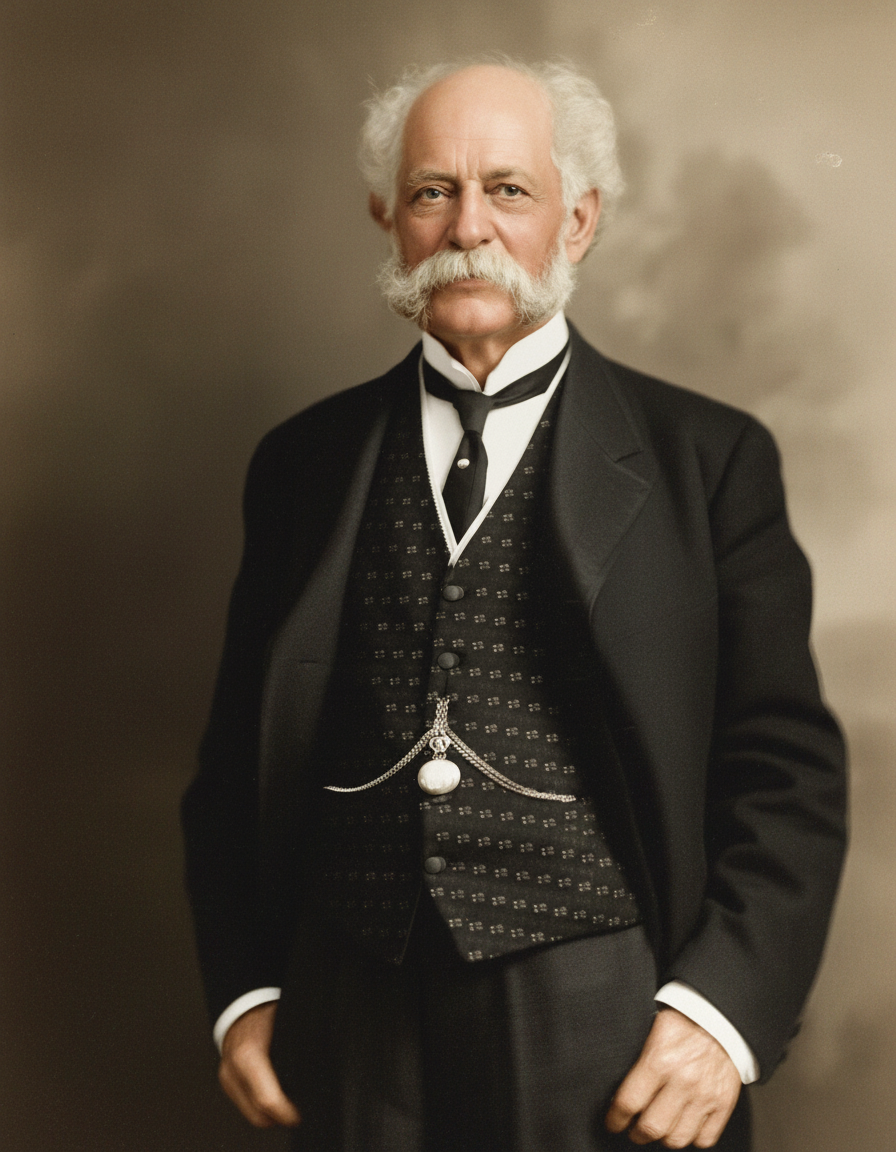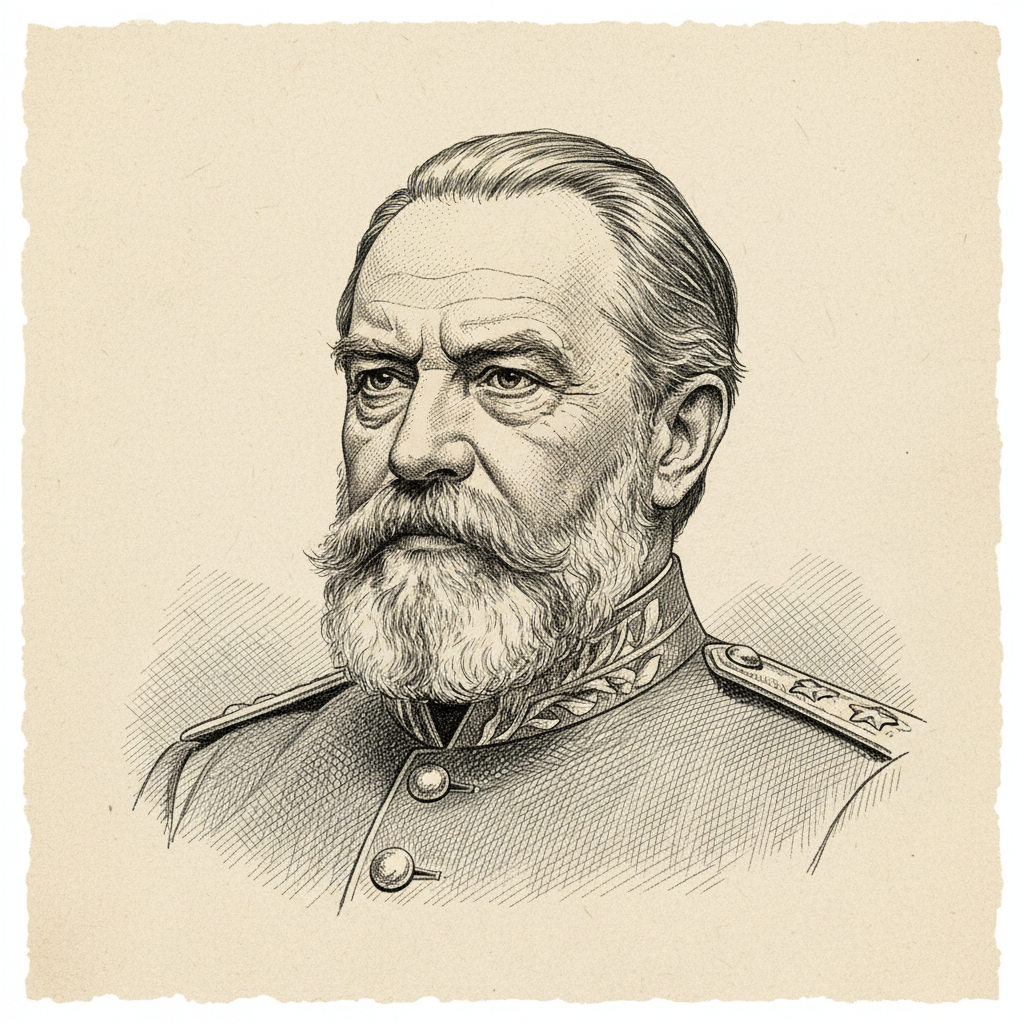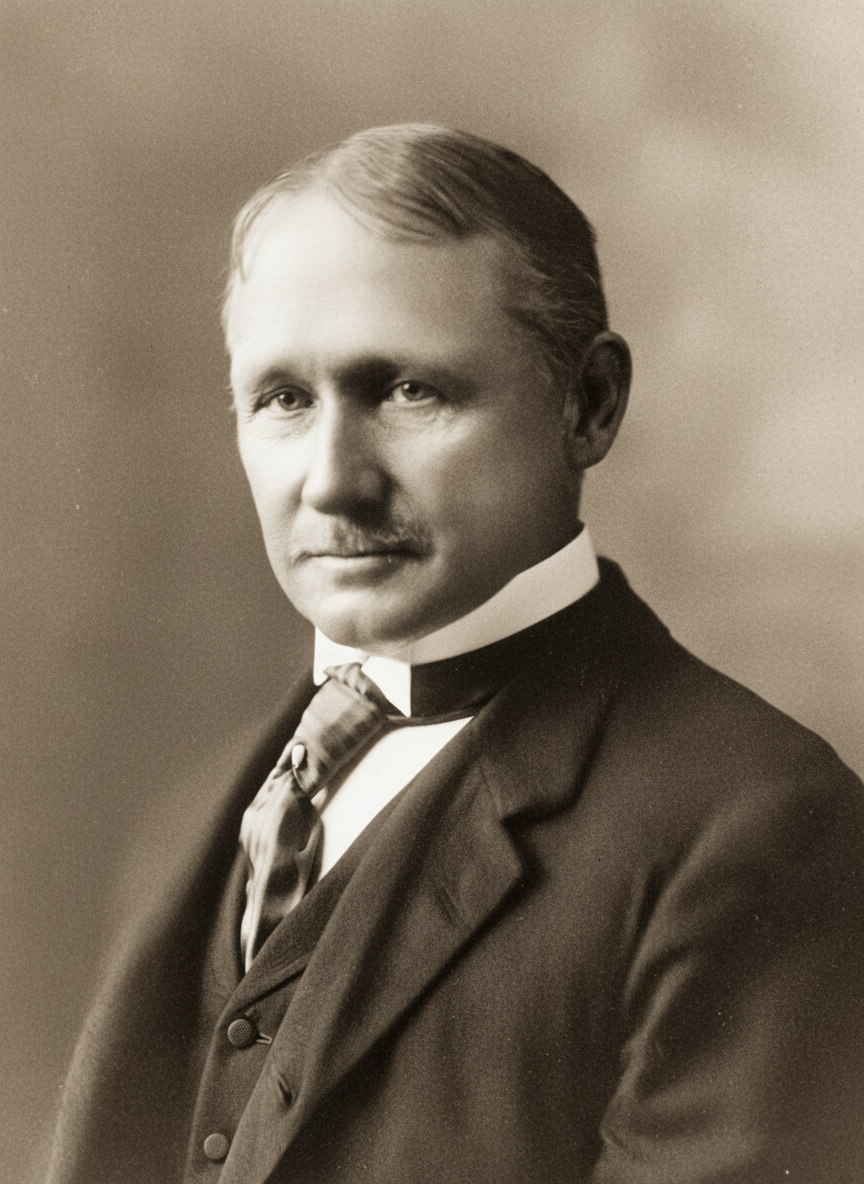
Frederick Winslow Taylor
The father of scientific management and a pivotal figure in optimizing industrial efficiency.
Frederick Winslow Taylor was an American mechanical engineer who sought to improve industrial efficiency. He is widely recognized as the father of scientific management, pioneering methods to analyze and synthesize workflows to enhance labor productivity, significantly influencing the development of modern industrial engineering and management consulting.
Biography
Accomplishments
- 01Development of Scientific Management: Authored 'The Principles of Scientific Management' (1911), which codified his systematic approach to work optimization, including time-and-motion studies and task analysis.
- 02Optimization of Shoveling at Bethlehem Steel: Conducted studies in 1898 that reduced the number of shovelers from 400-600 to 140, increased the average loading from 16 to 59 tons per man per day, and reduced the cost of handling materials from $0.07-$0.08 to $0.03-$0.04 per ton, while increasing wages.
- 03Improvement of Pig Iron Handling: At Bethlehem Steel, reduced the gang required to load 92,000 pounds of pig iron onto rail cars daily from 500 men to 12. This involved instructing workers on specific movements and offering higher wages for meeting new performance standards.
- 04Standardization of Tools and Processes: Pioneered the systematic design and standardization of tools, particularly cutting tools for metalworking, resulting in significant improvements in machine shop efficiency and output.
- 05Invention of High-Speed Steel: Co-invented Taylor-White High-Speed Steel with Maunsel White in 1898, a breakthrough in metallurgy and manufacturing that allowed machine tools to operate at significantly higher speeds and feeds, revolutionizing metal cutting operations.
- 06Introduction of Differential Piece-Rate System: Implemented wage systems where workers received a higher piece rate if they met or exceeded a standard and a lower rate if they fell below it, incentivizing efficiency and productivity.
Lessons for Operators
Key Takeaways
Practical lessons distilled for operators, investors, C-levels, and capital allocators.
Embrace Meticulous Process Analysis
Investors and operators should systematically break down core processes into elemental tasks. Identify bottlenecks, redundancies, and suboptimal methods through empirical observation, not just anecdotal evidence.
Standardize for Predictability and Quality
Implement rigorous standardization for tools, procedures, and training. This reduces variation, improves quality control, and makes scaling operations more consistent and efficient. This applies from manufacturing lines to back-office workflows.
Align Incentives with Productivity
Design compensation structures that directly reward measurable performance and efficiency improvements. Ensure that financial incentives genuinely motivate desired behaviors and are transparently linked to output and quality metrics.
Invest in 'Scientific' Management Infrastructure
Allocate resources to management functions such as planning, scheduling, quality control, and worker training. A dedicated, analytical approach to management is as critical as direct labor in driving enterprise value.
Relentlessly Pursue Continuous Improvement
Taylor's work was foundational to Kaizen and Lean principles. Establish a culture where continuous questioning of 'the best way' is encouraged, and optimization is an ongoing process, not a one-time event.
Frameworks & Principles
Named frameworks and strategic principles they popularized or embodied.
Scientific Management
A theory of management that analyzes and synthesizes workflows. Its main objectives are improving economic efficiency, especially labor productivity. It involves systematic observation, measurement, and the scientific determination of the 'one best way' to perform a task.
When to useApplicable when optimizing repetitive, high-volume tasks. Useful for designing efficient production lines, refining specific operational procedures, or when seeking to standardize complex workflows to minimize waste and maximize output.
Time-and-Motion Study
Analyses that combine time study (measuring the time taken to complete each element of a task) and motion study (observing the body motions used). The goal is to eliminate unnecessary motions and determine the most efficient sequence of movements and the standard time needed to perform a task.
When to useUtilize when redesigning a workstation, training new employees for manual tasks, evaluating productivity shortfalls, or setting performance standards. Particularly effective in manufacturing, logistics, and service operations with clear, repeatable physical processes.
Differential Piece-Rate System
A wage payment system where workers are paid a high rate per unit if they achieve a set standard (or perform above it) and a lower rate per unit if they fall below the standard. It incentivizes high productivity by directly linking pay to output.
When to useImplement when individual worker output is directly measurable and controllable, and when there's a strong desire to reward top performers and motivate underperformers. Best suited for environments where quality can be consistently maintained despite increased speed, such as assembly lines or data entry.
Explore Related Titans
Other figures in the archive who share Frederick Winslow Taylor's domain, geography, or era.
More in Industrial & Manufacturing










From United States









Contemporaries — 19th century