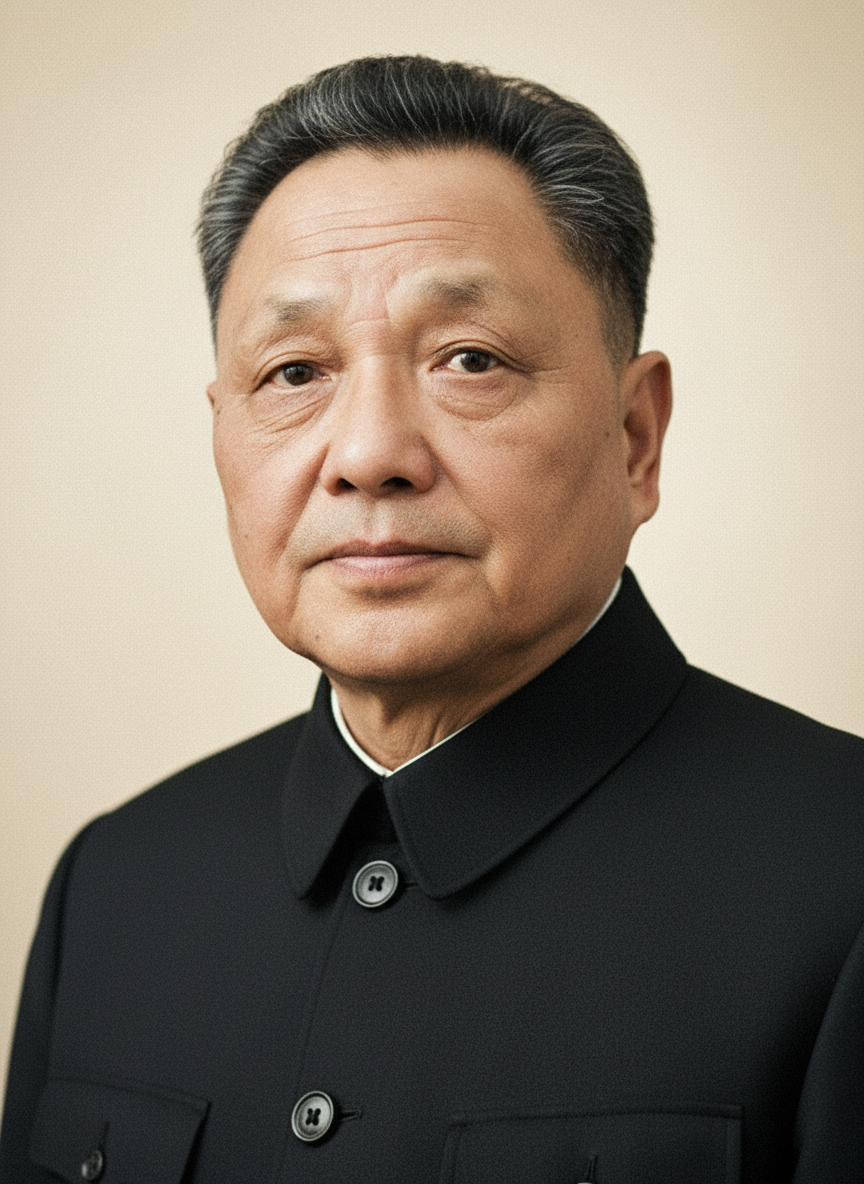
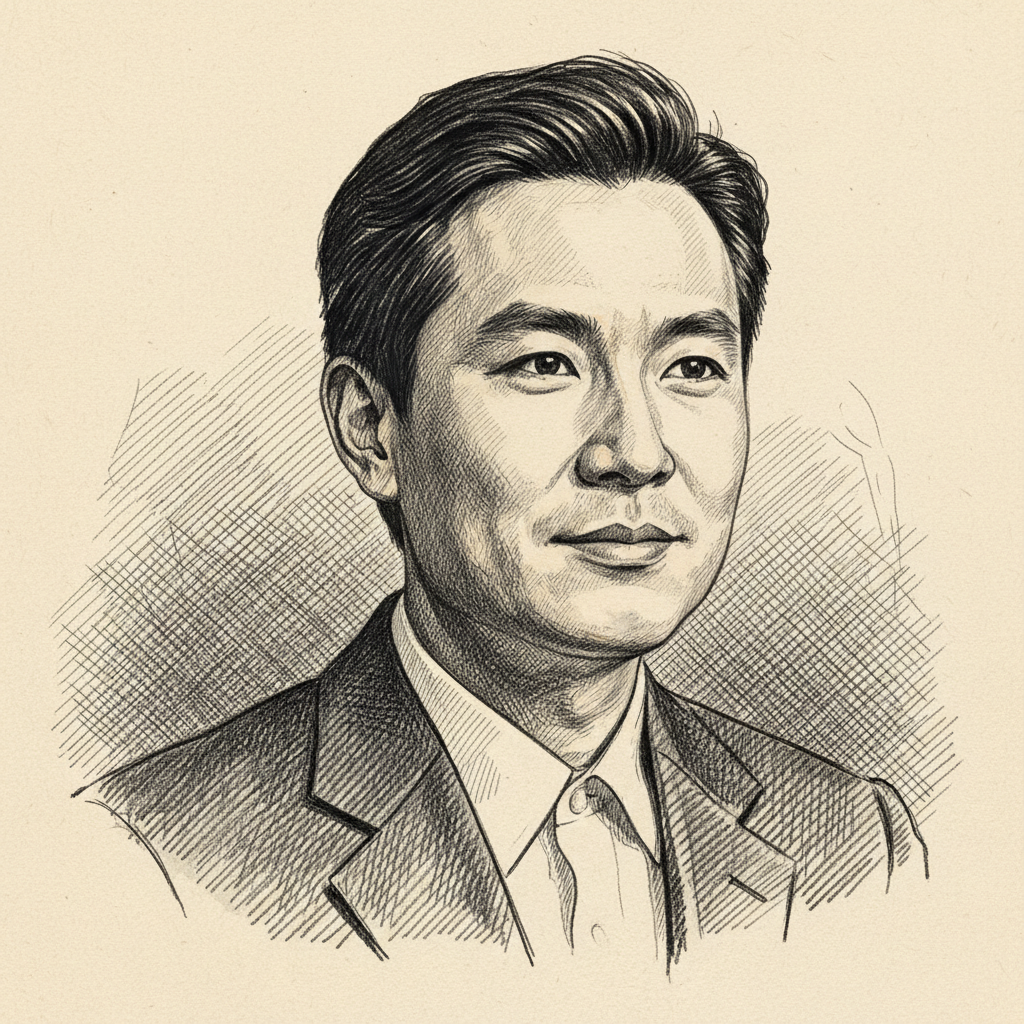
Deng Xiaoping
Architect of China's economic transformation and opening up.
Deng Xiaoping was the 'Paramount Leader' of the People's Republic of China from 1978 to 1989. He orchestrated a series of profound economic reforms that transitioned China from a centrally planned, agrarian economy to a market-oriented, industrial powerhouse, integrating it into the global economic system.
Biography
Accomplishments
- 01Initiated the 'Reform and Opening Up' policy in 1978, systematically transitioning China from a command economy to 'socialism with Chinese characteristics.'
- 02Established Special Economic Zones (SEZs) starting with Shenzhen (1980), Zhuhai, Shantou, and Xiamen, attracting foreign investment and driving export-led growth.
- 03Decentralized agricultural production through the Household Responsibility System (circa 1978-1984), granting farmers more autonomy and boosting agricultural output.
- 04Successfully negotiated the Sino-British Joint Declaration (1984) for the return of Hong Kong to China under the 'One Country, Two Systems' framework.
- 05Normalized diplomatic relations with the United States (1979), a critical geopolitical shift that opened doors for trade and technology transfer.
- 06Oversaw the modernization of China's military and scientific research, laying foundations for future technological advancements.
Lessons for Operators
Key Takeaways
Practical lessons distilled for operators, investors, C-levels, and capital allocators.
Pragmatism is a Competitive Advantage
Deng's willingness to abandon rigid ideological frameworks for practical economic solutions ('It doesn’t matter whether a cat is black or white, as long as it catches mice') unlocked unprecedented growth. In business, this translates to prioritizing observable results and market adaptation over established, but ineffective, methodologies.
Iterative Development and Controlled Experimentation
The establishment of Special Economic Zones (SEZs) was a masterclass in controlled experimentation. Companies can adopt a similar 'sandbox' approach for new business models, product lines, or market entries, testing concepts in isolated environments before a full-scale launch to minimize risk and optimize strategy.
Strategic Openness to External Resources
Deng recognized the necessity of foreign capital, technology, and management expertise for China's modernization. For businesses, this means actively seeking strategic partnerships, joint ventures, and FDI, or talent acquisition from global pools, to fill capability gaps and accelerate growth.
Incentivize Bottom-Up Productivity
The Household Responsibility System decentralized agricultural decision-making and linked output directly to farmer benefit. This principle applies to empowering teams, giving them autonomy and tying rewards to performance, which can dramatically boost innovation and productivity beyond top-down mandates.
Long-Term Vision, Flexible Execution
Deng articulated a clear, multi-generational vision for China's economic development but allowed for diverse, evolving methods to achieve it. Leaders should define aspirational long-term goals while maintaining agility in operational tactics to navigate dynamic market environments.
Frameworks & Principles
Named frameworks and strategic principles they popularized or embodied.
Socialism with Chinese Characteristics
A political and economic theory that advocates for a market-oriented economy under the leadership of the Communist Party, blending socialist ideology with capitalist economic practices. It justifies private enterprise and foreign investment as tools for development.
When to useApplicable when a government or large organization seeks to integrate market mechanisms or efficiency-driven practices while maintaining centralized control or a core ideological framework. Useful for leaders navigating a transition from a controlled to a more open system without abandoning foundational principles.
Reform and Opening Up (Gaige Kaifang)
Deng's overarching policy framework for economic transformation, comprising incremental market reforms, decentralization, encouragement of private enterprise, and opening to international trade and investment.
When to useUseful for organizations undergoing significant strategic reorientation or market entry into previously closed economies. It emphasizes a structured, phased approach to liberalization and integration, balancing internal capacity building with external resource utilization.
Special Economic Zones (SEZs)
Geographically delimited areas within a country that have more liberal economic laws than the rest of the country, designed to attract foreign investment and boost economic activity through preferential tax policies, simplified customs, and reduced regulatory burdens.
When to useIdeal for governments or large corporations looking to catalyze regional economic growth, test new policies or business models, or attract targeted industries. It provides a contained environment for innovation and competitive advantage without immediately disrupting national systems.
Sources & Further Reading
Profiles, interviews, podcasts, and articles used to compile and verify this entry. Each link opens at the original publisher.
Explore Related Titans
Other figures in the archive who share Deng Xiaoping's domain, geography, or era.
More in Other






From China


Contemporaries — 20th century