
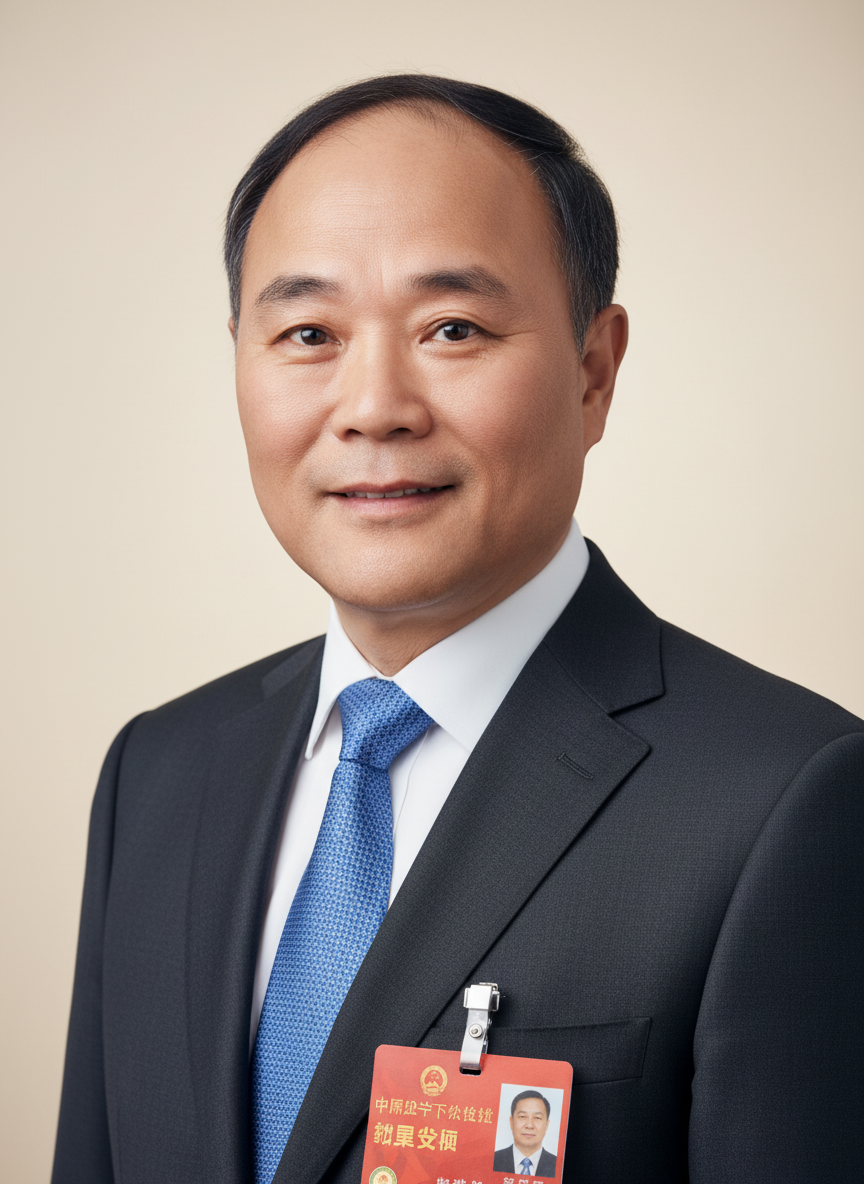
Pony Ma Huateng
Pony Ma: The Architect of China's Digital Ecosystem.
Pony Ma Huateng is the co-founder, Chairman, and CEO of Tencent Holdings Ltd., one of the world's largest internet and technology companies. Under his leadership, Tencent evolved from an instant messaging service provider (QQ) into a diversified global conglomerate encompassing social media (WeChat), gaming, fintech, cloud computing, and more.
Biography
Accomplishments
- 01Co-founded Tencent Holdings in 1998 and led its transformation into one of the world's most valuable public companies.
- 02Engineered the success of QQ, which dominated China's instant messaging market in the early 2000s, reaching over 800 million monthly active users during its peak.
- 03Oversaw the development and launch of WeChat (Weixin) in 2011, which evolved into a super app integrating social media, mobile payments, and e-commerce, with over 1.3 billion monthly active users globally.
- 04Drove Tencent's aggressive expansion into the global gaming industry, acquiring and investing in leading studios like Riot Games, Supercell, and Epic Games, establishing Tencent as the world's largest video game vendor.
- 05Pioneered the 'mini-program' ecosystem within WeChat, enabling third-party developers to create lightweight applications without requiring separate downloads, fostering a vast digital service platform.
- 06Successfully diversified Tencent's business portfolio into fintech (WeChat Pay), cloud computing (Tencent Cloud), digital content, and AI, creating multiple revenue streams and growth vectors.
Lessons for Operators
Key Takeaways
Practical lessons distilled for operators, investors, C-levels, and capital allocators.
Embrace Strategic Pivots
Recognize market shifts early and don't hesitate to fundamentally change product strategy or even business models. Tencent's successful transition from QQ to WeChat illustrates that clinging to past success can be detrimental.
Cultivate a Platform Ecosystem
Build platforms that attract third-party developers and partners. This scales services, increases switching costs, and creates a virtuous cycle of user engagement and value creation, similar to WeChat's mini-programs model.
Master the Art of Strategic Investment
Utilize M&A and minority investments to expand into adjacent markets, acquire critical capabilities, and diversify risk. Tencent's global gaming portfolio is a prime example of leveraging external innovation effectively.
Prioritize User Experience Relentlessly
Deeply understand your target users and design products that solve their specific problems. Continuous feedback integration is crucial for maintaining relevance and engagement, as seen in WeChat's evolution.
Foster Internal Innovation and Competition
Encourage teams to experiment and even compete internally. This can drive higher quality products and ensure exploration of multiple promising avenues, mitigating the risk of missing the next big trend.
Frameworks & Principles
Named frameworks and strategic principles they popularized or embodied.
Ecosystem Strategy (Platform Business Model)
Develop a core product or service that attracts a large user base, then integrate or enable a wide range of complementary services (e.g., payments, content, mini-programs) to create a self-reinforcing network effect. The platform acts as an operating system for user's digital lives.
When to useWhen aiming to build a dominant market position by aggregating demand and supply, reducing user friction, and creating a high barrier to entry for competitors. Applicable for social networks, marketplaces, and service aggregators.
User-Driven Product Development (Lean Startup Principles)
Continuously iterate products based on direct user feedback and data. Launch minimum viable products (MVPs), measure user engagement, learn from usage patterns, and rapidly adapt features to meet evolving needs.
When to useEssential for technology companies in fast-changing markets where initial assumptions about user needs may be incorrect or evolve quickly. Reduces waste and increases relevance.
Strategic Minority Investment (Portfolio Management)
Instead of full acquisitions, take significant but non-controlling stakes in promising companies within strategically relevant sectors. This provides exposure to new growth areas and technologies with less integration risk and capital outlay, while allowing founders to maintain operational control.
When to useWhen seeking to diversify a business, gain strategic insights into emerging industries, or partner with innovative companies without fully acquiring them. Common in technology, venture capital, and entertainment industries.
Explore Related Titans
Other figures in the archive who share Pony Ma Huateng's domain, geography, or era.
More in Technology










From China







Contemporaries — born 1970s