
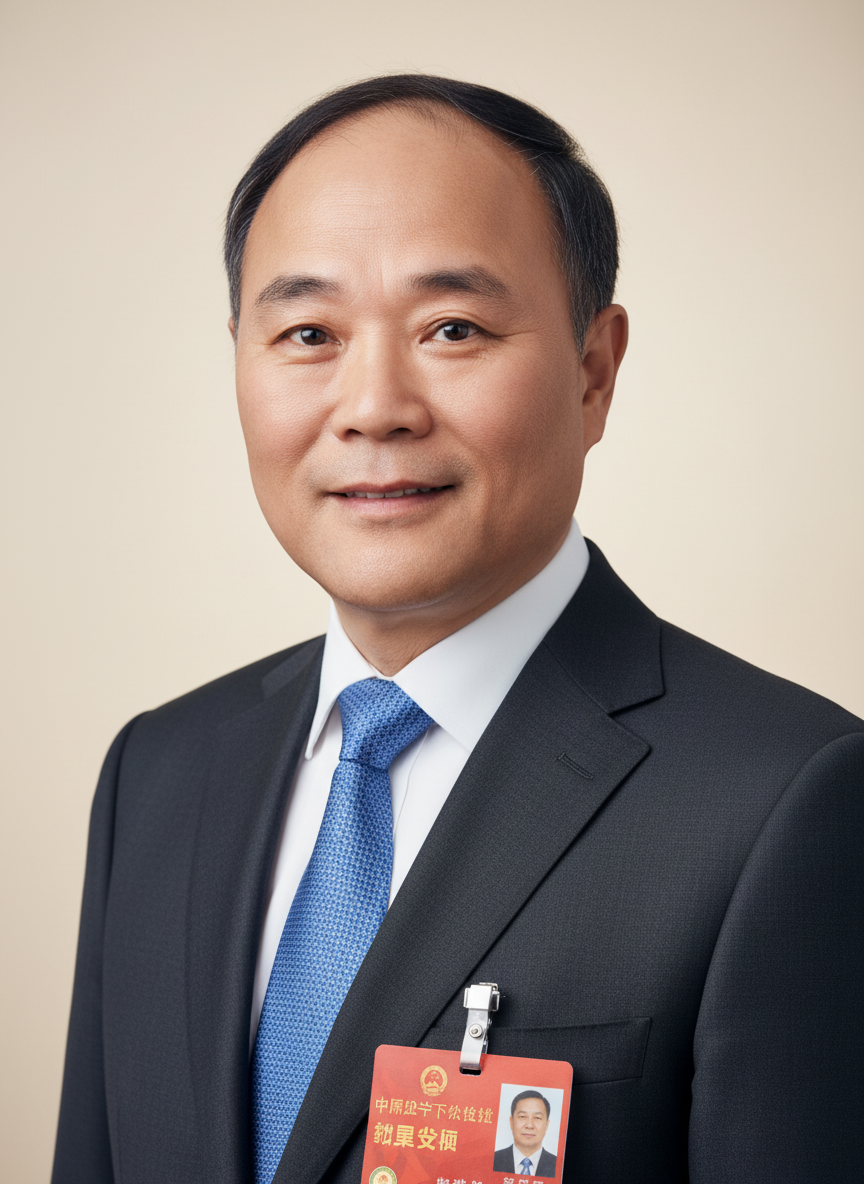
Ma Huateng
Architect of WeChat and Tencent's ecosystem; China's quiet tech titan.
Ma Huateng, often known as 'Pony Ma,' co-founded Tencent in 1998. Under his leadership, Tencent evolved from an instant messaging service provider (QQ) into a global technology conglomerate. He spearheaded the development of WeChat, a super-app that redefined social networking, payments, and digital services, making Tencent a dominant force in the global internet economy.
Biography
Accomplishments
- 01Co-founded Tencent Holdings in 1998, transforming it into one of the world's most valuable and influential technology companies.
- 02Led the development and global expansion of QQ, China's dominant instant messaging platform for over a decade.
- 03Masterminded WeChat (Weixin), launched in 2011, evolving it into a comprehensive 'super app' integrating messaging, social media, payments, and numerous services, achieving over 1.3 billion monthly active users.
- 04Pioneered the 'ecosystem' business model in China, integrating content, services, and payments within Tencent's platforms, fundamentally changing user behavior.
- 05Oversaw Tencent's extensive investment portfolio, which includes significant stakes in global technology and entertainment companies like Epic Games, Riot Games, Supercell, JD.com, and Spotify.
- 06Guided Tencent through a successful IPO on the Hong Kong Stock Exchange in 2004, establishing its public market presence and funding future growth.
- 07Positioned Tencent as a global leader in gaming, cloud computing (Tencent Cloud), and artificial intelligence.
- 08Successfully navigated intense competition from local rivals (e.g., Alibaba) and international tech giants, maintaining market dominance in key sectors.
Lessons for Operators
Key Takeaways
Practical lessons distilled for operators, investors, C-levels, and capital allocators.
Ecosystem Multiplier Effect
Tencent's true valuation stems not from individual products, but from the multiplicative effect of interwoven platforms (messaging, gaming, payments, content). This increases user stickiness, data insights, and cross-selling opportunities unmatched by standalone applications. For investors, evaluate companies for ecosystem potential beyond discrete product market fit.
Long-Term Bet on Connectivity & Social Graph
Ma consistently prioritized network effects and the social graph as foundational assets. Companies that successfully capture and leverage social interaction data and connectivity will possess durable competitive advantages. Operators should invest in features that deepen social engagement and build community.
Strategic Investment as a Core Competency
Tencent operates as both an operator and a venture capital firm, investing in hundreds of companies that complement its ecosystem. This 'distributed innovation' model allows it to access new markets, technologies, and talent without full integration overhead. Capital allocators should consider hybrid models combining internal development with strategic external investments.
Quiet Leadership, Product-Centric Focus
Despite leading a tech giant, Ma maintains a low public profile, focusing intensely on product development and strategic direction. This emphasizes that profound impact can be achieved through deep operational engagement and vision, rather than solely through public charisma. C-levels should cultivate a culture where product excellence speaks louder than PR.
Leveraging Payment Rails for Ecosystem Lock-in
WeChat Pay's integration within WeChat transformed it from a mere social app into an indispensable part of daily commerce. This demonstrates that owning or deeply integrating payment infrastructure can create significant barriers to entry and accelerate ecosystem adoption. Enterprise leaders should seek opportunities to embed financial services into their core offerings.
Adaptive Growth Through Internal Competition
Ma's willingness to allow internal teams to develop competing products (e.g., multiple messaging apps before WeChat's triumph) showcases a unique approach to fostering innovation and quick adaptation. Organizations should establish mechanisms that encourage intrapreneurship and test conflicting hypotheses internally before external release.
The Dominance of Super Apps in Emerging Markets
WeChat's success provides a blueprint for how integrated 'super apps' can dominate digital landscapes, especially where smartphone adoption outpaces traditional infrastructure. For market entry strategists, understanding the localized super app threat or opportunity is critical, rather than assuming Western app fragmentation.
Balancing Growth with Regulatory Navigation
Tencent, like other large Chinese tech companies, operates under strict regulatory oversight. Ma's leadership includes navigating complex government policies while continuing innovation and growth. C-levels must view regulatory compliance and government relations as strategic pillars, not merely operational hurdles, especially in high-growth or sensitive sectors.
Frameworks & Principles
Named frameworks and strategic principles they popularized or embodied.
Ecosystem Integration & Cross-Pollination
Tencent frequently integrates new features or acquired services directly into its dominant platforms (QQ, WeChat), leveraging existing user bases and data. For example, gaming, payment, and content services are all accessible within WeChat, fostering a cycle of engagement.
When to useWhen you have a strong core product with a substantial user base. Use this to expand your offerings by integrating complementary services, rather than launching them as independent, disconnected entities. This enhances user stickiness and creates network effects.
Internal Incubation & Competition
Ma Huateng famously allowed multiple internal teams to develop competing products. WeChat emerged victorious from such an environment, demonstrating that structured internal competition can lead to superior product outcomes by fostering diverse approaches and rapid iteration.
When to useApplicable for large organizations with significant R&D budgets seeking breakthrough innovation. Assign multiple teams to solve the same problem or develop competing products. This encourages fresh perspectives and ensures the best solution ultimately prevails.
Super App Strategy (Aggregator Model)
Consolidate diverse functionalities (messaging, social media, payments, e-commerce, services) into a single, indispensable application. WeChat pioneered this by becoming the central hub for digital life in China.
When to useRelevant for companies with a dominant platform and substantial user reach, particularly in markets where users prefer consolidated digital experiences. Aim to become the 'operating system' for a user's digital life, reducing fragmentation and increasing engagement.
Strategic Minority Investment
Tencent's strategy involves taking minority stakes in numerous promising startups and established companies globally. This provides strategic influence, access to new technologies and markets, and diversified revenue streams without requiring full acquisition and operational integration.
When to useFor established companies seeking to accelerate growth, mitigate disruption, or enter new adjacent markets. Instead of building everything in-house or making costly full acquisitions, invest strategically to gain exposure and influence across an innovation landscape.
Sources & Further Reading
Profiles, interviews, podcasts, and articles used to compile and verify this entry. Each link opens at the original publisher.
Explore Related Titans
Other figures in the archive who share Ma Huateng's domain, geography, or era.
More in Technology










From China







Contemporaries — born 1970s