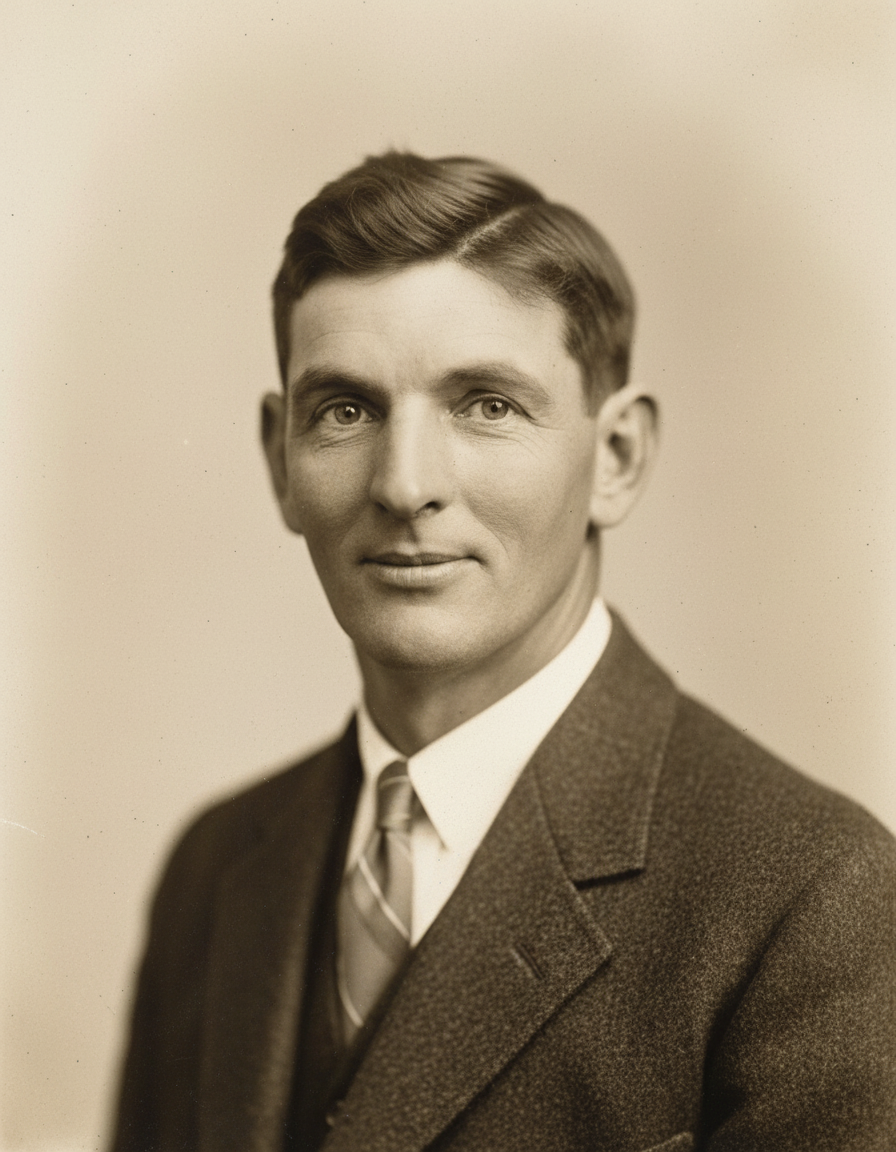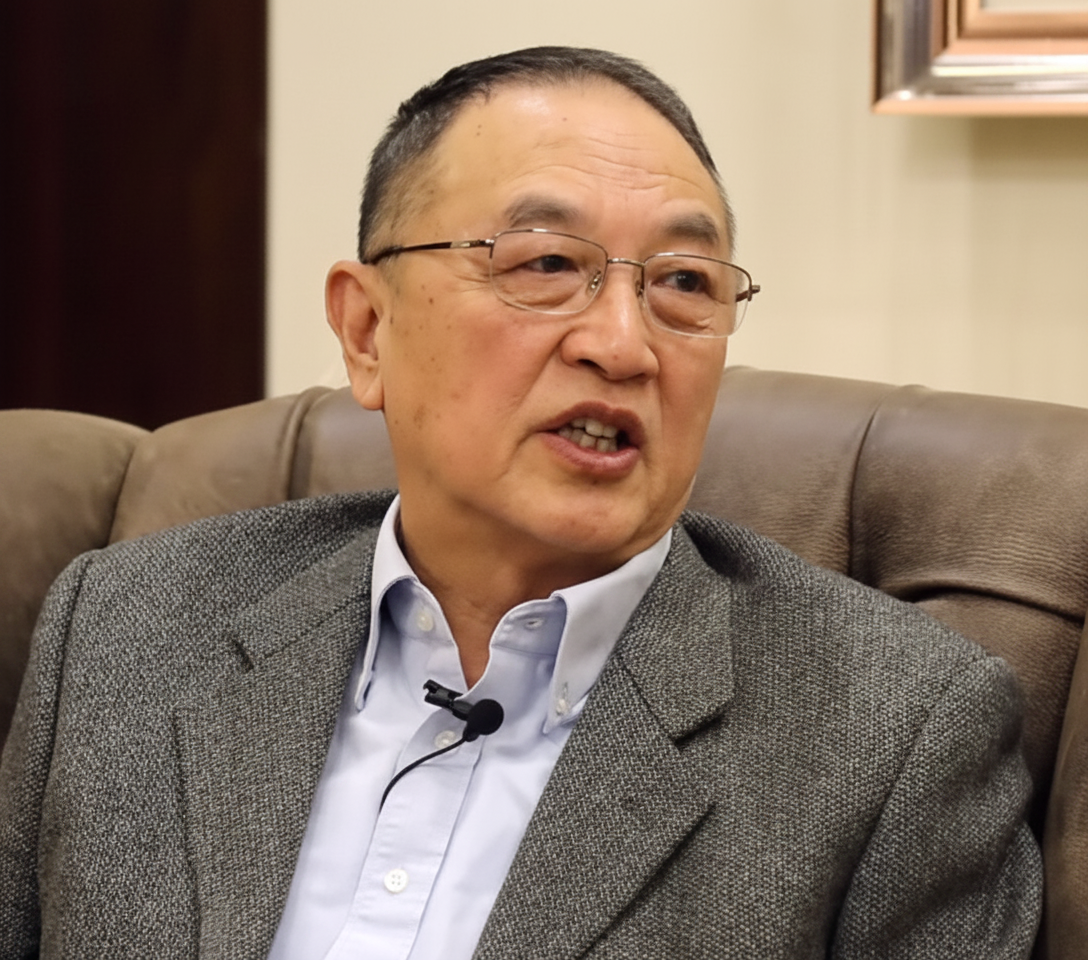
Liu Chuanzhi
The architect of Lenovo and a pioneer of China's technology industry.
Liu Chuanzhi is the founder of Lenovo Group, transforming a state-funded research entity into a global computing powerhouse. He pioneered market-oriented reforms within China's state-owned enterprise system and established Legend Holdings as a diversified investment conglomerate across IT, finance, and modern agriculture.
Biography
Accomplishments
- 01Founded Legend Group (later Lenovo) in 1984 with minimal capital, growing it into a global technology leader.
- 02Engineered the successful acquisition of IBM's Personal Computing Division in 2004, propelling Lenovo onto the global stage and transforming its scale and capabilities.
- 03Led Lenovo to become the world's largest PC vendor by market share, demonstrating effective global strategy and operational excellence.
- 04Diversified Legend Holdings into a powerful investment conglomerate with significant stakes in IT, finance, modern agriculture, and other sectors, showcasing strategic foresight beyond hardware.
- 05Navigated the complexities of a hybrid state-owned and market-driven enterprise, implementing Western management practices within a Chinese context.
- 06Pioneered brand building and market-led product development in command-economy China, establishing 'Legend' as a household name before its global rebrand to 'Lenovo'.
- 07Successfully managed multiple leadership transitions within Lenovo, stepping down and returning to leadership when needed (e.g., during the 2008 financial crisis) to ensure stability and strategic direction.
Lessons for Operators
Key Takeaways
Practical lessons distilled for operators, investors, C-levels, and capital allocators.
Mastering the 'Leapfrog' Acquisition
Liu Chuanzhi's acquisition of IBM's PC division was a masterclass in using M&A to rapidly gain market share, technology, and global brand recognition. For investors, this highlights the potential of strategic acquisitions to transform a company's competitive landscape. For operators, it emphasizes the need for a clear integration strategy and cultural understanding.
Value Creation via Diversified Holdings
Legend Holdings' evolution from a single product company to a diversified investment group illustrates a robust strategy for long-term value creation. Companies are not solely defined by their initial product; strategic diversification can mitigate risk and open new growth avenues, requiring astute capital allocation and an understanding of adjacent markets.
Navigating State-Market Interfaces
Liu successfully operated at the complex intersection of state ownership and market competition. This experience provides a blueprint for leaders in economies with significant state influence, demonstrating how to align commercial objectives with broader national interests to secure resources and legitimacy while fostering market competitiveness.
The Importance of Leadership Agility
Liu's willingness to step down from CEO and Chairman roles and then return when critical challenges arose (e.g., during the 2008 crisis) reflects exceptional leadership agility and a commitment to the long-term health of the enterprise over personal title. This teaches that true leadership prioritizes organizational needs above individual station, fostering resilience.
Building a Global Brand from Local Roots
Lenovo's journey from 'Legend' in China to a global 'Lenovo' brand after acquiring IBM's assets demonstrates the strategic imperative of brand localization and subsequent globalization. Leaders must understand when and how to evolve their brand identity to resonate with diverse international markets while retaining core values.
Frameworks & Principles
Named frameworks and strategic principles they popularized or embodied.
The Two-Engine Strategy (双引擎战略)
This framework, implicitly used by Liu, involves having a core, profitable business ('engine one') that generates cash flow and supports innovation, while simultaneously developing new, high-growth ventures ('engine two') in adjacent or unrelated markets. For Legend Holdings, Lenovo was the initial 'engine one,' while diversified investments in finance, agriculture, and services became 'engine two.'
When to useApplicable for established companies seeking sustainable growth beyond their primary market. It's ideal for mitigating single-market dependence and strategically allocating capital to foster future growth drivers.
The 'L-Curve' of Internationalization
Though not formally named by Liu, his approach to international expansion followed an 'L-Curve': initial focus on deep domestic market penetration (vertical leg of 'L'), followed by a sudden, significant leap into international markets via large-scale M&A (horizontal leg of 'L') rather than gradual organic expansion.
When to useCompanies aiming for rapid global scale, particularly from emerging markets, and possessing sufficient capital and integration capabilities. This framework suggests that, in some cases, a carefully managed large acquisition can be more effective than incremental organic international growth.
The 'Willow Branch' Leadership Model
This informal model, often attributed to Chinese leadership styles, emphasizes flexibility, resilience, and the ability to bend without breaking. It involves adapting to changing internal and external environments, making pragmatic decisions, and prioritizing the long-term survival and growth of the organization over rigid dogma, as demonstrated by Liu's multiple role changes.
When to useLeaders operating in volatile or uncertain environments, particularly those with complex stakeholder matrices (e.g., state-owned enterprises, rapidly changing tech markets). It highlights the importance of adaptability and strategic retreats or advances based on prevailing conditions.
Sources & Further Reading
Profiles, interviews, podcasts, and articles used to compile and verify this entry. Each link opens at the original publisher.
Explore Related Titans
Other figures in the archive who share Liu Chuanzhi's domain, geography, or era.
More in Technology





From China

Contemporaries — born 1940s