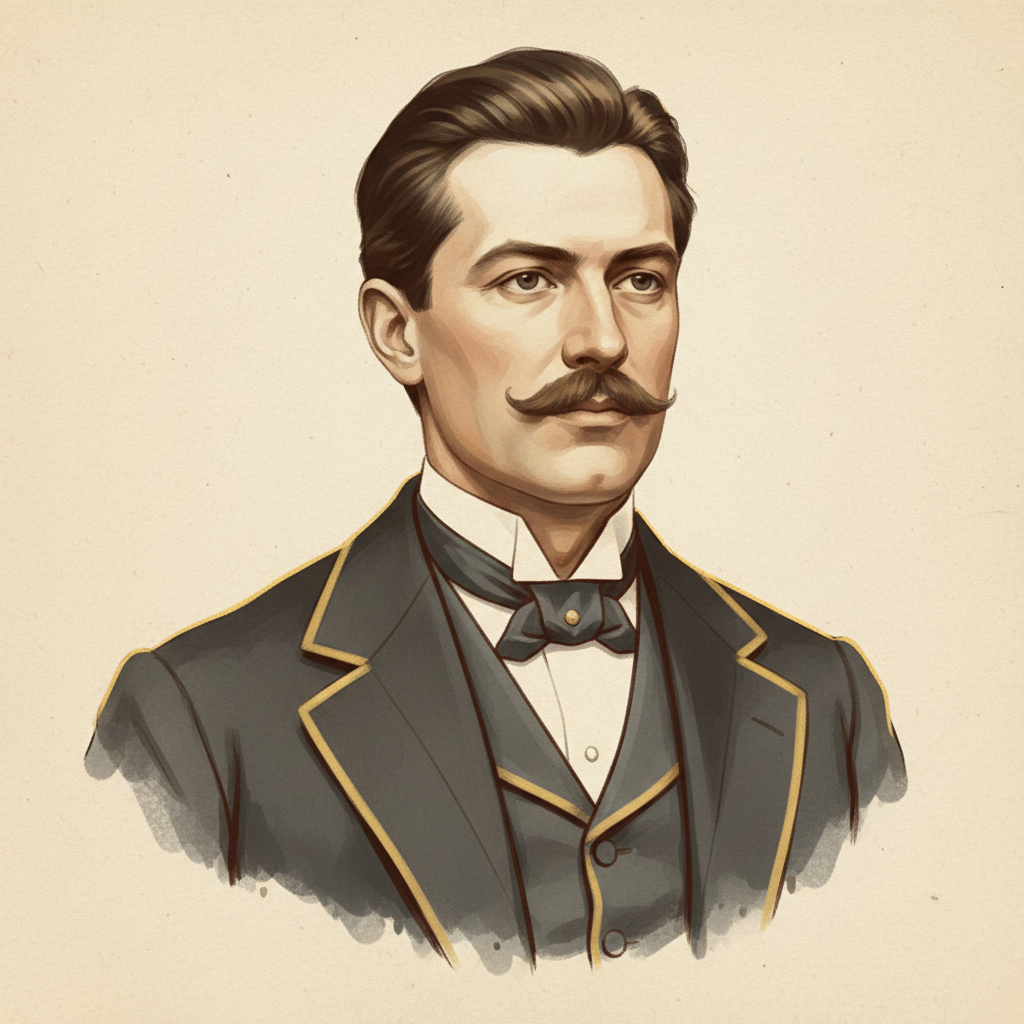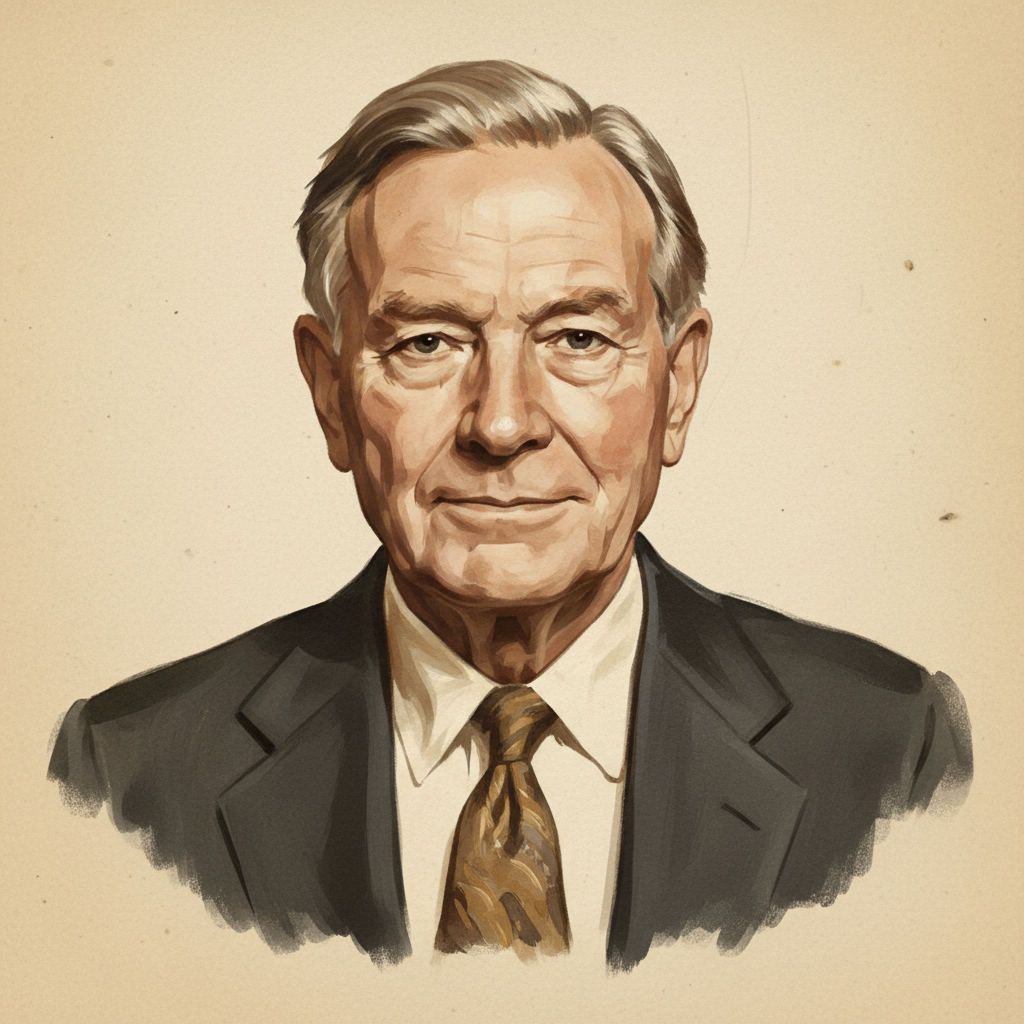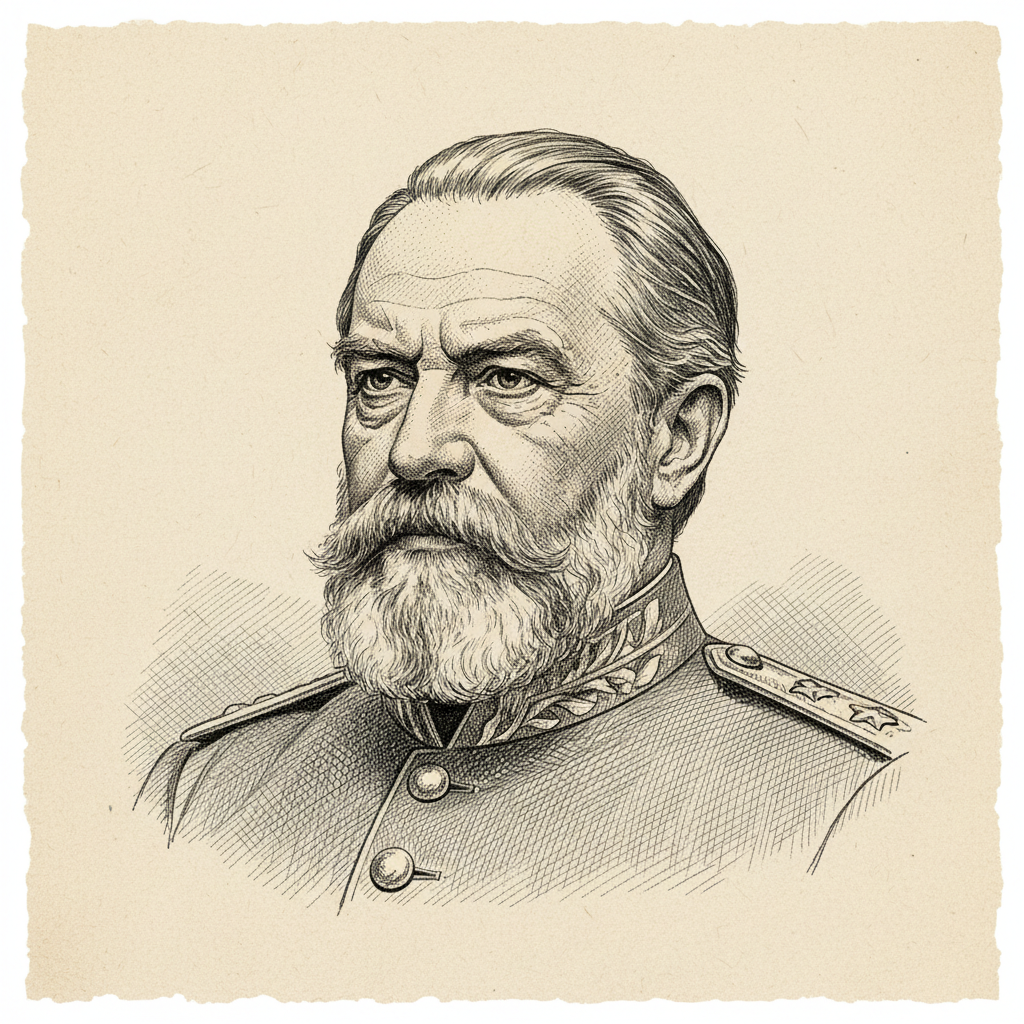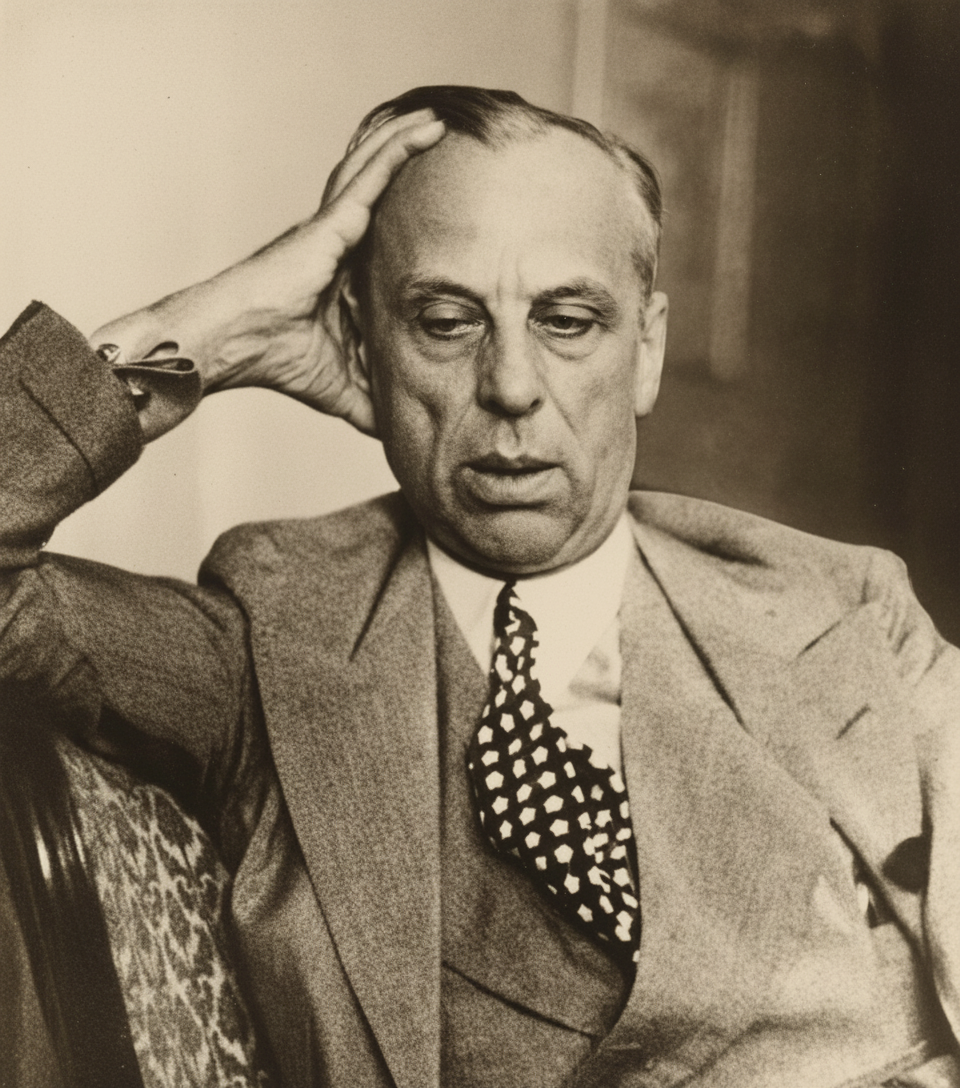
Portrait of Alfred Sloan
Historical Mind · 1875 — 1966

Alfred Sloan

Architectural genius of the modern corporation who engineered GM's decentralized governance and market dominance.

Country
United States
Continent
North America
Industry
Automotive / Industrial Manufacturing
Role
President & CEO, Chairman of General Motors

Alfred P. Sloan Jr. was the pioneering industrial executive who transformed General Motors from a disorganized amalgamation into the world's largest and most profitable manufacturing corporation. By instituting the multidivisional structure—combining decentralized operations with centralized financial control—Sloan created the operational template for the 20th-century multinational enterprise and successfully outmaneuvered Henry Ford's monolithic production model.

Biography

Born in New Haven, Connecticut, Alfred P. Sloan Jr. graduated with an electrical engineering degree from MIT in 1895. He began his industrial career at Hyatt Roller Bearing Company, quickly rising to president in 1899 and turning the struggling firm into an indispensable automotive supplier. In 1916, William C. Durant acquired Hyatt into the United Motors conglomerate, which was absorbed into General Motors in 1918, bringing Sloan into GM executive leadership. Following Durant's reckless expansion and the devastating 1920 post-war inventory crisis, the DuPont family assumed control and elevated Sloan to GM's presidency in 1923.\n\nSloan immediately overhauled GM's operational structure, implementing his seminal 'Organization Study'—an administrative masterpiece that operationalized 'decentralized operations with coordinated control.' Partnering with financial strategist Donaldson Brown, Sloan installed rigorous return-on-investment (ROI) methodologies, dynamic capital budgeting, and a 10-day dealer reporting system that matched plant assembly lines directly with consumer demand, neutralizing the bullwhip effect. To dismantle Ford's Model T monopoly, Sloan formulated the market segmentation philosophy: 'a car for every purse and purpose.' By structuring Chevrolet, Pontiac, Oldsmobile, Buick, and Cadillac into distinct, non-overlapping price bands, GM allowed customers to upgrade vehicles alongside their lifetime earnings.\n\nUnder Sloan's direction, GM pioneered modern corporate finance and marketing, deploying GMAC (General Motors Acceptance Corporation) to popularize consumer installment credit, establishing the Art and Color Section under Harley Earl to drive demand through dynamic styling, and introducing the annual model change. By 1931, GM surpassed Ford to capture permanent dominance in the American automobile industry. Sloan served as President until 1937, Chairman until 1956, and Honorary Chairman until his death in 1966, leaving a permanent legacy through his classic management treatise, 'My Years with General Motors.'

Accomplishments

  • 01Authored the 1920 GM 'Organization Study', which established the multidivisional corporate governance structure (the M-form) adopted by global enterprise.
  • 02Engineered the strategic pricing ladder ('a car for every purse and purpose') that systematically broke Ford's Model T monopoly and drove GM to industry leadership by 1931.
  • 03Designed and executed the 10-day retail dealer reporting network, solving industrial overproduction by synchronizing assembly schedules with real-time retail sales.
  • 04Integrated Donaldson Brown's ROI formula and DuPont capital rationing systems into GM's operations, laying the groundwork for modern enterprise financial control.
  • 05Scaled consumer credit through General Motors Acceptance Corporation (GMAC), democratizing car ownership and converting industrial capital into high-margin financing revenue.
  • 06Created the automotive industry's first centralized industrial design division (Art and Color Section) in 1927, pioneering annual model changes and styling differentiation.

Lessons for Operators

Decentralization without rigorous financial control invites managerial anarchy; centralization without divisional autonomy suffocates initiative.
Product lines must reflect customer lifecycle progression; offering single, immutable products leaves flanking vulnerabilities that competitors will exploit.
Inventory is capital tied up at risk; operational forecasts must be tethered to high-frequency point-of-sale data rather than executive optimism.
Executive capital allocation must rely on standardized Return on Investment (ROI) hurdles rather than political prestige or historical precedent.
Dissent is a risk-mitigation tool; major strategic capital commitments should be deferred until counter-arguments and adverse scenarios are rigorously surfaced.
The Operator's Playbook

Key Takeaways

Practical lessons distilled for operators, investors, C-levels, and capital allocators.

Lesson 01

Decentralized Operations with Coordinated Control

Divisional executives retain operational autonomy to compete in their specific markets, while central executive committees dictate enterprise capital allocation and uniform accounting controls.

Lesson 02

Market Segmentation Architecture

Prevent internal cannibalization while dominating industry demand by dividing product lines into clearly demarcated, escalating price bands tied to consumer income trajectories.

Lesson 03

Closed-Loop Demand Signaling

Insulate the enterprise from economic shocks by constructing real-time field-level reporting systems that prevent production lines from outpacing end-user demand.

Lesson 04

Financialization of the Balance Sheet

Pair capital-intensive manufacturing operations with captive finance mechanisms (like GMAC) to drive volume, lower customer acquisition resistance, and extract yield across the value chain.

Mental Models

Frameworks & Principles

Named frameworks and strategic principles they popularized or embodied.

01

The M-Form (Multidivisional Structure)

An organizational architecture that segregates day-to-day divisional operating activities from long-term enterprise strategy. Autonomous product or geographic divisions manage their own engineering, marketing, and production, while corporate headquarters retains uncompromised control over corporate strategy, capital budgeting, and financial performance audits.

When to useDeploy when a company operates multiple distinct product lines, technologies, or customer verticals that have exceeded the functional capacity of a single centralized hierarchy.

02

Price-Ladder Segmentation Matrix

A portfolio construction doctrine that positions products in sequential price and prestige tiers without functional overlaps. Each brand targets a distinct socioeconomic class, capturing customer lifetime value as consumer purchasing power expands over time while blocking competitive entry across every tier.

When to useDeploy when competing against single-product low-cost incumbents or when customer preferences within an expanding market splinter along status, feature, and disposable-income boundaries.

03

Brown-Sloan Return on Investment (ROI) Framework

A capital allocation system decomposing enterprise performance into operating margins multiplied by asset turnover. Divisions compete for scarce capital allocation exclusively based on their ability to exceed established hurdle rates on capital employed, factoring in capacity utilization and asset intensity.

When to useDeploy when managing competing internal business units requiring substantial capital allocations, neutralizing corporate politics by replacing instinct with audited return metrics.

Citations

Sources & Further Reading

Profiles, interviews, podcasts, and articles used to compile and verify this entry. Each link opens at the original publisher.

Adjacent Minds

Explore Related Titans

Other figures in the archive who share Alfred Sloan's domain, geography, or era.

Transportation & Logistics

More in Transportation & Logistics

Browse all →
Portrait of Henry Ford
UNITED STATES / AUTOMOTIVE
Henry Ford
The architect of mass production, democratizing the automobile through efficiency and scale.
Portrait of Soichiro Honda
JAPAN / AUTOMOTIVE
Soichiro Honda
From garage mechanic to global automotive titan, Soichiro Honda built a legacy grounded in engineering prowess and entrepreneurial zeal.
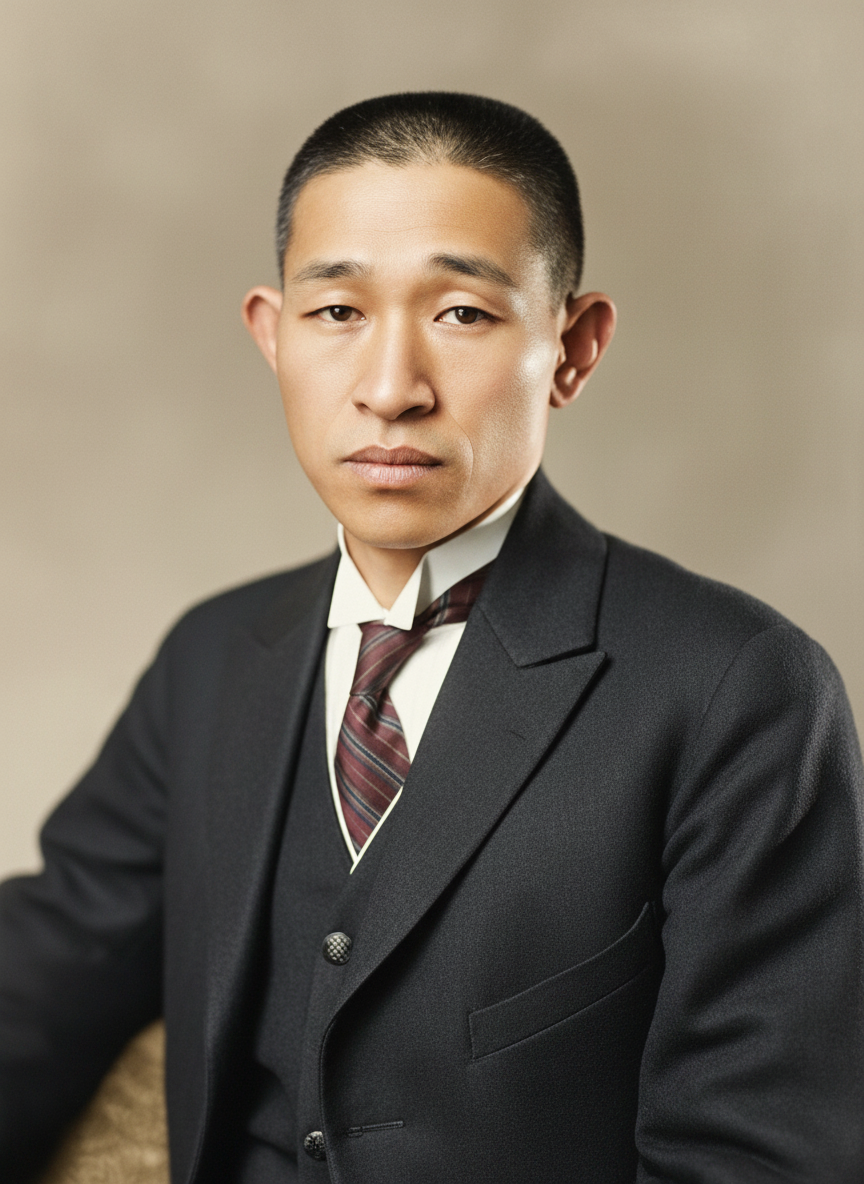
Portrait of Kiichiro Toyoda
JAPAN / AUTOMOTIVE
Kiichiro Toyoda
The engineer who pivoted a textile machinery company into a global automotive titan by relentlessly pursuing 'just-in-time' efficiency.
Portrait of Jean-Dominique Senard
FRANCE / AUTOMOTIVE
Jean-Dominique Senard
A pragmatic leader known for navigating complex corporate alliances and fostering industrial transformation.
Portrait of Stefan Winkelmann
GERMANY / AUTOMOTIVE
Stefan Winkelmann
Architect of luxury automotive brand transformations, known for revitalizing Lamborghini and Bugatti.
Portrait of Jost Capito
GERMANY / AUTOMOTIVE & MOTORSPORT
Jost Capito
A motorsport executive renowned for transforming underperforming teams into championship contenders through strategic leadership, operational restructuring, and fostering high-performance cultures.
Portrait of Tom Arseneault
UNITED STATES / AEROSPACE & DEFENSE
Tom Arseneault
Architect of BAE Systems, Inc.'s strategic growth and operational resilience in the complex US aerospace and defense market.
Portrait of Håkan Samuelsson
SWEDEN / AUTOMOTIVE
Håkan Samuelsson
Architect of Volvo Cars' modern renaissance and electrification strategy.
Portrait of Mary Barra
USA / AUTOMOTIVE
Mary Barra
The architect of General Motors' historic transition from internal combustion to an all-electric future, navigating significant technological and cultural shifts.
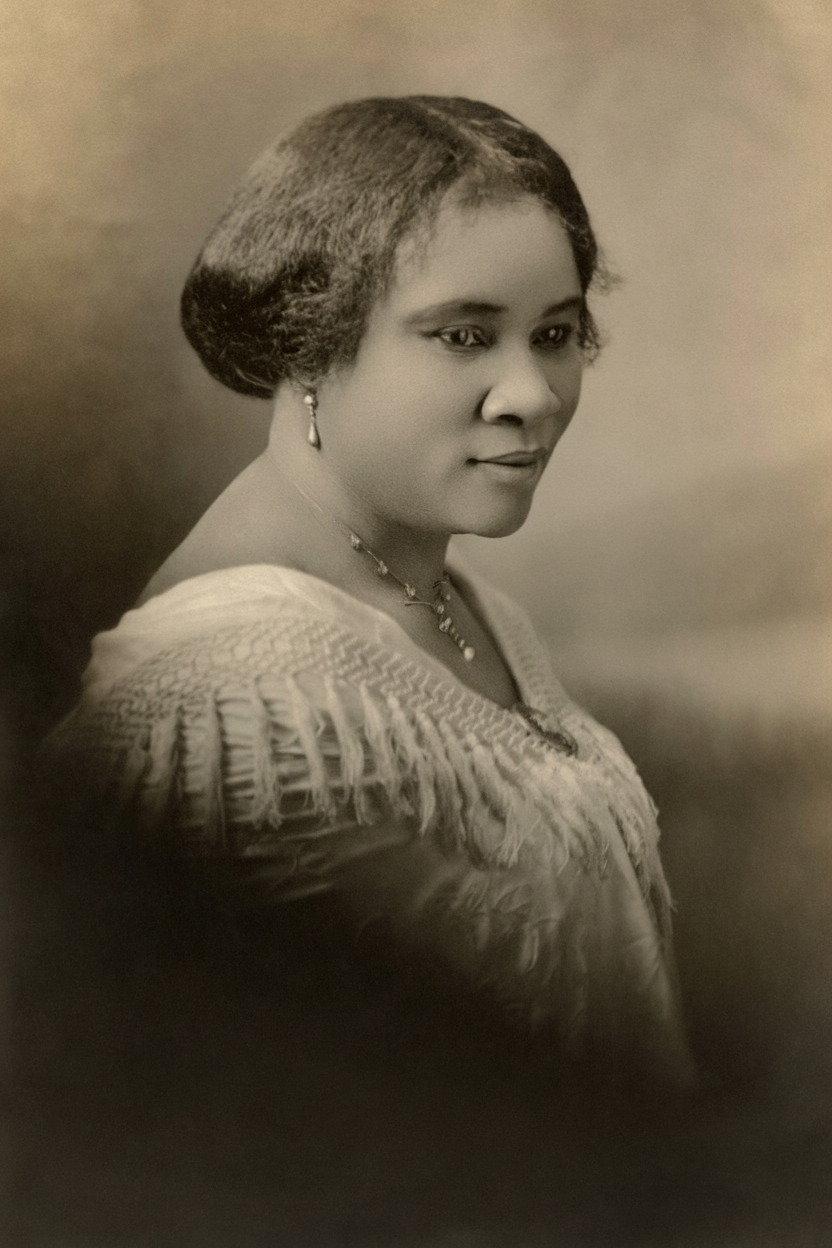
Portrait of Madam C.J. Walker
UNITED STATES / BEAUTY, PERSONAL CARE, DIRECT SALES
Madam C.J. Walker
Pioneering African American entrepreneur who built a haircare empire and became a self-made millionaire.
United States

From United States

Browse all →
Portrait of Andrew Carnegie
UNITED STATES / STEEL & MANUFACTURING
Andrew Carnegie
The architect of American steel supremacy and a pioneering industrialist whose innovations in cost control and vertical integration reshaped global manufacturing.
Portrait of Warren Buffett
UNITED STATES / INVESTING
Warren Buffett
The Oracle of Omaha: Architect of long-term value investing and compounding returns through disciplined acquisition and intrinsic value focus.
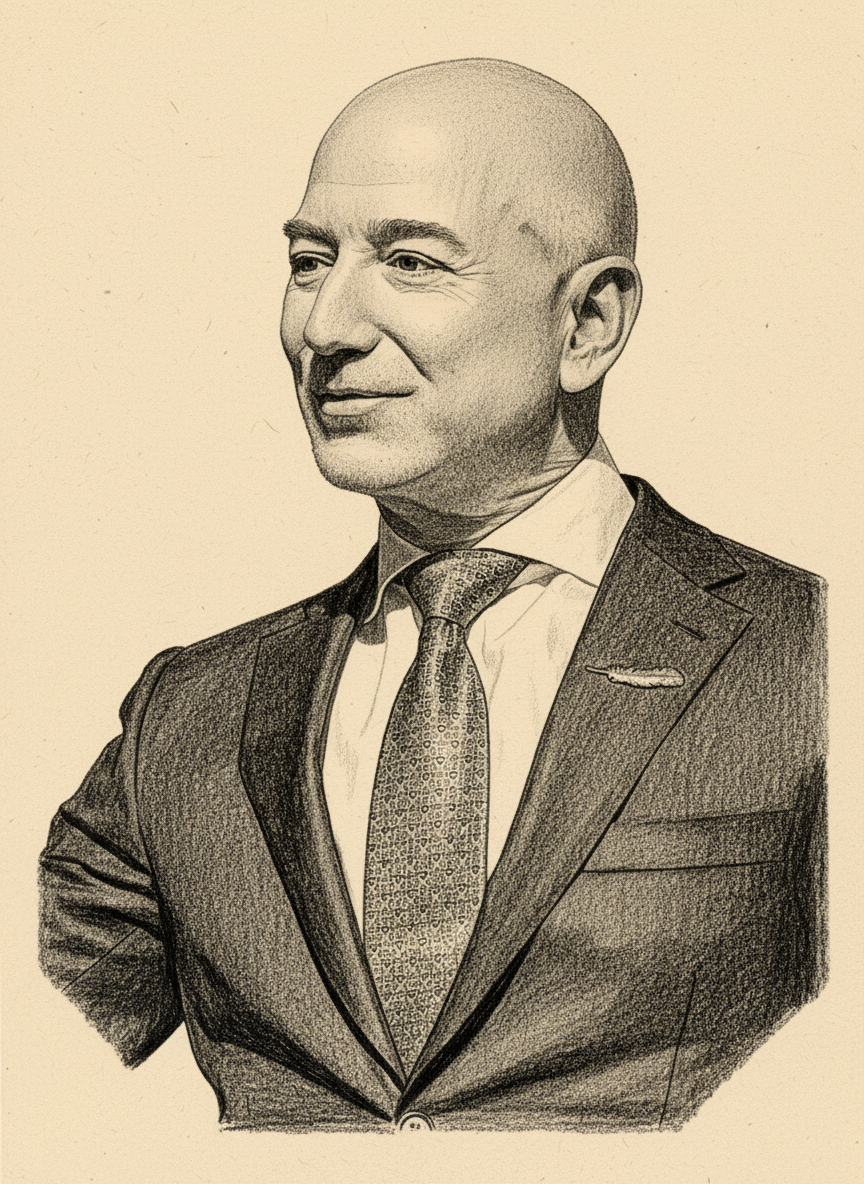
Portrait of Jeff Bezos
UNITED STATES / TECHNOLOGY, RETAIL, LOGISTICS, CLOUD COMPUTING, SPACE EXPLORATION
Jeff Bezos
Architect of Amazon, pioneer of e-commerce, and visionary across cloud computing, logistics, and space exploration.
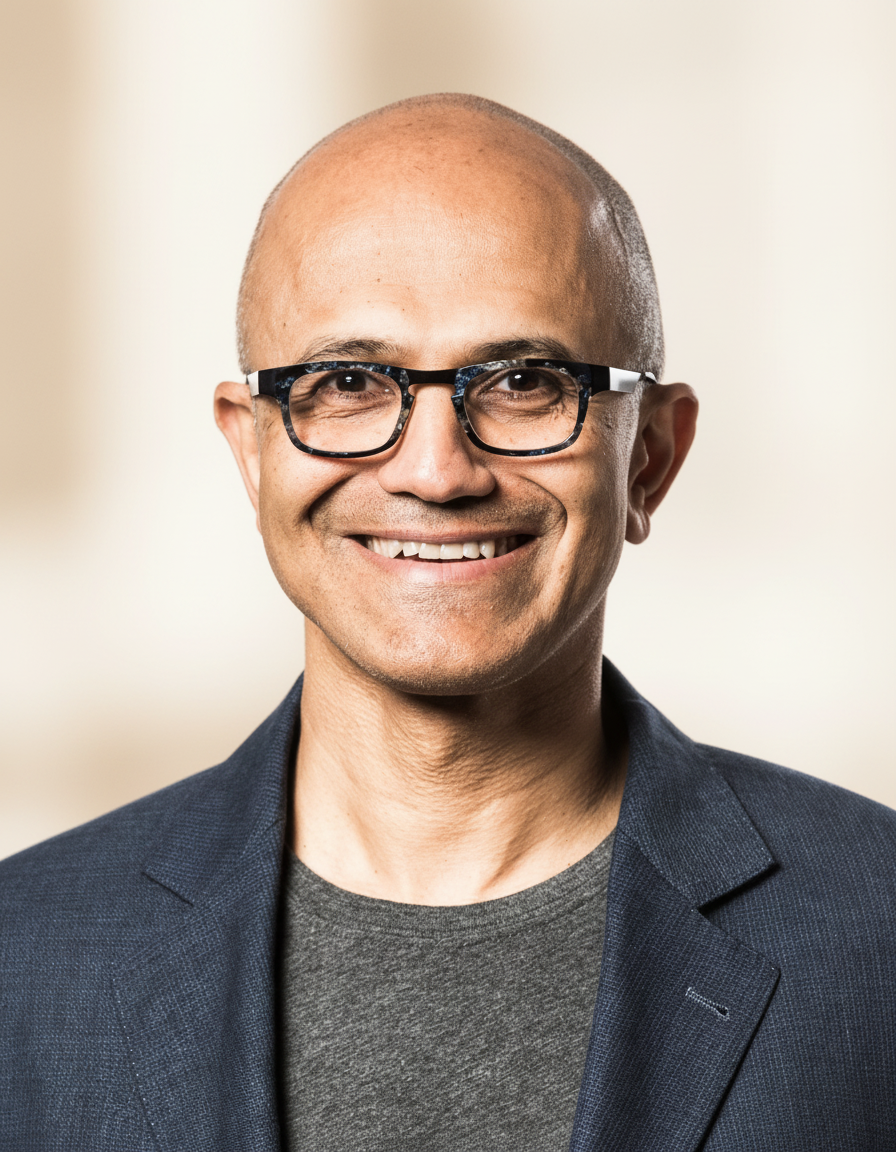
Portrait of Satya Nadella
UNITED STATES / TECHNOLOGY
Satya Nadella
Architect of Microsoft's cloud-first, AI-driven renaissance, shifting culture and strategy to drive sustained growth and market leadership.
Portrait of Bill Gates
UNITED STATES / SOFTWARE, TECHNOLOGY, PHILANTHROPY
Bill Gates
Co-founder of Microsoft, architect of the personal computing revolution, and global philanthropist.
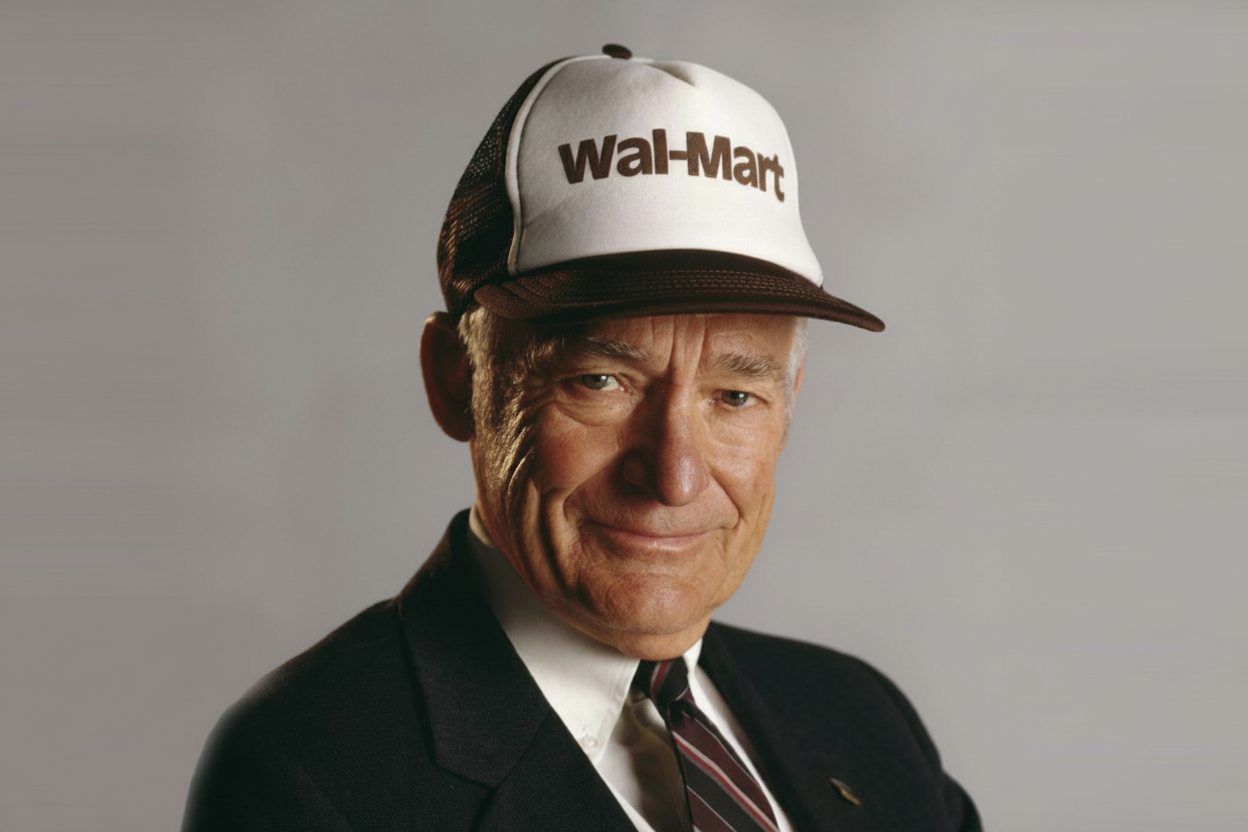
Portrait of Sam Walton
UNITED STATES / RETAIL
Sam Walton
The architect of modern retail, pioneering discount merchandising and logistical efficiency to establish the world's largest retail corporation.
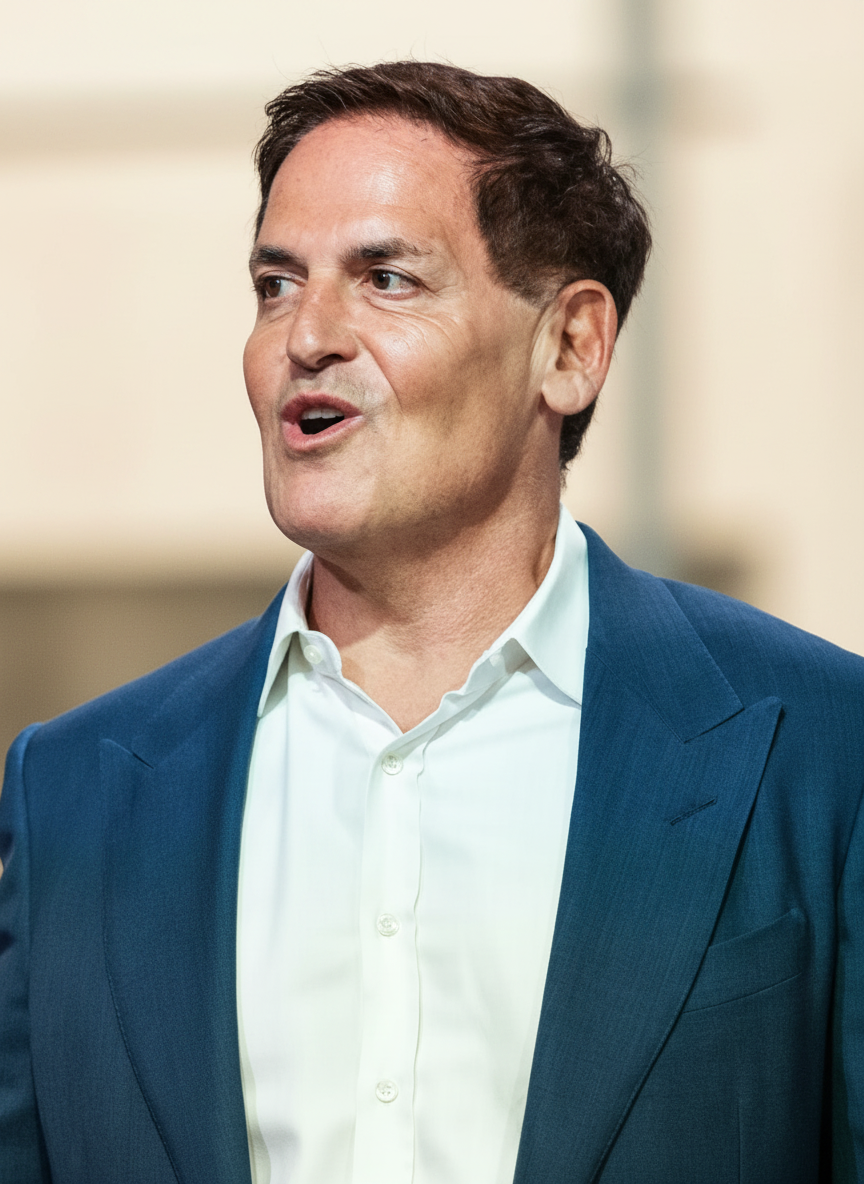
Portrait of Mark Cuban
UNITED STATES / TECHNOLOGY, MEDIA, SPORTS, HEALTHCARE
Mark Cuban
Mark Cuban: The Prolific Disrupter – From Software Startups to Sports Franchises and Pharmaceutical Innovation, Leveraging Technology and Direct-to-Consumer Models.
Portrait of Mohnish Pabrai
UNITED STATES / FINANCIAL SERVICES
Mohnish Pabrai
The Dhandho Investor: A Value Investing Maverick.
Portrait of Walt Disney
UNITED STATES / ENTERTAINMENT
Walt Disney
Co-founder of The Walt Disney Company, pioneering animation, theme parks, and diversified entertainment.
Portrait of Henry Ford
UNITED STATES / AUTOMOTIVE
Henry Ford
The architect of mass production, democratizing the automobile through efficiency and scale.
Same Era

Contemporaries — 19th century
Browse all →
Portrait of Andrew Carnegie
UNITED STATES / STEEL & MANUFACTURING
Andrew Carnegie
The architect of American steel supremacy and a pioneering industrialist whose innovations in cost control and vertical integration reshaped global manufacturing.
Portrait of Henry Ford
UNITED STATES / AUTOMOTIVE
Henry Ford
The architect of mass production, democratizing the automobile through efficiency and scale.
Portrait of Thomas Edison
UNITED STATES / INDUSTRIAL & ENERGY
Thomas Edison
The Prolific Inventor and Industrialist Who Electrified the World and Standardized Innovation.
Portrait of J. Pierpont Morgan
UNITED STATES / BANKING & FINANCE
J. Pierpont Morgan
The architect of American industrial capitalism and financial stability.
Portrait of John D. Rockefeller
UNITED STATES / OIL & ENERGY
John D. Rockefeller
Architect of Standard Oil: Pioneering Vertical and Horizontal Integration in the Petroleum Industry.
Portrait of Konosuke Matsushita
JAPAN / CONSUMER ELECTRONICS
Konosuke Matsushita
The Founder of Panasonic, pioneered mass-market electronics and the 'management philosophy' approach to business.
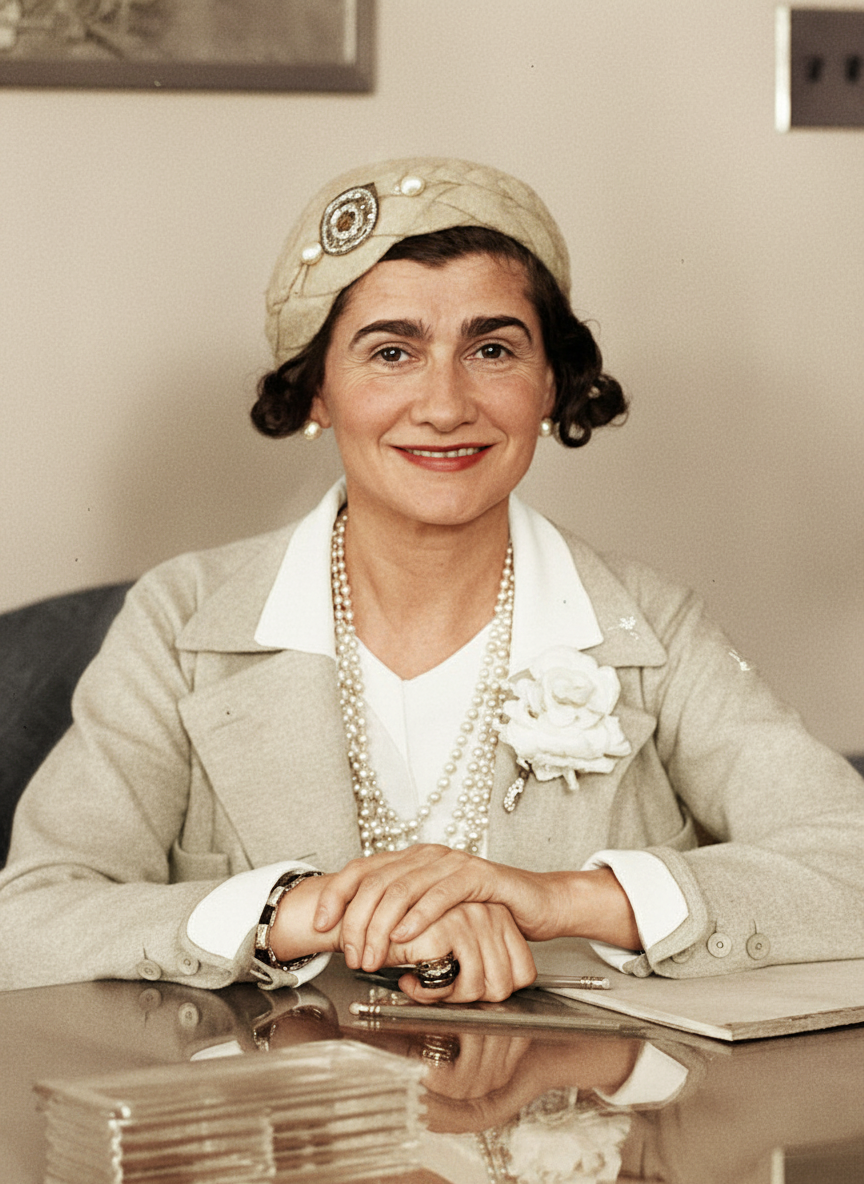
Portrait of Coco Chanel
FRANCE / FASHION & LUXURY
Coco Chanel
The architect of modern female fashion, transforming haute couture into an empire of timeless style and aspirational luxury.
Portrait of Madam C.J. Walker
UNITED STATES / BEAUTY & COSMETICS
Madam C.J. Walker
America's First Self-Made Woman Millionaire, Founder of a Global Haircare and Cosmetics Empire.
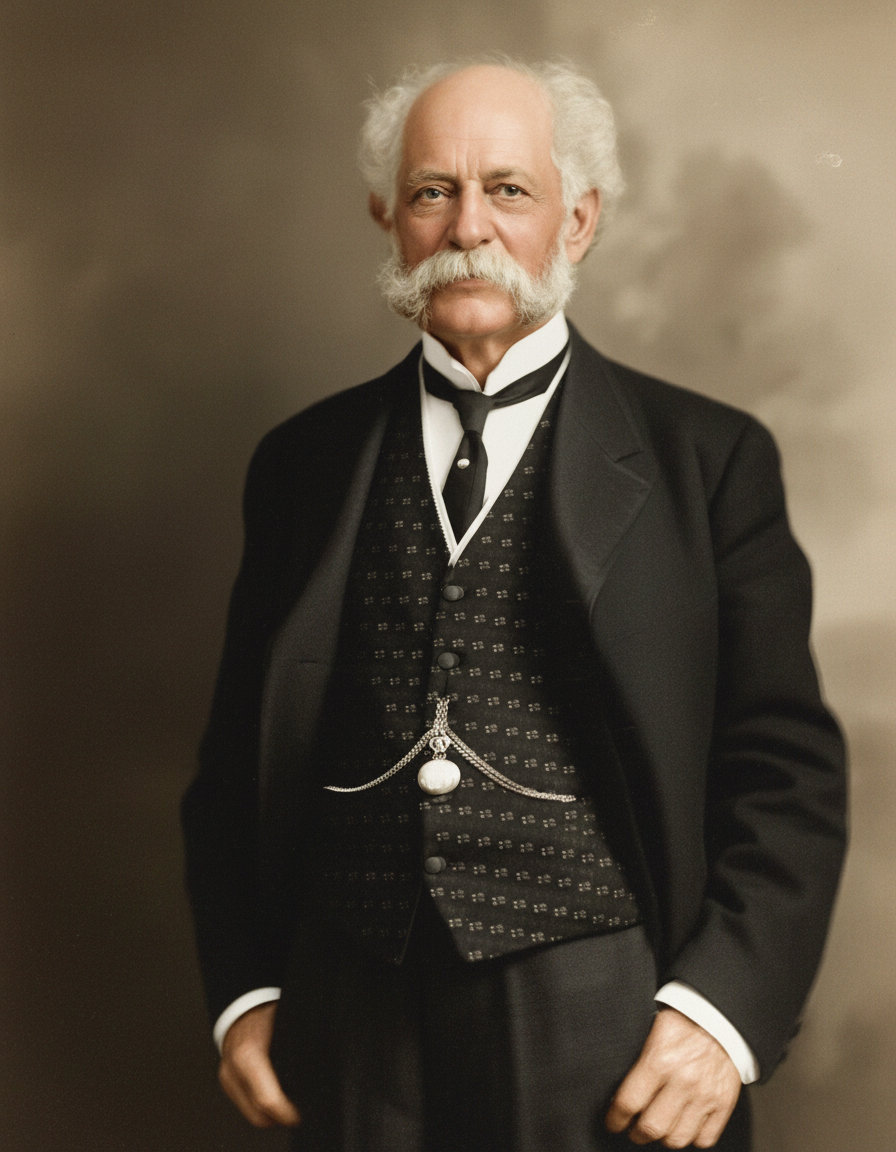
Portrait of Henry J. Heinz
UNITED STATES / FOOD & BEVERAGE
Henry J. Heinz
Henry J. Heinz: The pioneer of branded foods, meticulous quality, and innovative marketing, transforming the food industry from local bulk sales to a trusted global enterprise.
Portrait of Otto von Bismarck
GERMANY / NATION-BUILDING / STATECRAFT
Otto von Bismarck
The Iron Chancellor: Unifier of Germany through Realpolitik and Strategic Statecraft.