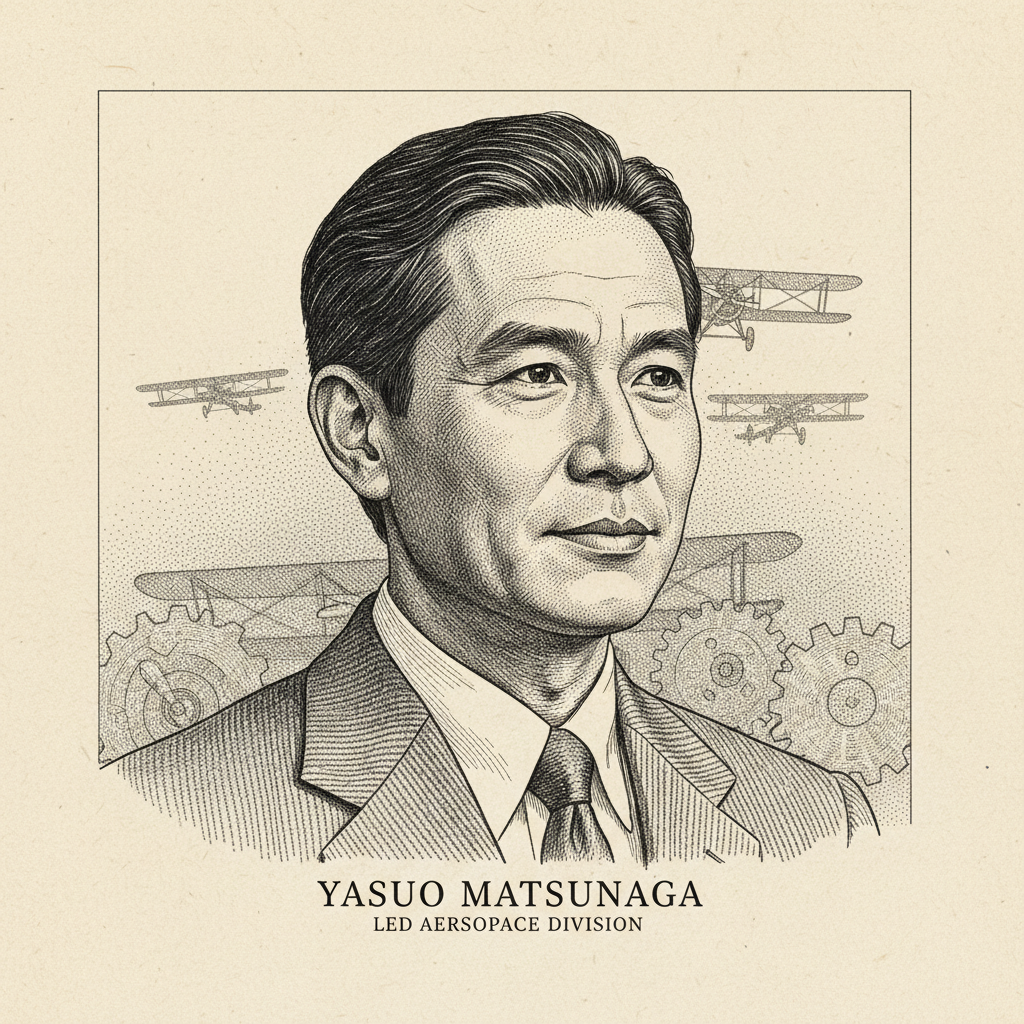
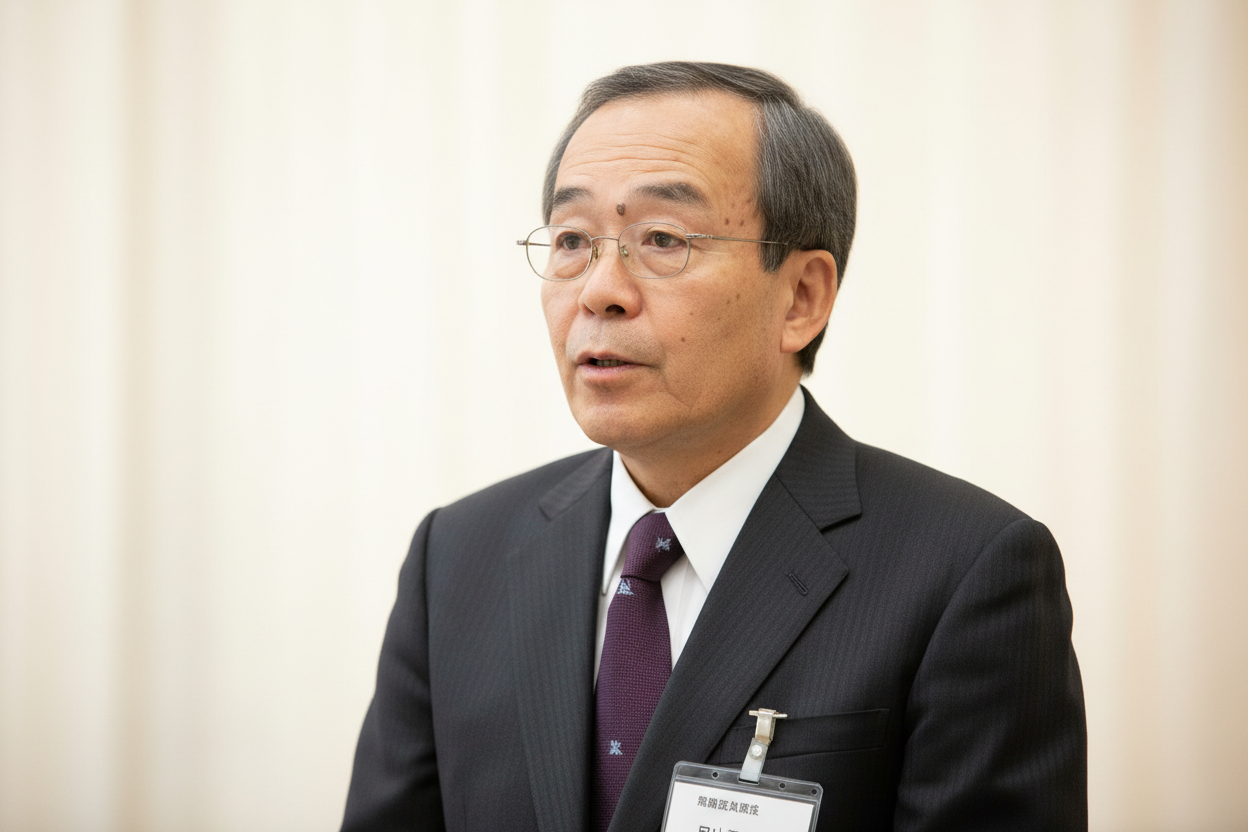
Yasuo Matsunaga
Yasuo Matsunaga is a highly accomplished executive and strategic advisor renowned for his profound impact on the global aerospace and defense industry, specializing in mergers and acquisitions, and international business development.
Yasuo Matsunaga built a distinguished career at Mitsubishi Heavy Industries (MHI), culminating in his role as President of Mitsubishi Aircraft Corporation. His expertise spans large-scale program management, international joint ventures, and strategic corporate development, notably leading the MRJ (SpaceJet) program and impactful M&A activities.
Biography
Accomplishments
- 01Led the strategic development and initial phases of the Mitsubishi Regional Jet (MRJ) program (later SpaceJet), Japan's first domestically produced commercial passenger aircraft in over 50 years, as President of Mitsubishi Aircraft Corporation (2009-2015).
- 02Orchestrated significant international business development and M&A for Mitsubishi Heavy Industries (MHI), including the acquisition of Pratt & Whitney Power Systems for approximately $1 billion in 2013.
- 03Cultivated and managed key strategic alliances with major global aerospace players, such as Airbus and Safran, while stationed in European leadership roles for MHI, expanding market access and technological collaboration.
- 04Served as Corporate Vice President for MHI's Aerospace Systems, overseeing a diverse portfolio spanning commercial aircraft, defense, and space programs, contributing to substantial revenue growth and market share expansion throughout the 2000s.
- 05Successfully integrated acquired strategic assets into MHI's global operations, ensuring synergy realization and maximizing long-term value from M&A transactions.
Lessons for Operators
Key Takeaways
Practical lessons distilled for operators, investors, C-levels, and capital allocators.
Master the Long Game
Successful ventures in aerospace and defense often have multi-decade timelines. Investors and operators must commit to sustained capital allocation and strategic patience, understanding that immediate returns are rare.
Think Globally, Act Locally
While strategies are global, execution requires a deep understanding of local regulations, cultural nuances, and partner ecosystems. Matsunaga's European postings exemplify this localized influence for global gain.
M&A as a Core Growth Lever
Strategic acquisitions are not merely financial transactions but integral to R&D, market access, and capability enhancement. Evaluate targets based on long-term strategic fit and integration potential, not just immediate financial metrics.
Resilience in Program Management
Large-scale programs (e.g., aircraft development) are fraught with delays and cost overruns. Leadership must build resilient teams, contingency plans, and maintain stakeholder confidence through setbacks.
Cultivate External Partnerships
No single entity possesses all capabilities. Strategic alliances and joint ventures with industry leaders are crucial for sharing risk, leveraging expertise, and accessing new markets. MHI's collaborations with Airbus and Safran illustrate this.
Frameworks & Principles
Named frameworks and strategic principles they popularized or embodied.
Global Strategic Alliance Matrix (GSAM)
A framework for identifying, evaluating, and managing international strategic alliances based on technological synergy, market access potential, regulatory compliance, and cultural compatibility. It moves beyond simple joint ventures to assess long-term, multi-faceted partnerships.
When to useWhen considering international partnerships, joint ventures, or supply chain integrations in complex, highly regulated industries to systematically evaluate and prioritize potential collaborators.
Long-Cycle Program Development Funnel
A phased approach to managing large-scale, capital-intensive programs (e.g., new aircraft development) that emphasizes gate reviews, risk mitigation at each stage (concept, design, prototype, certification, production), and iterative feedback loops with regulatory bodies and customers. It acknowledges the inherent uncertainty and extended timelines.
When to useFor companies launching or managing projects with development cycles exceeding five years, significant R&D investment, and high regulatory hurdles, aiming to structure decision-making and de-risk progression.
Integration-Driven M&A Playbook
A structured methodology focusing on the pre-acquisition identification of integration synergies (operational, technological, market), robust due diligence for cultural and procedural fit, and a detailed post-merger integration plan that accounts for specific aerospace and defense industry nuances (e.g., intellectual property, security clearances, customer contracts).
When to useWhen conducting M&A in industries where successful integration is as critical as the acquisition itself, particularly to ensure continuity, retain key talent, and realize strategic benefits.
Recent Appearances
Latest interviews, keynotes, and press from the past half year.

Explore Related Titans
Other figures in the archive who share Yasuo Matsunaga's domain, geography, or era.
More in Finance & Investing










From Japan


Contemporaries — born 1940s