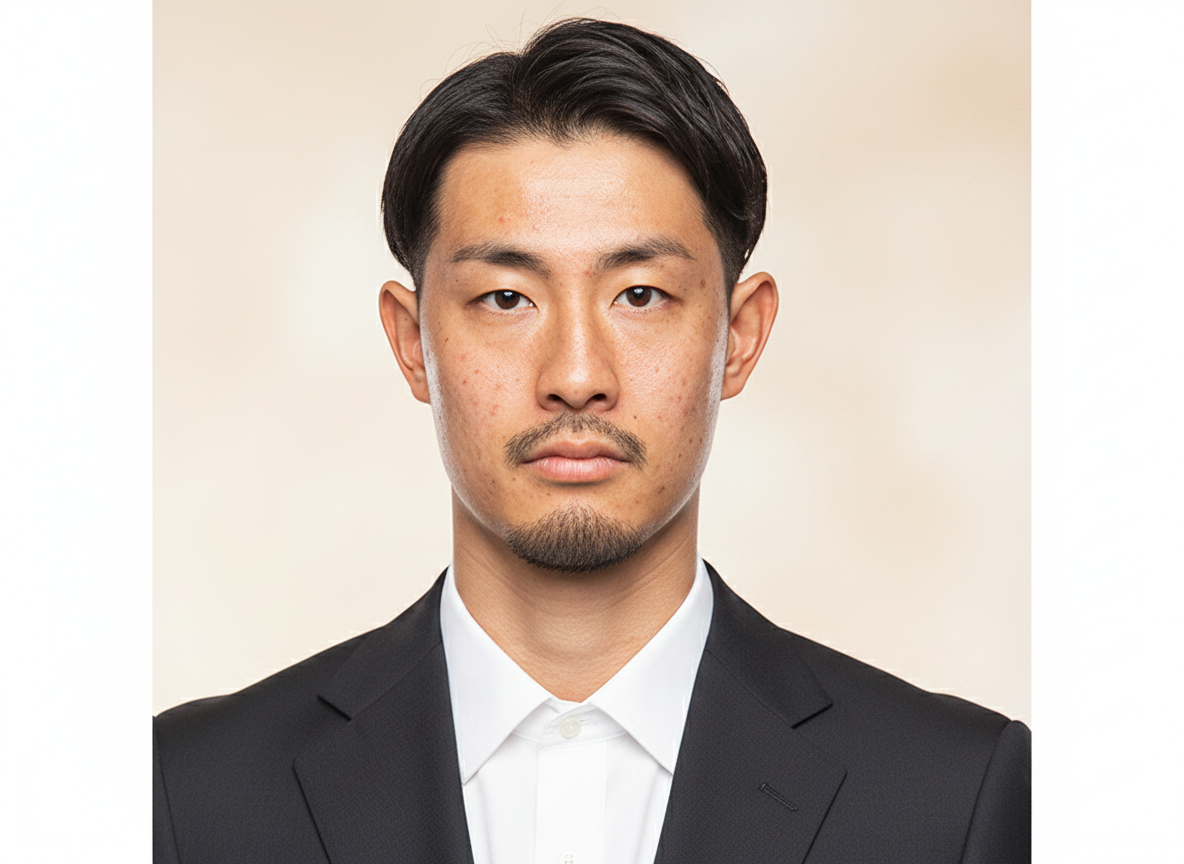
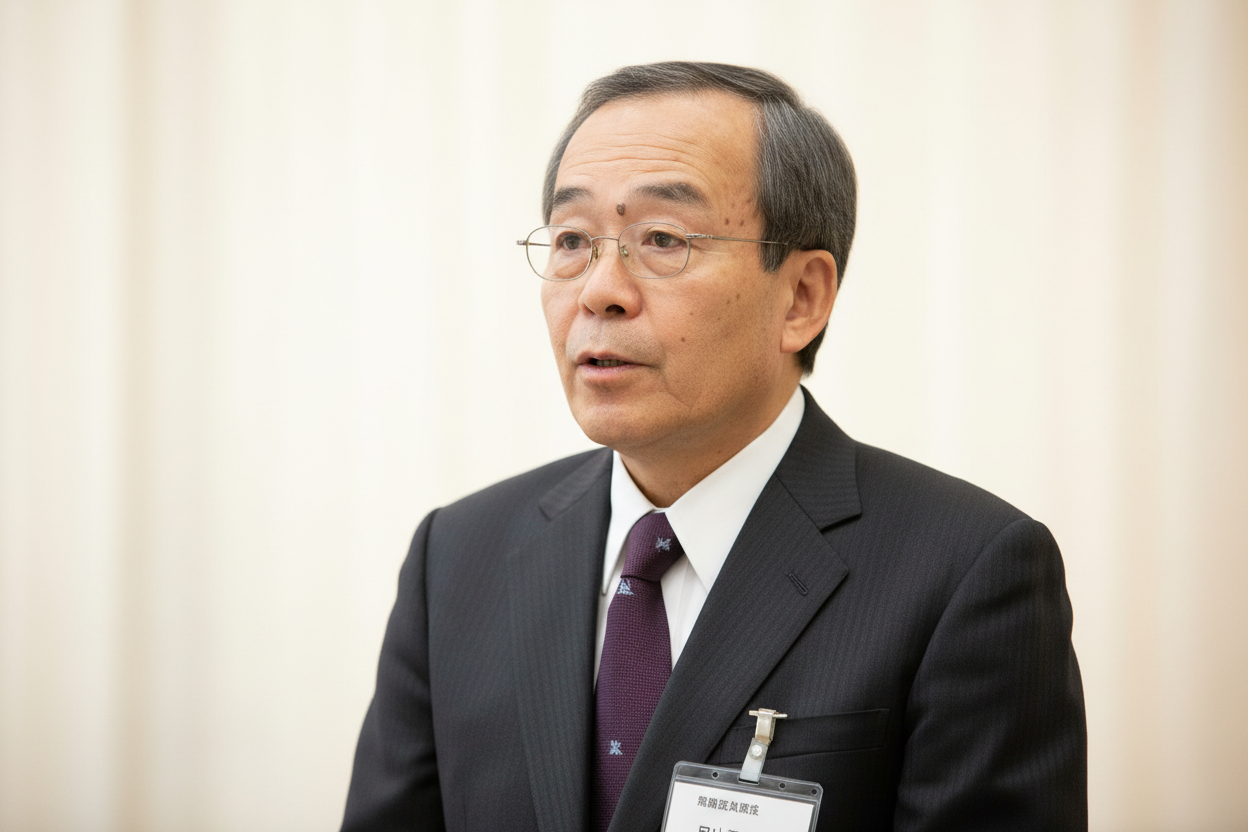
Nozomu Takaoka
Founder of Asset Management Co. Ltd., pioneering a quantitative, data-driven approach to investment in Japan.
Nozomu Takaoka is a prominent Japanese asset management executive, best known as the founder, CEO, and CIO of Asset Management Co. Ltd. (AMC). Before establishing AMC in 1998, he accumulated experience at Nomura Research Institute and Goldman Sachs Asset Management, where he developed a deep understanding of quantitative investment strategies. Takaoka spearheaded AMC's growth into a significant player in the Japanese market, managing substantial assets through systematic, research-backed approaches, often focusing on niche and less-efficient segments.
Biography
Accomplishments
- 01Founded Asset Management Co. Ltd. (AMC) in 1998, establishing one of Japan's pioneering independent quantitative asset management firms.
- 02Successfully launched and managed a suite of quantitative funds, including long-short equity strategies, attracting significant institutional capital.
- 03Developed proprietary research methodologies and investment models that consistently generated alpha in the Japanese equity markets, particularly in the early 2000s.
- 04Navigated significant market turbulence, including the dot-com bust and subsequent market recalibrations, demonstrating the robustness of AMC's systematic strategies.
- 05Built a reputation for transparency, rigorous research, and client-focused service in a competitive financial landscape.
- 06Grew AMC into a notable player in the Japanese asset management sector, competing effectively against larger, established financial institutions.
Lessons for Operators
Key Takeaways
Practical lessons distilled for operators, investors, C-levels, and capital allocators.
Quantitative Edge in Traditional Markets
Takaoka demonstrated that systematic, data-driven strategies can deliver superior returns even in mature markets like Japan by exploiting inefficiencies that discretionary managers might overlook. Operators should explore how data analytics can disrupt traditional approaches in their respective industries.
Build Proprietary Know-How
AMC's success was significantly tied to its internally developed investment models and research. Investing in proprietary intellectual property and knowledge bases creates a defensible competitive moat and reduces reliance on external, commoditized solutions.
Focus on Client Alignment
Takaoka's emphasis on transparency and consistent performance helped AMC build strong client trust. For any business, aligning interests with clients and clearly communicating value propositions is fundamental for long-term growth and reputation.
Strategic Market Positioning
By identifying a niche (quantitative management in Japan) and excelling within it, Takaoka avoided direct competition with larger, diversified firms initially. This strategic focus allowed AMC to establish its expertise and scale incrementally.
Discipline in Execution
The consistent application of quantitative methodologies, even during periods of underperformance, highlights the importance of strategic discipline. Operators and investors must trust their frameworks and avoid knee-jerk reactions during market fluctuations.
Frameworks & Principles
Named frameworks and strategic principles they popularized or embodied.
Niche Market Penetration Strategy
Identify an overlooked or underserved segment within a larger market where existing solutions are inadequate or traditional approaches are inefficient. Develop specialized solutions to cater to this specific demand.
When to useWhen entering a competitive market, or when seeking to differentiate from established players. Applicable for startups and incumbents diversifying into new areas.
Proprietary Quantitative Model Development
Focus on building in-house, data-driven analytical tools and algorithms to identify patterns, predict outcomes, or optimize processes. This creates a unique intellectual asset that can provide a sustained competitive advantage.
When to useIn industries where large datasets are available, and objective decision-making through complex analysis can lead to superior outcomes (e.g., finance, logistics, advertising, healthcare).
Lean, Research-Intensive Organization Structure
Prioritize investment in core research and development (or primary value-creation functions) while minimizing overhead in non-essential areas. Foster a culture where data and innovation drive decisions.
When to useFor knowledge-intensive businesses, R&D departments, or startups where rapid innovation and efficiency are critical for success.
Transparency and Trust-Building Framework
Establish clear communication protocols, disclose methodologies where appropriate, and consistently deliver on commitments. This builds long-term trust with stakeholders (clients, investors, employees).
When to useEssential for any B2B or B2C business, particularly in service industries (finance, consulting, legal) where reputation and client relationships are paramount.
Explore Related Titans
Other figures in the archive who share Nozomu Takaoka's domain, geography, or era.
More in Finance & Investing









From Japan


Contemporaries — born 1960s