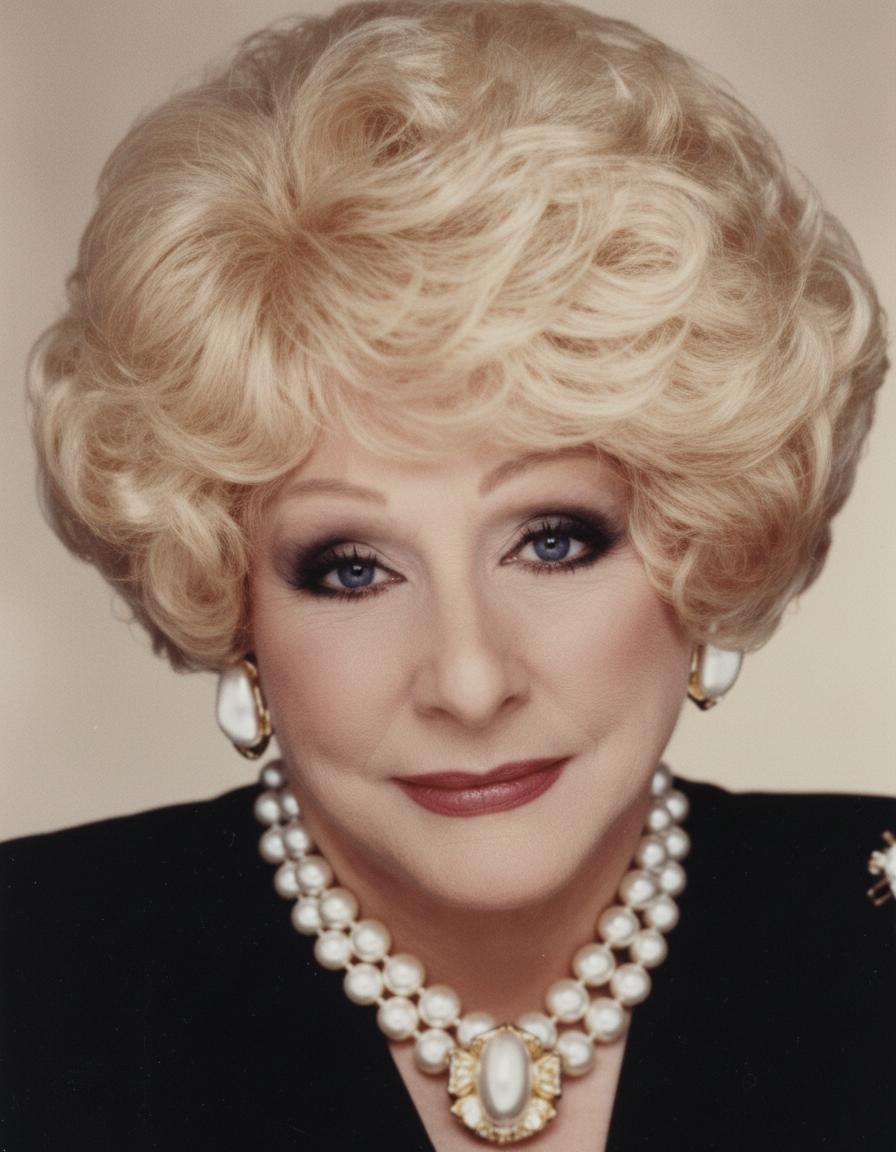
Mary Kay Ash
Mary Kay Ash pioneered a multi-level marketing empire in cosmetics, empowering women through entrepreneurship and a distinct corporate culture.
Mary Kay Ash, born in Hot Wells, Texas, founded Mary Kay Cosmetics in 1963 at age 45 after facing gender-based discrimination in corporate sales. Despite initial skepticism, she built a global direct sales beauty company by empowering women as independent consultants, offering them robust training, recognition, and commission-based income. Her unique business model, emphasizing values like 'God First, Family Second, Career Third' and lavish incentives for top performers, propelled Mary Kay Inc. into a multi-billion dollar enterprise, profoundly impacting the direct selling industry and women's economic opportunities.
Biography
Accomplishments
- 01Founded Mary Kay Cosmetics in 1963, building it into a global direct sales powerhouse with operations in over 35 countries by 2000.
- 02Pioneered a unique multi-level marketing (MLM) model that empowered millions of women globally to achieve financial independence and career advancement.
- 03Introduced innovative incentive programs, most notably the 'Pink Cadillac' program (launched 1969), which became an iconic symbol of success in direct sales.
- 04Successfully took Mary Kay Cosmetics public in 1968, demonstrating its financial viability, and later led a management buyout in 1985 to privatize the company and preserve its distinctive corporate culture.
- 05Authored multiple best-selling books, including 'Mary Kay on People Management' (1984) and 'Mary Kay: You Can Have It All' (1995), codifying her business philosophies for a wider audience.
- 06Developed a strong corporate culture centered on recognition, ethical behavior ('The Golden Rule'), and prioritizing family values, which differentiated Mary Kay Cosmetics in the competitive beauty industry.
- 07Established the Mary Kay Ash Charitable Foundation in 1996, dedicated to funding research for cancers affecting women and combating domestic violence.
Lessons for Operators
Key Takeaways
Practical lessons distilled for operators, investors, C-levels, and capital allocators.
Culture as a Competitive Advantage
Mary Kay Ash demonstrated that a deeply ingrained, values-driven corporate culture can be a formidable competitive advantage. Her focus on recognition, ethical treatment, and personal development for her sales force fostered loyalty and drove exceptional performance, often outperforming competitors relying solely on product innovation or price.
The Power of Aspiration and Recognition
Beyond financial compensation, Ash mastered the art of aspirational incentives. The iconic Pink Cadillac and other lavish rewards were not just bonuses; they were powerful symbols of achievement, public recognition, and aspirational goals that motivated her sales force more profoundly than mere cash payments might have.
Empowerment as a Business Strategy
Mary Kay's business model was fundamentally about empowering women, providing them with flexible entrepreneurial opportunities and a supportive community. This resonated deeply with its target demographic, turning consultants into passionate advocates and creating a self-sustaining growth engine.
Direct Sales as a Distribution Model
Ash refined the direct sales model, proving its effectiveness for products requiring demonstration and personalized advice. Her system of independent consultants providing in-home beauty classes bypassed traditional retail channels, building direct customer relationships and personalized service.
Visionary Leadership for Mission-Driven Growth
Ash's unwavering vision to create opportunities for women, combined with her strong personal values, guided every aspect of her company's development. This mission-driven approach attracted dedicated individuals and fostered collective enthusiasm, proving that a strong 'why' can drive exceptional 'how'.
Frameworks & Principles
Named frameworks and strategic principles they popularized or embodied.
The Mary Kay Success Triangle
This framework emphasizes a balanced approach to life and work: 'God First, Family Second, Career Third'. It guides individuals in prioritizing their commitments to ensure personal well-being and long-term fulfillment, believing that success in career naturally follows a stable personal foundation.
When to useApplicable for leaders designing corporate culture, advising employees on work-life balance, or individuals seeking to align personal values with professional pursuits. Useful for fostering a supportive work environment that values employees' holistic well-being.
The Golden Rule of Business
Central to Mary Kay's operational philosophy, this framework dictates treating others as you would want to be treated. In practice, this means fair dealings with customers, respectful treatment of consultants, and ethical business practices at all levels. It fosters trust and long-term relationships.
When to useEmploy this when establishing ethical guidelines for sales, customer service, and internal employee relations. It's particularly effective in direct sales or customer-facing businesses where trust and repeat business are paramount.
Recognition-Based Motivation
This framework posits that public recognition and aspirational rewards (e.g., trips, vehicles, jewelry) can be more powerful motivators than solely financial incentives. It focuses on celebrating achievements, fostering pride, and creating visible symbols of success that inspire others.
When to useImplement when designing incentive programs, sales contests, or employee appreciation initiatives. Effective in environments where individual performance is measurable and public acknowledgment can drive competitive spirit and loyalty, such as sales teams or franchise networks.
The 'Pink Cadillac' Incentive Model
A specific application of recognition-based motivation, this model uses a highly visible, aspirational, and exclusive reward (the pink Cadillac) to signify top-tier achievement. It creates a powerful aspirational goal that drives sustained high performance and serves as mobile advertising for the brand.
When to useConsider for businesses that can link top-tier performance to a high-value, public, and brand-aligned reward. Best suited for sales organizations or partner programs where prestige and visible success are strong motivators for an elite group of performers.
Sources & Further Reading
Profiles, interviews, podcasts, and articles used to compile and verify this entry. Each link opens at the original publisher.
Explore Related Titans
Other figures in the archive who share Mary Kay Ash's domain, geography, or era.
More in Consumer & Retail




From United States







Contemporaries — 20th century