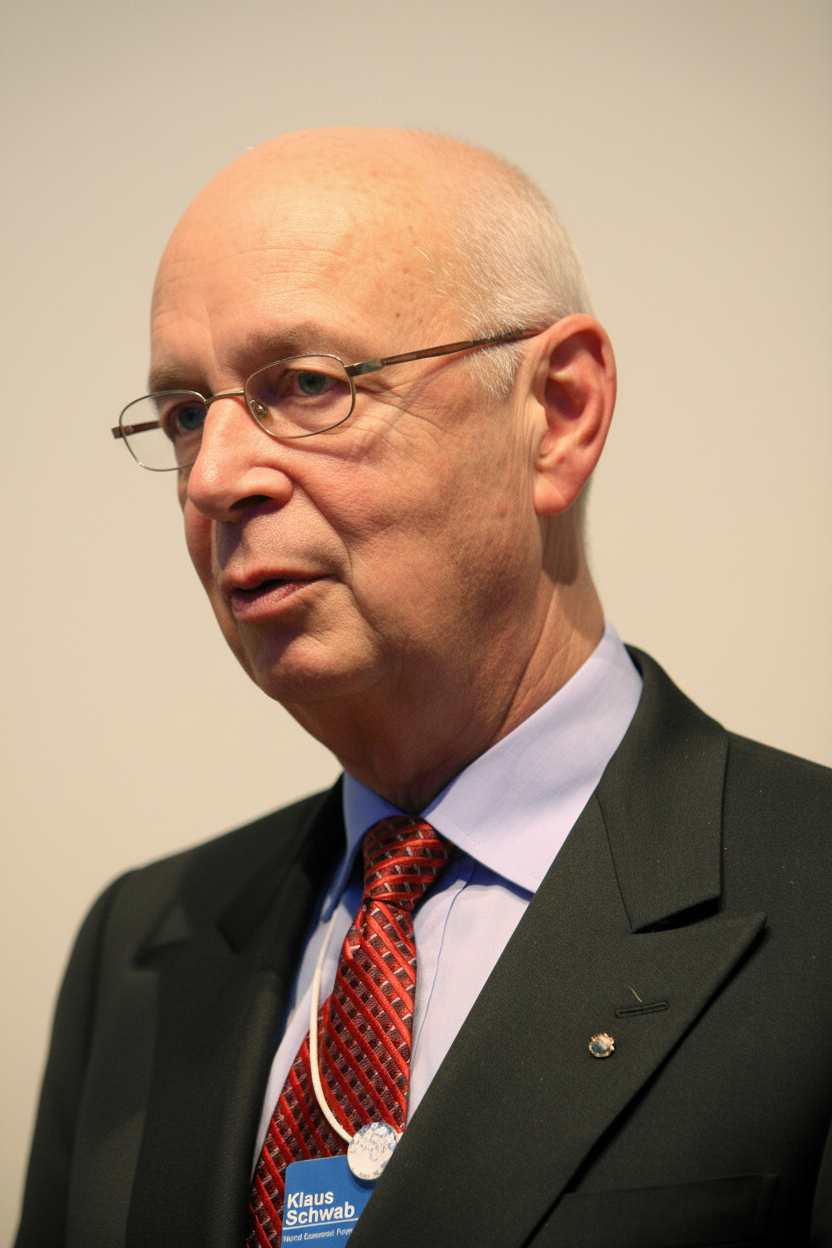
Klaus Schwab
The architect of multi-stakeholder capitalism and global convenings.
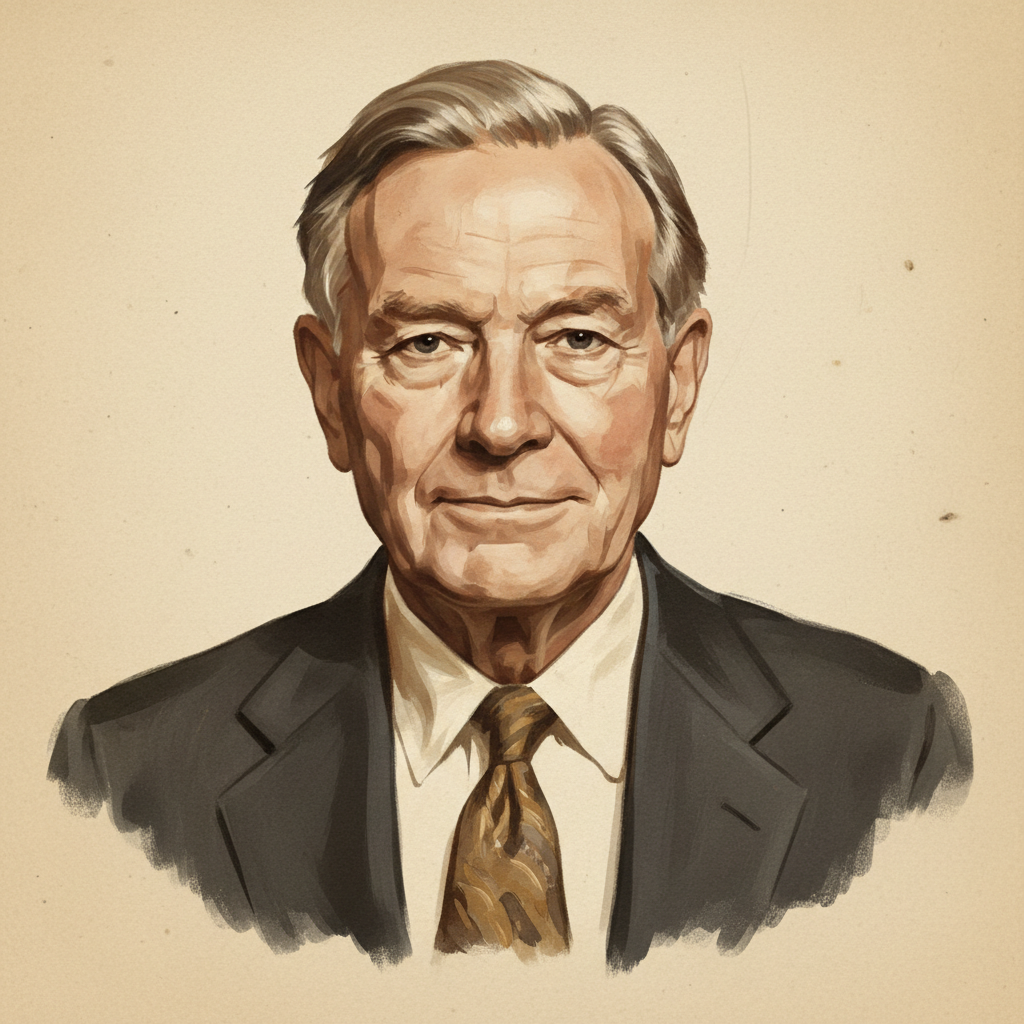
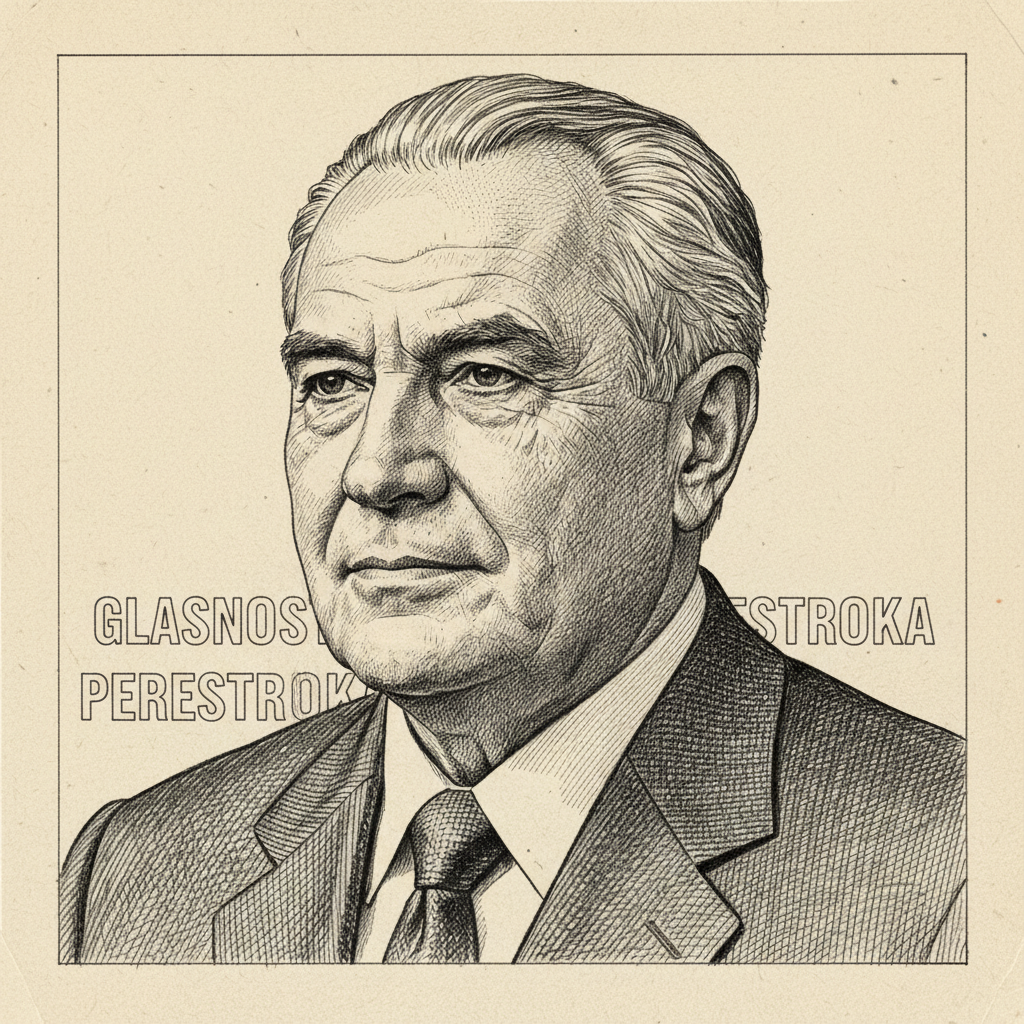
Klaus Schwab is a German engineer and economist, best known as the founder and executive chairman of the World Economic Forum (WEF). He established the WEF in 1971, initially as the European Management Forum, evolving it into a preeminent platform for global leaders to address critical world issues. His work has profoundly influenced the discourse on global governance, stakeholder capitalism, and the future of technology and society.
Biography
Accomplishments
- 01Founded the European Management Forum in 1971, which later became the World Economic Forum, establishing a premier platform for global dialogue.
- 02Pioneered and institutionalized the concept of 'stakeholder capitalism,' influencing corporate governance and social responsibility worldwide.
- 03Orchestrated the annual Davos meeting, transforming it into a vital gathering for over 2,500 global leaders across business, government, and civil society.
- 04Authored or co-authored numerous influential books, including 'The Fourth Industrial Revolution' (2016), shaping the international discourse on technological advancement and its societal impact.
- 05Facilitated critical international dialogues, such as the 1992 meeting where Nelson Mandela and F.W. de Klerk made their first joint appearance outside South Africa.
- 06Established a robust international organization with a history of convening leaders during pivotal global moments, such as the end of the Cold War and the 2008 financial crisis.
Lessons for Operators
Key Takeaways
Practical lessons distilled for operators, investors, C-levels, and capital allocators.
Establish a Platform, Not Just a Product
Schwab built a platform for interactions, ideas, and solutions, rather than solely offering a service. Businesses should evaluate how they can create ecosystems or networks that provide compounded value over time, beyond their core offerings.
Cultivate Enduring Relevance
The WEF's longevity stems from its continuous adaptation to global challenges. Leaders must embed strategic foresight and agility into their organizational DNA to remain pertinent in rapidly changing environments.
Leverage Intellectual Property and Narrative
Coaching new concepts like 'stakeholder capitalism' and 'Fourth Industrial Revolution' allowed Schwab to frame global discussions. Businesses should invest in developing proprietary thought leadership that shapes industry narratives and establishes market authority.
The Value of Network Effects (for Non-Profits/For-Profits)
The more high-caliber participants the WEF attracts, the more valuable it becomes to others. Understanding and strategically cultivating network effects is crucial for growth, whether in a non-profit, B2B, or B2C context.
Strategic Philanthropy/Impact Beyond Profit
Schwab's work demonstrates that significant global impact can be achieved through non-profit models that facilitate collaboration. For-profit entities can learn from this in their ESG initiatives and strategic philanthropy, recognizing that societal value can translate to sustainable business advantage.
Frameworks & Principles
Named frameworks and strategic principles they popularized or embodied.
Stakeholder Capitalism
A management philosophy asserting that corporations should create long-term value not just for shareholders but for all stakeholders, including employees, customers, suppliers, communities, and the environment. It implies balancing competing interests to achieve sustainable and inclusive prosperity.
When to useWhen developing corporate strategy, evaluating ESG (Environmental, Social, and Governance) initiatives, assessing corporate social responsibility, or designing governance structures to ensure broader societal benefit alongside financial returns. Applicable for both large enterprises and growing startups considering their impact.
The Fourth Industrial Revolution
A conceptual framework describing the current era of technological change characterized by a fusion of technologies blurring the lines between the physical, digital, and biological spheres (e.g., AI, IoT, robotics, biotechnology). It emphasizes the systemic impact across all industries, economies, and societies.
When to useWhen conducting long-term strategic planning, assessing technological disruption risks and opportunities, evaluating investment in nascent technologies, or developing workforce reskilling programs. Essential for leaders in any sector grappling with rapid technological advancement.
The Davos Model (Multi-Stakeholder Dialogue)
A model of convening diverse global leaders (political, business, academic, civil society) in a neutral setting to foster dialogue, build trust, and collaboratively address complex global challenges. It emphasizes inclusive discussion over hierarchical decision-making.
When to useWhen attempting to solve 'wicked problems' that transcend traditional organizational or national boundaries, building consensus among disparate groups, fostering international cooperation, or establishing a thought leadership platform in a specific domain. Useful for consortium building, public-private partnerships, and strategic alliances.
Sources & Further Reading
Profiles, interviews, podcasts, and articles used to compile and verify this entry. Each link opens at the original publisher.
Explore Related Titans
Other figures in the archive who share Klaus Schwab's domain, geography, or era.
More in Other


From Germany

Contemporaries — born 1930s