JO
Historical Mind · 1889 — 1937

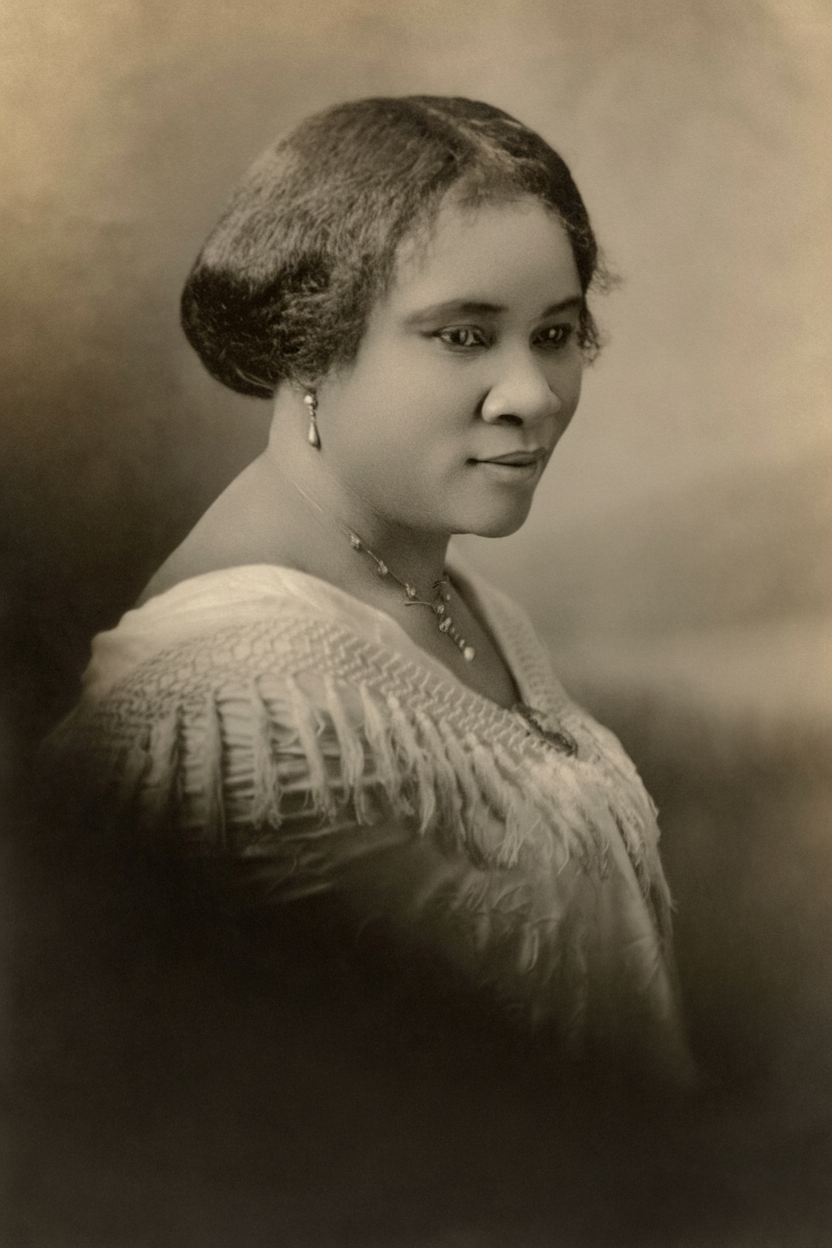
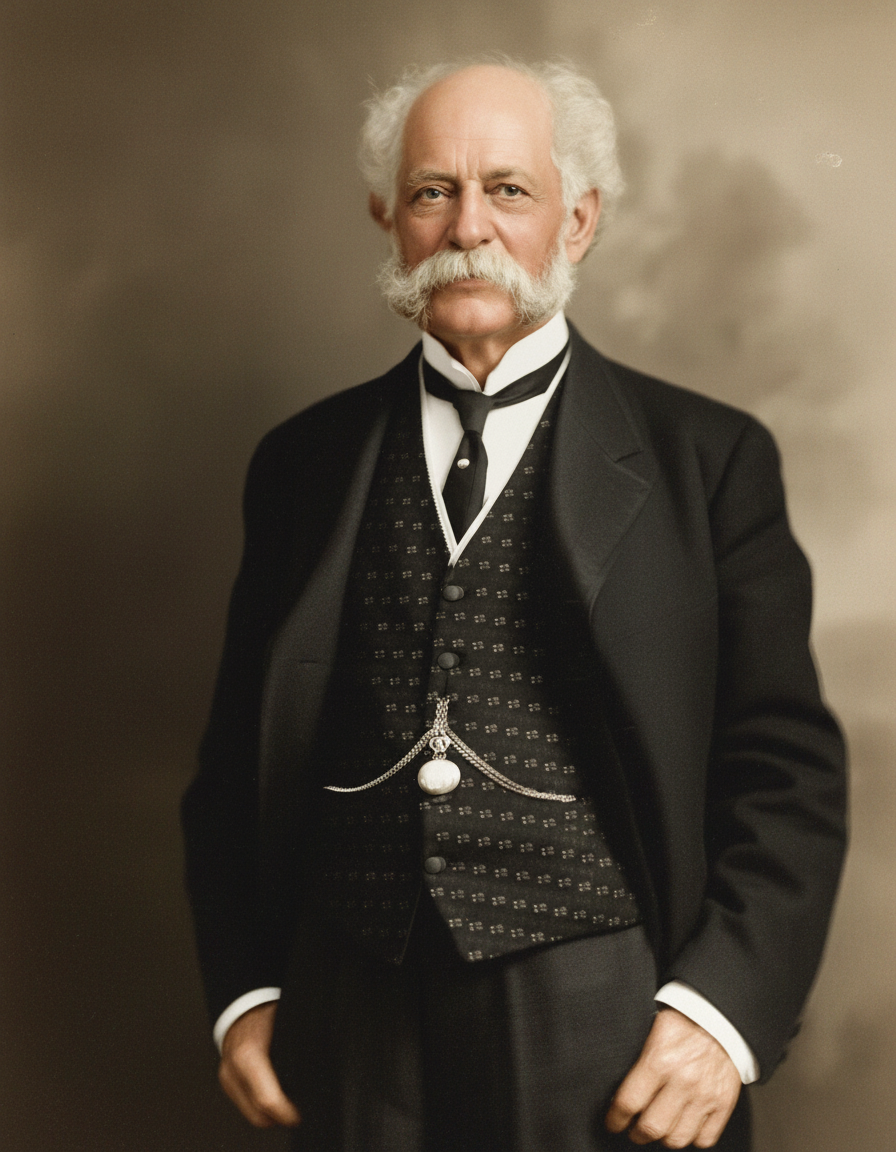
James O. McKinsey

James O. McKinsey, the visionary accountant who founded McKinsey & Company, pioneered the systematic application of financial and organizational principles to business management, thus professionalizing management consulting.

Country
United States
Continent
North America
Industry
Management Consulting
Role
Founder, Pioneer of Modern Management Consulting

James O. McKinsey was an American accountant, educator, and management consultant who founded McKinsey & Company in 1926. A former professor of accounting at the University of Chicago, McKinsey advocated for a holistic, fact-based approach to business problem-solving, integrating financial analysis with organizational strategy. His firm was among the first to offer advice on general management issues rather than specialized functions, laying the groundwork for the modern management consulting profession.

Biography

Born in 1889 in Missouri, James O. McKinsey demonstrated an early aptitude for financial management and organizational theory. He earned his bachelor's degree from the University of Arkansas, a law degree from the University of Chicago, and became a Certified Public Accountant (CPA). McKinsey's academic career at the University of Chicago, where he taught accounting, culminated in influential textbooks like 'Budgetary Control' (1922). These works emphasized the importance of comprehensive financial planning and control for business success. Recognizing a gap between academic theory and practical business application, McKinsey founded James O. McKinsey & Company in Chicago in 1926. Unlike existing specialized consultancies, which focused narrowly on areas like engineering or efficiency, McKinsey aimed to provide 'general management counsel.' His firm was unique in its approach: it hired talented graduates from top business schools, adopted a client-centric model, and focused on identifying core problems through rigorous financial analysis and organizational studies. McKinsey's early clients included major industrial companies seeking to navigate the complexities of the post-World War I economic landscape. He applied principles of budgetary control, organizational design, and strategic planning, helping companies optimize operations and financial performance. A notable early client was Marshall Field & Company, a prominent department store, where McKinsey later became chairman in 1935, a move that momentarily separated him from his firm due to conflict of interest. His tenure at Marshall Field was brief but impactful; he initiated significant restructuring efforts, including divestitures and cost-cutting measures, demonstrating his theories in practice. However, his dual role created an internal crisis at McKinsey & Company, leading to the firm's leadership transitioning to Marvin Bower, who would significantly shape its future identity. Tragically, McKinsey died unexpectedly of pneumonia in 1937, at the age of 48. His intellectual legacy, however, in codifying management principles and professionalizing consulting, profoundly influenced how businesses approach strategic challenges.

Accomplishments

  • 01Founded McKinsey & Company in 1926, establishing the first modern general management consulting firm.
  • 02Authored 'Budgetary Control' (1922) and 'Financial Management' (1929), seminal texts that integrated accounting, finance, and general management principles.
  • 03Pioneered the 'general management counsel' approach, moving beyond functional specialization to address holistic organizational and strategic issues.
  • 04Developed a fact-based, analytical methodology for consulting, emphasizing objective data and rigorous analysis in problem-solving.
  • 05Built a professional services model that recruited top-tier talent from universities, creating a highly skilled and intellectualized consulting workforce.
  • 06His work at Marshall Field & Company (1935-1937) demonstrated the practical application of his management principles in a large, complex organization, leading to significant restructuring.

Lessons for Operators

**Holistic Problem Solving**: Do not isolate business problems. Financial issues often stem from operational inefficiencies or flawed organizational structures. A comprehensive diagnostic across all functions yields superior and sustainable solutions.
**Fact-Based Decision Making**: Rely on empirical data and rigorous analysis rather than intuition or anecdotal evidence. Quantify problems and potential solutions to ensure objectivity and measurability of impact.
**Strategic Organizational Design**: Recognize that organizational structure directly impacts operational efficiency and strategic execution. Regularly review and realign your organizational chart to support business objectives and enable effective control.
**Integrated Financial Management**: View budgeting not merely as an accounting exercise but as a strategic tool for planning, controlling, and evaluating all aspects of the business. Integrate financial planning with operational goals to drive performance.
**Professionalization of Expertise**: Cultivate and professionalize your internal expertise or external advisory relationships. Invest in recruiting, developing, and retaining top talent to ensure high-quality, objective advice and execution.
**Adaptability and Evolution**: Businesses, like consulting firms, must continuously adapt their offerings and methodologies to meet evolving market demands. McKinsey's shift from accounting professor to general management consultant exemplifies this imperative.
The Operator's Playbook

Key Takeaways

Practical lessons distilled for operators, investors, C-levels, and capital allocators.

Lesson 01

The Power of General Management Counsel

McKinsey's most significant contribution was proving that a holistic, integrated approach to business problems, encompassing finance, operations, and strategy, yields more profound and lasting impact than narrow functional advice. Operators should aim to understand the interconnectedness of their departments.

Lesson 02

Data-Driven Strategy is Paramount

McKinsey instilled a culture of rigorous data analysis and fact-finding as the foundation for strategic recommendations. This approach minimized subjective bias and maximized the likelihood of effective solutions. For leaders, this means demanding quantitative backing for proposals and decisions.

Lesson 03

Budgeting as a Strategic Control Lever

Beyond mere financial forecasting, McKinsey viewed budgeting as a dynamic tool for control, performance measurement, and strategic alignment. Leaders should leverage their budgeting process as a continuous feedback loop to monitor and adjust their strategic trajectory.

Lesson 04

The Value of External, Objective Expertise

McKinsey demonstrated the value of bringing in objective, highly skilled external perspectives to diagnose complex organizational challenges. For C-levels and investors, this underscores the utility of independent due diligence or expert advisory for critical decisions or periods of transformation.

Lesson 05

Building a Culture of Intellectual Rigor

His firm's model emphasized hiring top intellectual talent and fostering a rigorous, analytical problem-solving environment. Enterprise leaders should prioritize cultivating a similar culture within their own organizations, fostering critical thinking and evidence-based decision-making at all levels.

Mental Models

Frameworks & Principles

Named frameworks and strategic principles they popularized or embodied.

01

General Management Counsel

A consulting approach that addresses an organization's overall strategic, financial, and operational health, rather than focusing on isolated functional areas. It aims to provide integrated solutions for complex, interdepartmental issues.

When to useWhen facing systemic performance issues, undergoing major organizational transformation, or requiring a comprehensive strategic review that transcends individual functional departments.

02

Fact-Based Problem Solving

A methodology rooted in collecting, analyzing, and interpreting quantitative and qualitative data to objectively define problems, identify root causes, and formulate evidence-backed solutions. It minimizes reliance on intuition or subjective opinions.

When to useFor any critical decision-making process, during root cause analysis of operational failures, or when evaluating significant investment opportunities where an objective, data-driven approach is paramount.

03

Integrated Budgetary Control

A system that links financial planning and budgeting directly to operational objectives and performance metrics. It's used for planning resource allocation, monitoring financial performance against goals, and exercising strategic control over an organization's activities.

When to useTo improve financial discipline, enhance accountability for results, align resource allocation with strategic priorities, and provide a framework for continuous performance monitoring and adjustment.

Citations

Sources & Further Reading

Profiles, interviews, podcasts, and articles used to compile and verify this entry. Each link opens at the original publisher.

Adjacent Minds

Explore Related Titans

Other figures in the archive who share James O. McKinsey's domain, geography, or era.

Other

More in Other

Browse all →
Portrait of Chanakya
INDIA / GOVERNMENT & PUBLIC POLICY, CONSULTING
Chanakya
The architect of unified India, master strategist, and foundational thinker in statecraft and economics.
Portrait of Marcus Aurelius
ROMAN EMPIRE / GOVERNMENT
Marcus Aurelius
The Philosopher Emperor: A Stoic Leader Navigating Crisis and Empire.
Portrait of Jim Collins
UNITED STATES / MANAGEMENT CONSULTING & RESEARCH
Jim Collins
Jim Collins is a seminal management researcher, author, and lecturer known for his rigorous, empirically-driven analysis of what makes great companies endure and excel.
Portrait of Otto von Bismarck
GERMANY / NATION-BUILDING / STATECRAFT
Otto von Bismarck
The Iron Chancellor: Unifier of Germany through Realpolitik and Strategic Statecraft.
Portrait of Queen Victoria
UNITED KINGDOM / GOVERNMENT & EMPIRE MANAGEMENT
Queen Victoria
The enduring matriarch who presided over an era of unparalleled imperial expansion and industrial transformation.
Portrait of Joseph Schumpeter
AUSTRIA-HUNGARY (LATER AUSTRIA, THEN UNITED STATES CITIZENSHIP) / ECONOMICS
Joseph Schumpeter
The prophet of 'creative destruction' and the fundamental role of innovation in economic evolution.
Portrait of Gillian Tans
NETHERLANDS / ONLINE TRAVEL AGENCY (OTA)
Gillian Tans
Gillian Tans: A transformative leader in online travel and digital commerce, known for global strategy execution and brand expansion at Booking.com.
Portrait of Houtan Homayounpour
FRANCE / PUBLIC POLICY & INTERNATIONAL DEVELOPMENT
Houtan Homayounpour
Architect of impactful labor policy and social justice initiatives across diverse international landscapes.
Portrait of Andrew Jackson
UNITED STATES / GOVERNMENT
Andrew Jackson
The architect of modern presidential power and a relentless executor of policy.
Portrait of Franklin D. Roosevelt
UNITED STATES / GOVERNMENT
Franklin D. Roosevelt
The architect of modern governmental intervention and a transformative wartime leader.
United States

From United States

Browse all →
Portrait of Andrew Carnegie
UNITED STATES / STEEL & MANUFACTURING
Andrew Carnegie
The architect of American steel supremacy and a pioneering industrialist whose innovations in cost control and vertical integration reshaped global manufacturing.
Portrait of Warren Buffett
UNITED STATES / INVESTING
Warren Buffett
The Oracle of Omaha: Architect of long-term value investing and compounding returns through disciplined acquisition and intrinsic value focus.
Portrait of Jeff Bezos
UNITED STATES / TECHNOLOGY, RETAIL, LOGISTICS, CLOUD COMPUTING, SPACE EXPLORATION
Jeff Bezos
Architect of Amazon, pioneer of e-commerce, and visionary across cloud computing, logistics, and space exploration.
Portrait of Bill Gates
UNITED STATES / SOFTWARE, TECHNOLOGY, PHILANTHROPY
Bill Gates
Co-founder of Microsoft, architect of the personal computing revolution, and global philanthropist.
Portrait of Sam Walton
UNITED STATES / RETAIL
Sam Walton
The architect of modern retail, pioneering discount merchandising and logistical efficiency to establish the world's largest retail corporation.
Portrait of Mark Cuban
UNITED STATES / TECHNOLOGY, MEDIA, SPORTS, HEALTHCARE
Mark Cuban
Mark Cuban: The Prolific Disrupter – From Software Startups to Sports Franchises and Pharmaceutical Innovation, Leveraging Technology and Direct-to-Consumer Models.
Portrait of Walt Disney
UNITED STATES / ENTERTAINMENT
Walt Disney
Co-founder of The Walt Disney Company, pioneering animation, theme parks, and diversified entertainment.
Portrait of Henry Ford
UNITED STATES / AUTOMOTIVE
Henry Ford
The architect of mass production, democratizing the automobile through efficiency and scale.
Portrait of Mohnish Pabrai
UNITED STATES / FINANCIAL SERVICES
Mohnish Pabrai
The Dhandho Investor: A Value Investing Maverick.
Portrait of J. Pierpont Morgan
UNITED STATES / BANKING & FINANCE
J. Pierpont Morgan
The architect of American industrial capitalism and financial stability.