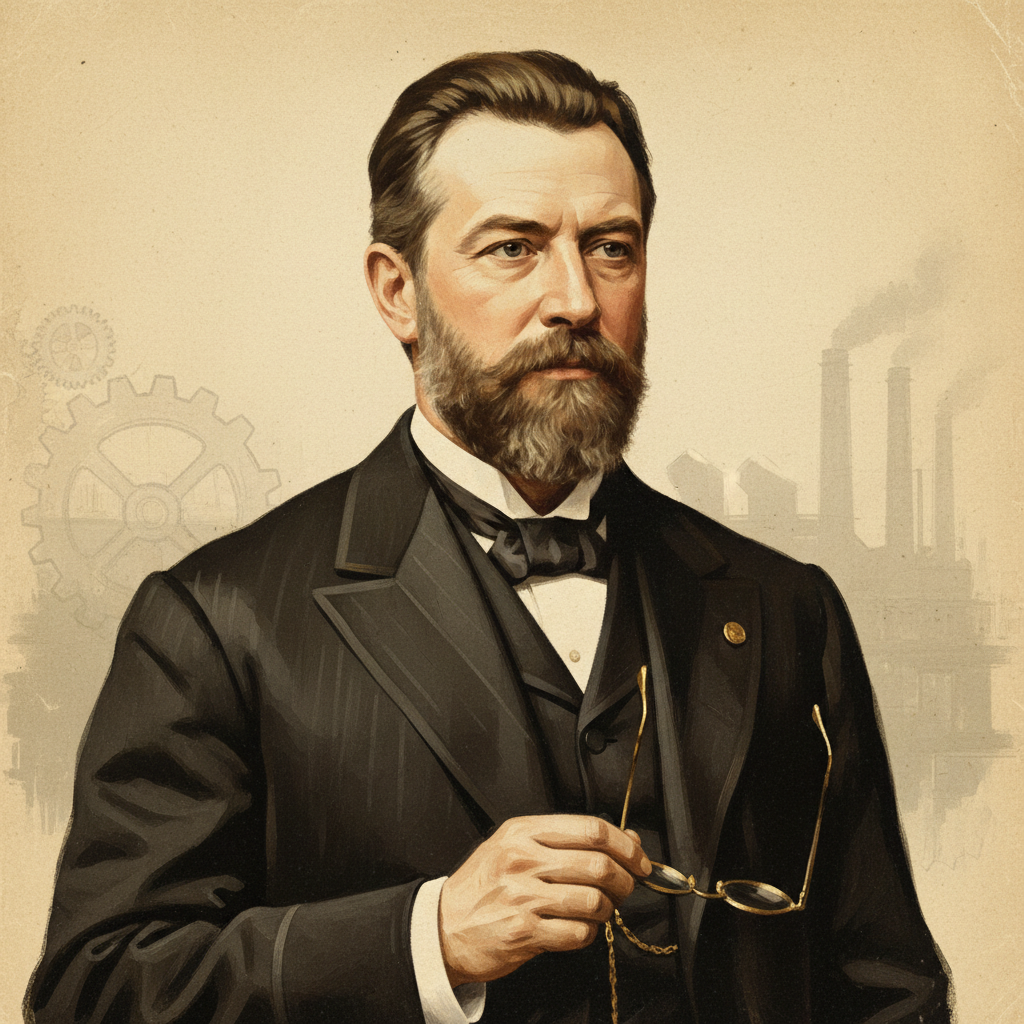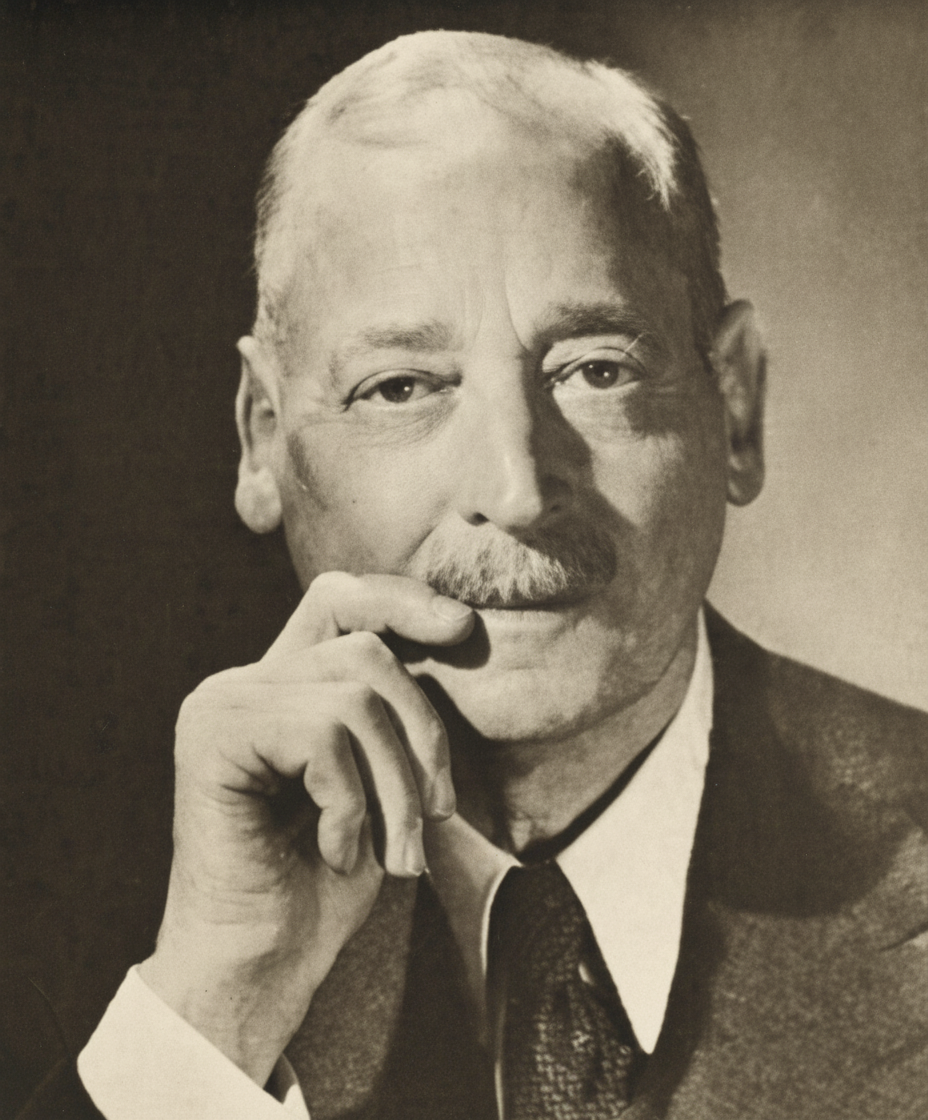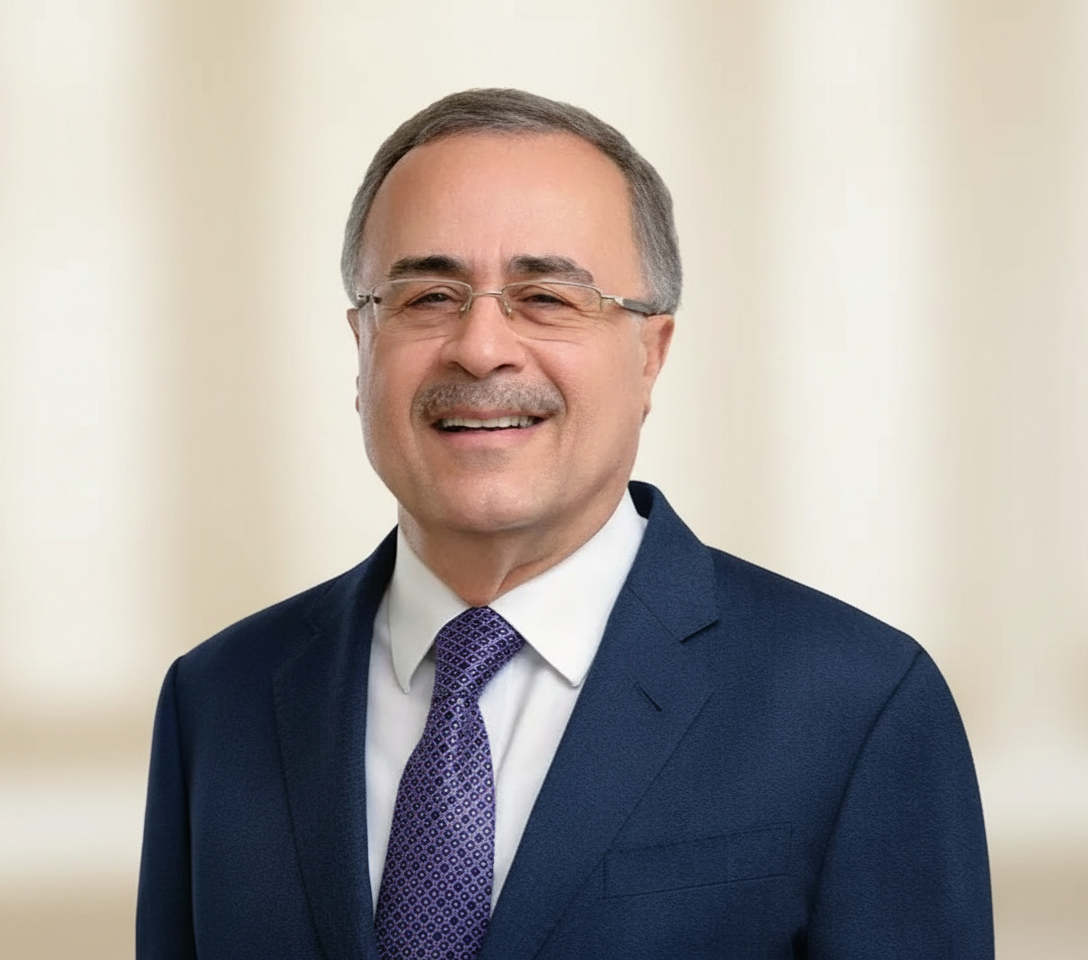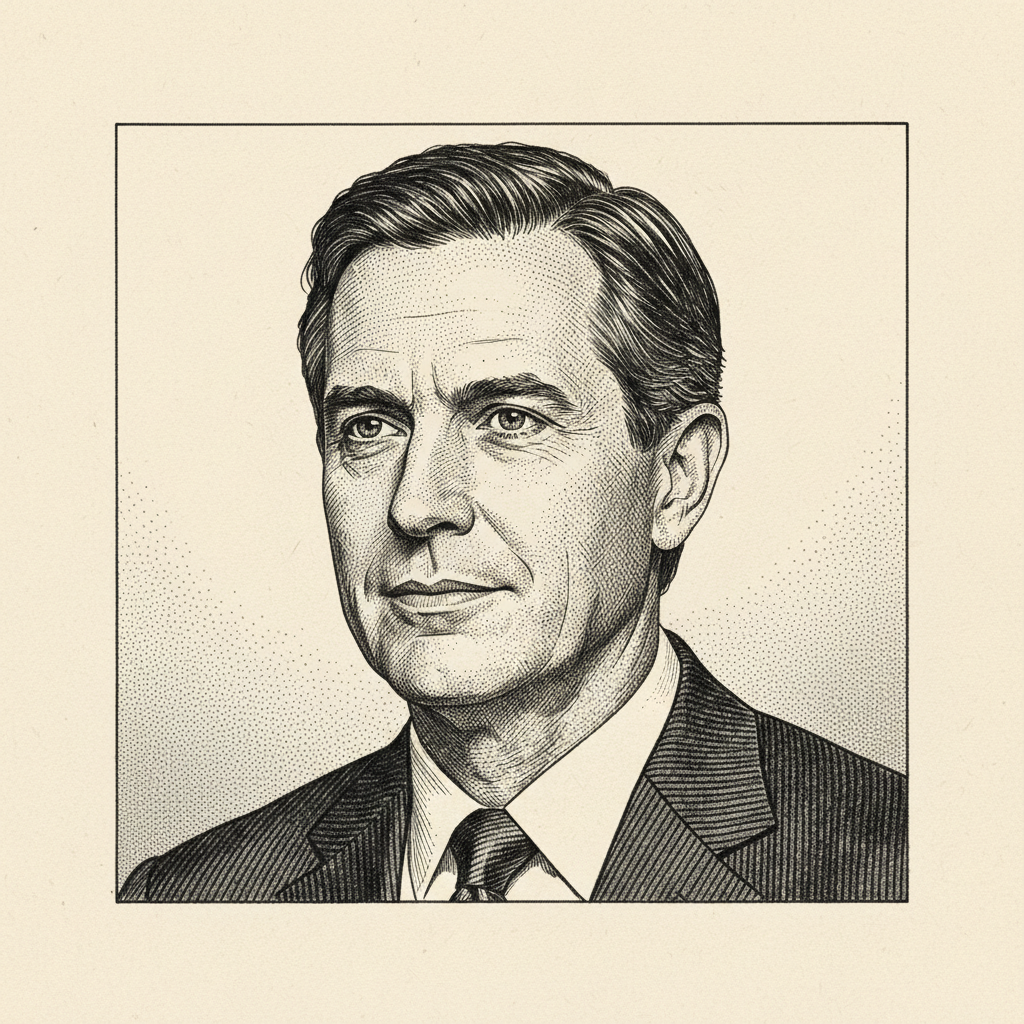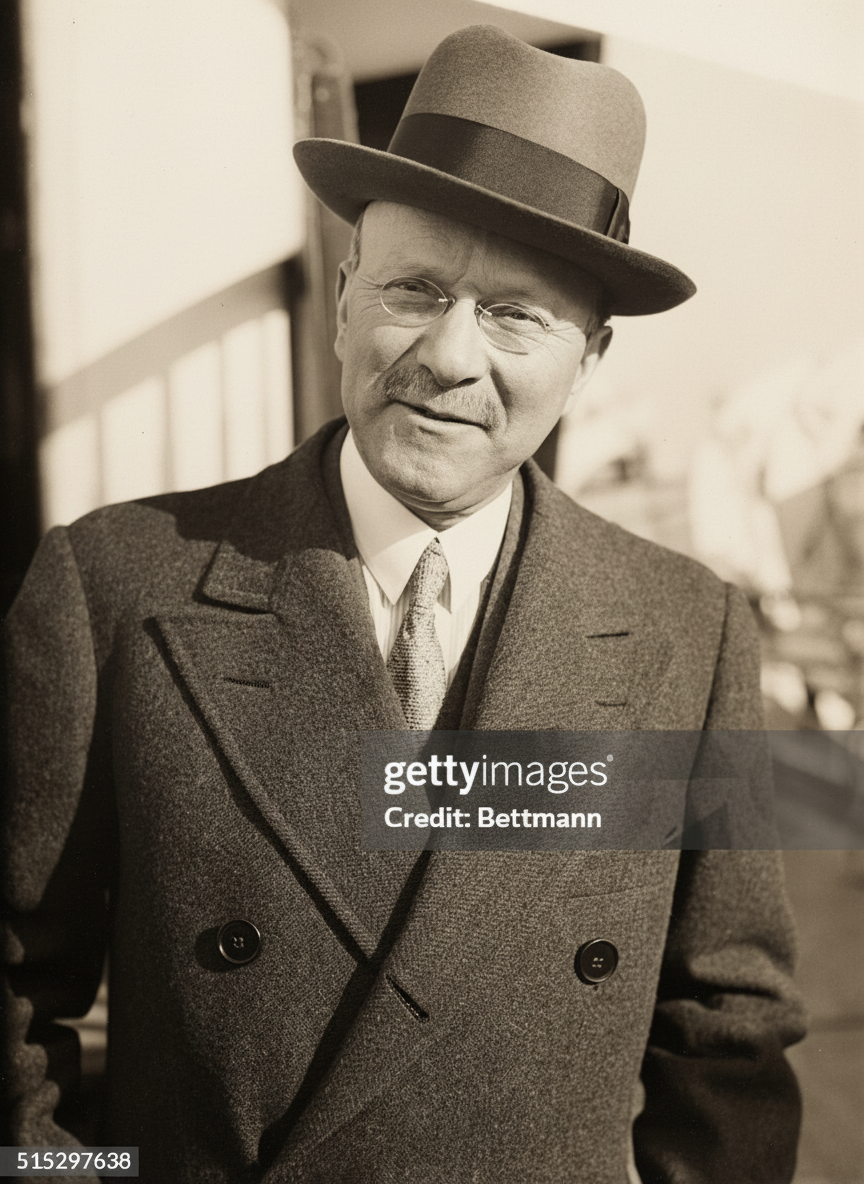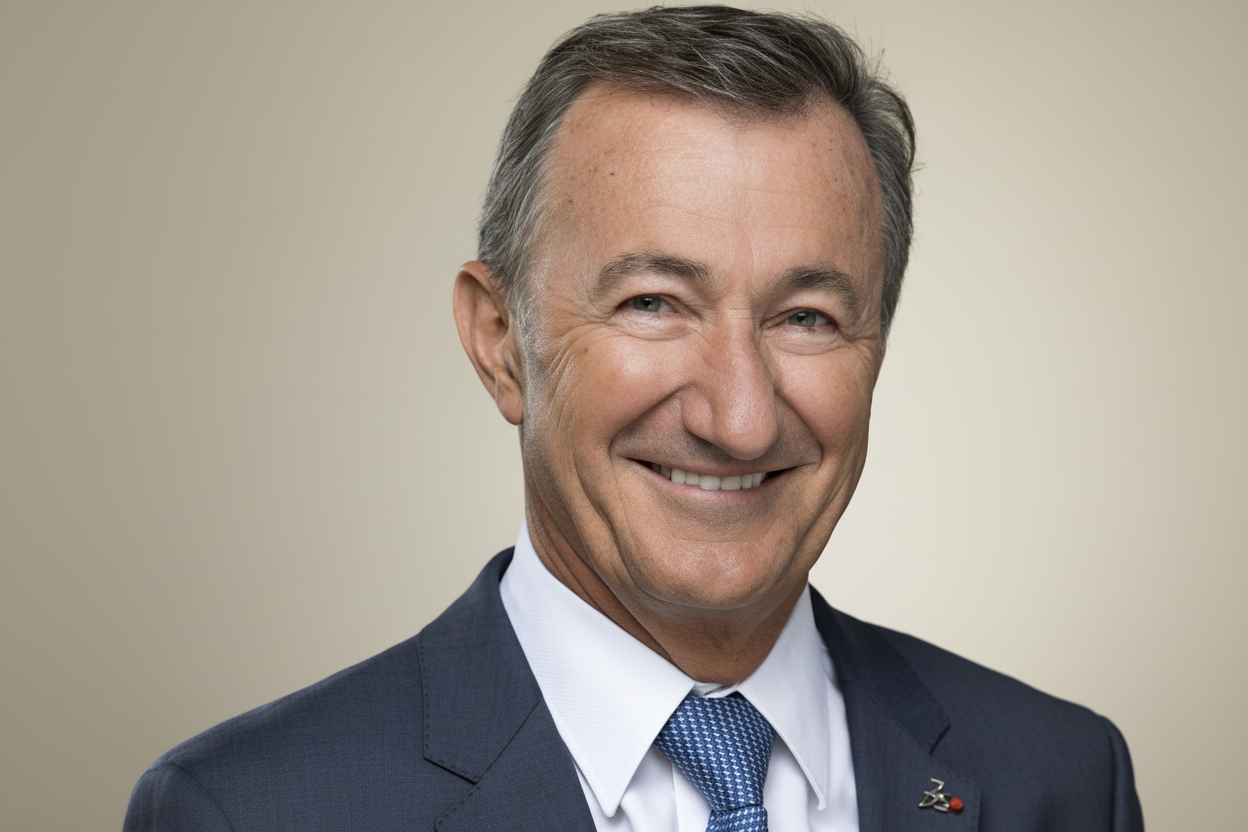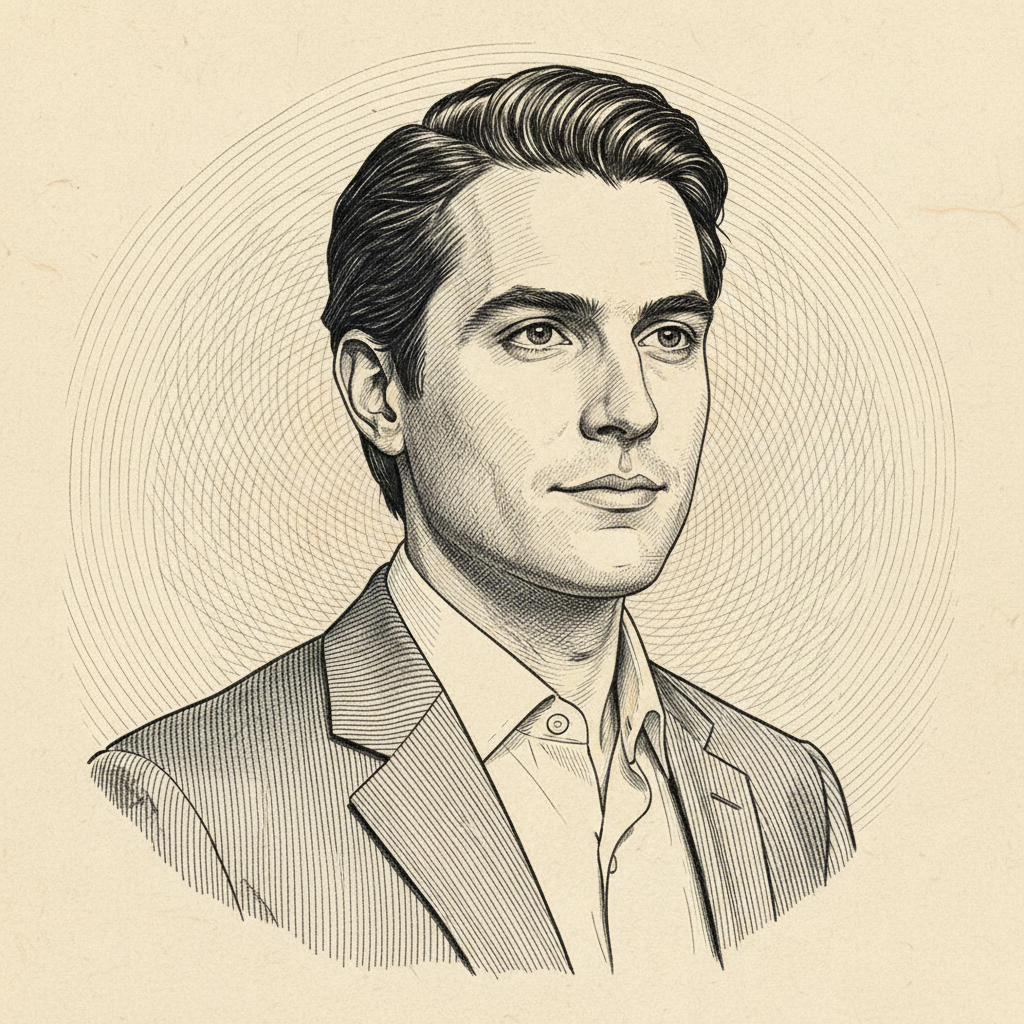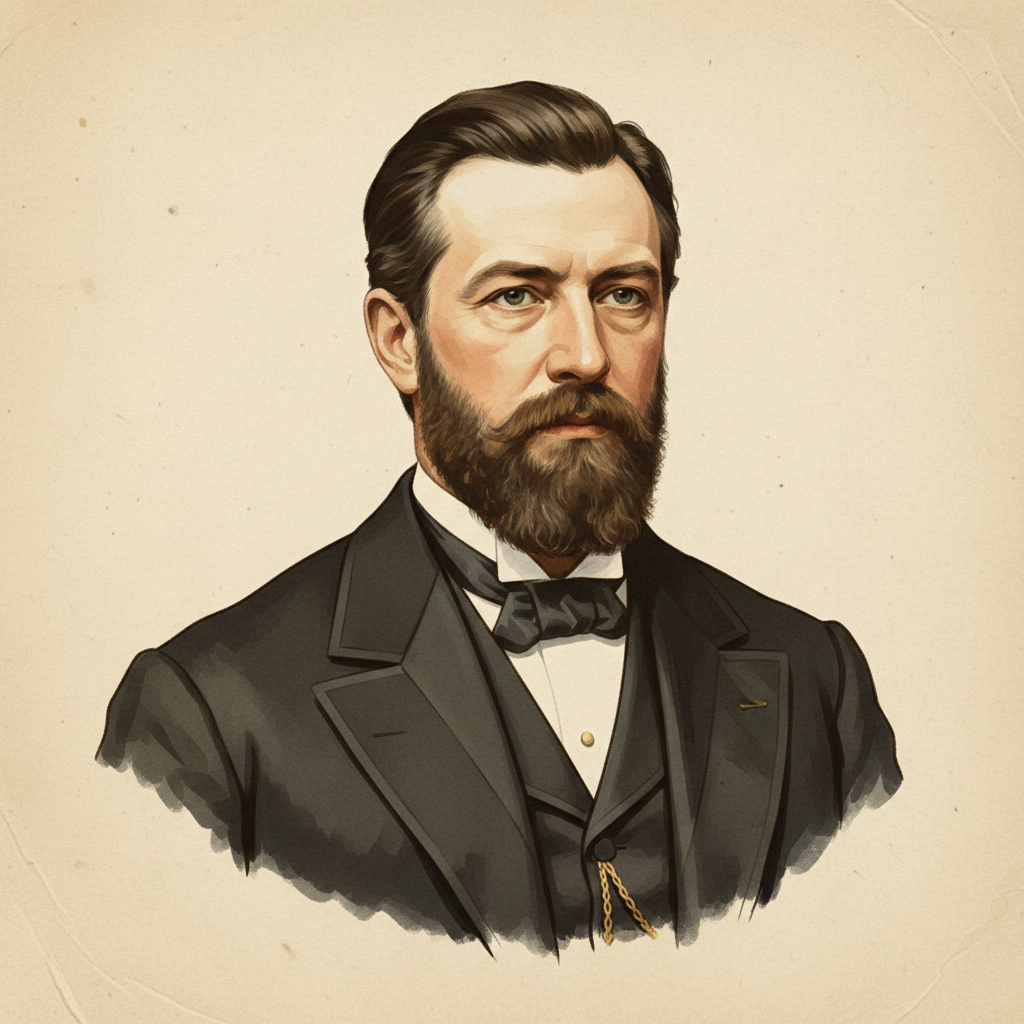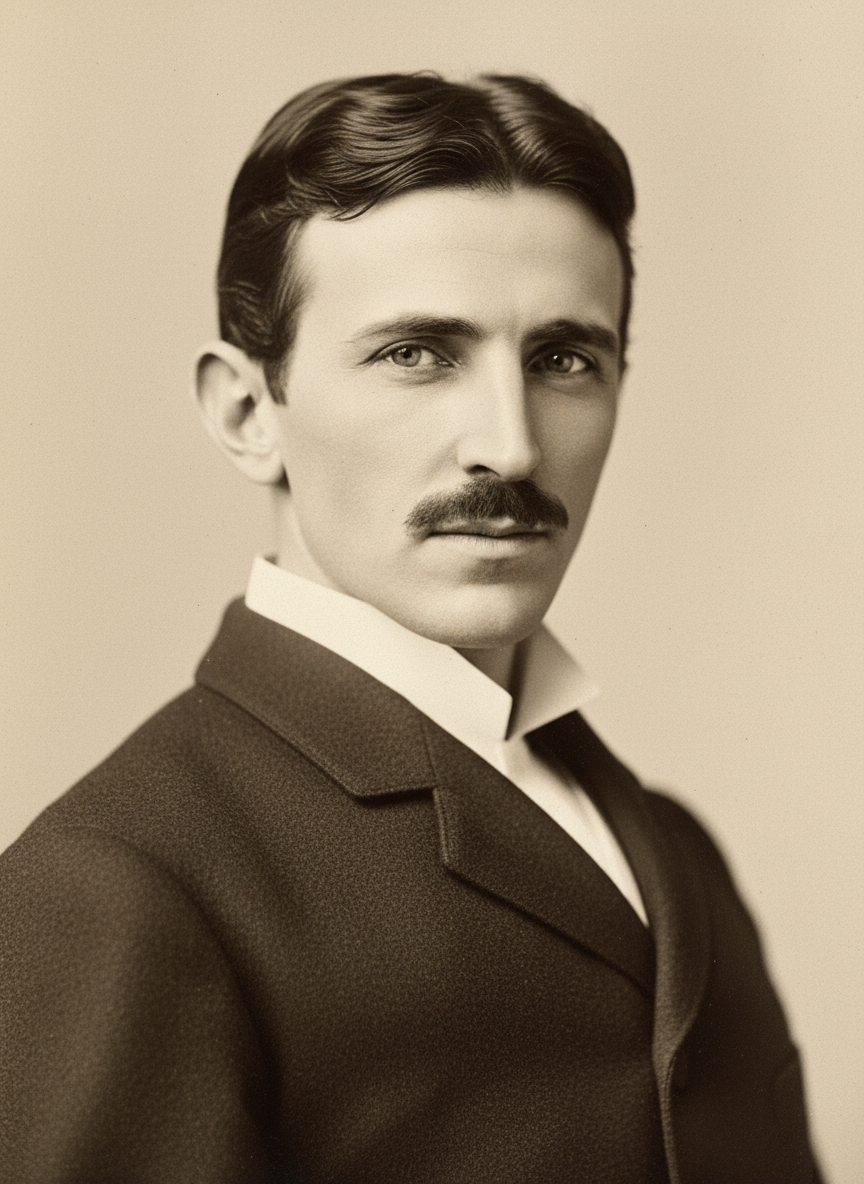
Portrait of Henri Fayol
Historical Mind · 1841 — 1925

Henri Fayol

Pioneer of modern executive management and turnaround architect of industrial conglomerate Comambault.

Country
France
Continent
Europe
Industry
Industrial Engineering & Mining
Role
Managing Director & Management Theorist

Henri Fayol was a French mining engineer and corporate executive who orchestrated the dramatic financial turnaround of the industrial combine Commentry-Fourchambault et Decazeville. Drawing from decades in the executive suite, he formulated classical administrative theory, establishing the foundational functions and principles of enterprise management.

Biography

Born in 1841 in Constantinople to French parents, Henri Fayol graduated from the École Nationale Supérieure des Mines de Saint-Étienne in 1860 at age 19. He immediately entered the Compagnie de Commentry-Fourchambault, a coal-mining and ironworks enterprise in central France. Early in his career, Fayol solved critical operational and geological bottlenecks, notably understanding and containing underground coal seam fires, earning a promotion to director of the Commentry coal pits in 1866. In 1888, with the firm facing imminent bankruptcy due to depleted mineral reserves and catastrophic losses across its iron foundries, the board appointed Fayol as Managing Director (Directeur Général). Over the subsequent thirty years, Fayol orchestrated one of the late 19th century's most comprehensive corporate turnarounds. He rationalized operations, shut down uneconomic foundries, acquired superior mineral reserves (including Decazeville and Brassac to form 'Comambault'), and restored consistent profitability and dividend distributions. Recognizing that organizational failure stemmed from a lack of general managerial competence rather than technical deficiency, Fayol published 'Administration Industrielle et Générale' in 1916. His doctrine shifted executive focus from shop-floor mechanical output to top-down administrative discipline, articulating the five core functions (forecast/plan, organize, command, coordinate, control) and fourteen universal principles of management that govern corporate governance to this day. Fayol retired from executive leadership in 1918 and dedicated his final years to institutionalizing management education in the French public and private sectors through the Centre d'Études Administratives.

Accomplishments

  • 01Executed a 30-year operational and balance-sheet turnaround of Compagnie de Commentry-Fourchambault, saving it from insolvency in 1888 and growing it into the diversified, profitable giant Comambault.
  • 02Pioneered classical management theory by formalizing the Five Functions of Management (Prévoyance/Planning, Organizing, Commanding, Coordinating, Controlling).
  • 03Codified the 14 Principles of Management, introducing enduring operational concepts such as Unity of Command, Scalar Chain, and Esprit de Corps.
  • 04Published the seminal 1916 monograph 'Administration Industrielle et Générale', establishing management as a distinct, codifiable, and teachable professional discipline.
  • 05Founded the Centre d'Études Administratives in 1919 to reform French civil service and postal administration (PTT) using corporate governance principles.
  • 06Authored critical geological studies on the formation of coal deposits, earning the Delesse Prize from the French Academy of Sciences in 1893.

Lessons for Operators

Technical expertise does not equal managerial acumen: as professionals rise through corporate hierarchies, administrative skill progressively eclipses technical competence.
Dual reporting creates friction: violating unity of command inevitably introduces operational confusion, conflicting priorities, and eroded authority.
Strategic planning requires institutionalized forecasting: enterprise stability depends on a dynamic 'plan d'action' that balances financial, operational, and market variables.
Lateral communication must bypass bureaucracy when speed is required: direct cross-departmental coordination (the 'gangplank') prevents administrative paralysis while keeping executive superiors informed.
The Operator's Playbook

Key Takeaways

Practical lessons distilled for operators, investors, C-levels, and capital allocators.

Lesson 01

Distinction of the Six Enterprise Activities

Every industrial enterprise operates across six distinct functions: technical, commercial, financial, security, accounting, and administrative. Long-term failure usually occurs when leadership over-indexes on technical prowess while neglecting the administrative layer.

Lesson 02

The Preeminence of Administrative Capacity at Scale

For front-line supervisors, technical skill comprises roughly 80% of required utility; for enterprise chief executives, administrative and managerial proficiency accounts for more than 50% of executive effectiveness.

Lesson 03

The Primacy of Prévoyance (Forecasting & Planning)

A rigorous operational plan must integrate unity of purpose, continuity, flexibility, and precision. Without forward-looking capital and operational budgeting, capital preservation is impossible.

Lesson 04

Fayol's Bridge (Gangplank Protocol)

While scalar chains provide accountability, rigid hierarchy destroys operational agility. Lateral communication between department heads should be institutionalized for real-time problem solving without intermediate escalation.

Mental Models

Frameworks & Principles

Named frameworks and strategic principles they popularized or embodied.

01

The Five Functions of Management (POCCC)

The functional taxonomy defining an executive's core operational responsibilities: Planning/Forecasting (Prévoyance), Organizing (structuring capital and human resources), Commanding (directing the workforce), Coordinating (harmonizing disparate initiatives), and Controlling (measuring execution against the established plan).

When to useUse during executive restructuring, corporate governance audits, and when clarifying C-suite mandates across portfolio companies.

02

The 14 Principles of Management

A universal operating framework covering Division of Work, Authority and Responsibility, Discipline, Unity of Command, Unity of Direction, Subordination of Individual Interest, Remuneration, Centralization, Scalar Chain, Order, Equity, Stability of Personnel, Initiative, and Esprit de Corps.

When to useUse when standardizing organizational design, diagnosing operational silos, evaluating management teams pre-acquisition, or designing scalable enterprise operating models.

Citations

Sources & Further Reading

Profiles, interviews, podcasts, and articles used to compile and verify this entry. Each link opens at the original publisher.

Adjacent Minds

Explore Related Titans

Other figures in the archive who share Henri Fayol's domain, geography, or era.

Energy & Resources

More in Energy & Resources

Browse all →
Portrait of Andrew Carnegie
UNITED STATES / STEEL & MANUFACTURING
Andrew Carnegie
The architect of American steel supremacy and a pioneering industrialist whose innovations in cost control and vertical integration reshaped global manufacturing.
Portrait of Thomas Edison
UNITED STATES / INDUSTRIAL & ENERGY
Thomas Edison
The Prolific Inventor and Industrialist Who Electrified the World and Standardized Innovation.
Portrait of John D. Rockefeller
UNITED STATES / OIL & ENERGY
John D. Rockefeller
Architect of Standard Oil: Pioneering Vertical and Horizontal Integration in the Petroleum Industry.
Portrait of Mansa Musa
MALI / GOVERNMENT / TRADE / MINING
Mansa Musa
The African Emperor who redefined wealth, diplomacy, and global trade routes, demonstrating the power of strategic resource management and international influence.
Portrait of Wael Sawan
LEBANON / ENERGY
Wael Sawan
Wael Sawan: Steering Shell through the energy transition, balancing traditional energy demands with strategic decarbonization.
Portrait of Kimin Tanoto
INDONESIA / RESOURCE-BASED MANUFACTURING (PULP, PAPER, PALM OIL, SPECIALTY CELLULOSE, ENERGY)
Kimin Tanoto
Second-generation leader driving expansion and sustainability initiatives within a diversified resource-based manufacturing conglomerate.
Portrait of Ernest Oppenheimer
SOUTH AFRICA / MINING & NATURAL RESOURCES
Ernest Oppenheimer
Architect of the modern diamond monopoly and pioneer of cross-commodity African resource syndication.
Portrait of Folorunsho Alakija
NIGERIA / DIVERSIFIED (OIL & GAS, FASHION, PRINTING, REAL ESTATE)
Folorunsho Alakija
From Secretarial Science to Oil & Gas Magnate: A Blueprint for Diversified Conglomerate Leadership.
Portrait of Amin H. Nasser
SAUDI ARABIA / ENERGY
Amin H. Nasser
Architect of the world's largest energy IPO and champion of pragmatic, high-capital downstream integration.
Portrait of Mike Wirth
UNITED STATES / OIL & GAS, ENERGY TRANSITION
Mike Wirth
A chemical engineer at the helm of a supermajor, navigating energy security, profitability, and decarbonization through strategic capital allocation and technological integration.
France

From France

Browse all →
Portrait of Bernard Arnault
FRANCE / LUXURY GOODS
Bernard Arnault
The architect of modern luxury, Bernard Arnault transformed LVMH into the world's leading luxury conglomerate.
Portrait of Coco Chanel
FRANCE / FASHION & LUXURY
Coco Chanel
The architect of modern female fashion, transforming haute couture into an empire of timeless style and aspirational luxury.
Portrait of Napoleon Bonaparte
FRANCE / GOVERNMENT/MILITARY
Napoleon Bonaparte
The architect of modern warfare and statecraft, defining the 19th-century European landscape through ambition and organizational prowess.
Portrait of Houtan Homayounpour
FRANCE / PUBLIC POLICY & INTERNATIONAL DEVELOPMENT
Houtan Homayounpour
Architect of impactful labor policy and social justice initiatives across diverse international landscapes.
Portrait of Jean-Dominique Senard
FRANCE / AUTOMOTIVE
Jean-Dominique Senard
A pragmatic leader known for navigating complex corporate alliances and fostering industrial transformation.
Portrait of André Citroën
FRANCE / AUTOMOTIVE & MANUFACTURING
André Citroën
Pioneer of European automotive mass production, modern industrial marketing, and advanced vehicle architecture.
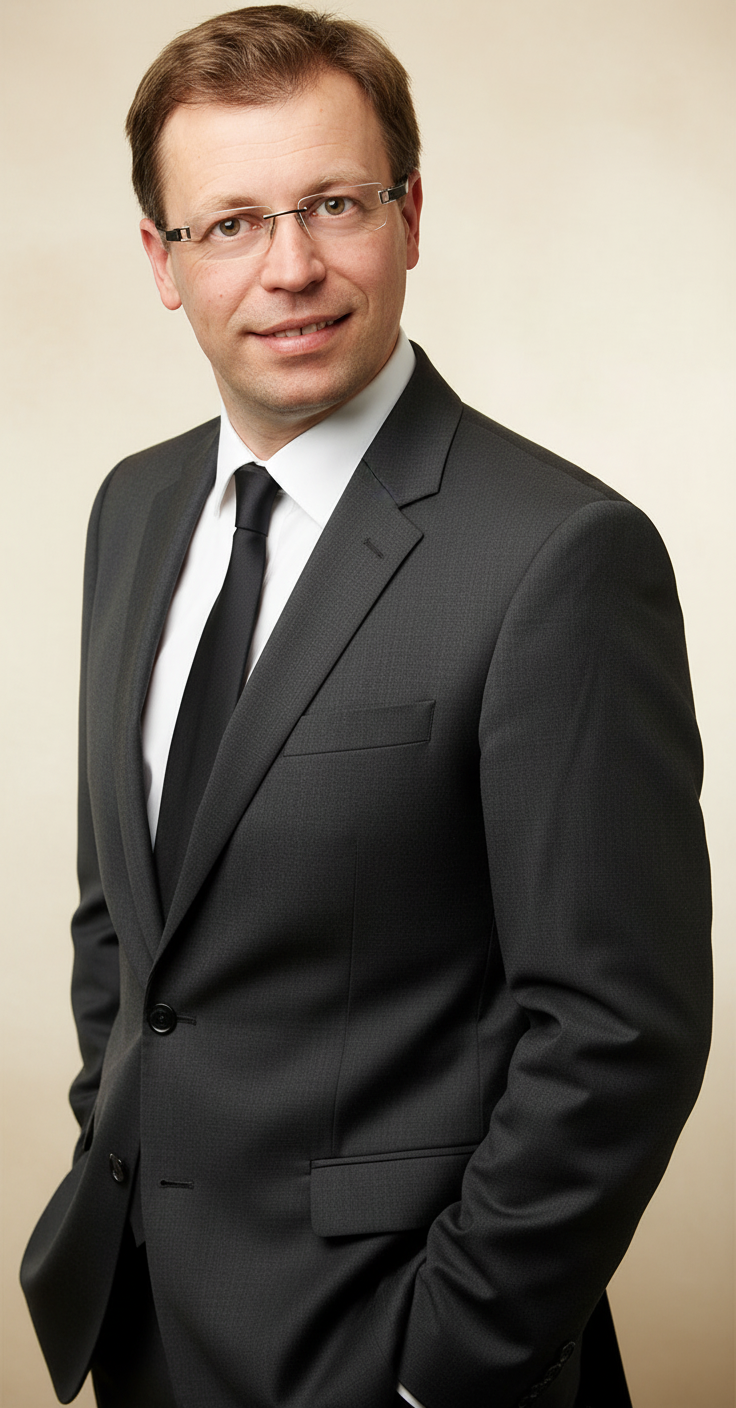
Portrait of Bernard Charlès
FRANCE / ENTERPRISE SOFTWARE
Bernard Charlès
Architect of the digital mockup, PLM, and the industrial virtual twin experience.
Portrait of Guillaume Cabane
FRANCE / SOFTWARE AS A SERVICE (SAAS), GROWTH MARKETING, VENTURE CAPITAL
Guillaume Cabane
Guillaume Cabane: A trailblazer in B2B SaaS growth, known for pioneering data-driven, unconventional strategies to scale companies from startups to unicorns.
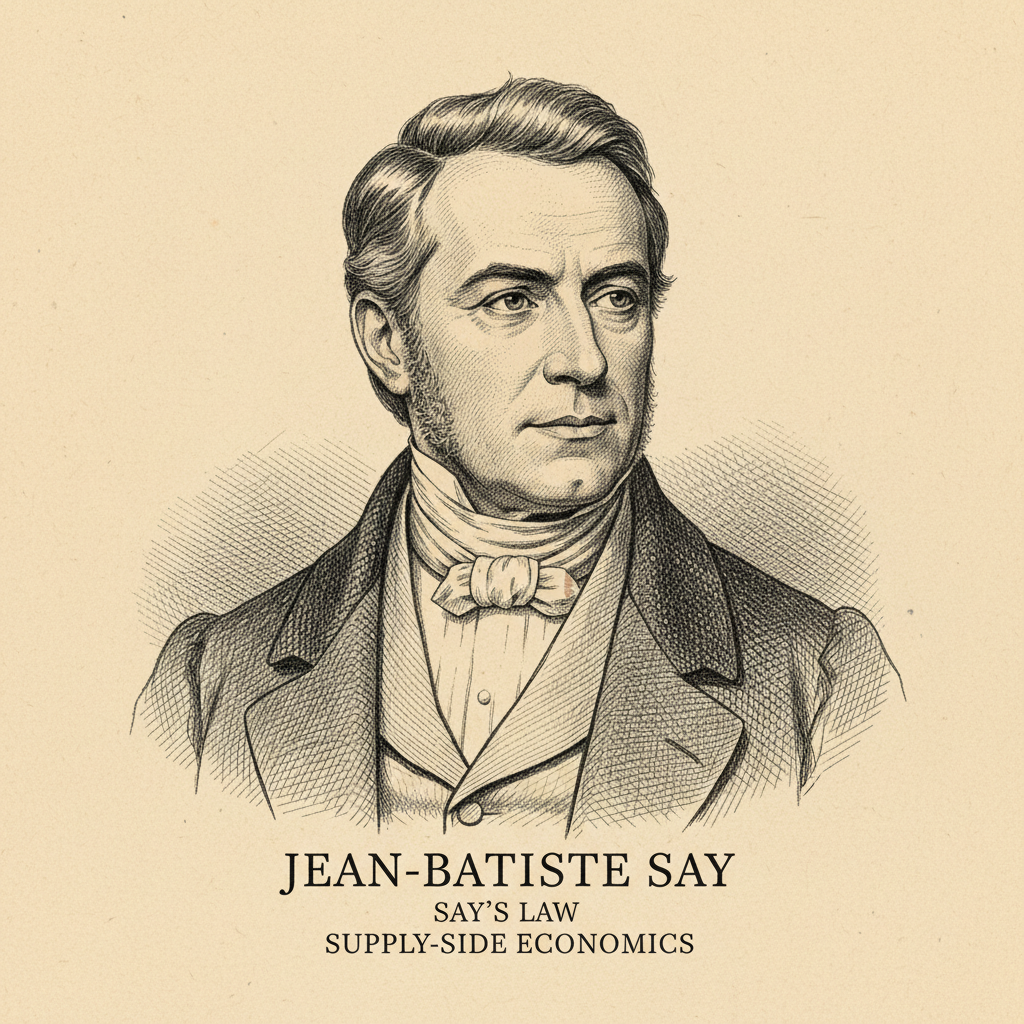
Portrait of Jean-Baptiste Say
FRANCE / ECONOMICS, TEXTILES
Jean-Baptiste Say
The French Economist and Entrepreneur who articulated the fundamental principle that production, not money, is the source of demand.
Portrait of Lionel Grenon
FRANCE / PRIVATE EQUITY
Lionel Grenon
Architect of value creation in the digital economy and global private equity.
Same Era

Contemporaries — 19th century
Browse all →
Portrait of Andrew Carnegie
UNITED STATES / STEEL & MANUFACTURING
Andrew Carnegie
The architect of American steel supremacy and a pioneering industrialist whose innovations in cost control and vertical integration reshaped global manufacturing.
Portrait of Henry Ford
UNITED STATES / AUTOMOTIVE
Henry Ford
The architect of mass production, democratizing the automobile through efficiency and scale.
Portrait of Thomas Edison
UNITED STATES / INDUSTRIAL & ENERGY
Thomas Edison
The Prolific Inventor and Industrialist Who Electrified the World and Standardized Innovation.
Portrait of J. Pierpont Morgan
UNITED STATES / BANKING & FINANCE
J. Pierpont Morgan
The architect of American industrial capitalism and financial stability.
Portrait of John D. Rockefeller
UNITED STATES / OIL & ENERGY
John D. Rockefeller
Architect of Standard Oil: Pioneering Vertical and Horizontal Integration in the Petroleum Industry.
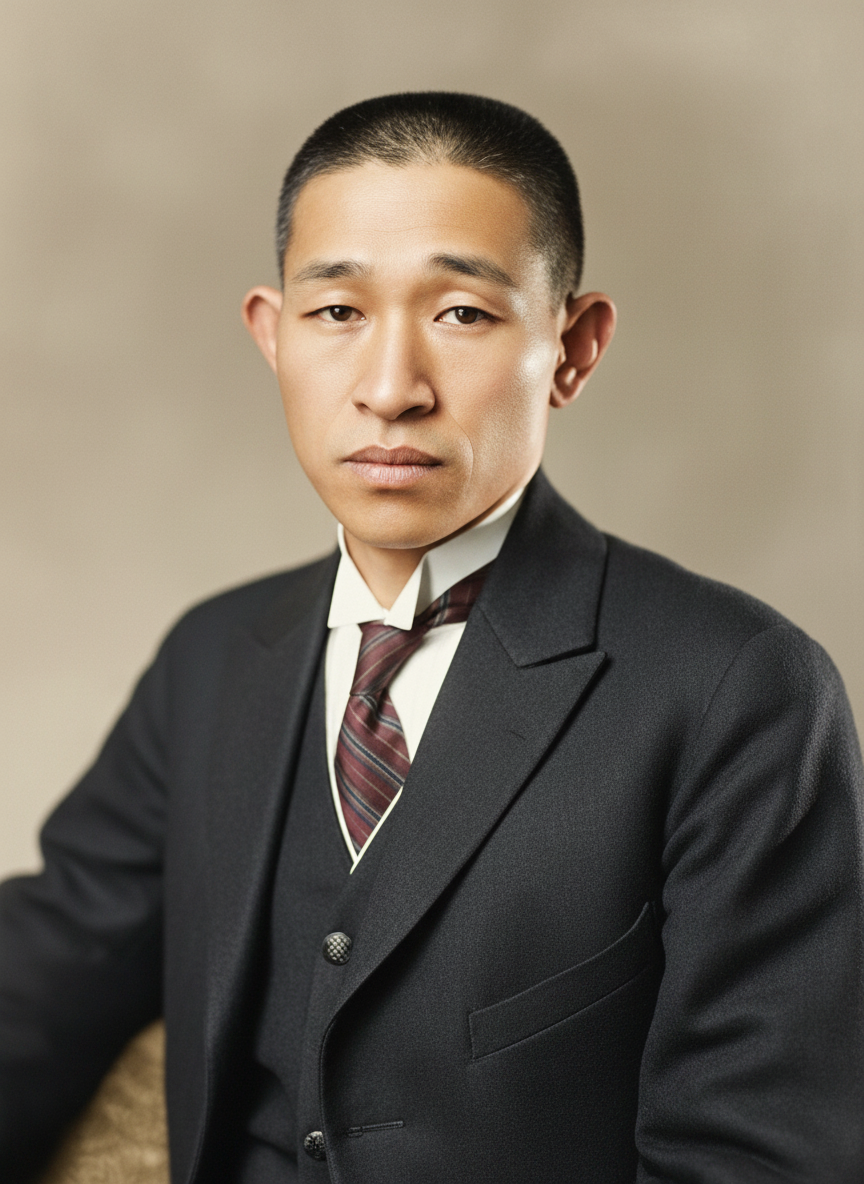
Portrait of Konosuke Matsushita
JAPAN / CONSUMER ELECTRONICS
Konosuke Matsushita
The Founder of Panasonic, pioneered mass-market electronics and the 'management philosophy' approach to business.
Portrait of Coco Chanel
FRANCE / FASHION & LUXURY
Coco Chanel
The architect of modern female fashion, transforming haute couture into an empire of timeless style and aspirational luxury.
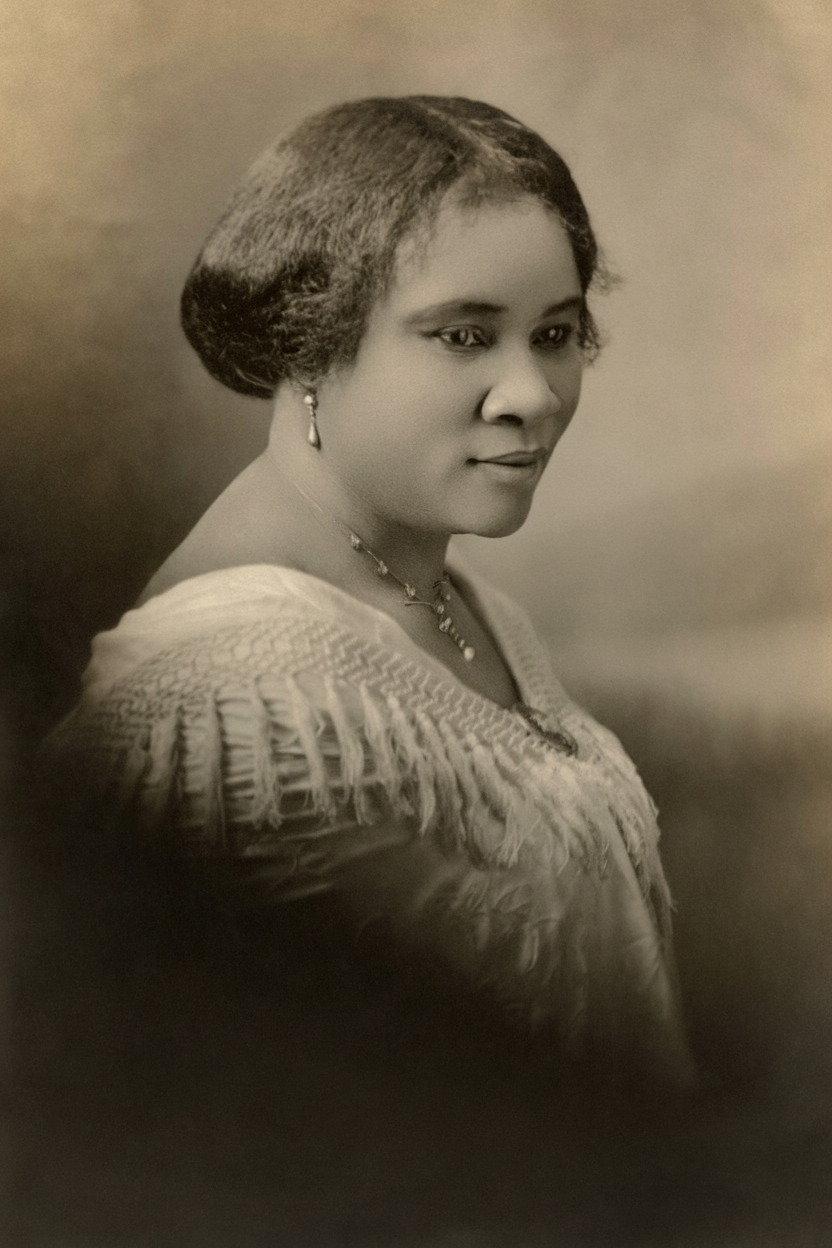
Portrait of Madam C.J. Walker
UNITED STATES / BEAUTY & COSMETICS
Madam C.J. Walker
America's First Self-Made Woman Millionaire, Founder of a Global Haircare and Cosmetics Empire.
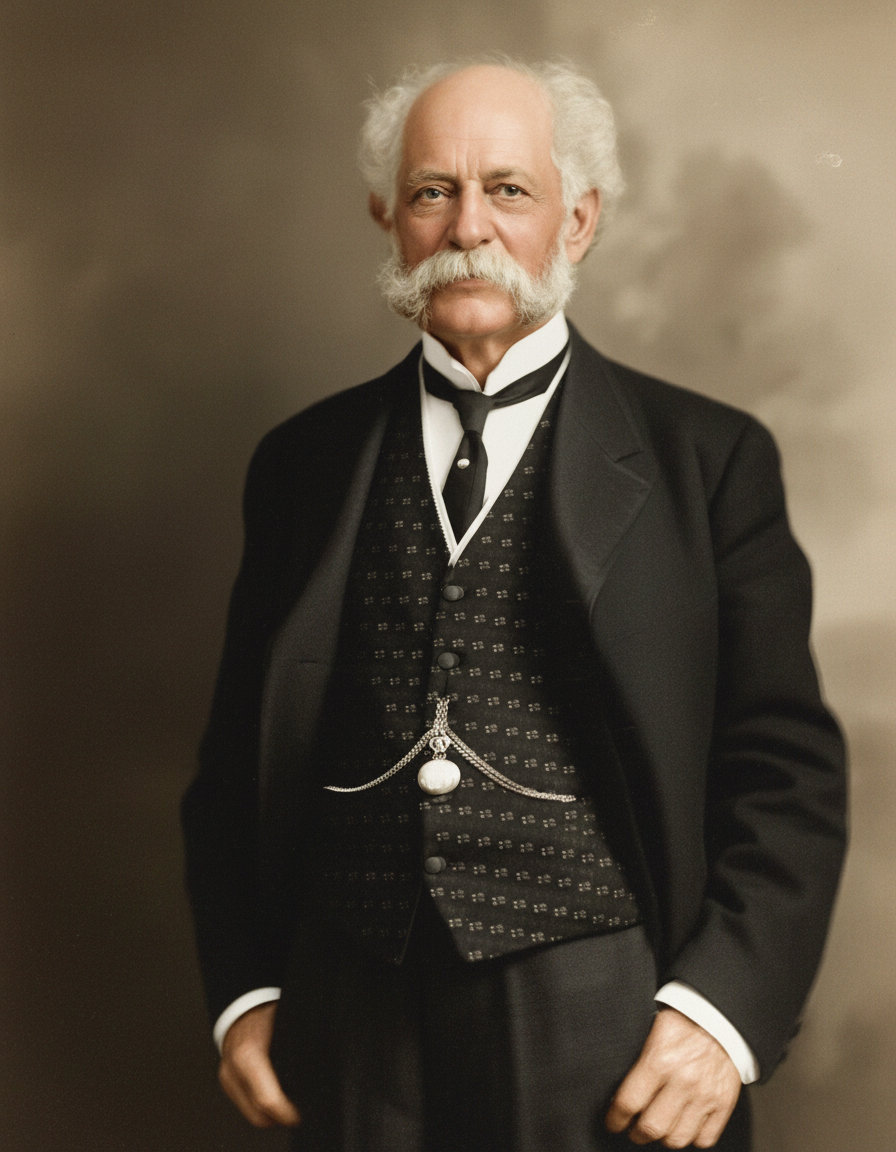
Portrait of Henry J. Heinz
UNITED STATES / FOOD & BEVERAGE
Henry J. Heinz
Henry J. Heinz: The pioneer of branded foods, meticulous quality, and innovative marketing, transforming the food industry from local bulk sales to a trusted global enterprise.
Portrait of Nikola Tesla
SERBIA / ELECTRICAL ENGINEERING, ENERGY, TELECOMMUNICATIONS
Nikola Tesla
Nikola Tesla: The visionary engineer whose innovations in alternating current laid the foundation for modern electrical power systems, driving the second industrial revolution.