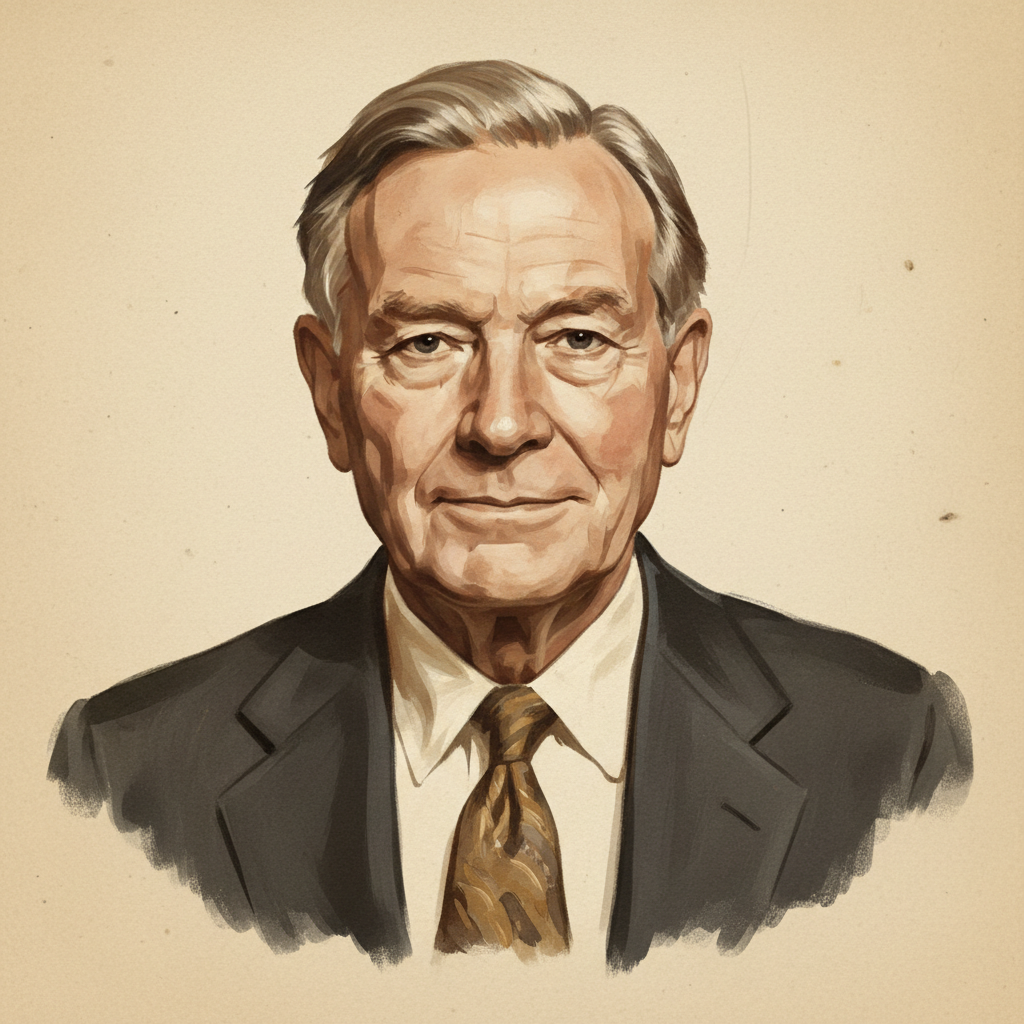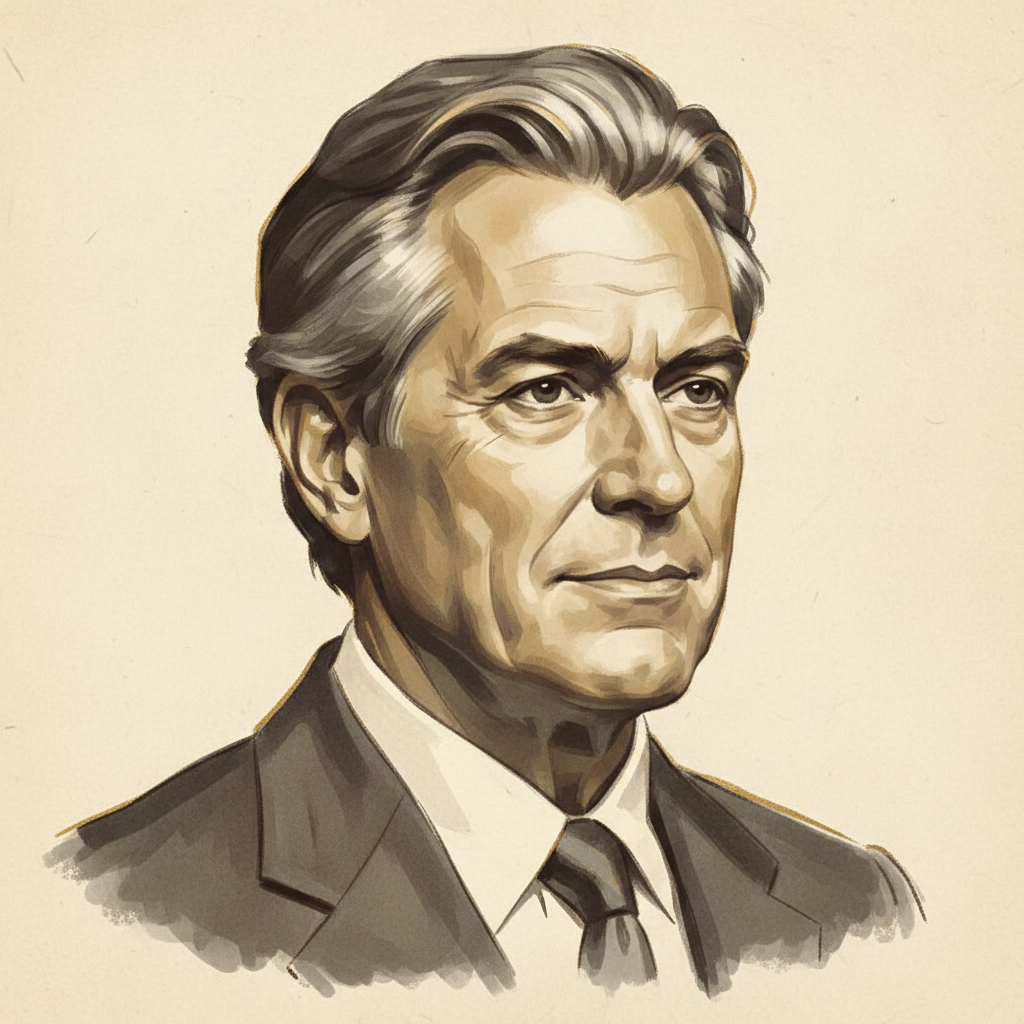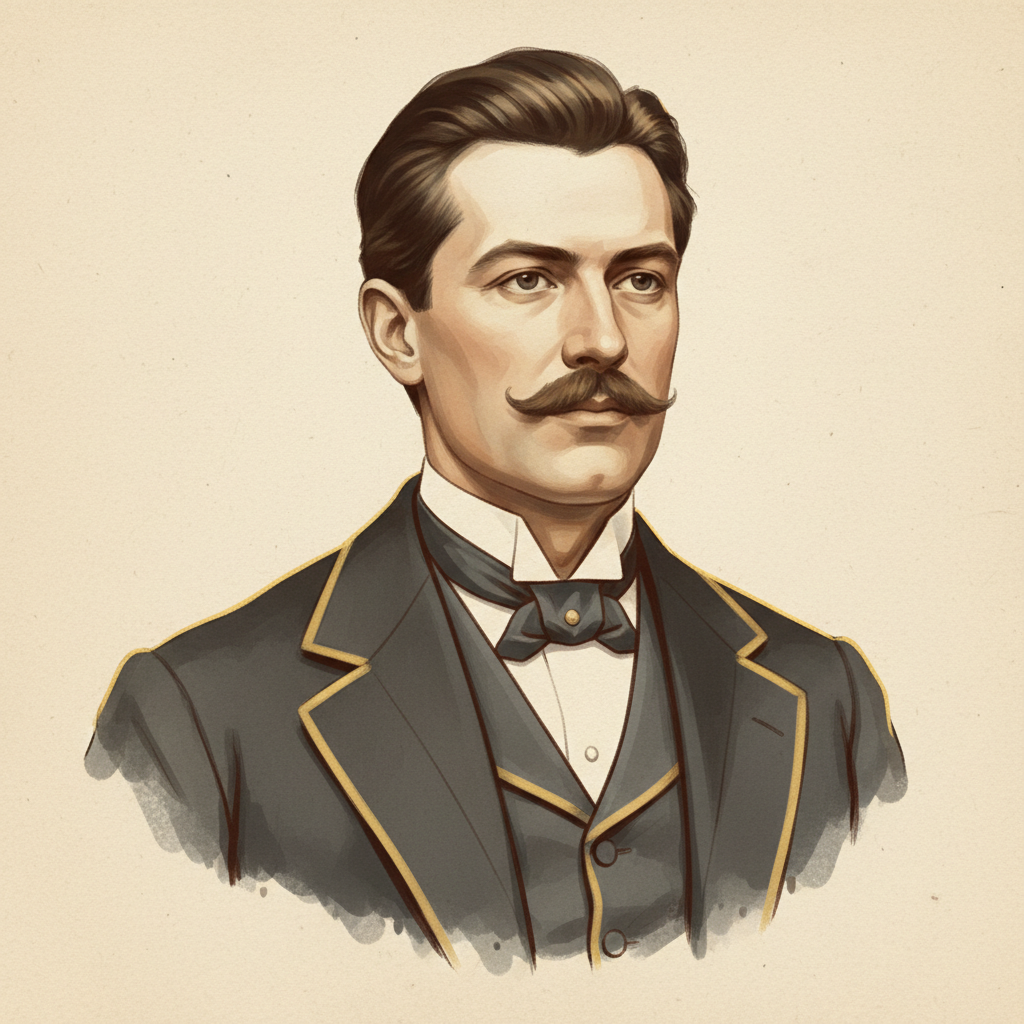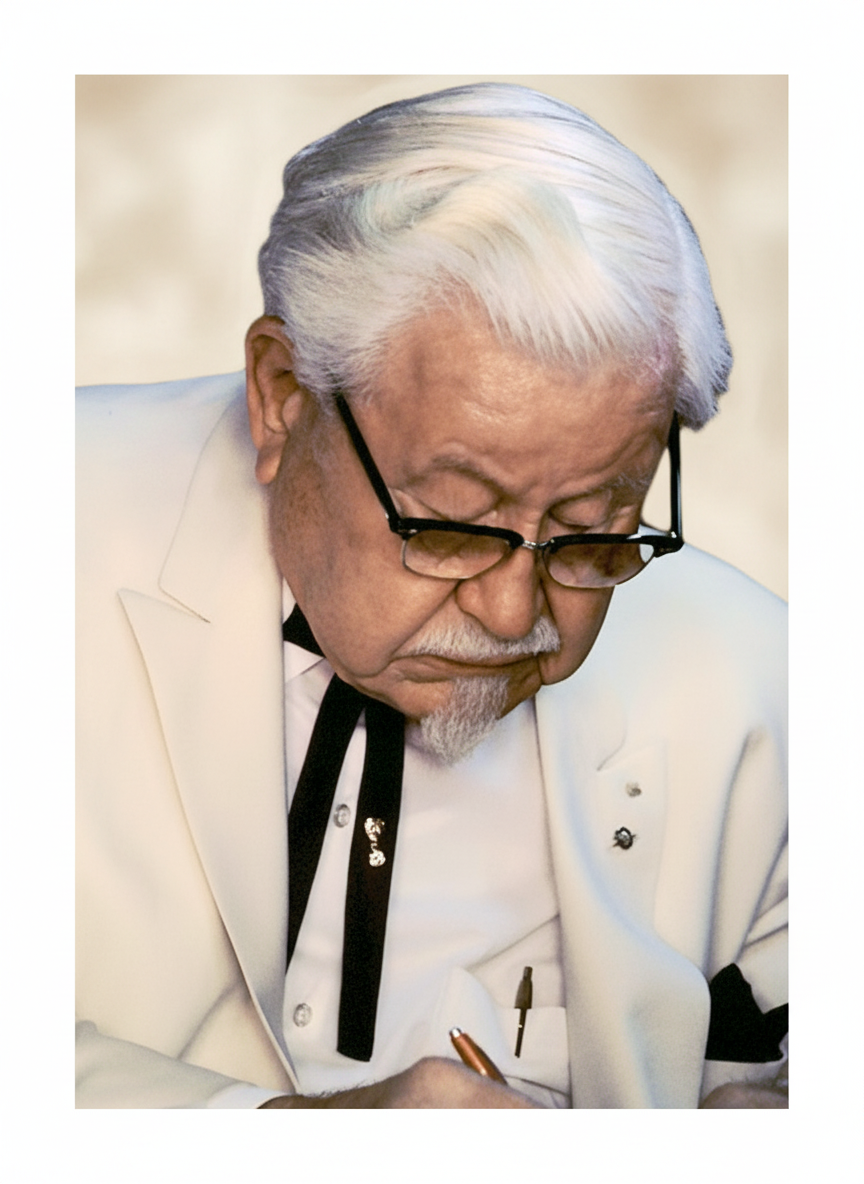
Portrait of Harland Sanders
Historical Mind · 1890 — 1980

Harland Sanders

Harland Sanders: From roadside entrepreneur to global fast-food icon, demonstrating the power of persistent innovation, brand building, and franchising in the mid-20th century.

Country
United States
Continent
North America
Industry
Food Service
Role
Founder, Entrepreneur, Brand Ambassador

Harland Sanders, widely known as Colonel Sanders, was an American entrepreneur who founded Kentucky Fried Chicken (KFC). Starting his first restaurant venture in 1930 at age 40, he initially served fried chicken from a roadside motel in Corbin, Kentucky. His unique 'Original Recipe' and pressure-frying method gained regional acclaim. Facing business disruption from a new interstate highway, Sanders pivoted to franchising in the mid-1950s, rapidly expanding KFC into a global brand before selling it in 1964 for $2 million.

Biography

Harland Sanders was born in Henryville, Indiana, in 1890. His early life was marked by a series of transient jobs, including steamboat pilot, railroad fireman, farmer, and even briefly, a lawyer. It wasn't until the age of 40, in 1930, that Sanders began selling fried chicken and other meals from a roadside motel in Corbin, Kentucky, during the Great Depression. He developed his 'Original Recipe' of 11 herbs and spices and pioneered the use of pressure fryers, which significantly reduced cooking time while maintaining flavor and texture. This method became a cornerstone of his success. By 1935, Governor Ruby Laffoon of Kentucky commissioned him a Kentucky Colonel for his contributions to the state's cuisine. His primary business, the Sanders Court & Cafe, thrived, but the construction of Interstate 75 in the mid-1950s threatened to bypass Corbin, diverting essential traffic away. Recognizing this existential threat, Sanders liquidated his assets and, at 65, embarked on an ambitious journey to franchise his chicken concept. He drove across the country, cooking chicken for restaurant owners, offering to license his recipe and method in exchange for a per-chicken royalty, typically five cents. Pete Harman, who owned a restaurant in South Salt Lake, Utah, was one of his first franchisees in 1952, famously coining the 'Kentucky Fried Chicken' name. Sanders' tireless efforts, combined with an effective franchising model and distinctive branding (his personal image as 'Colonel Sanders'), propelled KFC's rapid expansion. By 1964, KFC had over 600 franchised outlets in the United States and Canada, generating significant revenue. At 74, Sanders sold his stake in the U.S. company to a group of investors, including John Y. Brown Jr. and Jack C. Massey, for $2 million (approximately $19 million in 2024 dollars) and a lifetime salary for public appearances. He remained a brand ambassador, traveling extensively to promote KFC globally until his death in 1980, continuing to influence the company's image and quality standards.

Accomplishments

  • 01Established a successful roadside restaurant (Sanders Court & Cafe) in Corbin, Kentucky, from 1930 to the mid-1950s, pioneering a unique fried chicken recipe and cooking method.
  • 02Developed the 'Original Recipe' of 11 herbs and spices and popularized the pressure-frying technique for chicken, ensuring rapid, consistent, and high-quality product delivery.
  • 03Successfully pivoted his business model from direct restaurant ownership to a franchising system in the mid-1950s, after his initial venture was threatened by infrastructure changes (Interstate 75).
  • 04Grew Kentucky Fried Chicken (KFC) from a single franchise agreement in 1952 to over 600 locations by 1964 across the U.S. and Canada, establishing one of the earliest successful fast-food franchising networks.
  • 05Cultivated a powerful personal brand ('Colonel Sanders') which became synonymous with the company, acting as a highly effective, recognizable, and trustworthy brand ambassador for decades, even after selling the company.
  • 06Negotiated a lucrative sale of KFC in 1964 for $2 million and a lifetime salary, monetizing his entrepreneurial efforts at an advanced age while ensuring the brand's continued growth.
  • 07Oversaw the expansion of KFC into a global phenomenon, with early international ventures in Canada and later expansions that positioned it for worldwide recognition.

Lessons for Operators

Identify and articulate a unique value proposition early: Sanders' 'Original Recipe' and pressure-frying method provided a distinct competitive advantage over standard fried chicken, delivering speed and quality.
Embrace adaptability and strategic pivots: When confronted with the existential threat of Interstate 75 bypassing Corbin, Sanders didn't lament; he fundamentally reshaped his business model from a fixed location to a distributed franchising network.
Leverage personal branding: Sanders' authentic persona as 'Colonel Sanders' became a powerful, cost-effective marketing tool, fostering trust and recognition far more effectively than conventional advertising alone.
Understand the power of scalable business models: The shift to franchising enabled rapid expansion with minimal capital outlay from the franchisor, demonstrating how intellectual property (recipe, method, brand) can be monetized effectively.
Prioritize product consistency and quality control: Sanders was famously meticulous about franchisees adhering to his exact standards, understanding that brand integrity across multiple locations was paramount for sustained growth and customer loyalty.
Recognize the potential in underserved markets: Sanders initially targeted independent restaurateurs in smaller towns and cities who lacked a strong, consistent fried chicken offering, thus expanding faster than if he'd solely focused on saturated urban centers.
Monetize intellectual property (IP): Sanders' core asset was his secret recipe and cooking method. Licensing this IP via franchising allowed him to build a vast network without owning every physical restaurant, creating significant enterprise value.
The Operator's Playbook

Key Takeaways

Practical lessons distilled for operators, investors, C-levels, and capital allocators.

Lesson 01

Innovation as a Survival Mechanism

Sanders' development of the pressure fryer technique and his distinctive recipe was a practical innovation, solving the problem of how to cook chicken quickly and consistently. This provided a foundational competitive edge that allowed him to adapt and thrive even when his initial brick-and-mortar business faced obsolescence.

Lesson 02

The Strategic Pivot

Facing imminent business failure due to a highway reroute, Sanders, at age 65, completely re-engineered his operational model from a single-location restaurant owner to a franchisor. This strategic pivot highlights the necessity for leaders to recognize market shifts and proactively transform their core business strategy, regardless of age or existing success.

Lesson 03

Brand Archetype and Personal Legacy

Colonel Sanders was not just a founder; he became the enduring face and voice of KFC. This personal branding created a powerful, memorable, and trusted archetype that transcended mere advertising, illustrating the value of a strong, authentic narrative for long-term brand equity. For investors, this demonstrates the power of a founder-led narrative in valuation.

Lesson 04

Scalable Franchising Model

KFC's rapid expansion under Sanders showcases the effectiveness of a well-executed franchising model. By providing a proven product, brand, and operational system, and charging a royalty, companies can achieve exponential growth with controlled capital expenditure, making it an attractive model for capital allocators seeking high-growth opportunities.

Lesson 05

Quality Control as a Brand Imperative

Sanders was notoriously hands-on in ensuring franchisees upheld his quality standards, even after selling the company. This focus on consistent product delivery across all outlets was crucial for maintaining customer trust and brand reputation, underscoring that growth must be accompanied by rigorous quality assurance.

Lesson 06

The Power of Intellectual Property

Sanders' 'Original Recipe' was his most valuable asset. The ability to license this secret recipe and cooking method enabled him to build a vast empire without owning every asset. This highlights for operators and investors the critical importance of identifying, protecting, and monetizing proprietary intellectual property as a key driver of enterprise value.

Mental Models

Frameworks & Principles

Named frameworks and strategic principles they popularized or embodied.

01

Franchising Model

A business model where a franchisor grants a franchisee the right to use its business name, operating systems, and trademarks in exchange for a fee and ongoing royalties. The franchisor provides support and brand reputation, while the franchisee funds and operates the local unit.

When to useWhen a proven business concept has potential for rapid, capital-efficient expansion into new geographic markets, or when seeking to leverage local entrepreneurial drive while maintaining brand consistency and control over core intellectual property.

02

Personal Brand as Corporate Asset

Utilizing the founder's or a key individual's persona, values, and story as a central component of the corporate brand identity. This creates authenticity, fosters trust, and provides a relatable face for the company.

When to useWhen the founder has a compelling story, unique expertise, or strong public recognition that can differentiate the company. Effective for startups, challenger brands, or legacy businesses seeking to humanize their image and build strong emotional connections with customers and stakeholders.

03

Strategic Pivot

A fundamental change in a company's business model, product, or market strategy in response to significant internal or external challenges, or new opportunities. It often involves reallocating resources and redefining core objectives.

When to useWhen the existing business model is no longer sustainable, market conditions drastically change (e.g., technology shifts, infrastructure changes, competitive disruption), or when significant new opportunities emerge that require a radical reorientation of the business.

Citations

Sources & Further Reading

Profiles, interviews, podcasts, and articles used to compile and verify this entry. Each link opens at the original publisher.

Adjacent Minds

Explore Related Titans

Other figures in the archive who share Harland Sanders's domain, geography, or era.

Consumer & Retail

More in Consumer & Retail

Browse all →
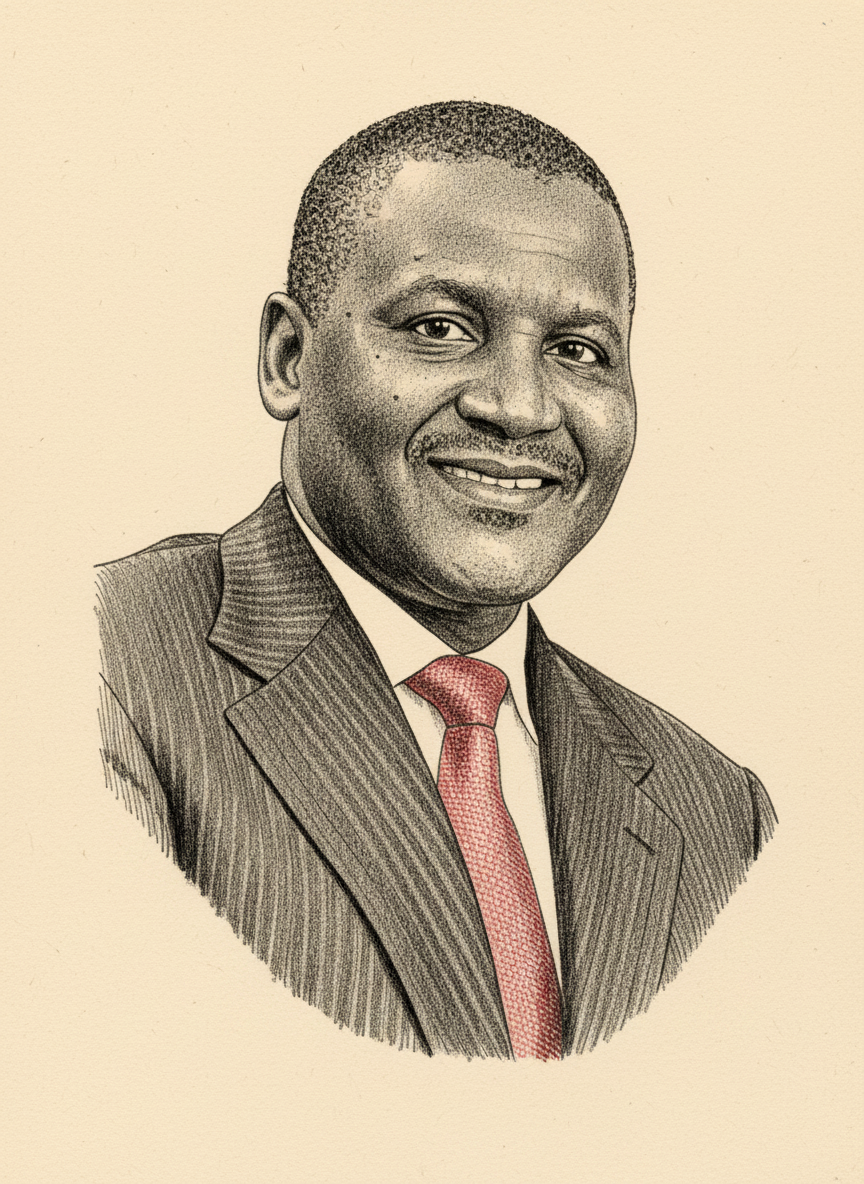
Portrait of Aliko Dangote
NIGERIA / DIVERSIFIED CONGLOMERATE (CEMENT, SUGAR, REFINING, FOOD & BEVERAGES, PETROCHEMICALS)
Aliko Dangote
Aliko Dangote: The architect of Africa's largest industrial conglomerate, transforming local resources into global-scale enterprises across cement, sugar, refining, and petrochemicals.
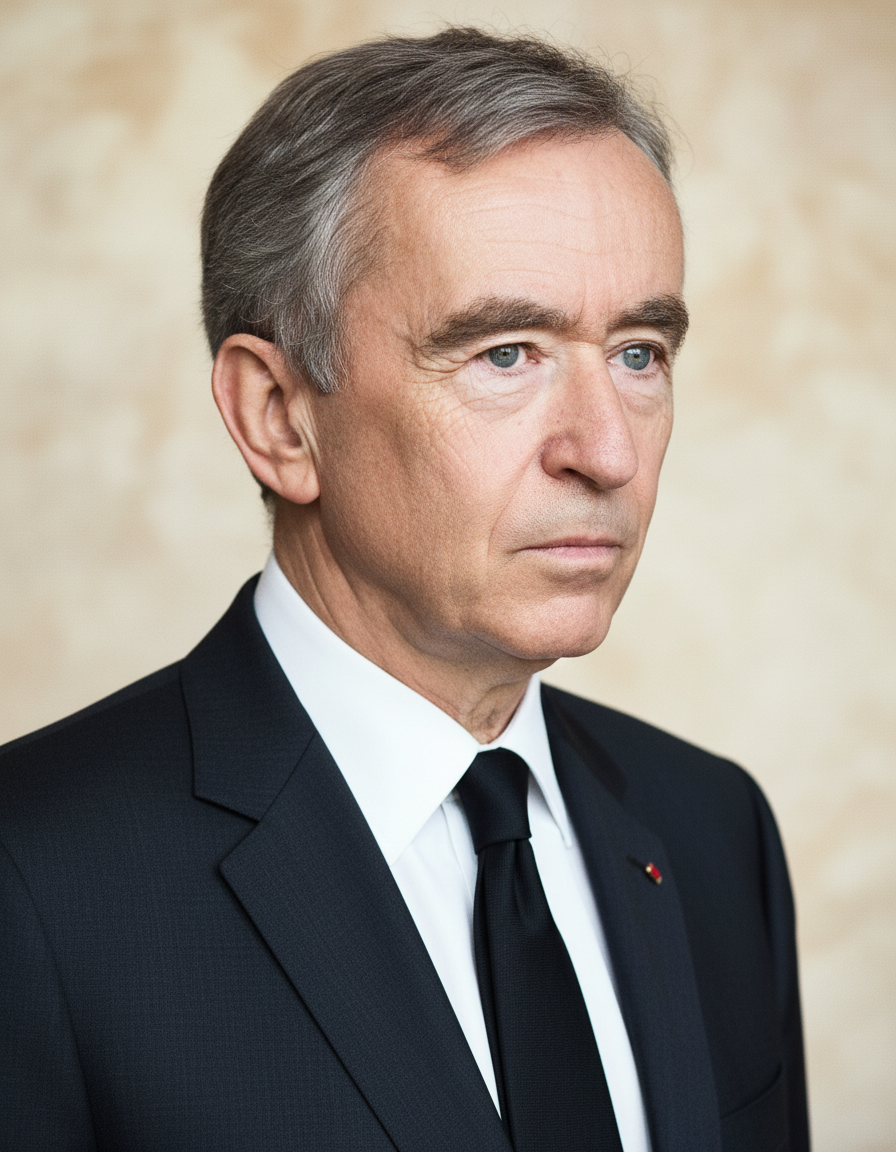
Portrait of Bernard Arnault
FRANCE / LUXURY GOODS
Bernard Arnault
The architect of modern luxury, Bernard Arnault transformed LVMH into the world's leading luxury conglomerate.
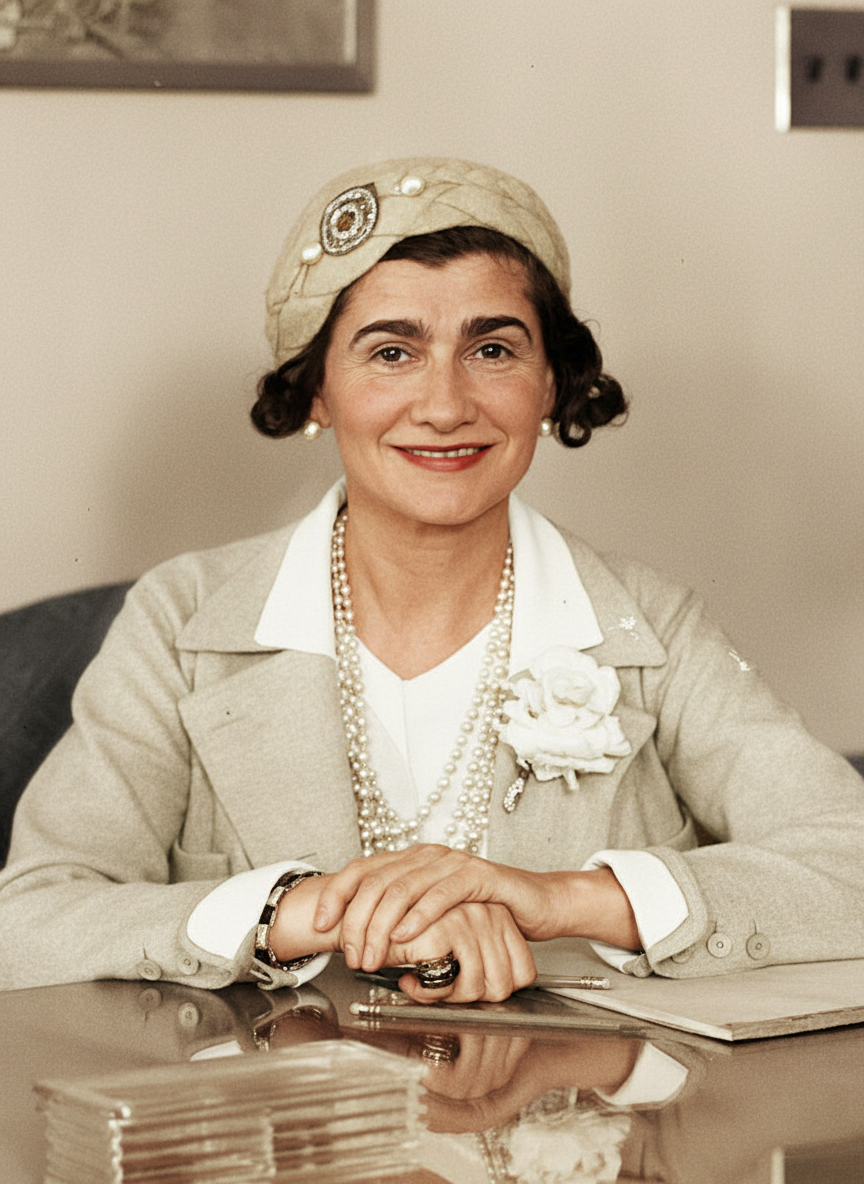
Portrait of Coco Chanel
FRANCE / FASHION & LUXURY
Coco Chanel
The architect of modern female fashion, transforming haute couture into an empire of timeless style and aspirational luxury.
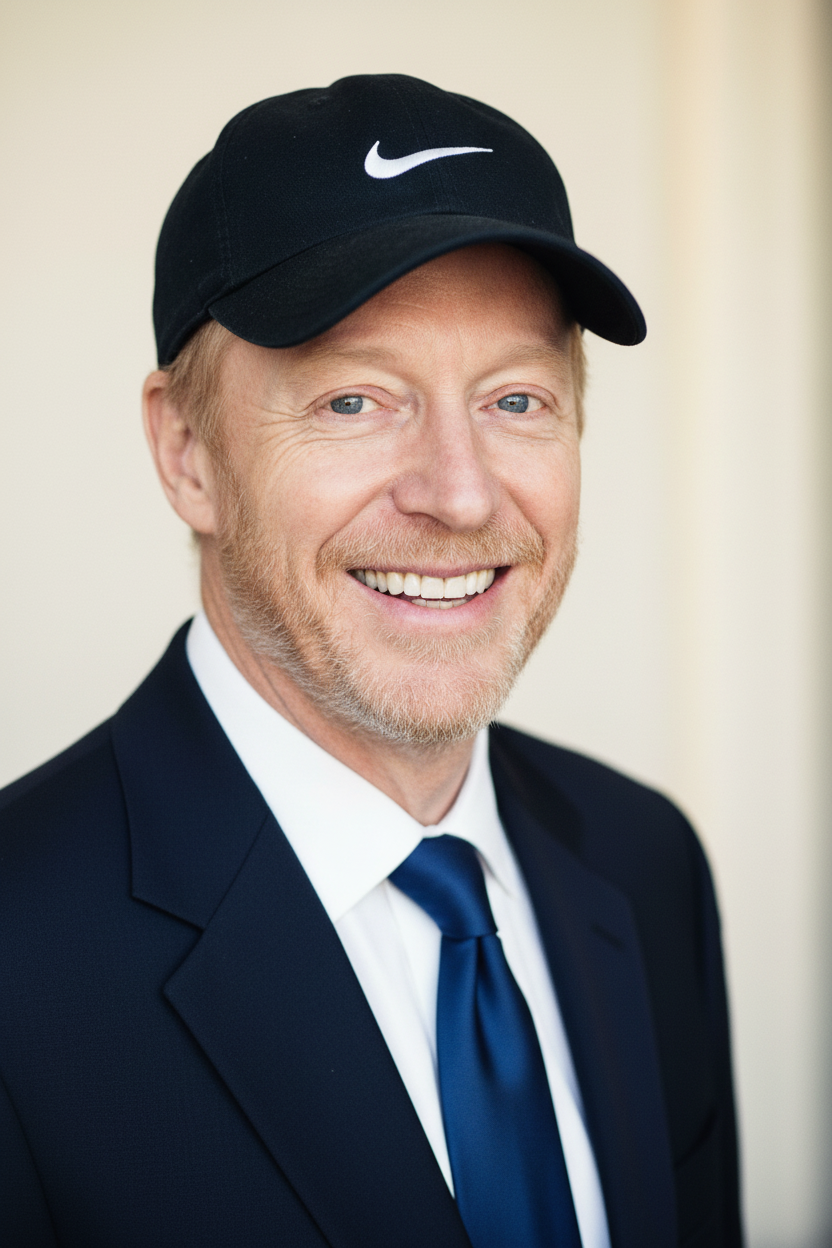
Portrait of Phil Knight
UNITED STATES / APPAREL & FOOTWEAR
Phil Knight
Phil Knight: The Visionary Architect of Nike, who transformed athletic footwear from functional gear into a global cultural phenomenon.
Portrait of Estée Lauder
UNITED STATES / BEAUTY & COSMETICS
Estée Lauder
The architect of the modern beauty industry, Estée Lauder built a global empire on personalized service, product innovation, and aspirational marketing.
Portrait of Madam C.J. Walker
UNITED STATES / BEAUTY & COSMETICS
Madam C.J. Walker
America's First Self-Made Woman Millionaire, Founder of a Global Haircare and Cosmetics Empire.
Portrait of Henry J. Heinz
UNITED STATES / FOOD & BEVERAGE
Henry J. Heinz
Henry J. Heinz: The pioneer of branded foods, meticulous quality, and innovative marketing, transforming the food industry from local bulk sales to a trusted global enterprise.
Portrait of Paul Polman
NETHERLANDS / CONSUMER GOODS (FMCG)
Paul Polman
The architect of purpose-driven capitalism and sustainable business transformation at Unilever.
Portrait of Madam C.J. Walker
UNITED STATES / CONSUMER GOODS, DIRECT SALES
Madam C.J. Walker
Madam C. J. Walker: Pioneering hair care entrepreneur, philanthropist, and America's first documented self-made female millionaire.
Portrait of Frédéric Arnault
FRANCE / LUXURY GOODS
Frédéric Arnault
The architect of TAG Heuer's digital transformation and strategic repositioning.
United States

From United States

Browse all →
Portrait of Andrew Carnegie
UNITED STATES / STEEL & MANUFACTURING
Andrew Carnegie
The architect of American steel supremacy and a pioneering industrialist whose innovations in cost control and vertical integration reshaped global manufacturing.
Portrait of Warren Buffett
UNITED STATES / INVESTING
Warren Buffett
The Oracle of Omaha: Architect of long-term value investing and compounding returns through disciplined acquisition and intrinsic value focus.
Portrait of Jeff Bezos
UNITED STATES / TECHNOLOGY, RETAIL, LOGISTICS, CLOUD COMPUTING, SPACE EXPLORATION
Jeff Bezos
Architect of Amazon, pioneer of e-commerce, and visionary across cloud computing, logistics, and space exploration.
Portrait of Bill Gates
UNITED STATES / SOFTWARE, TECHNOLOGY, PHILANTHROPY
Bill Gates
Co-founder of Microsoft, architect of the personal computing revolution, and global philanthropist.
Portrait of Sam Walton
UNITED STATES / RETAIL
Sam Walton
The architect of modern retail, pioneering discount merchandising and logistical efficiency to establish the world's largest retail corporation.
Portrait of Mark Cuban
UNITED STATES / TECHNOLOGY, MEDIA, SPORTS, HEALTHCARE
Mark Cuban
Mark Cuban: The Prolific Disrupter – From Software Startups to Sports Franchises and Pharmaceutical Innovation, Leveraging Technology and Direct-to-Consumer Models.
Portrait of Walt Disney
UNITED STATES / ENTERTAINMENT
Walt Disney
Co-founder of The Walt Disney Company, pioneering animation, theme parks, and diversified entertainment.
Portrait of Mohnish Pabrai
UNITED STATES / FINANCIAL SERVICES
Mohnish Pabrai
The Dhandho Investor: A Value Investing Maverick.
Portrait of Henry Ford
UNITED STATES / AUTOMOTIVE
Henry Ford
The architect of mass production, democratizing the automobile through efficiency and scale.
Portrait of Sam Altman
UNITED STATES / ARTIFICIAL INTELLIGENCE, VENTURE CAPITAL
Sam Altman
Architect of Artificial General Intelligence and Venture Capital Visionary.
Same Era

Contemporaries — 19th century
Browse all →
Portrait of Andrew Carnegie
UNITED STATES / STEEL & MANUFACTURING
Andrew Carnegie
The architect of American steel supremacy and a pioneering industrialist whose innovations in cost control and vertical integration reshaped global manufacturing.
Portrait of Henry Ford
UNITED STATES / AUTOMOTIVE
Henry Ford
The architect of mass production, democratizing the automobile through efficiency and scale.
Portrait of J. Pierpont Morgan
UNITED STATES / BANKING & FINANCE
J. Pierpont Morgan
The architect of American industrial capitalism and financial stability.
Portrait of Thomas Edison
UNITED STATES / INDUSTRIAL & ENERGY
Thomas Edison
The Prolific Inventor and Industrialist Who Electrified the World and Standardized Innovation.
Portrait of John D. Rockefeller
UNITED STATES / OIL & ENERGY
John D. Rockefeller
Architect of Modern Industry and Philanthropy
Portrait of Coco Chanel
FRANCE / FASHION & LUXURY
Coco Chanel
The architect of modern female fashion, transforming haute couture into an empire of timeless style and aspirational luxury.
Portrait of Konosuke Matsushita
JAPAN / CONSUMER ELECTRONICS
Konosuke Matsushita
The Founder of Panasonic, pioneered mass-market electronics and the 'management philosophy' approach to business.
Portrait of Madam C.J. Walker
UNITED STATES / BEAUTY & COSMETICS
Madam C.J. Walker
America's First Self-Made Woman Millionaire, Founder of a Global Haircare and Cosmetics Empire.
Portrait of Henry J. Heinz
UNITED STATES / FOOD & BEVERAGE
Henry J. Heinz
Henry J. Heinz: The pioneer of branded foods, meticulous quality, and innovative marketing, transforming the food industry from local bulk sales to a trusted global enterprise.
Portrait of Otto von Bismarck
GERMANY / NATION-BUILDING / STATECRAFT
Otto von Bismarck
The Iron Chancellor: Unifier of Germany through Realpolitik and Strategic Statecraft.