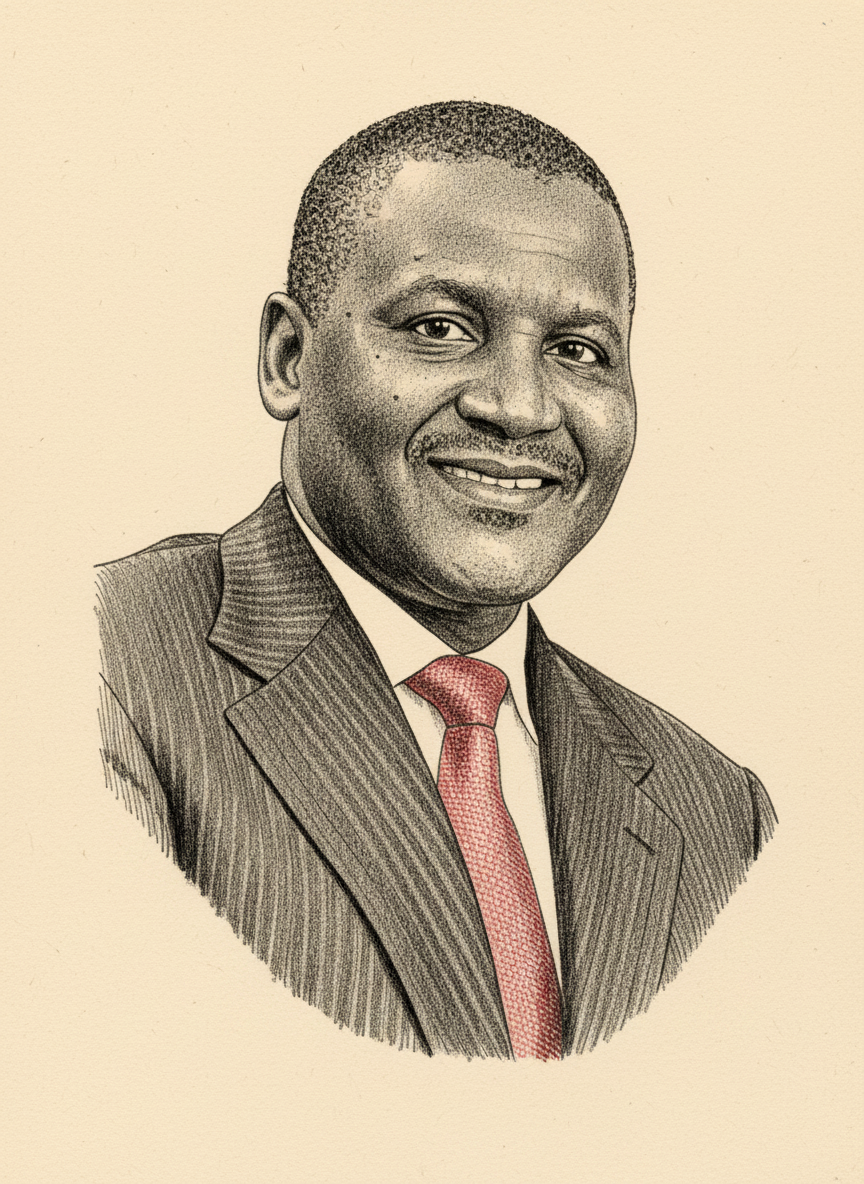
Paul Krugman
Nobel laureate economist whose models redefined international trade and economic geography, bridging academic theory with public policy discourse.
Paul Robin Krugman is an American economist, Distinguished Professor of Economics at CUNY, and Nobel laureate. He is renowned for his contributions to new trade theory and new economic geography, recognized by the 2008 Nobel Memorial Prize in Economic Sciences. Krugman also served as a prominent columnist for The New York Times from 2000 to 2024.
Biography
Accomplishments
- 01Awarded the Nobel Memorial Prize in Economic Sciences in 2008 for his contributions to new trade theory and new economic geography, explaining patterns of international trade and geographic distribution of economic activity.
- 02Developed models integrating economies of scale and consumer preferences into international trade theory, addressing limitations of traditional Ricardian and Heckscher-Ohlin models.
- 03Served as a leading columnist for The New York Times from 2000 to 2024, influencing public discourse on economic policy, globalization, and social issues.
- 04Authored multiple influential academic papers and popular books, including 'The Accidental Theorist' and 'The Conscience of a Liberal,' shaping both academic understanding and public perception of economics.
- 05Held professorships at prestigious institutions such as MIT, Stanford, Princeton, and currently the Graduate Center of the City University of New York, educating generations of economists.
Lessons for Operators
Key Takeaways
Practical lessons distilled for operators, investors, C-levels, and capital allocators.
Economies of Scale as a Strategic Differentiator
Krugman's work demonstrates that even in the absence of traditional comparative advantages, firms can achieve global dominance by leveraging economies of scale. Operators should strategically scale production to reduce unit costs and achieve competitive advantages that deter new entrants.
Geographic Concentration Drives Efficiency and Innovation
The 'New Economic Geography' explains why industries cluster. For investors, this implies that investing in established industry hubs (e.g., Silicon Valley for tech, financial districts for banking) can offer access to talent, infrastructure, and synergistic benefits, minimizing investment risk.
Product Differentiation is Key to Market Capture
Consumer demand for variety, as theorized by Krugman, means that offering unique or specialized goods/services can create strong market positions. Enterprise leaders should prioritize R&D and marketing to develop distinct products that cater to diverse consumer preferences, moving beyond pure cost competition.
Macroeconomic Policy Shapes Market Dynamics
Krugman's consistent advocacy for active fiscal and monetary policy underscores its impact on economic cycles. Fund managers must critically assess government policy direction and potential interventions, as these can materially influence asset valuations and sector performance.
Understand the Interplay of Trade and Location
Leaders should analyze how global trade patterns interact with geographical factors when making decisions about supply chain optimization, market entry, and facility location. This involves considering both cost efficiencies and access to markets with specific consumer demands.
Frameworks & Principles
Named frameworks and strategic principles they popularized or embodied.
New Trade Theory
Explains international trade patterns based on economies of scale and product differentiation, rather than solely comparative advantage from resource endowments. Firms in larger markets can produce more efficiently, leading to international trade in similar goods.
When to useWhen analyzing competitive advantages in industries characterized by high fixed costs, production agglomeration, or strong consumer preferences for diverse goods (e.g., automotive, electronics, fashion). Useful for market entry strategies and supply chain design.
New Economic Geography
Explains the spatial concentration of economic activity, where industries and populations cluster due to the interplay of economies of scale, transport costs, and labor mobility. This leads to core-periphery patterns in economic development.
When to useWhen evaluating location decisions for manufacturing, services, or R&D facilities. Applicable for understanding why certain regions or cities become dominant in specific sectors and for assessing real estate investment opportunities based on economic clustering.
Monopolistic Competition (Krugman Variant)
A specific market structure model within New Trade Theory where many firms produce differentiated products, each having some market power but facing competition from others. This leads to firms specializing in varieties and trading them internationally.
When to useWhen designing product differentiation strategies, assessing market fragmentation, or understanding trade flows in consumer goods industries where brands and variety play a significant role. Useful for understanding pricing power and competitive positioning for distinct product offerings.
Sources & Further Reading
Profiles, interviews, podcasts, and articles used to compile and verify this entry. Each link opens at the original publisher.
Explore Related Titans
Other figures in the archive who share Paul Krugman's domain, geography, or era.
More in Other





From United States









Contemporaries — born 1950s