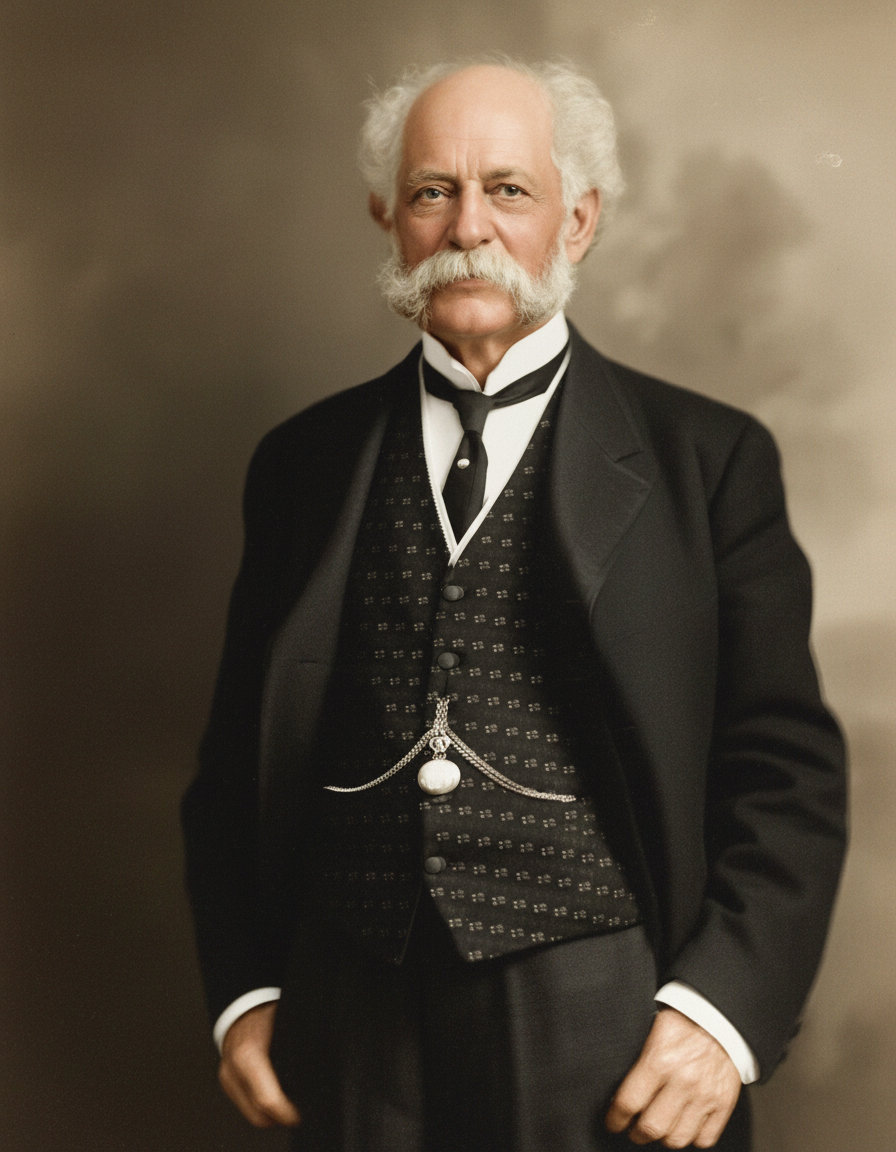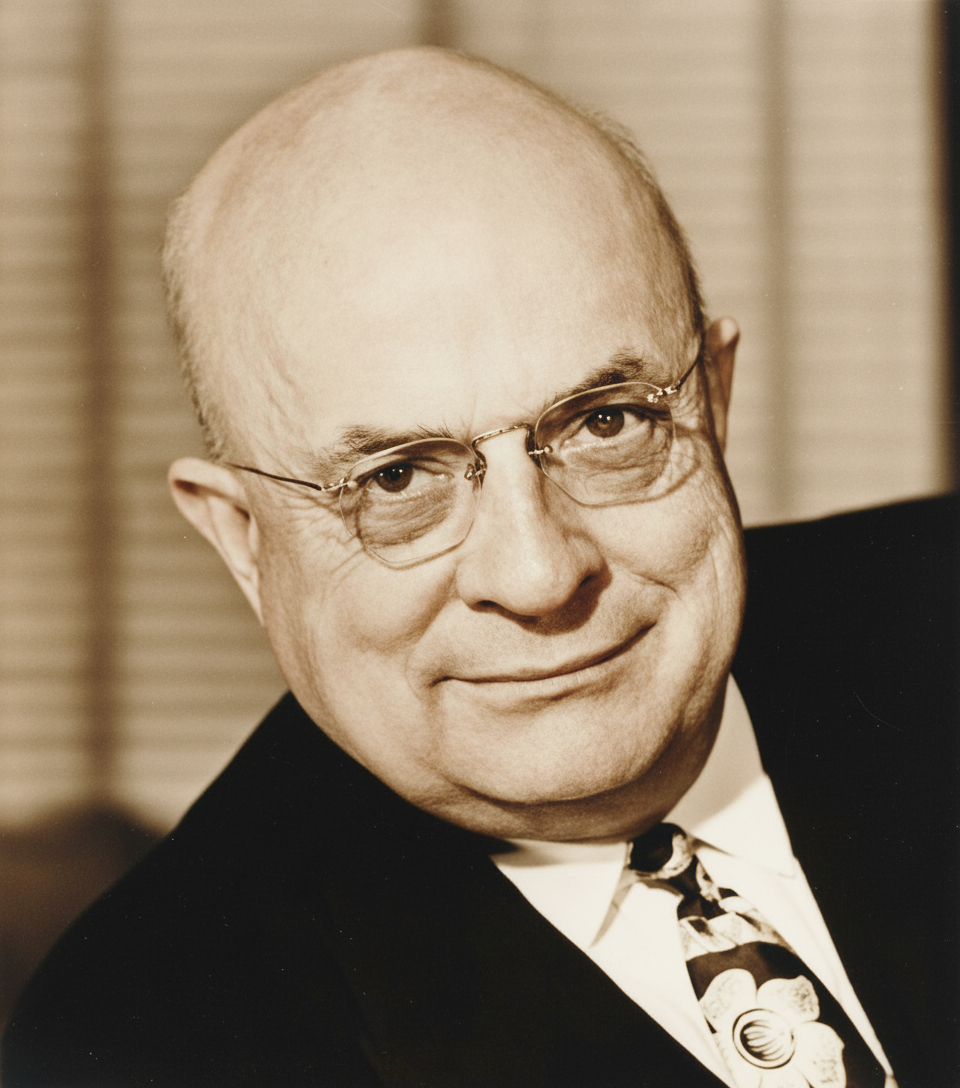
Henry J. Kaiser
Architect of American mass-production shipbuilding, wartime industrial mobilization, and prepaid integrated managed healthcare.
Henry J. Kaiser was an American industrialist who fundamentally transformed large-scale infrastructure, manufacturing, and employee benefits. Rising from a highway paving contractor to co-leader of the Six Companies consortium that built the Hoover Dam, Kaiser revolutionized maritime manufacturing during World War II by applying modular prefabrication and welding to construct over 1,490 vessels across seven shipyards. To maintain extreme operational uptime and labor productivity, he partnered with Dr. Sidney Garfield to create a prepaid, group-practice healthcare model that became Kaiser Permanente, the blueprint for modern American managed care. His empire eventually spanned steel, aluminum, cement, real estate, and automotive manufacturing.
Biography
Accomplishments
- 01Co-founded and served as key manager of Six Companies, Inc., which completed the Hoover Dam two years ahead of schedule in 1935 under a $48.9 million federal contract.
- 02Engineered the mass production of 1,490 merchant and naval vessels during World War II across seven shipyards, constructing 27 percent of all U.S. Maritime Commission ships.
- 03Slashed Liberty ship manufacturing lead times from 244 days to an industry average of 42 days, setting a world record by assembling the SS Robert E. Peary in 4 days, 15 hours, and 29 minutes.
- 04Founded Kaiser Permanente in 1945, pioneering the Health Maintenance Organization (HMO) model by integrating prepaid financing, hospital facilities, and salaried physician groups.
- 05Constructed the Fontana Steel Mill in 1942 with $111 million in federal loans, establishing the first fully integrated, blast-furnace-to-finishing steel operation west of the Rockies.
- 06Founded Kaiser Aluminum in 1946 by leasing and turning around war-surplus reduction plants, capturing over 20 percent of the U.S. primary aluminum market within five years.
Lessons for Operators
Key Takeaways
Practical lessons distilled for operators, investors, C-levels, and capital allocators.
Capital Utilization via Schedule Compression
Kaiser consistently bid low and built fast because he recognized that equipment depreciation, overhead, and interest on working capital decay margins over extended timelines. Finishing early unlocked immediate capital recycling.
Industrialized Human Capital Care
By internalizing preventative health through Dr. Garfield's prepaid model, Kaiser reduced lost workdays across 200,000 shipyard employees, turning a fringe benefit into an operational efficiency engine.
Syndicated Enterprise Risk Management
The Six Companies structure demonstrated how to bid on national-scale public works by cross-guaranteeing liabilities, assigning operational verticals to individual domain experts, and pooling liquidity.
Decoupling Production from Geographic Constraints
Kaiser transformed shipbuilding into an advanced logistics game by breaking hulls into transportable sub-assemblies, enabling parallel component manufacturing across disparate facilities.
The Limits of Production Genius in Branded Markets
Kaiser-Frazer demonstrated that mastery over factory logistics and heavy assembly cannot compensate for weak dealer distribution networks, lack of consumer financing moats, and incumbent price wars.
Frameworks & Principles
Named frameworks and strategic principles they popularized or embodied.
Parallel Sub-Assembly Modularization
A production architecture where a complex asset is partitioned into standardized, self-contained sub-units built simultaneously in parallel lines, minimizing the time spent on the final assembly bottleneck (the slipway, assembly dock, or integration bay).
When to useDeploy when facing hard output deadlines on complex hardware where linear assembly creates severe physical space constraints or sequential schedule dependencies.
Integrated Capitation Managed Care
An operational alignment model that bundles financing (health plan insurance) and delivery (salaried physician medical groups and hospitals) under a single fixed-fee capitation structure, aligning profitability with preventive wellness rather than fee-for-service intervention volume.
When to useApply in enterprise workforce operations or managed care systems where high-utilization attrition degrades baseline productivity and traditional pay-per-service healthcare leads to uncontained cost inflation.
Strategic Joint-Venture Consortium (The Six Companies Model)
A governance vehicle that unifies balance sheets, performance bonds, and distinct operational competencies among mid-market competitors to execute capital-intensive mega-projects beyond the individual capacity of any single firm.
When to useUse when pursuing institutional or sovereign contracts where statutory bonding thresholds, capital intensity, and execution downside threaten bankruptcy for a solitary bidder.
Sources & Further Reading
Profiles, interviews, podcasts, and articles used to compile and verify this entry. Each link opens at the original publisher.
Explore Related Titans
Other figures in the archive who share Henry J. Kaiser's domain, geography, or era.
More in Industrial & Manufacturing









From United States








Contemporaries — 19th century