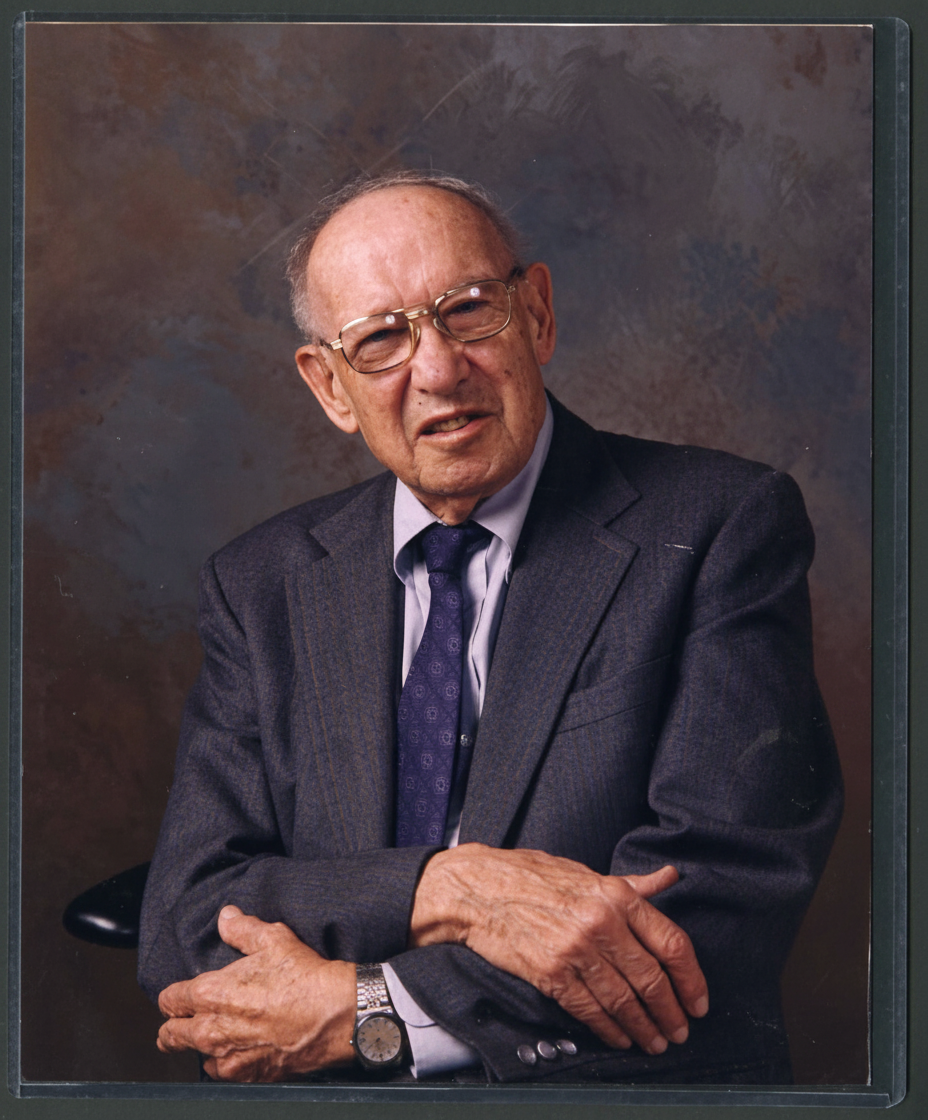
Hassan Allam
Hassan Mohammed Allam: A foundational figure in modern Egyptian construction and engineering, whose entrepreneurial vision shaped national infrastructure.
Hassan Mohammed Allam was a pioneer of modern construction in Egypt, establishing Hassan Allam Sons in 1936. His company became instrumental in building critical infrastructure across the nation, pioneering innovative construction techniques and scaling operations during pivotal periods of Egyptian development.
Biography
Accomplishments
- 01Founded Hassan Allam Sons in 1936, establishing one of Egypt's first prominent national construction companies.
- 02Successfully executed large-scale infrastructure projects including highways, bridges, and residential developments across Egypt.
- 03Pioneered advanced construction methodologies and equipment utilization in the Egyptian market during the mid-20th century.
- 04Contributed significantly to Egypt's economic development by constructing critical national infrastructure, shaping urban and industrial landscapes.
- 05Navigated the company through periods of significant political and economic change in Egypt, including contributing to WWII war efforts and adapting to nationalization policies.
- 06Cultivated a reputation for reliability, quality, and timely project delivery, fostering trust with governmental and private sector clients.
Lessons for Operators
Key Takeaways
Practical lessons distilled for operators, investors, C-levels, and capital allocators.
Visionary Entrepreneurship
Allam's ability to foresee the need for robust infrastructure in a developing nation and position his company to fulfill that need demonstrates astute market timing and entrepreneurial foresight. This is critical for identifying underserved markets.
Operational Rigor
The consistent delivery of high-quality projects established Hassan Allam Sons as a trusted entity. For C-levels, this emphasizes the importance of operational rigor and quality control to build long-term brand equity and secure repeat business.
Adaptability and Resilience
Navigating periods of significant political and economic upheaval, Allam's firm demonstrated remarkable adaptability. Operators and investors must build organizations capable of pivoting strategies in response to macroeconomic shifts and policy changes.
Strategic Growth Through Capability Building
Allam continually invested in engineering talent and advanced equipment. This proactive approach to capability building is essential for enterprises aiming for sustained growth and the ability to undertake increasingly ambitious projects.
Legacy Building
His emphasis on robust foundational infrastructure created a lasting legacy beneficial to the nation. Leaders should consider the long-term societal impact and sustainability of their ventures beyond immediate financial returns.
Vertical Integration (Implicit)
While not explicitly stated as a framework, the success of Hassan Allam Sons suggests an implicit strategy of controlling more aspects of the construction process, from planning to execution, optimizing efficiency and quality.
Frameworks & Principles
Named frameworks and strategic principles they popularized or embodied.
Market Gap Analysis & First-Mover Advantage
Identifying a significant unmet need (e.g., modern infrastructure in a developing nation) and establishing a presence early. Capturing market share before widespread competition emerges.
When to useApplicable when entering emerging markets or industries with nascent but growing demands, where a clear vision for foundational development exists.
Capability-Driven Growth Strategy
Prioritizing investment in core competencies, technology, and skilled human capital to enhance project execution and expand operational capacity. Growth is fueled by an internal ability to deliver complex projects.
When to useUseful for enterprises in technical or capital-intensive sectors where expertise and specialized assets are critical differentiators for winning contracts and scaling operations.
Resilience and Adaptation Model (RAM)
A strategic framework for anticipating, managing, and recovering from exogenous shocks (e.g., political instability, economic downturns, nationalization). Involves scenario planning, flexible operational models, and strategic reserves.
When to useEssential for businesses operating in volatile geopolitical or economic environments; aids in developing contingency plans and ensuring business continuity during crises.
Sources & Further Reading
Profiles, interviews, podcasts, and articles used to compile and verify this entry. Each link opens at the original publisher.
Explore Related Titans
Other figures in the archive who share Hassan Allam's domain, geography, or era.
More in Industrial & Manufacturing







From Egypt



Contemporaries — born 1900s