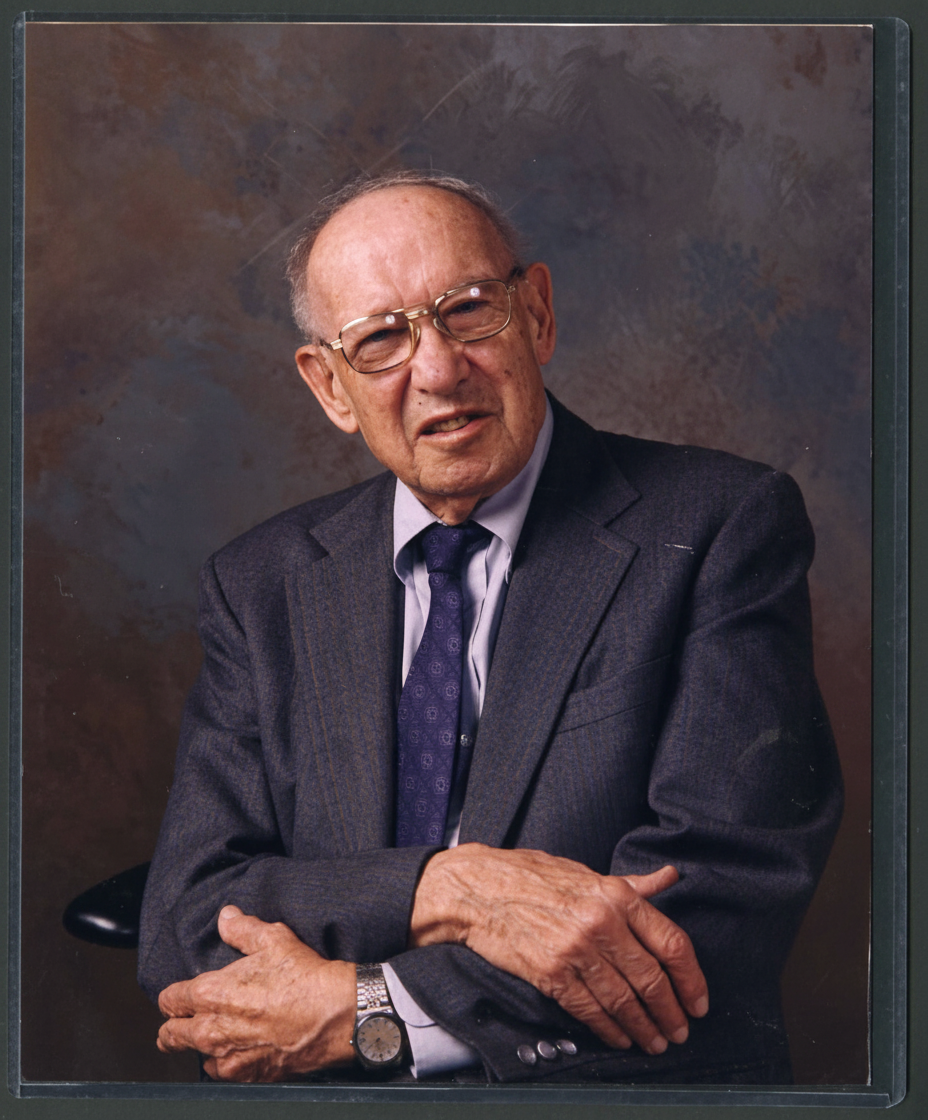
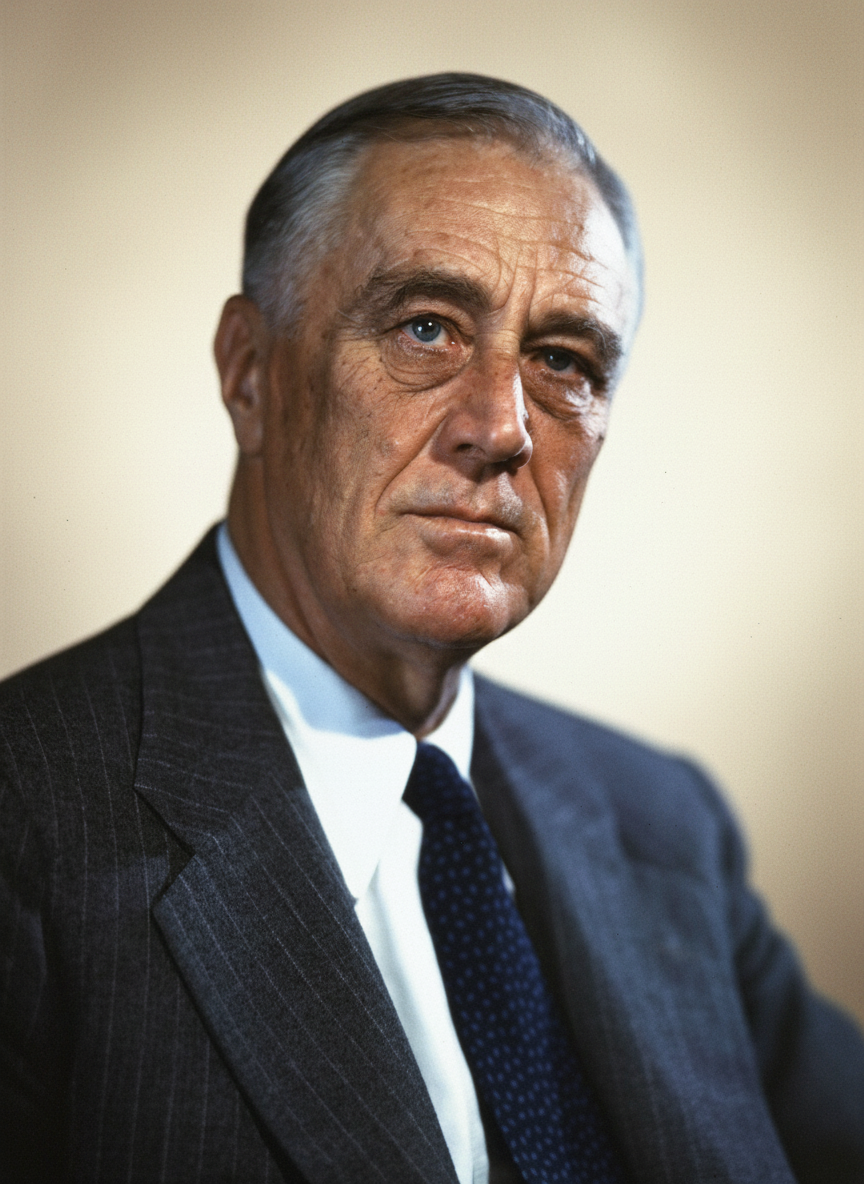
Peter Drucker
The father of modern management.
Peter F. Drucker was an Austrian-born American management consultant, educator, and author whose writings contributed to the philosophical and practical foundations of the modern business corporation. He predicted many of the major economic and social developments of the late 20th century, including the importance of knowledge work and decentralization.
Biography
Accomplishments
- 01Authored 'Concept of the Corporation' (1946) after a two-year study of General Motors, pioneering the concept of the corporation as a social institution and critiquing its centralized structure under Alfred Sloan.
- 02Introduced 'Management by Objectives' (MBO) in 'The Practice of Management' (1954), advocating for clear, agreed-upon objectives across all levels of an organization.
- 03Predicted the rise of the 'knowledge worker' and the 'knowledge economy' as early as the 1950s, foreseeing the shift from manual labor to information-based work.
- 04Coined the term 'privatization' in the 1960s, advocating for the transfer of public services to private enterprise to enhance efficiency.
- 05Developed the concept of 'effectiveness' as the primary measure of management, distinguishing it from efficiency in 'The Effective Executive' (1967).
- 06Influenced countless business leaders and policymakers, with his work being a staple in business schools and executive development programs globally.
- 07Received the Presidential Medal of Freedom in 2002 for his significant contributions to management and societal understanding.
Lessons for Operators
Key Takeaways
Practical lessons distilled for operators, investors, C-levels, and capital allocators.
Business Purpose Is External
A business is defined by its customer and its purpose is to create a customer. Profit is a condition for existence, not the ultimate goal. Action: Regularly assess if your products/services truly solve customer problems and if your organizational structure supports this singular objective.
Management By Objectives (MBO)
Effectiveness is achieved when all efforts within an organization are aligned towards common, clearly understood objectives. MBO emphasizes self-control and clear responsibility. Action: Implement a rigorous MBO system, ensuring clear, measurable goals are set at every level and regularly reviewed, cascading from strategic priorities.
The Rise of the Knowledge Worker
The 20th and 21st century economy is driven by 'knowledge workers' – individuals whose primary contribution comes from their specialized knowledge. Managing them requires different approaches than managing manual labor. Action: Empower knowledge workers with autonomy, continuous learning opportunities, and a clear understanding of their contributions to the larger mission, rather than micromanaging tasks.
The Practice of Innovation
Innovation is a disciplined, systematic process, not merely a stroke of genius. It involves purposeful and organized search for changes, and their systematic analysis. Action: Establish formal processes for scanning environmental changes (demographic, perceptual, knowledge, industry structure) and converting these insights into new products, services, or processes.
Effectiveness Over Efficiency
Efficiency is doing things right; effectiveness is doing the right things. A manager can be highly efficient in performing irrelevant tasks. Action: Before optimizing processes, critically evaluate if the process itself contributes to the organization's strategic objectives. Prioritize impact over mere activity.
Decentralization for Agility
Drucker advocated for decentralized organizational structures where possible, believing it fostered greater adaptability, employee engagement, and quicker decision-making. Action: Evaluate opportunities for pushing decision-making authority closer to the point of action, empowering teams and reducing bureaucratic layers, while maintaining clear accountability.
Frameworks & Principles
Named frameworks and strategic principles they popularized or embodied.
Management by Objectives (MBO)
A management model that aims to improve organizational performance by clearly defining objectives that are agreed to by both management and employees. It seeks to align employee objectives with overall corporate goals.
When to useApplicable when establishing annual strategic plans, setting performance targets for teams or individuals, or attempting to improve overall organizational alignment and accountability. Essential for growing enterprises and fund managers evaluating portfolio company governance.
The Five Questions of Strategy
Though not explicitly a single 'framework' in a diagrammatic sense, Drucker's strategic questions are foundational: What is our mission? Who is our customer? What does the customer value? What are our results? What is our plan? These questions force a rigorous self-assessment.
When to useCritical during annual strategic planning sessions, new venture creation, market entry analysis, or when an organization is facing stagnation or significant competitive pressure. Used by C-levels for directional clarity and investors for due diligence.
Abandonment
A systematic process of identifying and ceasing to pour resources into obsolete products, services, processes, or policies that no longer contribute adequately to organizational goals, thus freeing up resources for innovation.
When to useRegularly – typically annually. Essential for mature companies facing market saturation, technological disruption, or resource constraints. Operators can use it for portfolio optimization; investors for assessing capital efficiency.
Seven Sources of Innovation
Drucker identified seven systematic sources for innovation: the unexpected (success/failure/event), incongruities in a process, process need, industry and market structure changes, demographic changes, changes in perception, and new knowledge.
When to useWhen developing new products or services, exploring market expansion, seeking competitive advantage, or re-evaluating existing business models. Particularly valuable for product managers, R&D teams, and strategists in identifying untapped opportunities.
Sources & Further Reading
Profiles, interviews, podcasts, and articles used to compile and verify this entry. Each link opens at the original publisher.
Explore Related Titans
Other figures in the archive who share Peter Drucker's domain, geography, or era.
More in Other





From Austria-Hungary (later Austria, then USA)

Contemporaries — 20th century