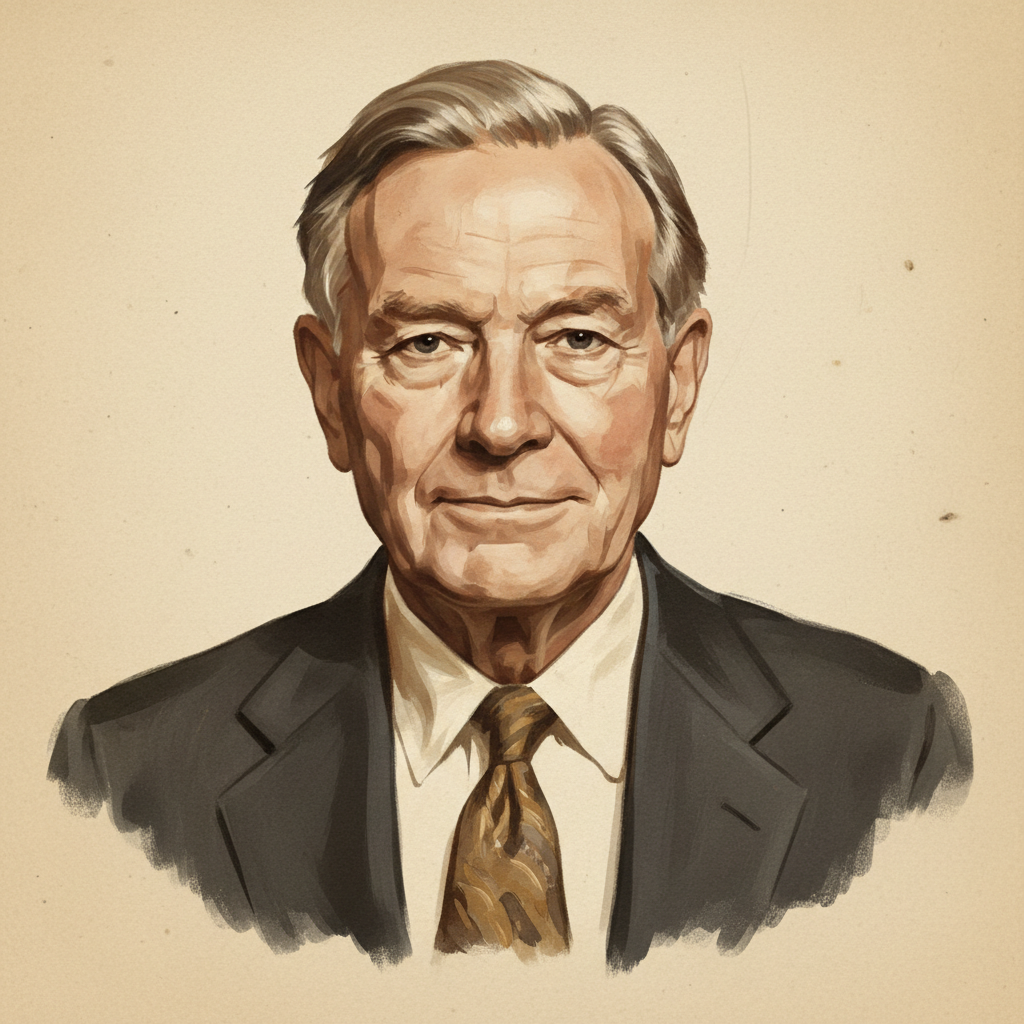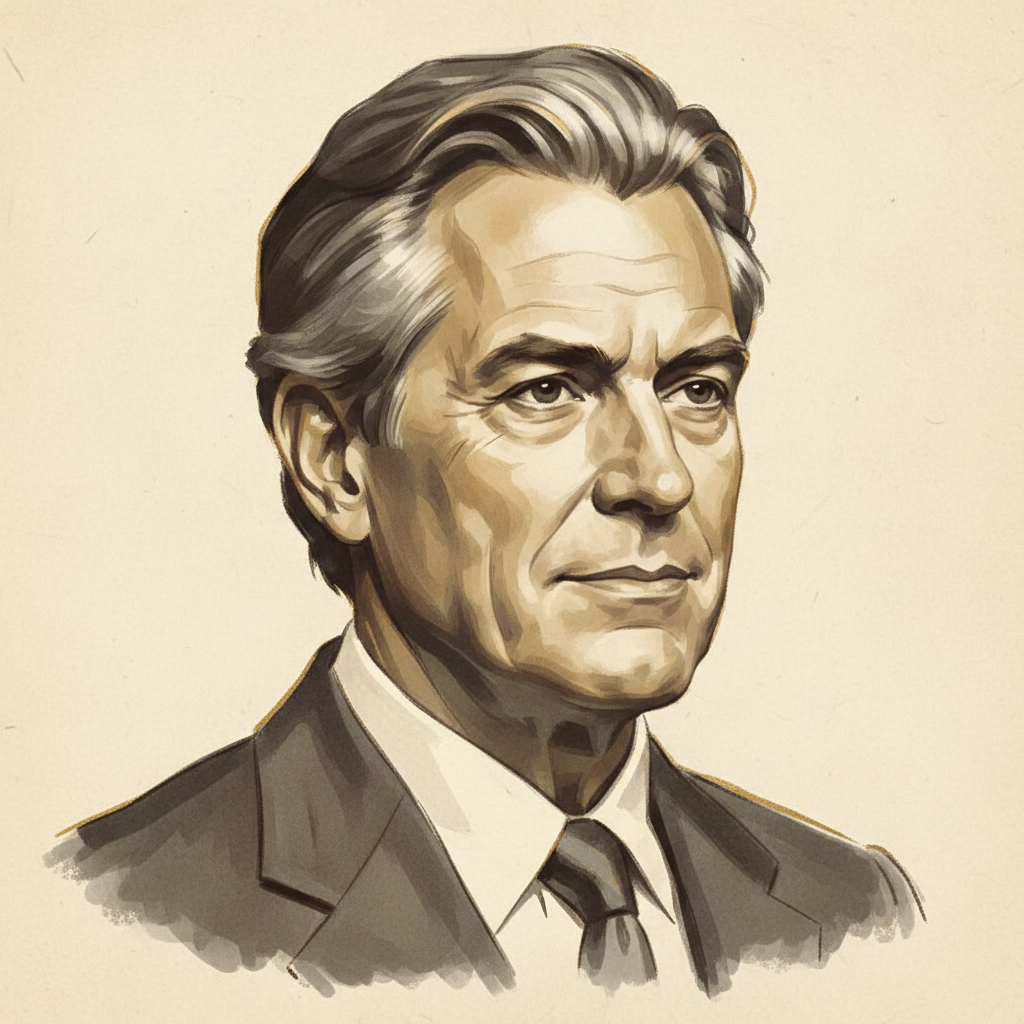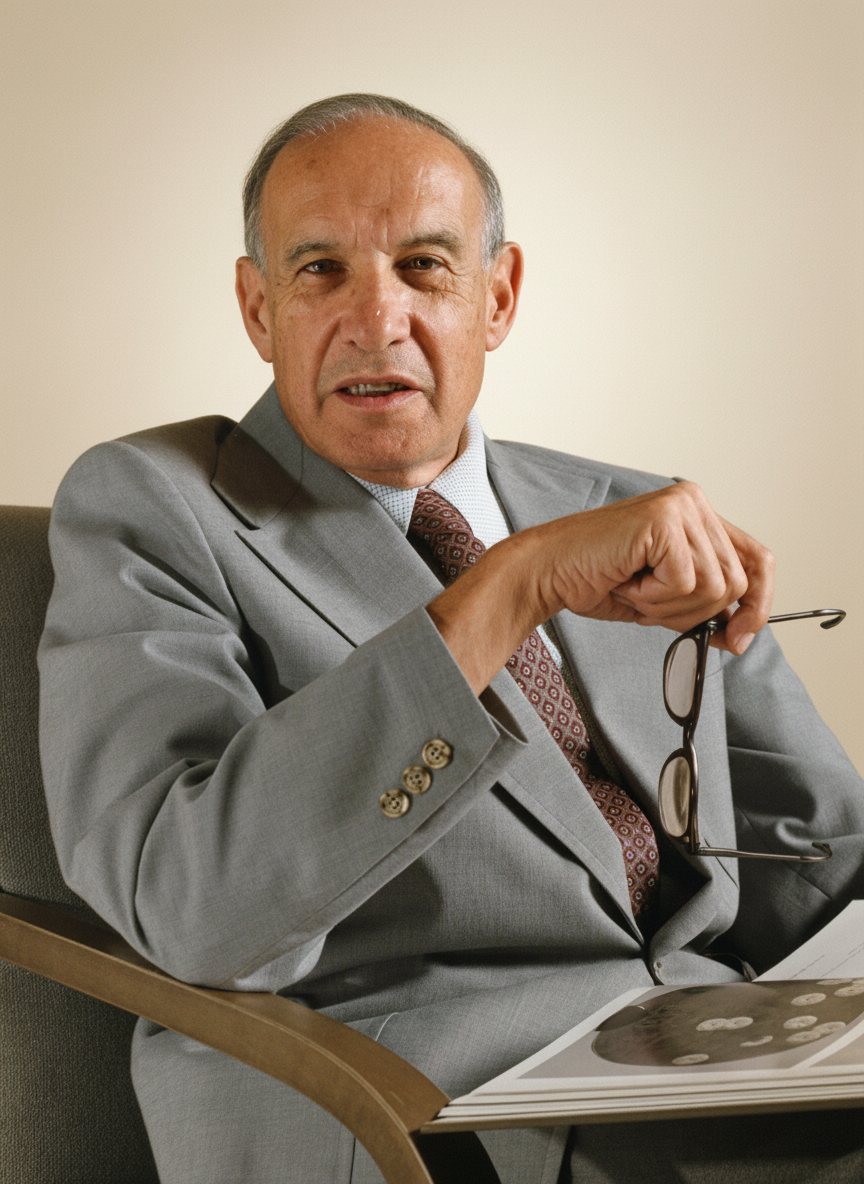
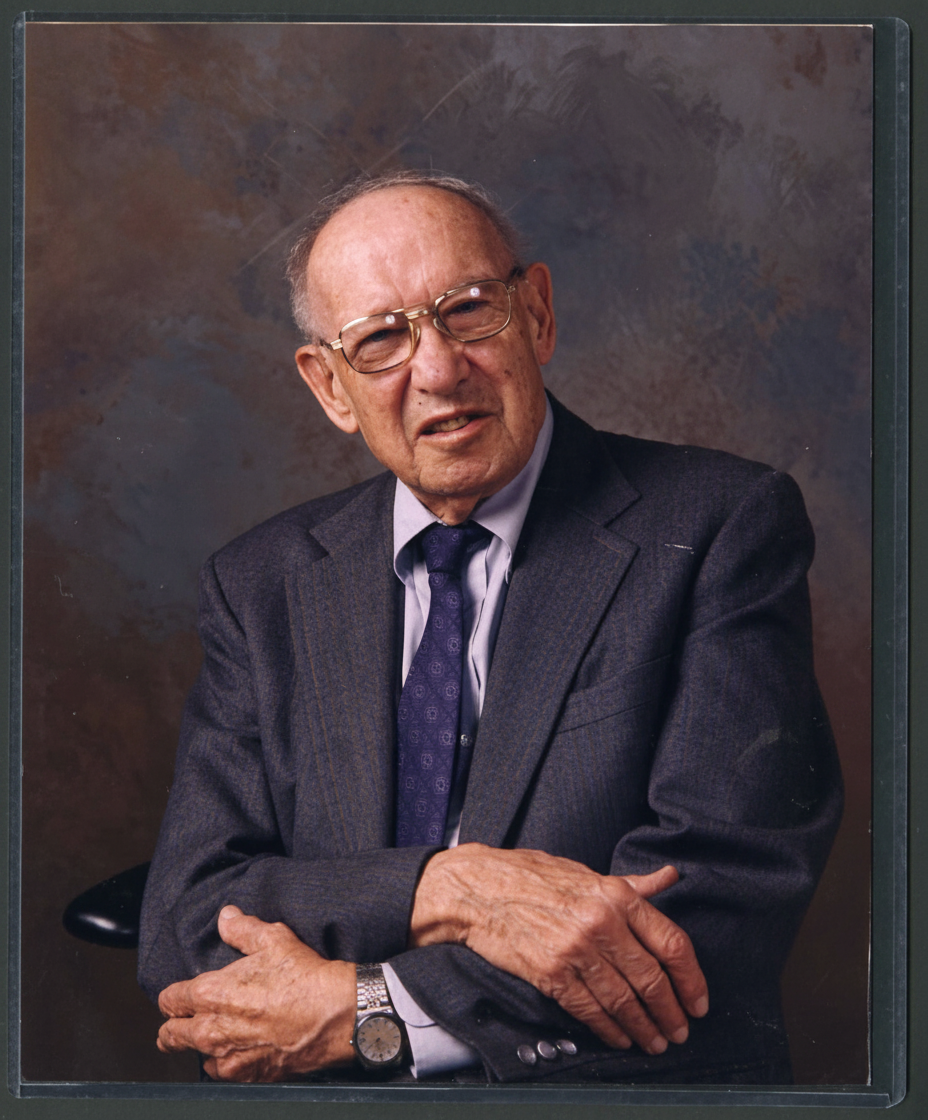
Portrait of Peter F. Drucker
Historical Mind · 1909 — 2005

Peter F. Drucker

The intellectual founder of modern management, Peter F. Drucker's theories transformed organizational strategy and practice.

Country
Austria-Hungary (later Austria, then USA)
Continent
Europe
Industry
Management Consulting, Academia, Journalism
Role
Management Theorist, Consultant, Educator, Author

Peter F. Drucker was an Austrian-born American management consultant, educator, and author whose writings contributed to the philosophical and practical foundations of the modern business corporation. He popularized concepts such as 'management by objectives,' 'knowledge worker,' and 'privatization,' profoundly influencing global corporate leadership.

Biography

Born in Vienna, Austria, in 1909, Peter Ferdinand Drucker was initially educated in economics and law, earning a doctorate in international law from the University of Frankfurt in 1931. His early career involved journalism and banking in London and Frankfurt. Fleeing Nazi Germany, Drucker emigrated to the United States in 1937, where he began a distinguished career as a professor, consultant, and prolific author. His initial foray into management theory began with his 1939 book, 'The End of Economic Man.' However, it was his 1946 seminal work, 'Concept of the Corporation,' based on a two-year study of General Motors (commissioned by Alfred Sloan), that established him as a leading figure in management thought. This work detailed GM's organizational structure and proposed a decentralized management model. Drucker later taught at New York University (1950-1971) and Claremont Graduate University (1971-2005), where the graduate school of management was named in his honor. Throughout his career, Drucker authored 39 books and countless articles, consistently challenging conventional wisdom and anticipating future trends in business and society. His influence extended to some of the world's largest corporations and numerous non-profit organizations, shaping leadership thinking and strategic planning for decades.

Accomplishments

  • 01Authored 'Concept of the Corporation' (1946), a foundational text in management, based on an unprecedented study of General Motors' internal workings.
  • 02Formulated the widely adopted management philosophy of Management by Objectives (MBO), first articulated in 'The Practice of Management' (1954).
  • 03Coined and popularized the term 'knowledge worker' and foresaw the shift towards a knowledge-based economy, detailed in 'The Age of Discontinuity' (1969).
  • 04Advocated for the importance of 'effectiveness' in management, particularly through his book 'The Effective Executive' (1967), focusing on individual productivity.
  • 05Provided strategic counsel to numerous corporations including General Electric (Jack Welch), IBM, Intel, and Procter & Gamble, influencing their organizational structures and leadership approaches.
  • 06Identified the critical need for non-profit organizations to adopt sound management principles, applying business rigor to the social sector.

Lessons for Operators

Prioritize organizational purpose: 'The ultimate test of management is performance.' Drucker argued that a clear and focused mission for the organization is paramount, with all activities ultimately serving that purpose. (Action: Regularly review and recalibrate your organization's mission and ensure every division's activities align directly with it.)
Focus on results, not just effort: 'There is nothing so useless as doing efficiently that which should not be done at all.' Effectiveness (doing the right things) precedes efficiency (doing things right). (Action: Implement MBO to ensure all efforts are directed towards measurable outcomes and periodically audit tasks for strategic relevance.)
Empower knowledge workers: 'The most important contribution management needs to make in the 21st century is to increase the productivity of knowledge work.' Recognizing and nurturing intellectual capital is key to competitive advantage. (Action: Invest in continuous learning and skill development for your workforce, design flatter organizational structures, and foster environments that encourage innovation and autonomy.)
Manage for the long term: Drucker stressed the critical balance between short-term profitability and long-term organizational health and innovation. (Action: Dedicate specific resources and allocate consistent time to R&D, market analysis, and strategic foresight, even during periods of financial constraint.)
Deconstruct and simplify: His work on General Motors highlighted the effectiveness of decentralization. Complex organizations can benefit from breaking down large problems into manageable units and empowering decision-making at lower levels. (Action: Audit decision-making processes for bottlenecks and consider delegating authority and responsibility closer to the action, fostering accountability in smaller, autonomous units.)
Innovation is systematic: 'Innovation is not genius; it is hard work.' Drucker viewed innovation not as a flash of brilliance but as a systematic discipline that can be learned and managed within an organization. (Action: Establish formal processes for idea generation, evaluation, and implementation, encouraging all employees to contribute to innovative solutions and providing resources for experimentation.)
The Operator's Playbook

Key Takeaways

Practical lessons distilled for operators, investors, C-levels, and capital allocators.

Lesson 01

Management is a Discipline

Drucker elevated management from an intuitive art to a learnable, systematic discipline with its own tools, techniques, and responsibilities. He emphasized that good management is not just about commanding but about enabling, measuring, and developing.

Lesson 02

The Purpose of a Business

He unequivocally stated that the primary purpose of a business is to create and keep a customer, and innovation and marketing are its two primary functions. Profit, while essential, is a condition for existence, not the ultimate goal.

Lesson 03

The Rise of the Knowledge Worker

Drucker presciently identified the 'knowledge worker' as the most valuable asset in the modern economy. He argued that managing these workers requires different approaches, focusing on autonomy, personal responsibility, and continuous learning.

Lesson 04

Effectiveness Over Efficiency

A core tenet: it's more important to do the right things (effectiveness) than simply to do things right (efficiency). Executives must focus on identifying the few critical areas where their efforts will make a significant difference.

Lesson 05

Decentralization and Responsibility

His study of General Motors highlighted the power of decentralized decision-making, where units operate with autonomy and clear accountability, fostering agility and responsiveness in complex organizations.

Lesson 06

The Holistic View of the Organization

Drucker consistently emphasized that organizations are complex social institutions, not merely economic machines. He considered the broader societal impact and ethical responsibilities of business alongside profitability.

Mental Models

Frameworks & Principles

Named frameworks and strategic principles they popularized or embodied.

01

Management by Objectives (MBO)

A management model that aims to improve organizational performance by defining objectives that are agreed to by both management and employees. These objectives are then used to guide individual tasks and measure performance.

When to useApplicable when seeking to align individual and team goals with overall organizational strategy, foster employee engagement, and establish a clear basis for performance evaluation. Ideal for organizations transitioning from top-down directives to more participatory management.

02

The Five Questions (of Management)

A framework for strategic planning, articulated as: 1. What is our mission? 2. Who is our customer? 3. What does the customer consider value? 4. What are our results? 5. What is our plan? This provides a comprehensive approach to defining an organization's purpose, market, value proposition, and future direction.

When to useEssential for strategic planning sessions, new venture formation, or re-evaluating existing business models. Particularly useful for leaders and boards seeking clarity on strategic direction and competitive positioning, or for non-profits clarifying their societal impact.

03

The Effective Executive's Five Habits

Drucker identified five practices crucial for executive effectiveness: 1. Knowing where your time goes. 2. Focusing on results, not effort. 3. Building on strengths (of self, subordinates, superior, and situations). 4. Concentrating on the few major areas where superior performance will produce outstanding results. 5. Making effective decisions.

When to useFor individual leaders and managers aiming to improve their personal productivity, decision-making, and contribution to the organization. Useful in leadership development programs and executive coaching to cultivate high-impact behaviors.

Citations

Sources & Further Reading

Profiles, interviews, podcasts, and articles used to compile and verify this entry. Each link opens at the original publisher.

Adjacent Minds

Explore Related Titans

Other figures in the archive who share Peter F. Drucker's domain, geography, or era.

Other

More in Other

Browse all →
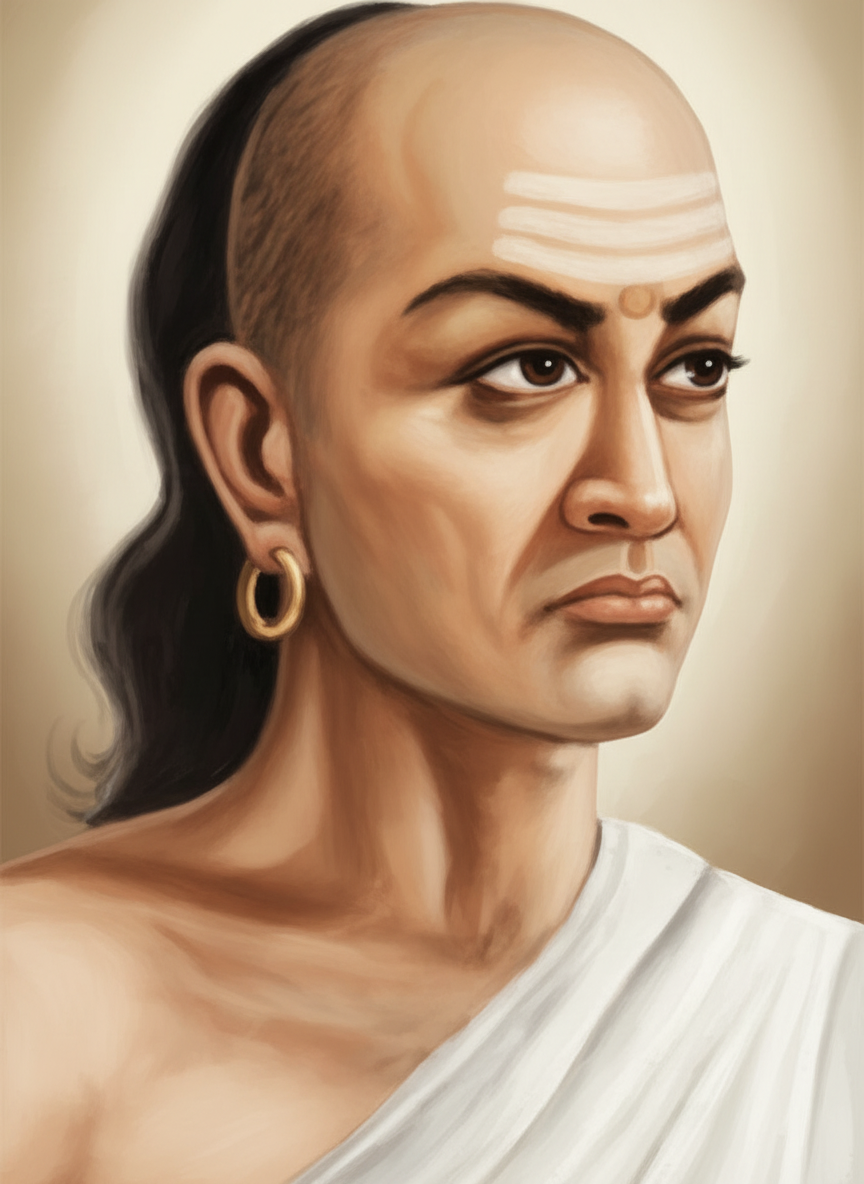
Portrait of Chanakya
INDIA / GOVERNMENT & PUBLIC POLICY, CONSULTING
Chanakya
The architect of unified India, master strategist, and foundational thinker in statecraft and economics.
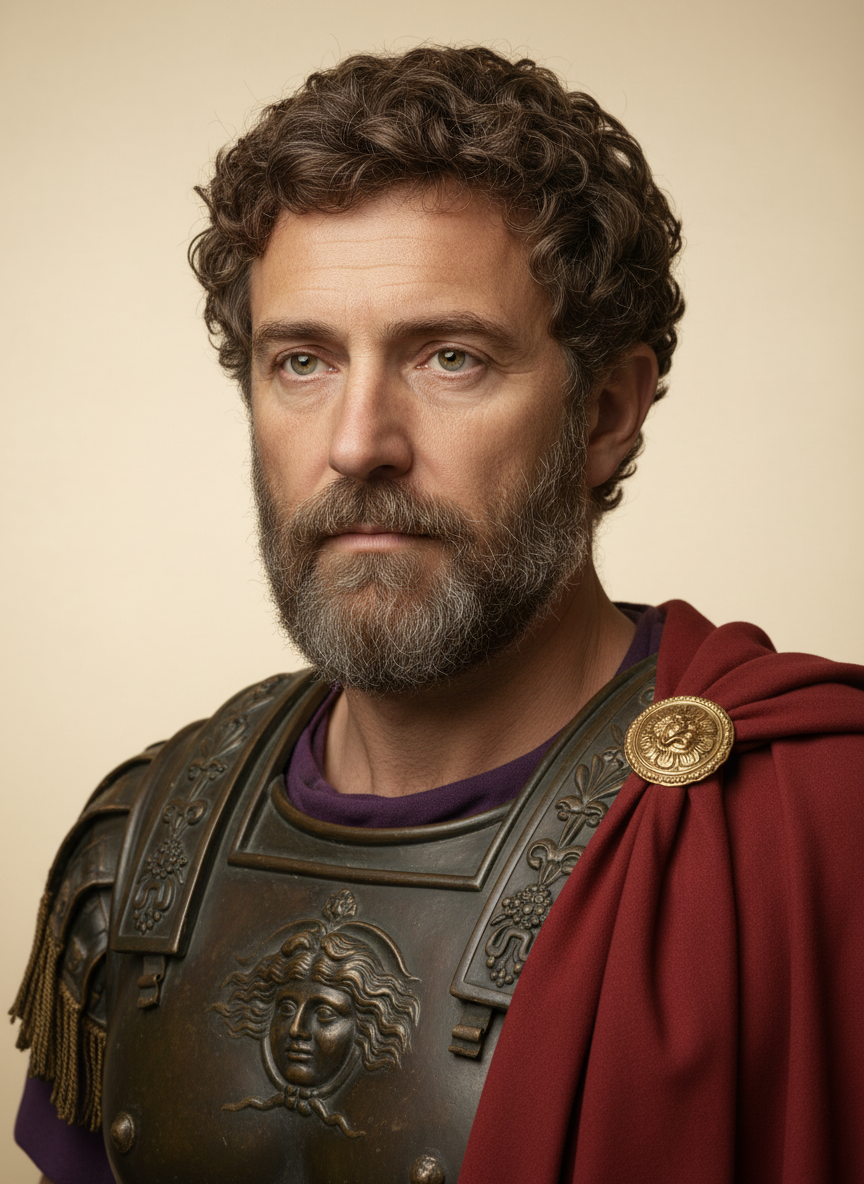
Portrait of Marcus Aurelius
ROMAN EMPIRE / GOVERNMENT
Marcus Aurelius
The Philosopher Emperor: A Stoic Leader Navigating Crisis and Empire.
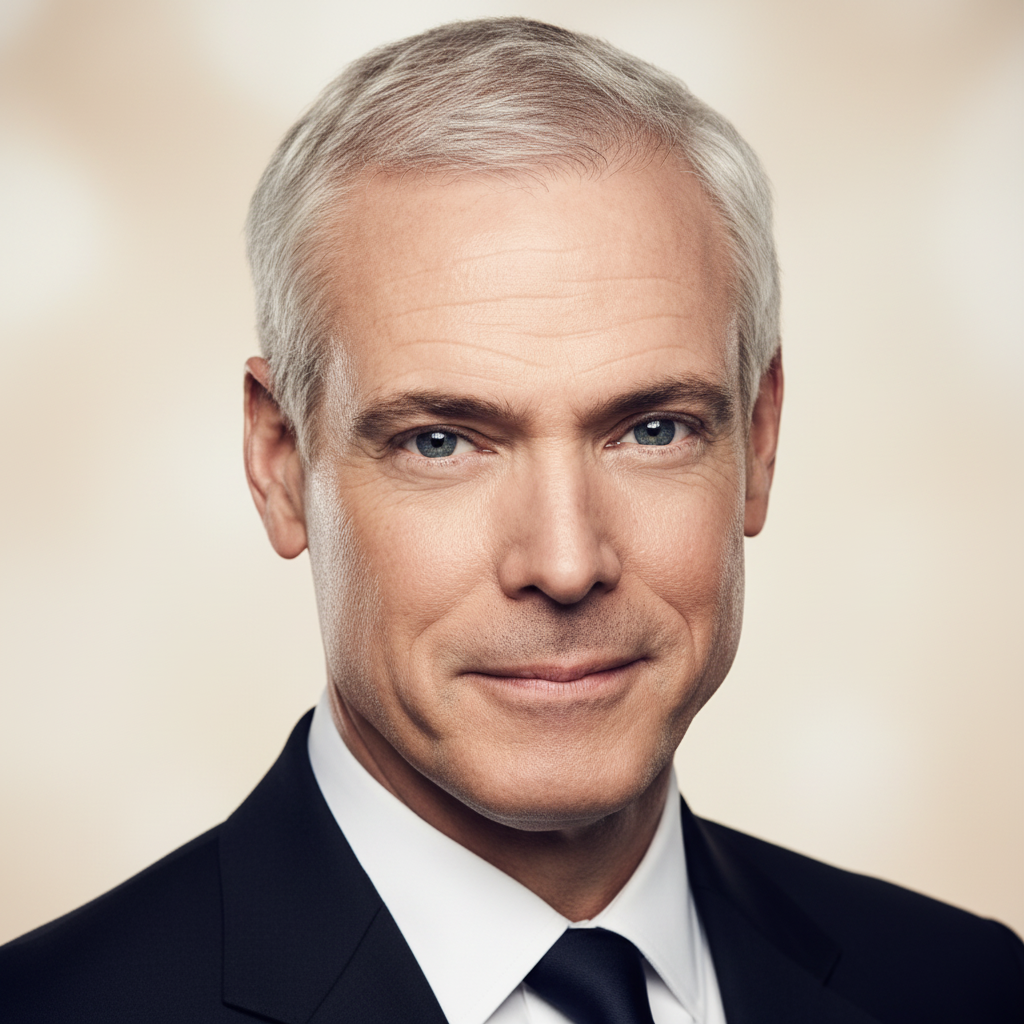
Portrait of Jim Collins
UNITED STATES / MANAGEMENT CONSULTING & RESEARCH
Jim Collins
Jim Collins is a seminal management researcher, author, and lecturer known for his rigorous, empirically-driven analysis of what makes great companies endure and excel.
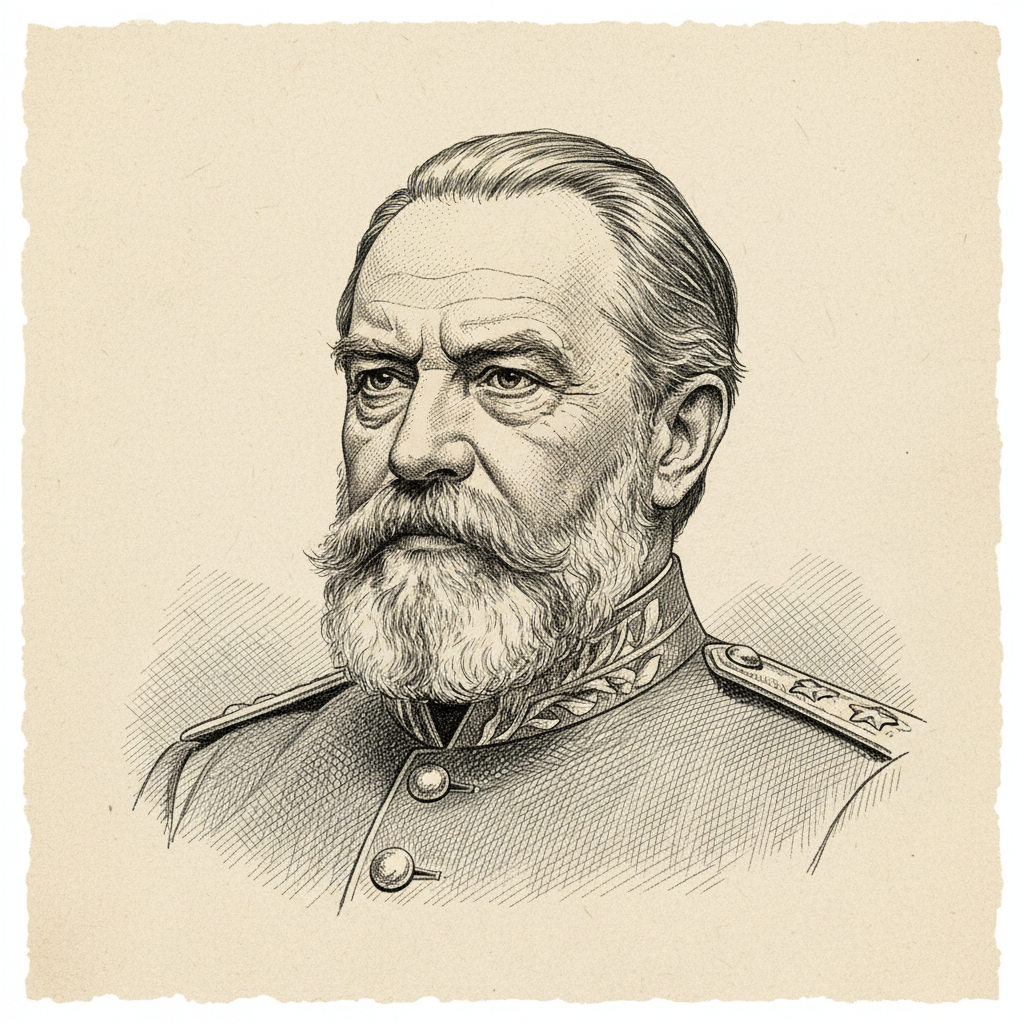
Portrait of Otto von Bismarck
GERMANY / NATION-BUILDING / STATECRAFT
Otto von Bismarck
The Iron Chancellor: Unifier of Germany through Realpolitik and Strategic Statecraft.
Portrait of Queen Victoria
UNITED KINGDOM / GOVERNMENT & EMPIRE MANAGEMENT
Queen Victoria
The enduring matriarch who presided over an era of unparalleled imperial expansion and industrial transformation.
Portrait of Joseph Schumpeter
AUSTRIA-HUNGARY (LATER AUSTRIA, THEN UNITED STATES CITIZENSHIP) / ECONOMICS
Joseph Schumpeter
The prophet of 'creative destruction' and the fundamental role of innovation in economic evolution.
Portrait of Houtan Homayounpour
FRANCE / PUBLIC POLICY & INTERNATIONAL DEVELOPMENT
Houtan Homayounpour
Architect of impactful labor policy and social justice initiatives across diverse international landscapes.
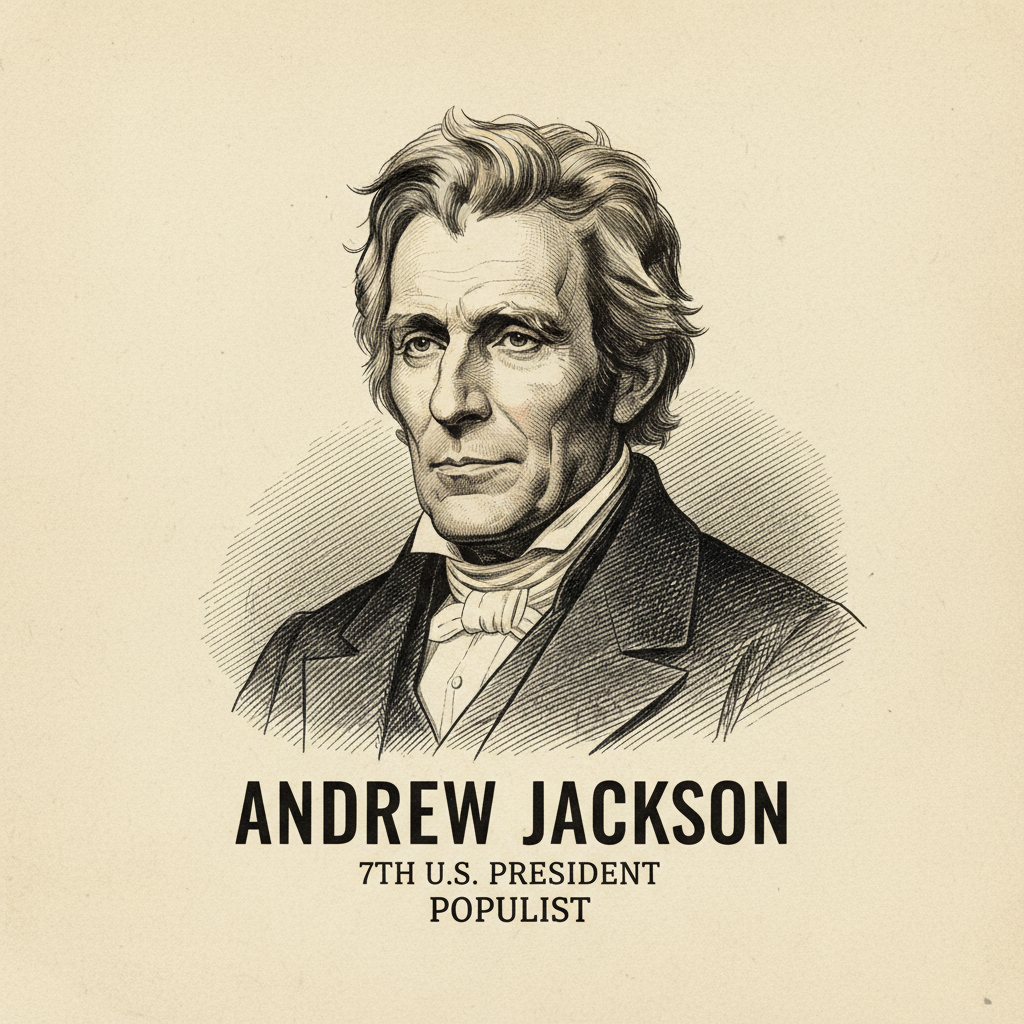
Portrait of Andrew Jackson
UNITED STATES / GOVERNMENT
Andrew Jackson
The architect of modern presidential power and a relentless executor of policy.
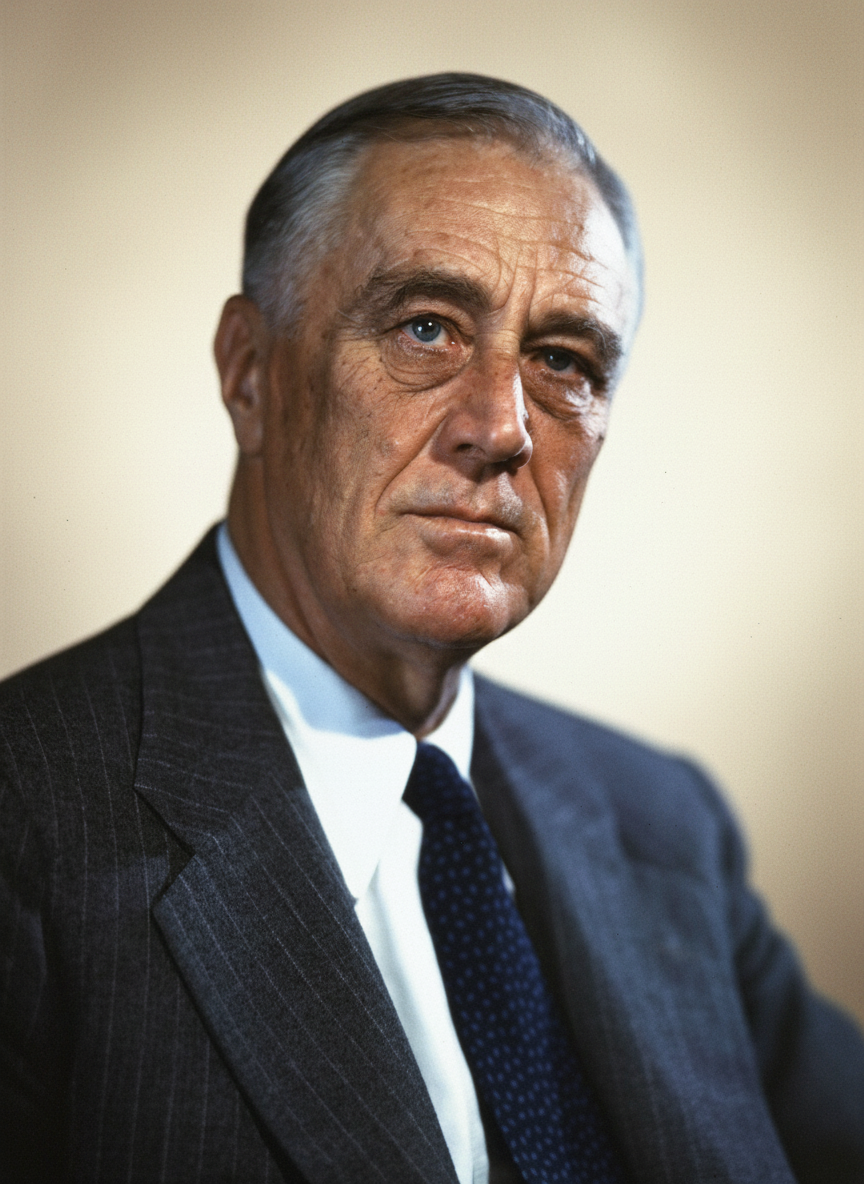
Portrait of Franklin D. Roosevelt
UNITED STATES / GOVERNMENT
Franklin D. Roosevelt
The architect of modern governmental intervention and a transformative wartime leader.
Portrait of Mikhail Gorbachev
SOVIET UNION / GOVERNMENT
Mikhail Gorbachev
The architect of Soviet reform and unintended dissolution.
Same Era

Contemporaries — 20th century
Browse all →
Portrait of Warren Buffett
UNITED STATES / INVESTING
Warren Buffett
The Oracle of Omaha: Architect of long-term value investing and compounding returns through disciplined acquisition and intrinsic value focus.
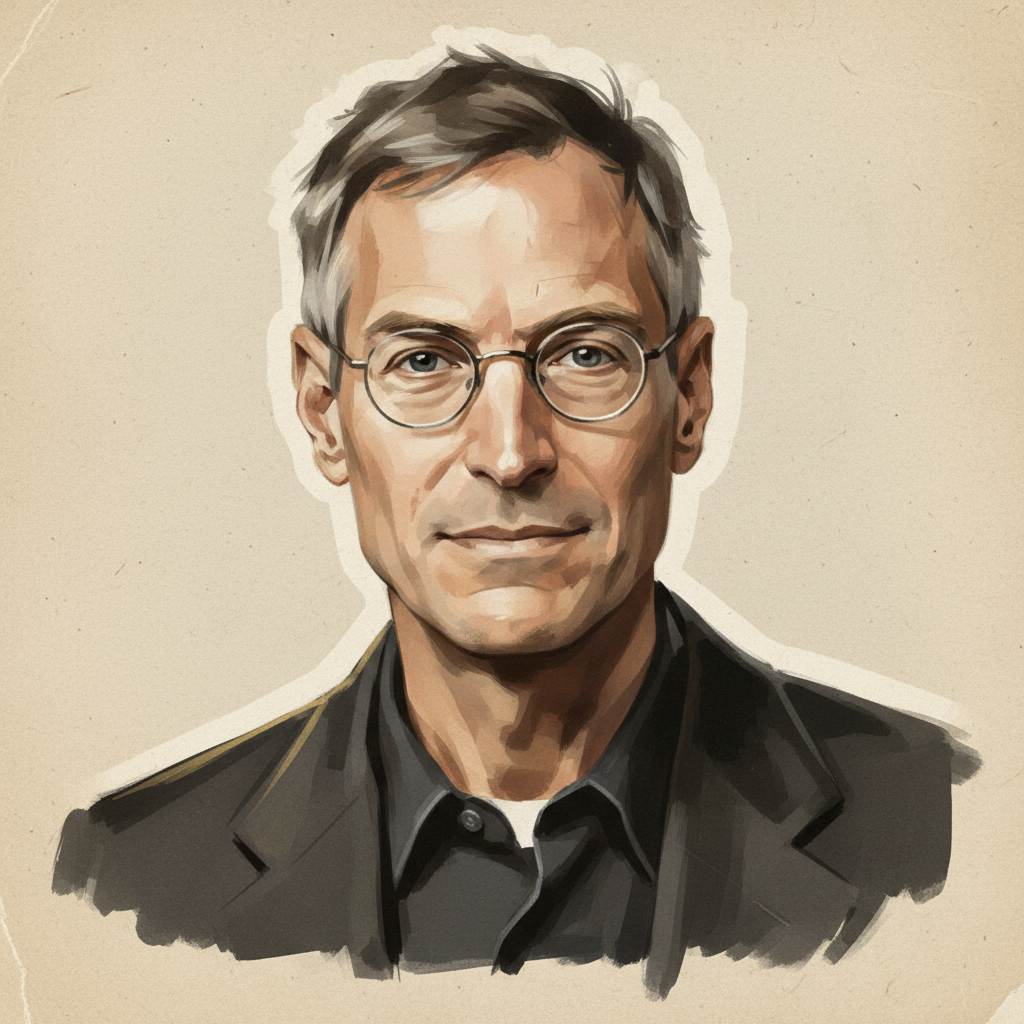
Portrait of Steve Jobs
USA / TECHNOLOGY
Steve Jobs
Co-founder of Apple Inc. and visionary credited with transforming multiple industries.
Portrait of Jeff Bezos
UNITED STATES / TECHNOLOGY, RETAIL, LOGISTICS, CLOUD COMPUTING, SPACE EXPLORATION
Jeff Bezos
Founder of Amazon, orchestrator of an e-commerce and cloud computing empire, and pioneer in space exploration.
Portrait of Elon Musk
SOUTH AFRICA / AEROSPACE, AUTOMOTIVE, ARTIFICIAL INTELLIGENCE, ENERGY, TELECOMMUNICATIONS
Elon Musk
Elon Reeve Musk: Visionary entrepreneur leading advancements in aerospace, automotive, and artificial intelligence.
Portrait of Jensen Huang
TAIWAN (NATURALIZED AMERICAN CITIZEN) / SEMICONDUCTORS, ARTIFICIAL INTELLIGENCE, COMPUTING
Jensen Huang
Co-founder, President, and CEO of NVIDIA, a pioneering force in graphics processing units (GPUs) and artificial intelligence.
Portrait of Charlie Munger
USA / DIVERSIFIED HOLDINGS, INVESTMENT MANAGEMENT
Charlie Munger
The architect of modern value investing at Berkshire Hathaway, known for his multidisciplinary approach and acerbic wit.
Portrait of Bill Gates
UNITED STATES / SOFTWARE, TECHNOLOGY, PHILANTHROPY
Bill Gates
Co-founder of Microsoft, architect of the personal computing revolution, and global philanthropist.
Portrait of Satya Nadella
INDIA / TECHNOLOGY
Satya Nadella
The architect of Microsoft's cloud-first, AI-centric transformation and culture revival.
Portrait of Sam Walton
UNITED STATES / RETAIL
Sam Walton
The architect of modern retail, pioneering discount merchandising and logistical efficiency to establish the world's largest retail corporation.
Portrait of Mark Cuban
UNITED STATES / TECHNOLOGY, MEDIA, SPORTS, HEALTHCARE
Mark Cuban
Mark Cuban: The Prolific Disrupter – From Software Startups to Sports Franchises and Pharmaceutical Innovation, Leveraging Technology and Direct-to-Consumer Models.