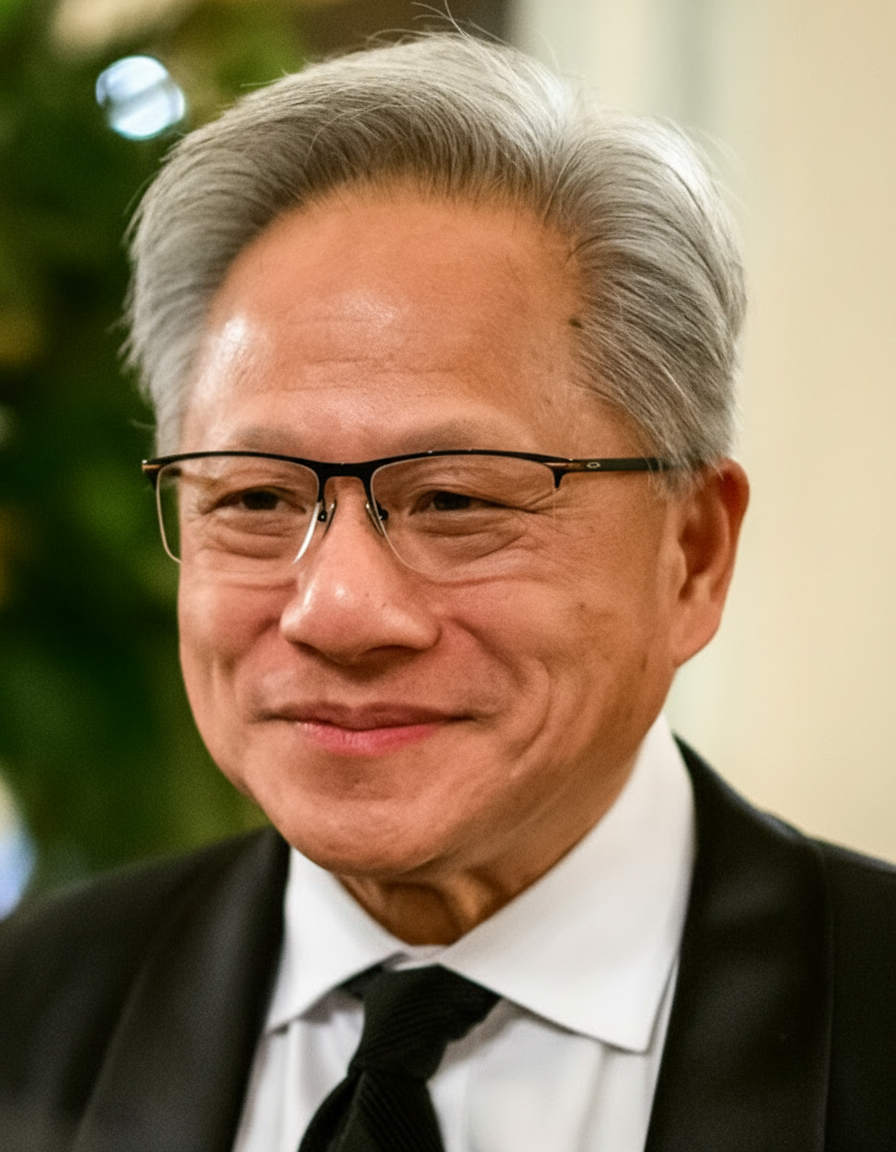
Joseph Juran
Architect of Modern Quality Management: Joseph M. Juran's methodologies transformed manufacturing and service industries globally.
Joseph M. Juran was a seminal figure in quality management, originating concepts like the 'Quality Trilogy' and advocating for strategic, pervasive quality improvement. His work was instrumental in post-WWII Japanese industrial recovery and global competitiveness.
Biography
Accomplishments
- 01Published 'Quality Control Handbook' in 1951, a foundational text in quality management, continuously updated and globally recognized.
- 02Pioneered the Juran Trilogy (Quality Planning, Quality Control, Quality Improvement) Framework, providing a comprehensive structure for managing quality which was widely adopted.
- 03Conducted groundbreaking lectures and consulting engagements in Japan starting in 1954, significantly contributing to the revitalization and global competitive advantage of Japanese industries post-WWII.
- 04Founded the Juran Institute in 1979, creating a global platform for the dissemination and practical application of his quality management principles, impacting numerous corporations worldwide.
- 05Formulated the concept of 'Cost of Quality', enabling organizations to quantify the economic impact of quality failures and successful quality initiatives.
- 06Advocated for the 'breakthrough sequence' for quality improvement, detailing a structured approach for achieving significant quality gains beyond incremental improvements.
Lessons for Operators
Key Takeaways
Practical lessons distilled for operators, investors, C-levels, and capital allocators.
Top-Down Quality Mandate
Juran asserted that 80% of quality problems are management-controllable. Leadership must own quality, set objectives, and allocate resources, moving it from a departmental task to a strategic imperative. For operators, this means understanding their role in delivering on management's quality vision. For investors, it signals robust management foresight and reduced downside risk from product/service failures. C-levels must integrate quality into strategic planning, not delegate it as an afterthought.
Economic Imperative of Quality
Quantify the 'Cost of Quality' (CoQ) — prevention, appraisal, internal failure, and external failure costs. Juran demonstrated that higher quality reduces waste and rework, improves customer satisfaction, and boosts profitability. Operators should track their CoQ components. Investors should scrutinize companies' CoQ metrics as a proxy for operational efficiency. C-levels and fund managers must view quality investments as returns-generating assets rather than expenses.
Structured Improvement Projects
Quality improvement isn't vague; it's specific, project-based work with defined goals, timelines, and measurable outcomes. Juran's 'breakthrough sequence' provides a roadmap. For operators, this means participating in cross-functional project teams. Investors should look for organizations with clear quality project portfolios. C-levels should establish a structured project selection process, ensuring resource allocation aligns with strategic quality goals. Fund managers can assess an enterprise's capability for systematic, sustained improvement.
Process Control and Stability
The 'Quality Control' arm of the Juran Trilogy emphasizes maintaining process stability once quality targets are met. This involves ongoing monitoring, feedback loops, and corrective actions to prevent deviations. Operators are key to this daily vigilance. Investors benefit from the reliability and predictability of stable processes, signaling consistent output. C-levels must ensure robust process control systems are in place, minimizing variance and assuring consistent customer experience.
Universal Applicability
Juran's principles, while rooted in manufacturing, are universally applicable to services, healthcare, and administrative processes. The distinction between a 'product' and a 'service' becomes irrelevant; quality is about meeting customer needs and minimizing defects in any output. Operators should apply quality thinking to their specific tasks. Investors should seek companies that embed quality principles across all departments. Enterprise leaders must champion quality as an organization-wide cultural norm, not just a production-line concern.
Frameworks & Principles
Named frameworks and strategic principles they popularized or embodied.
The Juran Trilogy (QIP, QIC, QII)
Comprises Quality Planning (designing processes to meet objectives), Quality Control (monitoring process performance and taking corrective action), and Quality Improvement (breaking through current performance levels to achieve unprecedented results). It's a structured approach to managing quality from concept to continuous enhancement.
When to useApplicable at all stages of product/service lifecycle and for overall organizational quality strategy. Use Quality Planning for new product/process development. Use Quality Control for daily operations and process maintenance. Use Quality Improvement for addressing chronic problems and achieving step-change performance gains.
Cost of Quality (CoQ) Analysis
Categorizes quality-related costs into four groups: Prevention costs (investments to prevent defects), Appraisal costs (costs of inspecting and testing), Internal Failure costs (costs of defects before delivery), and External Failure costs (costs of defects after delivery). Provides a financial perspective on quality.
When to useUtilize to justify investments in quality improvement, identify hidden costs of poor quality, and demonstrate the financial benefits of prevention. Essential for C-levels and finance managers to make data-driven decisions on quality initiatives.
The Breakthrough Sequence
A structured, project-oriented methodology for achieving significant, unprecedented quality improvement. It involves: 1) Proof of Need, 2) Project Identification, 3) Organizing for Breakthrough, 4) Diagnosis, 5) Remedial Action, and 6) Holding the Gains. It moves beyond incremental improvements.
When to useEmploy when facing chronic, significant quality problems that require a systematic and substantial improvement. Ideal for cross-functional teams tackling complex issues that have resisted conventional solutions.
Sources & Further Reading
Profiles, interviews, podcasts, and articles used to compile and verify this entry. Each link opens at the original publisher.
Explore Related Titans
Other figures in the archive who share Joseph Juran's domain, geography, or era.
More in Other








Contemporaries — 20th century