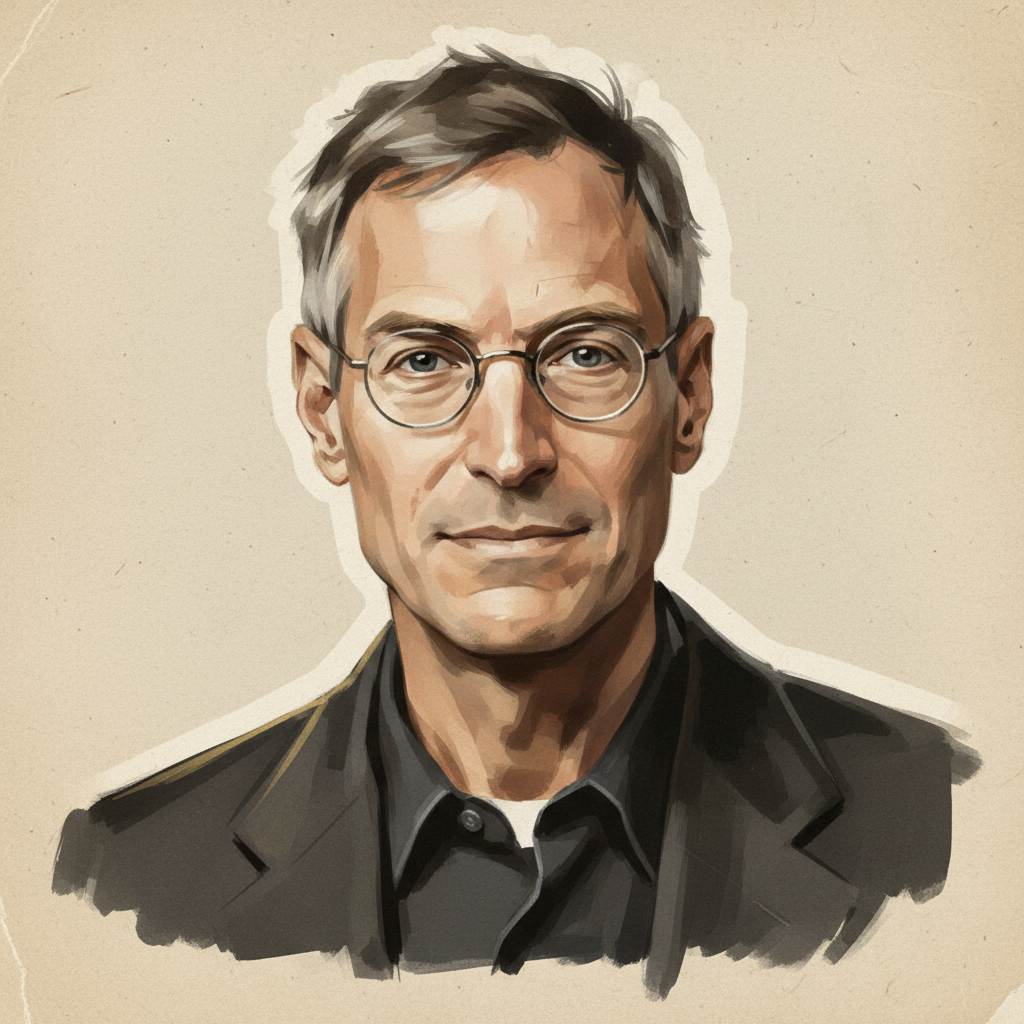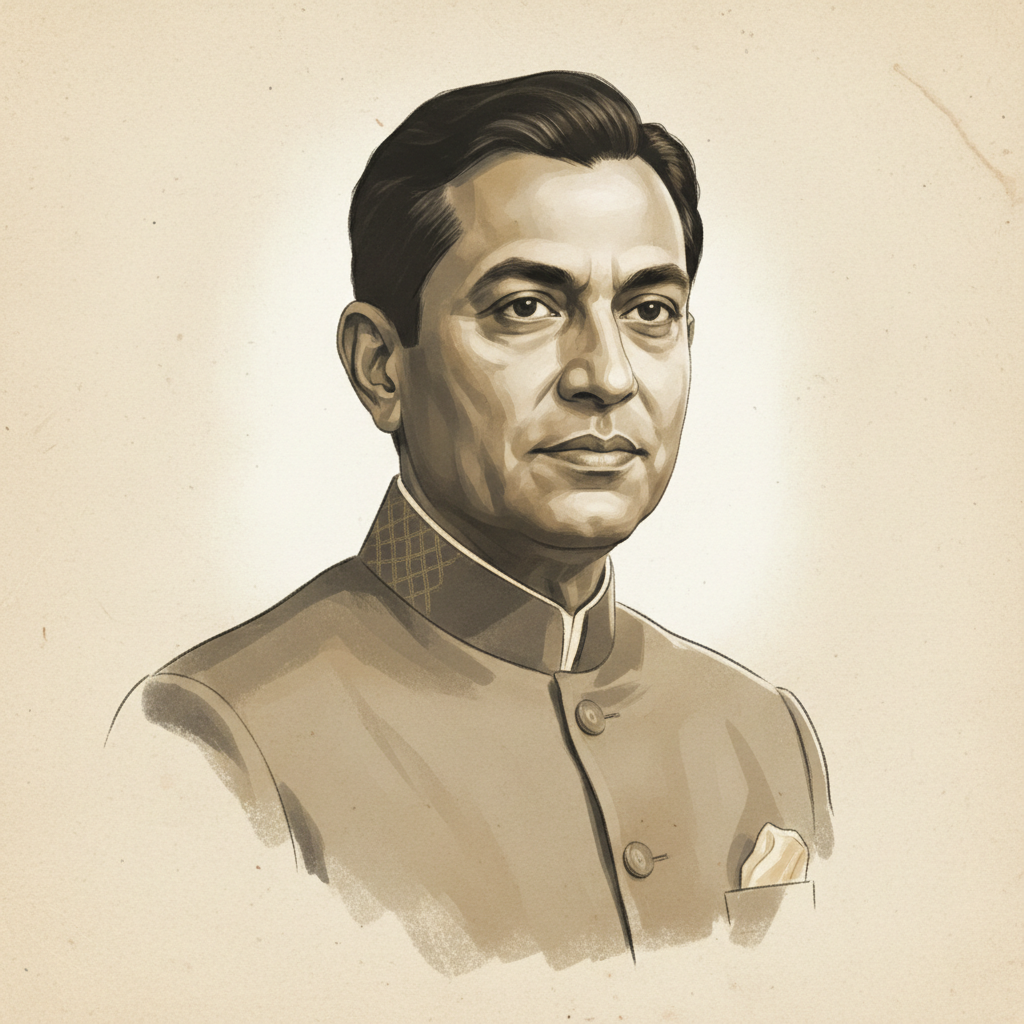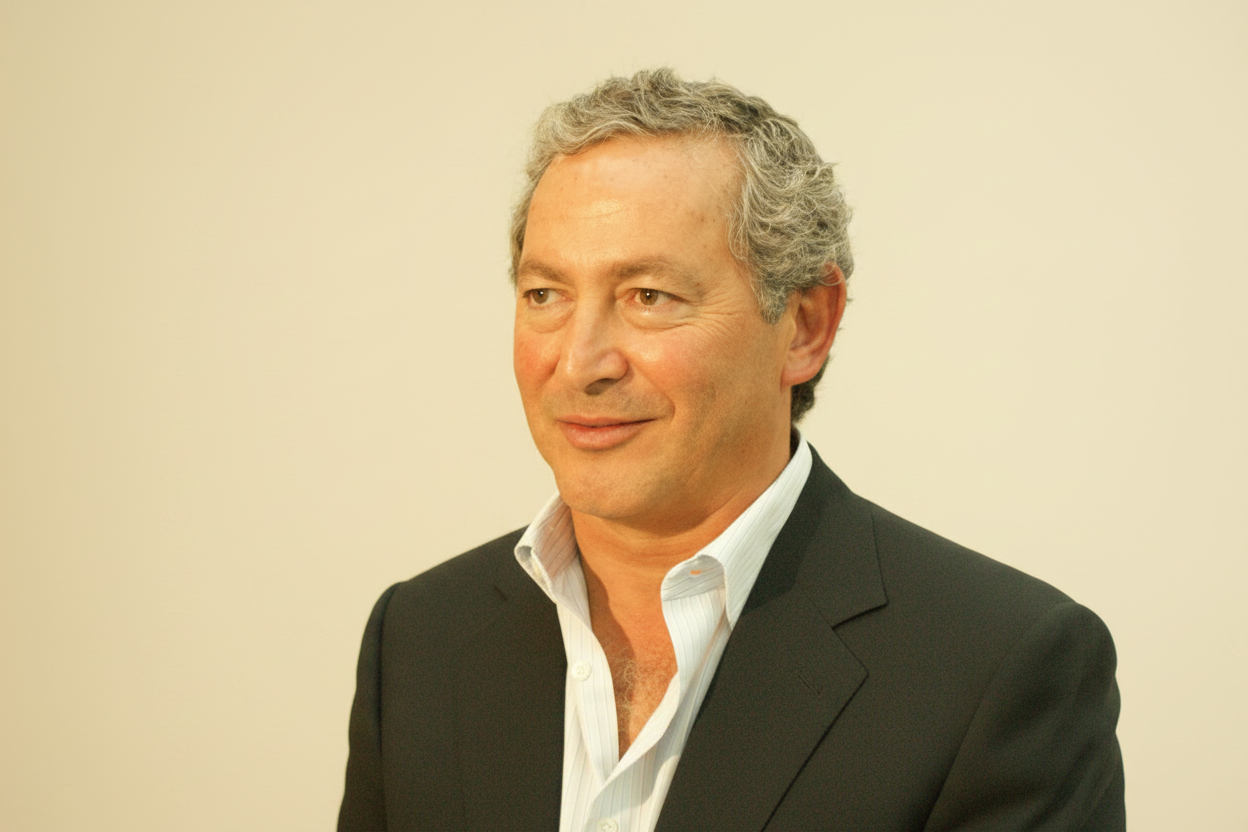
Samih Sawiris
Samih Sawiris: Visionary orchestrator of integrated leisure and real estate ecosystems across challenging geographies.
Samih Sawiris is an Egyptian entrepreneur and scion of the influential Sawiris family, best known for founding Orascom Development Holding (ODH). He has pioneered large-scale, fully integrated resorts and towns in emerging markets, distinguished by their comprehensive infrastructure, diverse leisure offerings, and sustainable models. His ventures span Europe, the Middle East, and North Africa.
Biography
Accomplishments
- 01Founded Orascom Development Holding (ODH) in 1996, growing it into a multinational developer of integrated towns and resorts.
- 02Pioneered the development of El Gouna, Egypt, from barren desert into a self-sustaining town of 36.9 million sqm, demonstrating long-term value creation and integrated infrastructure planning.
- 03Successfully undertook the complex and large-scale redevelopment of Andermatt Swiss Alps in Switzerland, transforming a former military site into a premier luxury destination with a CHF 1.1 billion initial investment.
- 04Expanded ODH's operational reach to Montenegro (Lustica Bay), Oman (Hawana Salalah), and other international markets, diversifying its asset base and risk profile.
- 05Orchestrated significant capital raises and partnerships, including strategic alliances for financing complex multi-decade development projects.
- 06Maintained and evolved a business model focused on creating economic ecosystems, not just standalone properties, fostering sustainable communities and recurring revenue streams.
Lessons for Operators
Key Takeaways
Practical lessons distilled for operators, investors, C-levels, and capital allocators.
Integrated Development for Value Creation
Creating holistic destinations, rather than isolated properties, generates synergistic value. By controlling and developing all components—residential, commercial, hospitality, and infrastructure—developers can shape the user experience, capture more value across the ecosystem, and foster greater community engagement. This reduces reliance on external services and enhances long-term asset appreciation.
Patience Capital for Transformative Projects
Large-scale, transformative developments in challenging or undeveloped regions demand access to 'patience capital'—funding that can endure long payback periods and significant upfront investment before reaching profitability. Investors and operators must align on multi-decade horizons and phased development strategies to realize the full potential of such ventures.
The Power of Destination Branding and Management
Beyond constructing buildings, Sawiris demonstrates the importance of actively managing and branding an entire destination. This includes curating events, ensuring high-quality services, and fostering a unique identity (e.g., 'Venice of the Red Sea' for El Gouna). Strong destination management ensures sustained interest, recurring tourism, and higher occupancy rates.
Mastering Greenfield Development Challenges
Developing in 'greenfield' areas often requires not just construction but also public-private partnerships for essential services, skilled labor development, and navigating complex regulatory frameworks. Success hinges on a robust internal capacity for planning, execution, and long-term operational management of municipal-level services.
Sustainable Growth Through Self-Sufficiency
Embedding self-sufficiency (e.g., power generation, water treatment, educational facilities) into development plans not only enhances project resilience but also provides a competitive advantage. This reduces operational costs, insulates projects from external infrastructure weaknesses, and appeals to a market segment valuing comprehensive, high-quality environments.
Frameworks & Principles
Named frameworks and strategic principles they popularized or embodied.
Integrated Destination Development Model
This framework involves the simultaneous planning and execution of residential, commercial, hospitality, leisure (marinas, golf courses), and essential public infrastructure (schools, hospitals, utilities) within a single, master-planned area. The goal is to create a self-sustaining economic and social ecosystem.
When to useApplicable for developers aiming to create new towns or large-scale resorts in underdeveloped or remote locations where existing infrastructure is insufficient. Ideal for projects seeking to capture the full economic value chain from land acquisition to long-term asset management and recurring revenue streams.
Patience Capital Allocation Strategy
A financial strategy emphasizing the deployment of capital for projects with long development cycles (15+ years) and high upfront investment before significant returns are realized. It relies on a deep understanding of market fundamentals and a commitment to phased, value-accretive growth rather than immediate profit realization.
When to useRelevant for investors and developers engaging in transformative, large-scale projects (e.g., urban regeneration, new city development, substantial resort building) requiring extensive infrastructure and facing initial low returns. It contrasts with standard private equity models focused on shorter hold periods.
Geographic Diversification & Risk Spreading
A strategic approach to mitigating regional political, economic, or market-specific risks by developing projects across multiple, diverse geographic locations. This prevents over-reliance on a single market's stability or growth trajectory.
When to useCritical for multinational development firms operating in emerging markets or regions prone to political instability, currency fluctuations, or sector-specific downturns. It allows for a more stable overall portfolio performance.
Explore Related Titans
Other figures in the archive who share Samih Sawiris's domain, geography, or era.
More in Healthcare & Biotech
From Egypt
Contemporaries — born 1950s