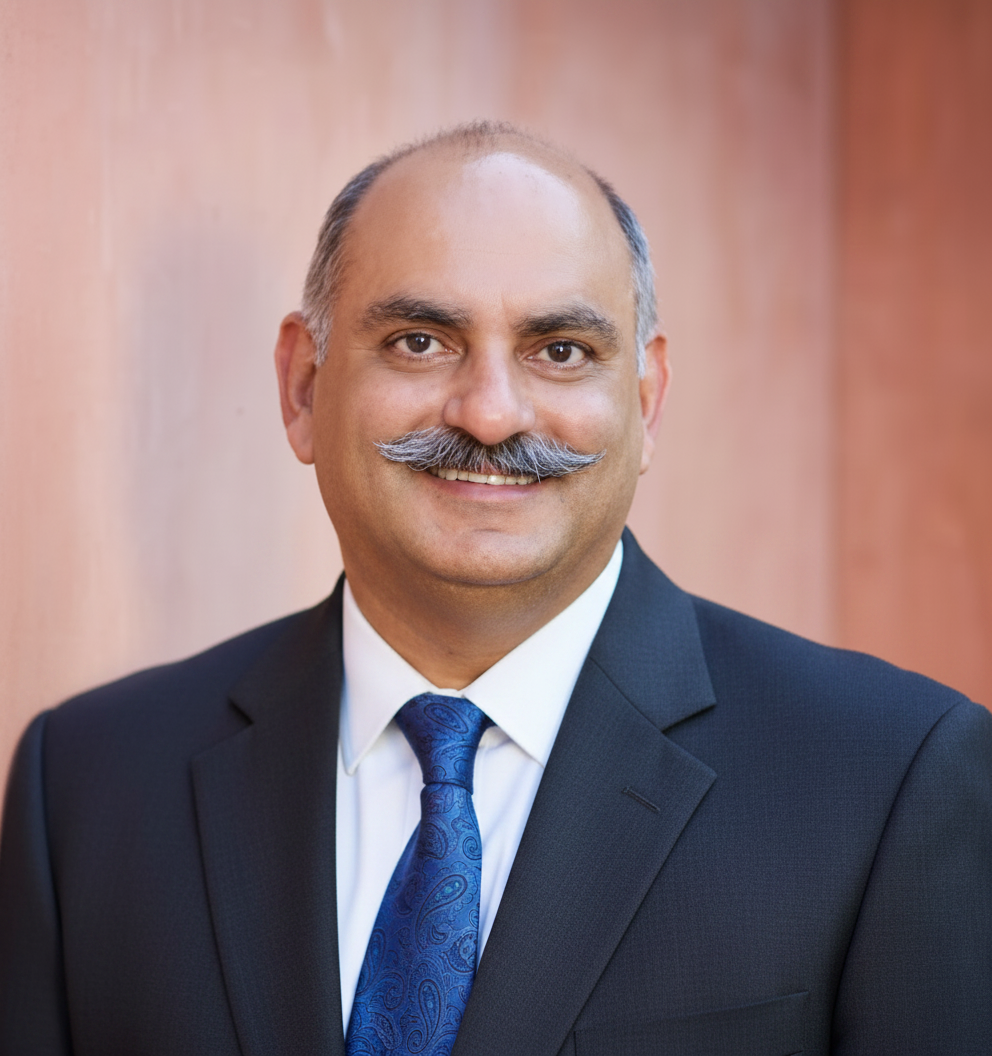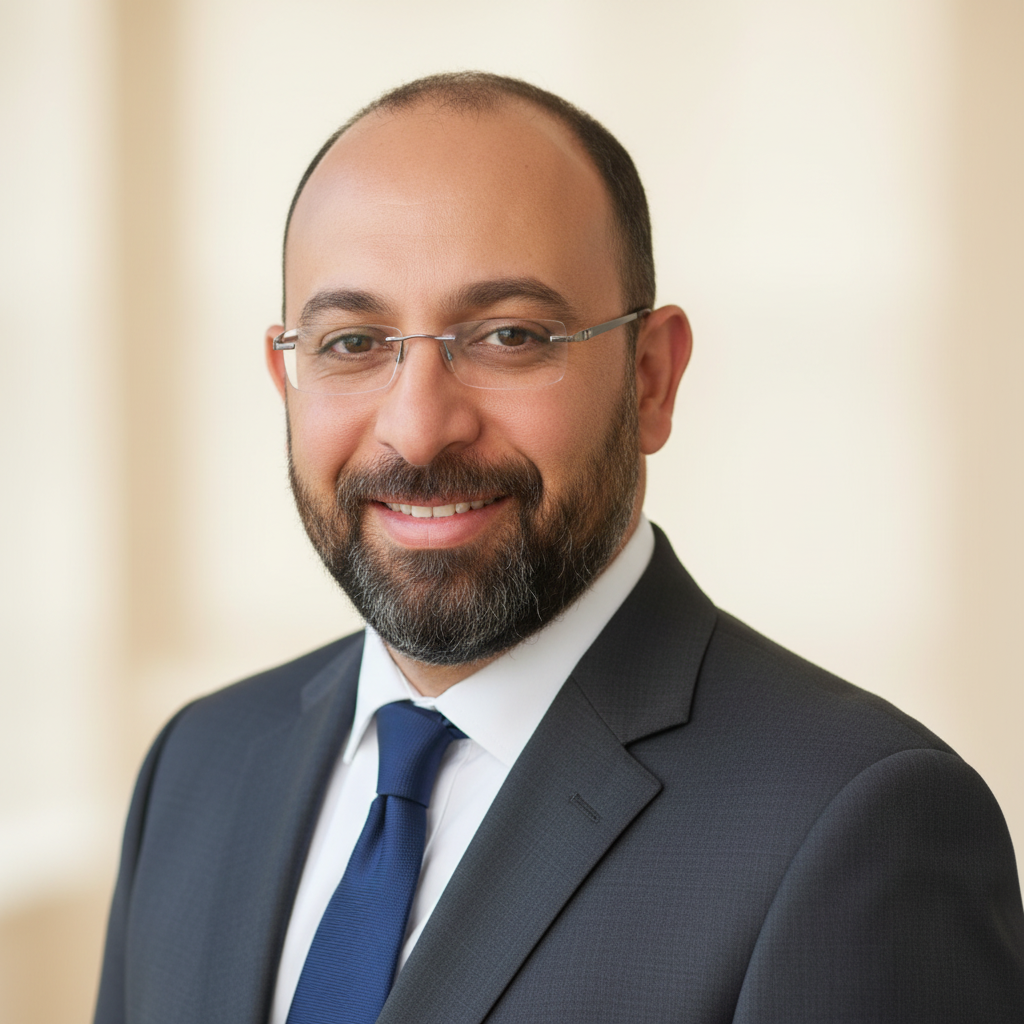
Maged Kamel
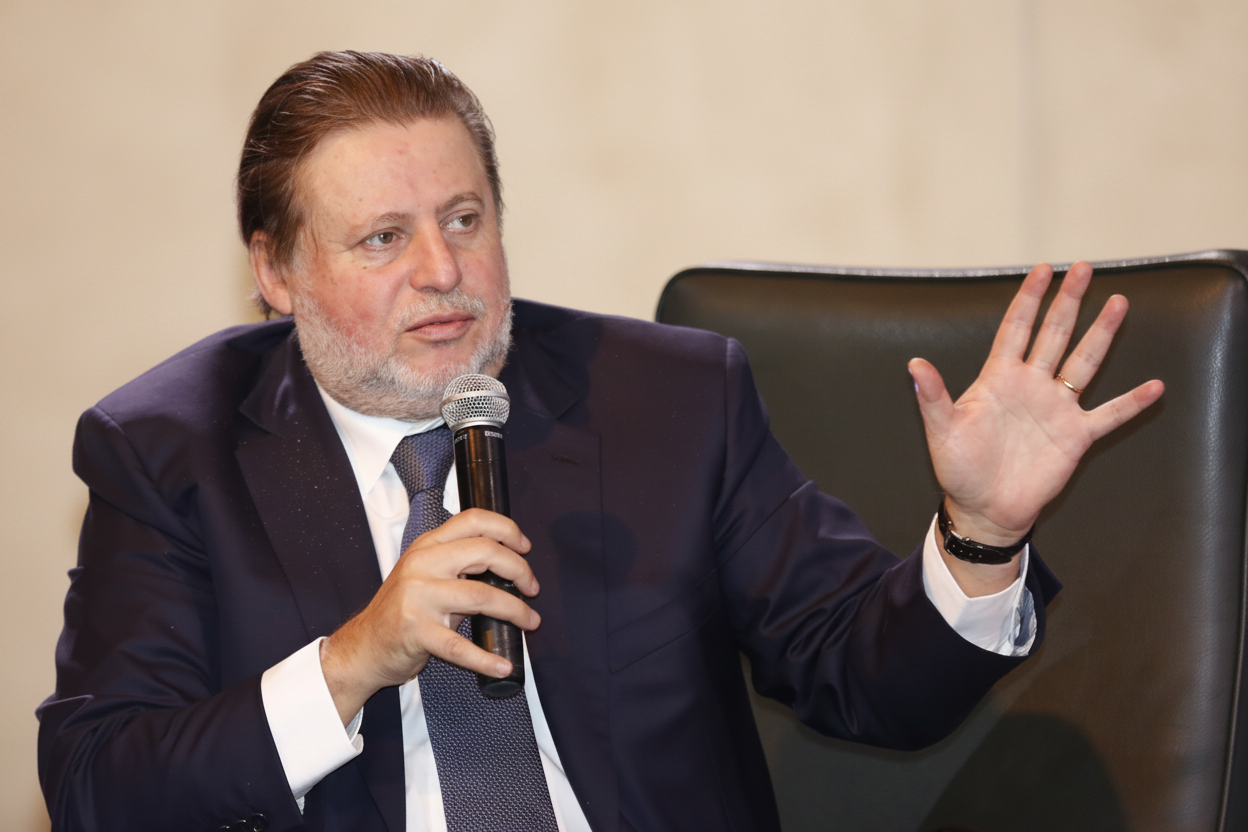
Maged Kamel: A visionary in Egyptian real estate, pioneering diverse, integrated developments.
Maged Kamel is a prominent Egyptian real estate developer, best known for his leadership at Misr Italia Properties. He has steered the company through significant growth, focusing on large-scale, mixed-use communities and diversifying its portfolio across residential, commercial, and hospitality sectors. Kamel's strategic vision emphasizes integrated living experiences and sustainable development in Egypt's burgeoning real estate market.
Biography
Accomplishments
- 01Led Misr Italia Properties (MIP) as CEO and Chairman, significantly expanding its market share and project portfolio in Egypt.
- 02Oversaw the development of 'Il Bosco City' in Mostakbal City, New Cairo, a multi-billion Egyptian Pound mixed-use community project.
- 03Successfully diversified MIP's portfolio to include residential, commercial (e.g., Cairo Business Park, Garden 8), and hospitality sectors.
- 04Pioneered the concept of integrated, self-sufficient communities in Egypt, emphasizing a holistic lifestyle with amenities and services.
- 05Navigated MIP through challenging economic cycles in Egypt, maintaining robust growth and project delivery schedules.
Lessons for Operators
Key Takeaways
Practical lessons distilled for operators, investors, C-levels, and capital allocators.
Integrated Development as a De-risking Strategy
Developing mixed-use projects (residential, commercial, retail, hospitality) within a single master plan creates symbiotic relationships between components, increasing intrinsic value and reducing reliance on a single market segment. This strategy spreads market risk and enhances project appeal.
The Power of Early Land Acquisition in Growth Corridors
Securing large land parcels in areas identified for future urban expansion, like Mostakbal City, provides a significant competitive advantage. It allows for master-planned communities and capitalizes on future infrastructure development, leading to substantial appreciation.
Brand Building Through Lifestyle Proposition
Real estate is increasingly about selling a lifestyle, not just square footage. Kamel's projects emphasize amenities, green spaces, and community services, establishing a premium brand identity that commands higher prices and attracts discerning buyers.
Adaptability in Emerging Markets
Navigating dynamic economic and regulatory environments requires flexibility. Successful C-levels in emerging markets must combine long-term strategic vision with short-term tactical adaptations to unforeseen challenges, ensuring project continuity and investor confidence.
Holistic Value Creation Beyond Construction
Focusing on the entire ecosystem of a development – including property management, community services, and asset management post-delivery – creates recurring revenue streams and enhances the long-term value proposition for residents and investors alike.
Strategic Partnerships for Scalability
While not explicitly detailed, large-scale developments often rely on partnerships (e.g., financing, construction, retail operators). Operators should evaluate potential synergies to accelerate project delivery and expand market reach without over-leveraging internal resources.
Frameworks & Principles
Named frameworks and strategic principles they popularized or embodied.
Integrated Community Development (ICD) Model
This framework involves planning, developing, and managing self-sufficient communities that incorporate residential, commercial, retail, educational, and recreational components. The goal is to create a holistic living, working, and leisure environment within a single master-planned area.
When to useSuitable for large land parcels in urban expansion zones or new city developments, aiming to create sustainable value and cater to diverse social and economic needs. It's particularly effective when targeting middle to high-income segments seeking a comprehensive lifestyle.
Phased Development & Value Stacking
Projects are broken down into sequential phases, allowing for market responsiveness and progressive capital allocation. Value stacking involves building early phases (e.g., residential) to generate cash flow, which then funds subsequent, potentially higher-value phases (e.g., commercial or retail districts), increasing overall project profitability.
When to useApplicable for long-term, large-scale projects where market conditions or financing may evolve. It allows for adjustments based on demand, mitigates risk by not committing all capital upfront, and can create a virtuous cycle of reinvestment from early successes.
Economic Foresight & Land Banking
This framework involves proactively identifying areas poised for future economic growth, demographic shifts, or infrastructure development, and strategically acquiring land in these zones ahead of market saturation. It capitalizes on anticipated appreciation due to urban expansion or government investment.
When to useEssential for developers operating in rapidly developing regions or emerging markets. Requires robust market research, an understanding of governmental master plans, and long-term capital commitment. Best utilized when significant capital can be tied up for several years before development.
Explore Related Titans
Other figures in the archive who share Maged Kamel's domain, geography, or era.
More in Real Estate & Hospitality

From Egypt
Contemporaries — born 1960s