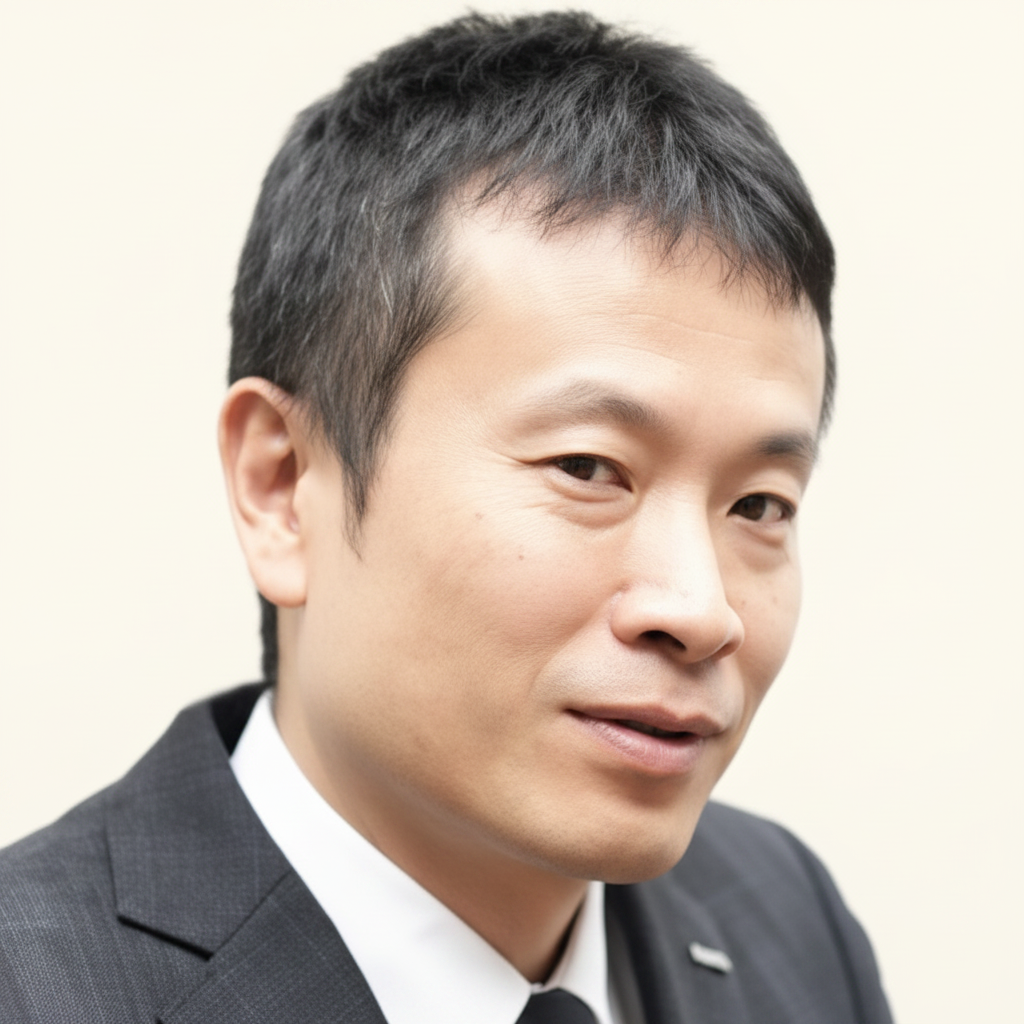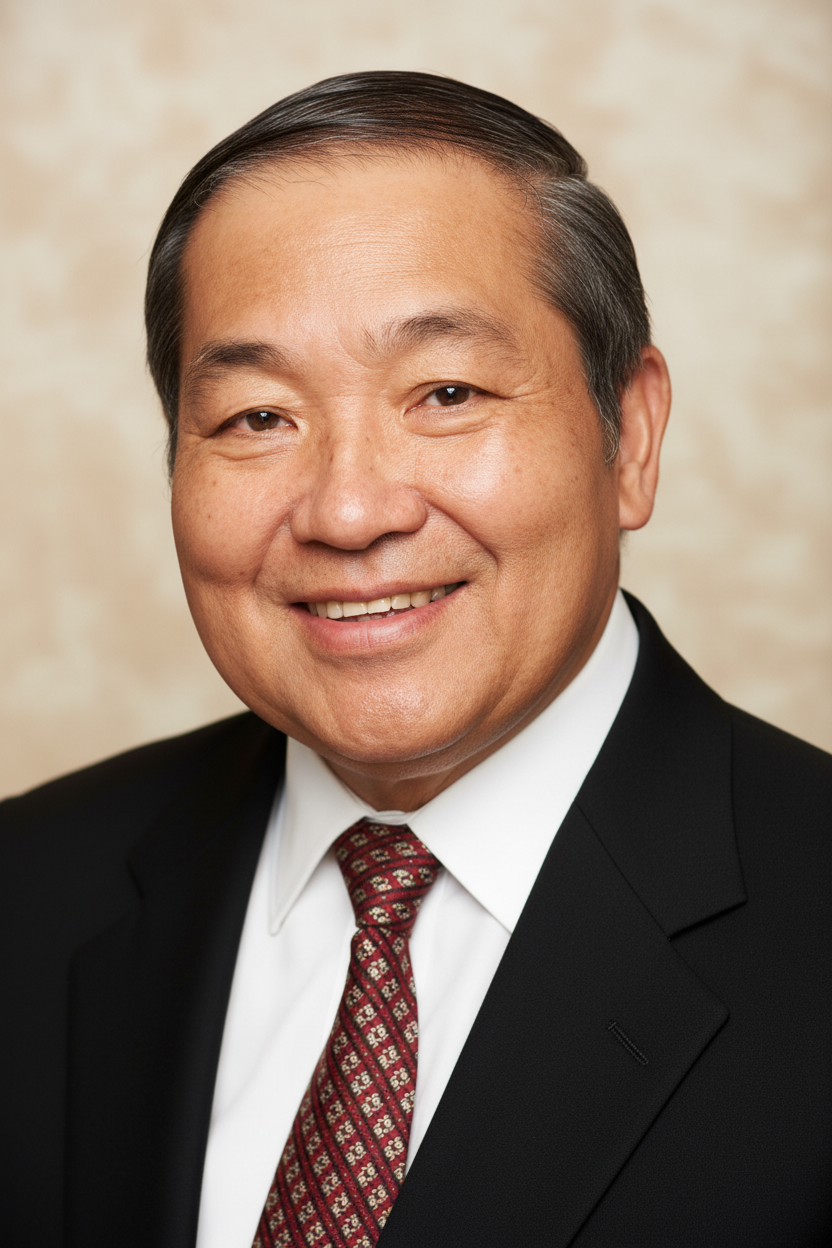
Ng Teng Fong
The visionary founder of Far East Organization, Ng Teng Fong built a real estate empire across Singapore and Hong Kong through shrewd land acquisition and diversified development strategies.
Ng Teng Fong, often referred to as 'The King of Orchard Road,' established Far East Organization in 1960. He spearheaded its expansion into a diversified property giant, developing over 700 hotels, malls, and condominiums in Singapore and founding Sino Group in Hong Kong. His strategic foresight in land banking and integrated development shaped urban landscapes in both territories.
Biography
Accomplishments
- 01Founded Far East Organization in 1960, establishing it as Singapore's largest private property developer.
- 02Founded Sino Group in Hong Kong in 1970, expanding his real estate empire across two major Asian hubs.
- 03Developed over 700 hotels, malls, and condominiums in Singapore and Hong Kong, significantly shaping the built environment of both cities.
- 04Transformed Orchard Road in Singapore with iconic developments like Lucky Plaza (1978) and Far East Plaza (1982), earning him the moniker 'King of Orchard Road'.
- 05Successfully implemented a diversified development strategy, encompassing residential, commercial, retail, and hospitality sectors.
- 06Pioneered an integrated development approach, combining multiple use types within single projects to enhance synergy and value.
Lessons for Operators
Key Takeaways
Practical lessons distilled for operators, investors, C-levels, and capital allocators.
Proactive Land Acquisition
Identify and acquire key land parcels years in advance of visible market demand or development trends. This requires significant foresight, capital, and risk assessment capabilities to secure assets at favorable prices before appreciation.
Integrated Urban Planning
Develop properties not in isolation, but as components of broader urban ecosystems. Combining residential, commercial, retail, and recreational elements within a single project or contiguous developments creates synergistic value and enhances livability/attractiveness.
Geographic De-risking
Expand into additional, economically stable and growing markets to diversify risk and capture growth opportunities beyond the primary market. This mitigates over-reliance on a single economy or regulatory environment.
Balanced Portfolio Strategy
Maintain a mix of development-for-sale projects (capital gains) and core income-generating assets (recurring revenue). This strategy ensures consistent cash flow for reinvestment and provides stability during market fluctuations.
Operator-Led Vision
Success in real estate hinges on a deep, hands-on understanding of development, construction, and market dynamics from the founder down. A strong operating culture ensures efficient execution and quality control.
Frameworks & Principles
Named frameworks and strategic principles they popularized or embodied.
Strategic Land Banking Model
A framework for identifying, acquiring, and holding undeveloped or underdeveloped land parcels with long-term growth potential. This involves predictive analysis of urban sprawl, infrastructure development, and demographic shifts.
When to useWhen operating in rapidly urbanizing areas, anticipating future demand, or seeking to establish a competitive advantage through controlling prime real estate assets.
Integrated Mixed-Use Development (IMUD) Approach
A planning and development methodology that combines multiple functions (residential, commercial, retail, hospitality, public spaces) within a single development or contiguous area to create synergy, optimize land use, and enhance economic vitality.
When to useWhen developing large-scale projects in urban centers, aiming to maximize asset value, create vibrant communities, and cater to diverse market needs within a single footprint.
Dual-Market Diversification Strategy
A strategy involving simultaneous, independent operations in two distinct, high-growth geographical markets. Each market entity operates autonomously but benefits from shared strategic vision, allowing for risk mitigation and amplified growth.
When to useWhen a company has achieved significant market share in its home market and seeks to replicate its success and diversify risk by entering another, complementary high-potential market.
Sources & Further Reading
Profiles, interviews, podcasts, and articles used to compile and verify this entry. Each link opens at the original publisher.
Explore Related Titans
Other figures in the archive who share Ng Teng Fong's domain, geography, or era.
More in Real Estate & Hospitality
From Singapore
Contemporaries — born 1920s