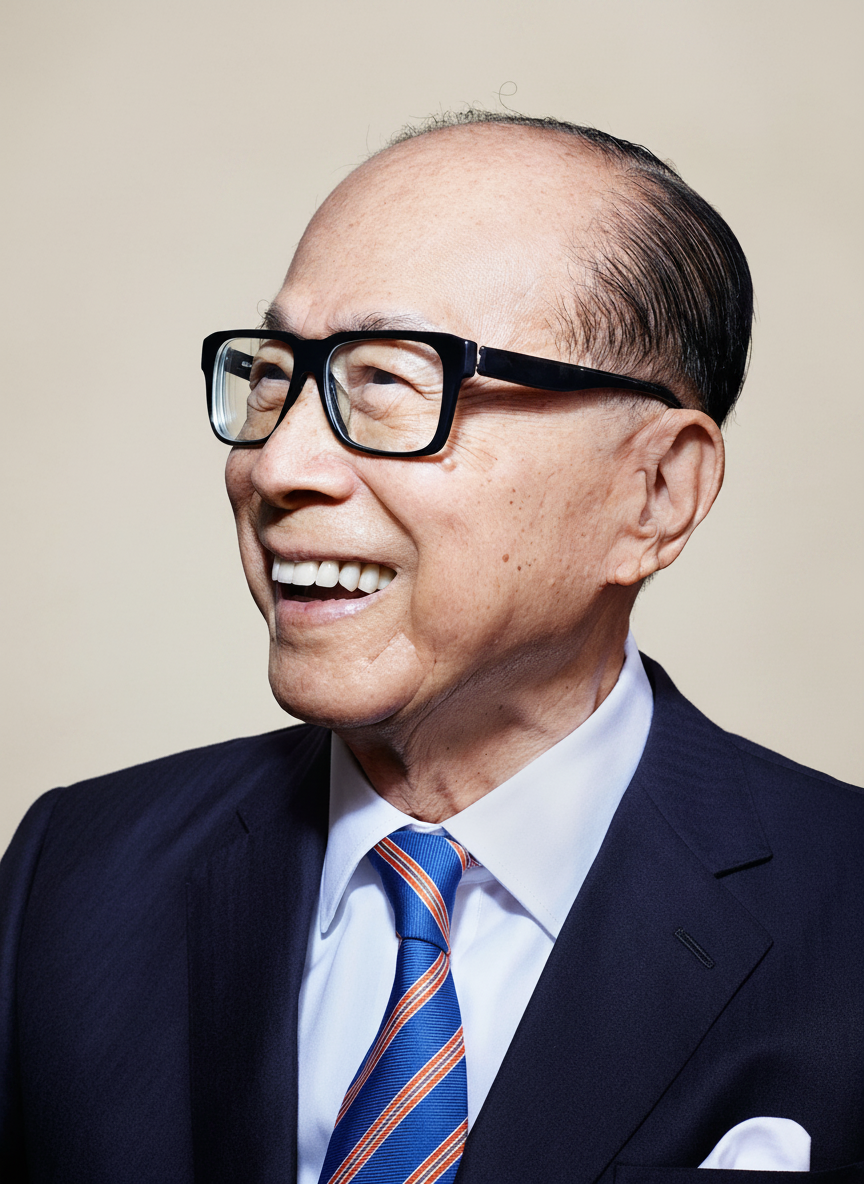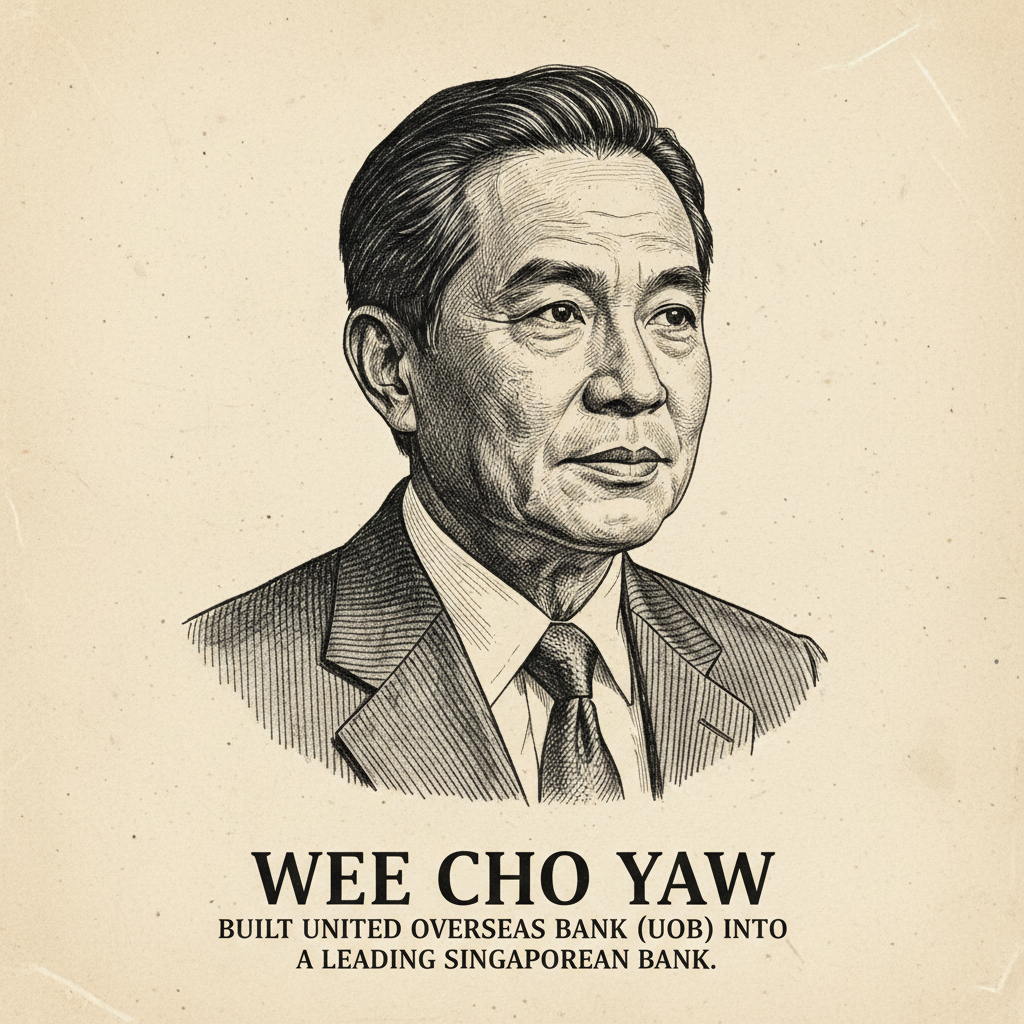
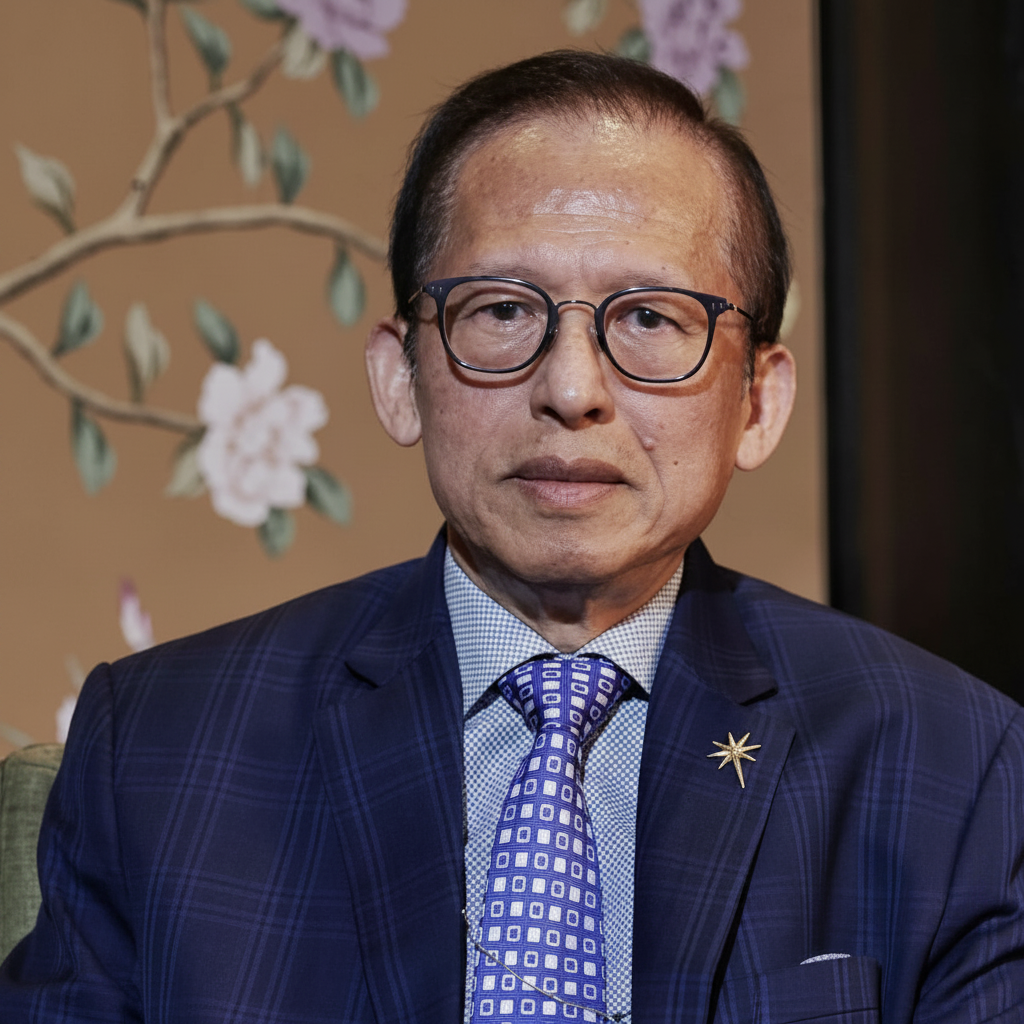
Wee Cho Yaw
The architect of United Overseas Bank, transforming a small family bank into a regional financial powerhouse through astute M&A and conservative growth.
Wee Cho Yaw was a Singaporean billionaire businessman and banker who built United Overseas Bank (UOB) into a leading financial institution in Southeast Asia. Starting in 1958, he expanded the bank aggressively yet prudently, primarily through strategic mergers and acquisitions, demonstrating a deep understanding of market opportunities and risk management.
Biography
Accomplishments
- 01Transformed United Overseas Bank (UOB) from a small, family-run bank into Singapore's second-largest financial institution and a significant regional player.
- 02Successfully executed the strategic acquisition of Overseas Union Bank (OUB) in 2001, outbidding DBS Bank, which significantly expanded UOB's market share and regional presence.
- 03Oversaw a period of consistent growth and profitability for UOB, including navigating the bank successfully through major economic downturns such as the 1997 Asian Financial Crisis.
- 04Pioneered a strategy of strategic inorganic growth through repeated mergers and acquisitions of other banks (e.g., Chung Khiaw Bank, Lee Wah Bank, Industrial & Commercial Bank), consolidating the financial landscape.
- 05Diversified UOB's business beyond traditional banking into areas like insurance (United Overseas Insurance) and property development (UOL Group Limited), creating multiple revenue streams and enhancing shareholder value.
- 06Maintained a strong balance sheet and conservative risk management approach, contributing to UOB's reputation for stability and reliability in the financial sector.
Lessons for Operators
Key Takeaways
Practical lessons distilled for operators, investors, C-levels, and capital allocators.
Inorganic Growth as a Core Strategy
Wee Cho Yaw's tenure at UOB exemplifies how strategic, well-integrated acquisitions can rapidly transform a business. Operators should assess whether M&A is the most efficient path to scale and market dominance, especially in fragmented industries. The OUB acquisition (2001) is a prime example of high-stakes, transformative M&A.
Balanced Risk-Taking
While aggressive in expansion, UOB maintained stringent risk management and conservative lending. This 'prudent aggression' allows C-levels to pursue growth opportunities without jeopardizing financial stability, a critical consideration for fund managers allocating capital to growth-oriented firms.
Intergenerational Leadership Continuity
The seamless transfer of leadership between Wee Cho Yaw and his son, Wee Ee Cheong, highlights the importance of well-planned succession. For enterprise leaders, this underscores the value of institutionalizing knowledge and preparing future leaders to ensure sustained performance beyond individual tenures.
Building a Diversified Business Ecosystem
UOB's expansion into property (UOL Group) and insurance demonstrates the benefits of creating a synergistic ecosystem. Investors and capital allocators should look for companies that strategically diversify to build resilience and unlock cross-selling opportunities, rather than relying on a single revenue stream.
Endurance Through Economic Cycles
UOB's ability to navigate crises, particularly the 1997 Asian Financial Crisis, speaks to the strength of its underlying business model, conservative asset management, and long-term strategic planning. This resilience is a key metric for operators building durable businesses and for investors seeking stable long-term returns.
Meticulous Due Diligence and Integration
The success of UOB's numerous acquisitions implies rigorous due diligence and effective post-merger integration. Operators should recognize that the value from M&A is often unlocked during the integration phase, requiring dedicated resources and a clear strategy for combining operations and cultures.
Frameworks & Principles
Named frameworks and strategic principles they popularized or embodied.
The Prudent Aggression Model
This framework combines an aggressive inorganic growth strategy (M&A) with a conservative approach to credit risk, capital management, and operational efficiency. It enables rapid market expansion without substantially elevating systemic risk.
When to useApplicable for financial institutions or capital-intensive businesses seeking to consolidate fragmented markets, grow market share quickly, or acquire capabilities, while maintaining a strong balance sheet and robust risk controls, particularly during periods of market uncertainty or consolidation opportunities.
Long-Term Value Creation through Sequential M&A
Focuses on a systematic, almost programmatic, series of acquisitions over decades to progressively build scale, market power, and synergistic advantages, rather than relying on a single 'big bang' deal. Each acquisition builds upon the last, creating a cumulative effect.
When to useUseful for enterprises operating in industries ripe for consolidation or those seeking to expand geographically or vertically over an extended period. Requires patience, a clear strategic roadmap, and consistent M&A capabilities. Ideal for capital allocators assessing companies with a track record of growth through disciplined acquisitions.
Ecosystem Diversification for Stability
Beyond core business, strategically diversify into related industries (e.g., banking into property and insurance) to create a synergistic business ecosystem. This mitigates risks tied to a single sector, opens new revenue streams, and potentially enhances customer lifetime value through cross-selling.
When to useAppropriate for established businesses with strong cash flows looking to de-risk, create new growth vectors, or deepen customer relationships by offering a broader suite of products/services. Particularly relevant for operators in mature industries seeking innovative growth strategies.
Recent Appearances
Latest interviews, keynotes, and press from the past half year.


Sources & Further Reading
Profiles, interviews, podcasts, and articles used to compile and verify this entry. Each link opens at the original publisher.
Explore Related Titans
Other figures in the archive who share Wee Cho Yaw's domain, geography, or era.
More in Finance & Investing










From Singapore
Contemporaries — born 1920s