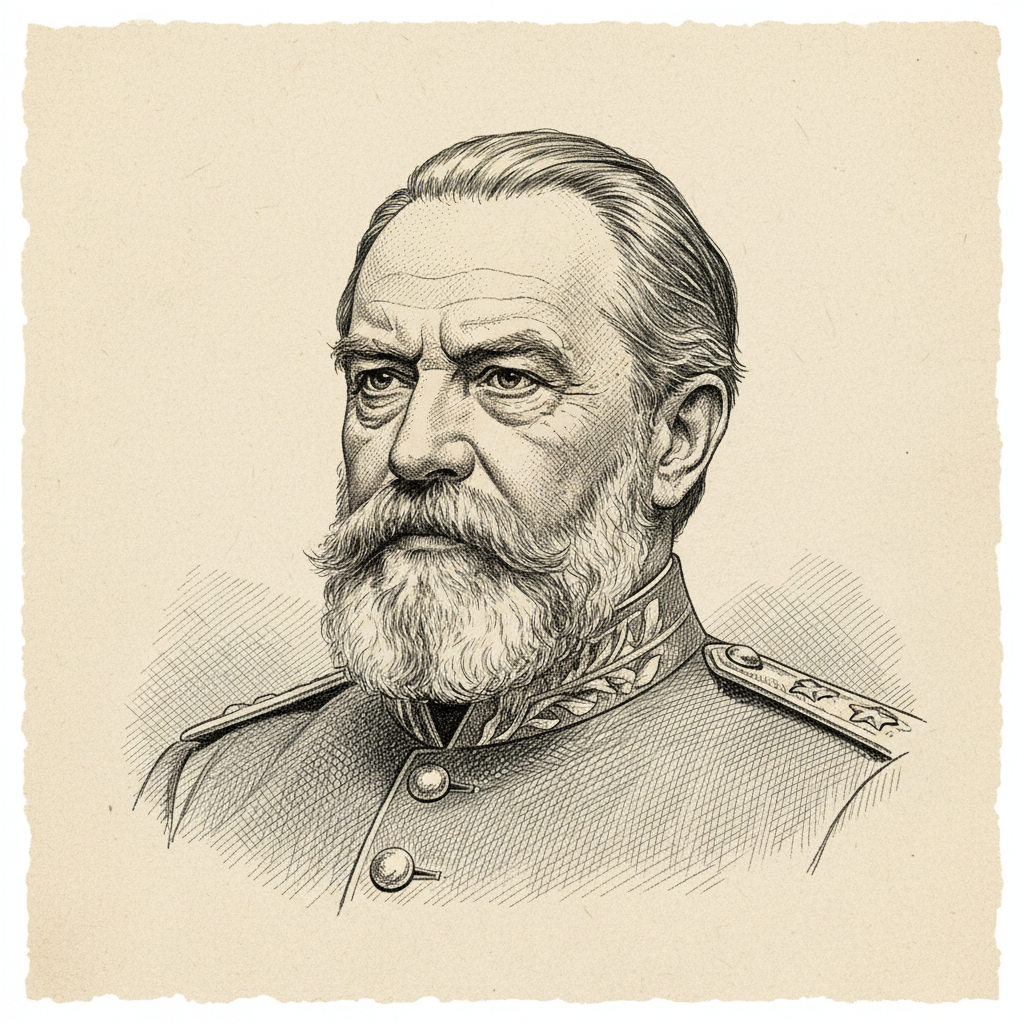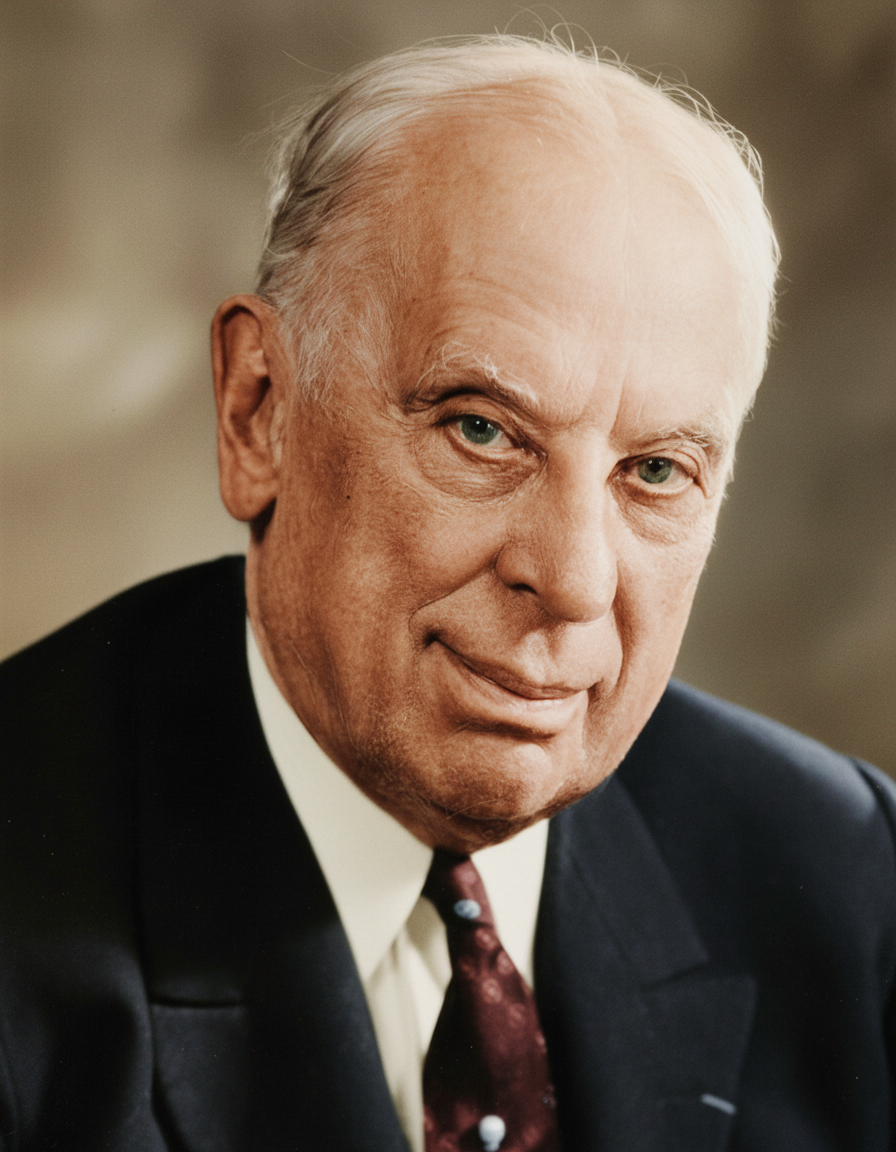
Alfred P. Sloan Jr.
Architect of Modern Corporate Management: Decentralization, Strategic Product Lines, and Financial Controls.
Alfred P. Sloan Jr. transformed General Motors from a collection of disparate companies into the world's largest automotive manufacturer by pioneering modern corporate management principles, including decentralized operations with centralized policy control, strategic product differentiation (a 'car for every purse and purpose'), and sophisticated financial accounting systems.
Biography
Accomplishments
- 01Implemented the 'decentralized organization with coordinated control' model at General Motors, solving the complexities of managing a diverse conglomerate (c. 1920s).
- 02Developed a strategic product line hierarchy ('a car for every purse and purpose') that enabled GM to capture market share across all economic segments, directly challenging Ford's single-model approach (1920s).
- 03Oversaw GM's surpassing of Ford Motor Company as the dominant automaker in the United States by 1927.
- 04Instituted annual model changes, compelling consumers to replace vehicles more frequently and maintaining perceived innovation within the product line (1920s onwards).
- 05Established strong financial control systems, including return on investment (ROI) metrics and standard costs, allowing central management to monitor and evaluate divisional performance efficiently (1920s).
- 06Championed product differentiation and consumer financing (via GMAC, founded 1919) as key tools for market leadership.
- 07Authored 'My Years with General Motors' (1963), a seminal text on modern corporate management principles.
Lessons for Operators
Key Takeaways
Practical lessons distilled for operators, investors, C-levels, and capital allocators.
Decentralization with Coordinated Control
Grant operating units autonomy for execution while central headquarters maintains firm control over strategy, capital allocation, and policy. This balances agility with strategic alignment. Investors should look for this balance in conglomerates.
Market Segmentation and Product Strategy
Tailor product offerings to different customer segments ('a car for every purse and purpose'). This maximizes market penetration and defends against niche competitors. Operators must regularly re-evaluate market segments and product fit.
Financial Acumen as a Core Competency
Implement robust financial metrics (like ROI) and accounting practices to monitor performance, allocate resources effectively, and ensure accountability across all divisions. This is non-negotiable for C-levels managing complex organizations.
Continuous Product Evolution
Regularly update products and services to maintain consumer interest and competitiveness. Sloan's annual model changes exemplify this. Enterprise leaders should embed innovation and iteration into their product development cycles.
Strategic Importance of Integrated Services
Consider how complementary services, such as financing (GMAC), can enhance core product sales and strengthen the business ecosystem. Fund managers should assess value chain integration.
Data-Driven Decision Making
Base critical decisions on objective data and systematic analysis rather than intuition alone. Sloan institutionalized this approach at GM, fostering a culture of informed strategic review.
Frameworks & Principles
Named frameworks and strategic principles they popularized or embodied.
Decentralized Organization with Coordinated Control
This structure involves granting operational autonomy to specialized divisions for day-to-day management and market responsiveness, while a central corporate entity retains authority over strategic planning, capital allocation, executive appointments, and overarching policy. Key elements include strong financial controls (e.g., ROI analysis) and robust reporting mechanisms to ensure central oversight without micromanagement.
When to useApplicable for large, diversified corporations operating across multiple product lines, geographies, or market segments. Useful when an organization grows beyond the scope of a purely centralized command-and-control structure, requiring local flexibility while maintaining a unified corporate strategy and brand.
Product Ladder/Tiering Strategy ('A Car for Every Purse and Purpose')
A market segmentation and product differentiation strategy where a company offers a range of products or services at different price points and feature levels, each targeting a specific consumer segment. This creates an upward mobility path for customers and allows the company to capture a broader share of the market.
When to useIdeal for businesses in mature or growing industries with diverse consumer bases that exhibit varying purchasing power and preferences. Effective for companies looking to dominate market share by addressing needs across the entire economic spectrum, from entry-level to luxury.
Annual Model Change / Planned Obsolescence
A strategy involving regular, incremental product updates and redesigns, often annually, to stimulate demand and encourage repeat purchases. While sometimes criticized as 'planned obsolescence', its intent is to maintain consumer interest, integrate new technologies, and differentiate from competitors.
When to useBest suited for industries where aesthetic appeal, technological advancement, or fashion trends play a significant role in consumer purchasing decisions (e.g., automotive, consumer electronics, fashion). Requires significant R&D and marketing investment to manage effectively.
Recent Appearances
Latest interviews, keynotes, and press from the past half year.
 youtube.com
 youtube.com
 youtube.com
 youtube.com
 youtube.com
 youtube.com
 youtube.com
 youtube.com
 youtube.com
 youtube.com
 youtube.com
 youtube.com
 youtube.com
 youtube.com
 youtube.com
 youtube.com
 youtube.com
 youtube.com
 youtube.com
 youtube.com
 youtube.com
 youtube.com
 youtube.com
 youtube.com
 youtube.com
 youtube.com
 youtube.com
 youtube.com
 youtube.com
 youtube.com
 youtube.com
 youtube.com
![[508] How the Man Who Beat Henry Ford Did It (The True Secret Behind ...](https://i.ytimg.com/vi/Hn8b4M1wVEY/hqdefault.jpg) youtube.com
youtube.com youtube.com
 m.youtube.com
 youtube.com
 youtube.com
 youtube.com
 m.youtube.com
 youtube.com
Sources & Further Reading
Profiles, interviews, podcasts, and articles used to compile and verify this entry. Each link opens at the original publisher.
Explore Related Titans
Other figures in the archive who share Alfred P. Sloan Jr.'s domain, geography, or era.
More in Transportation & Logistics







From United States






Contemporaries — 19th century