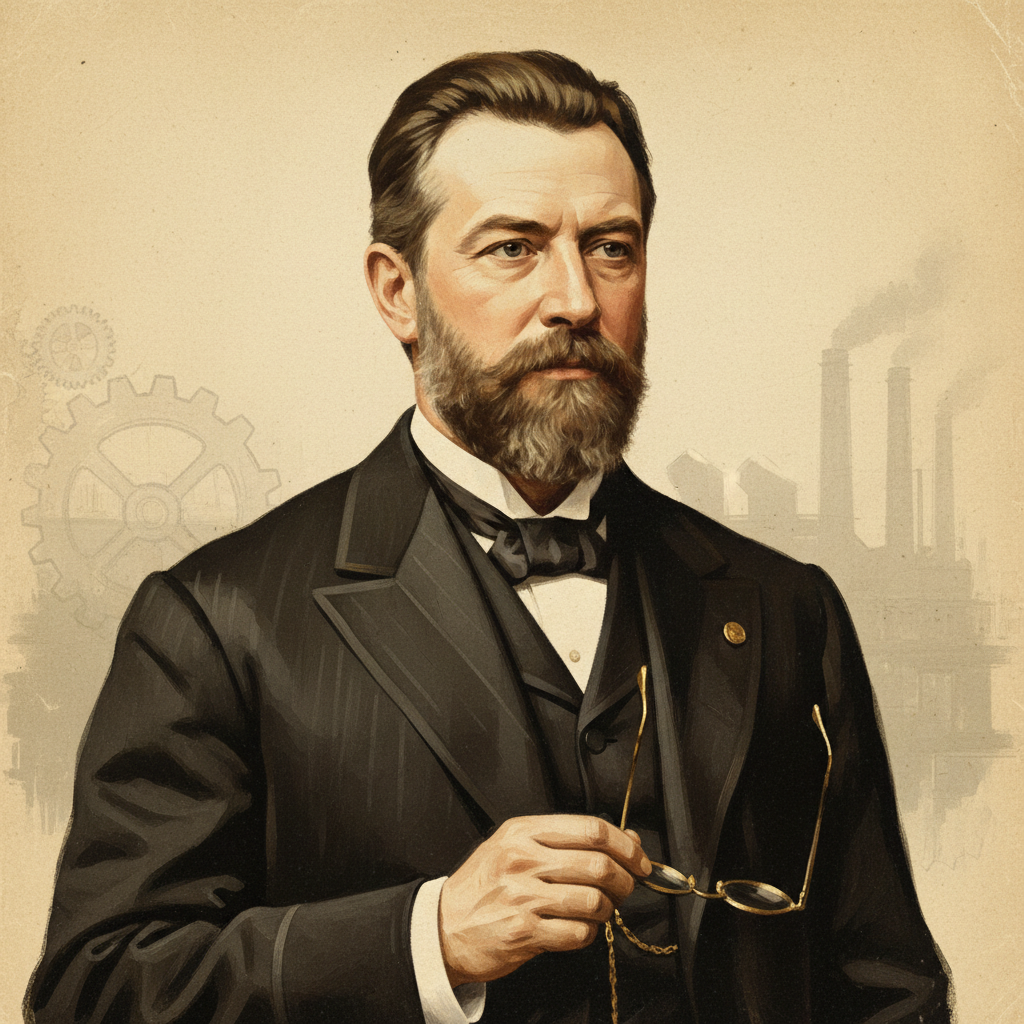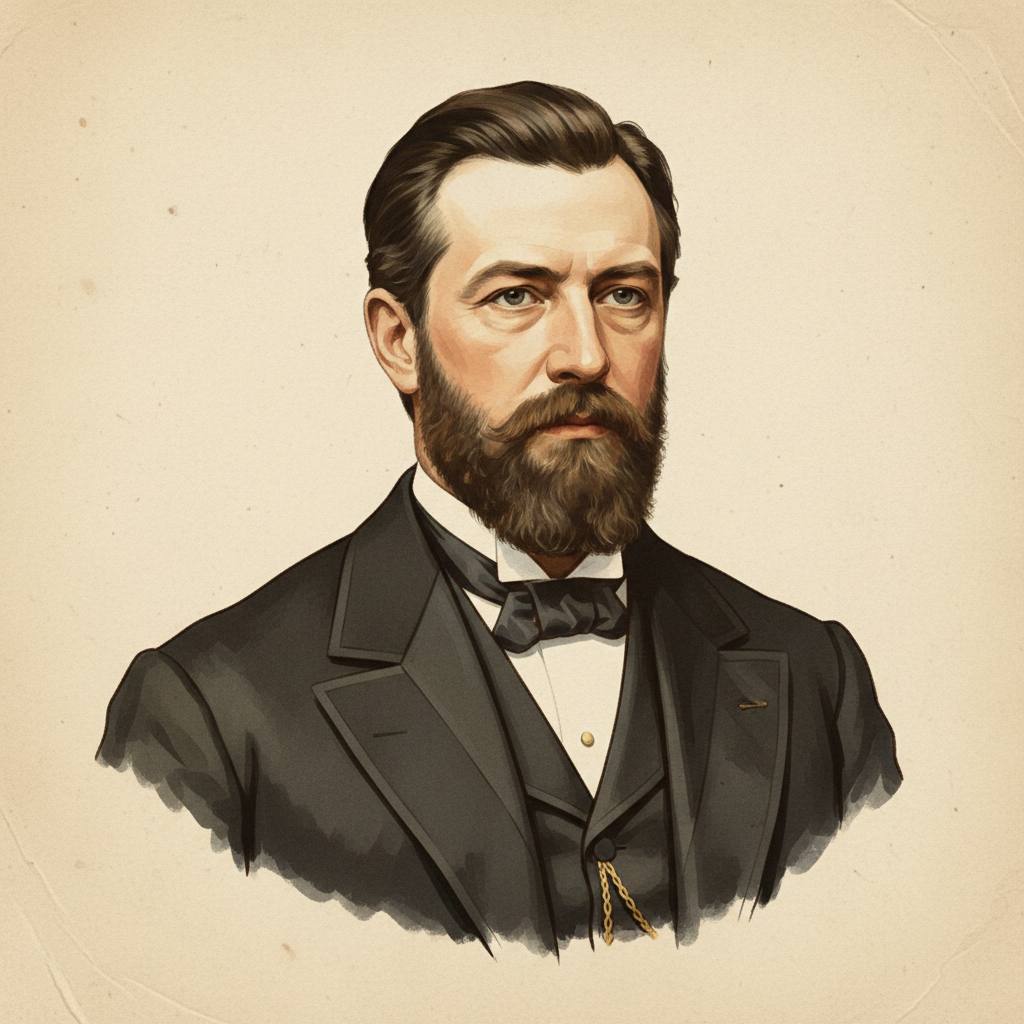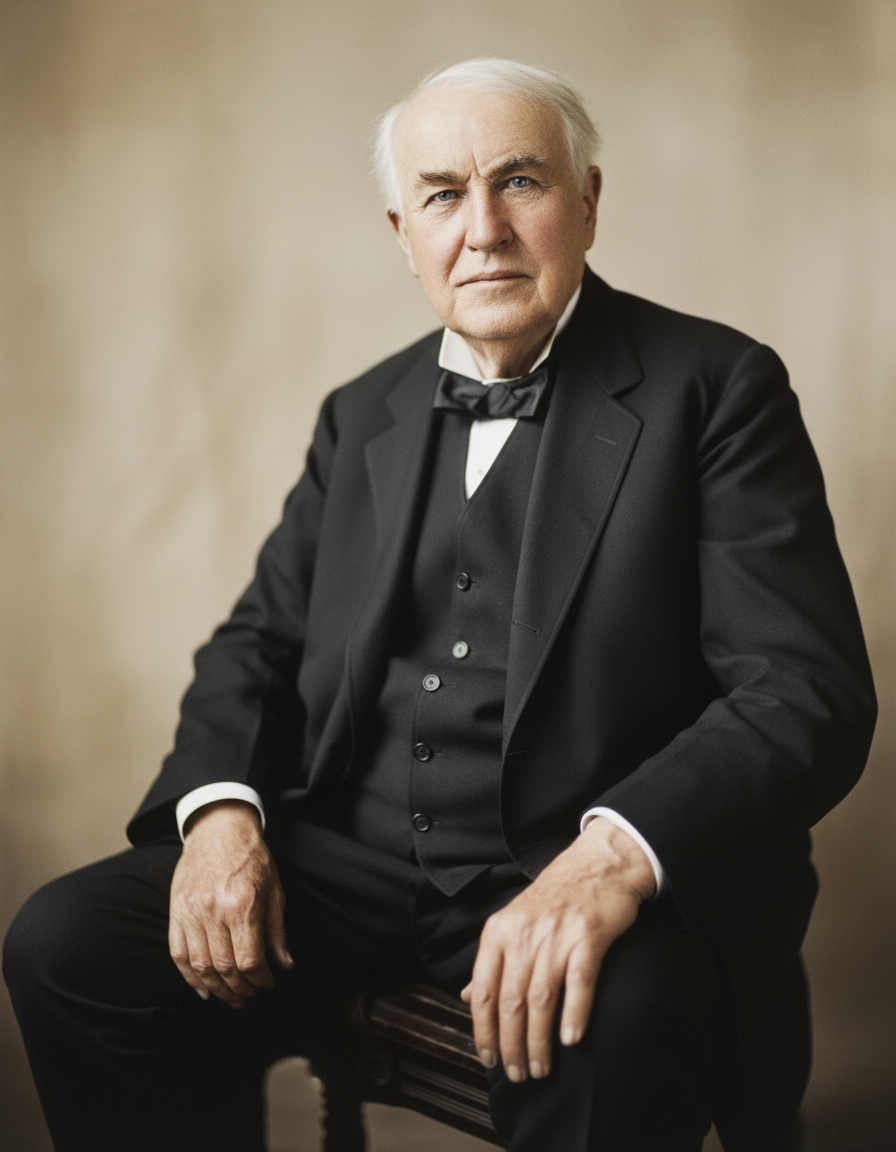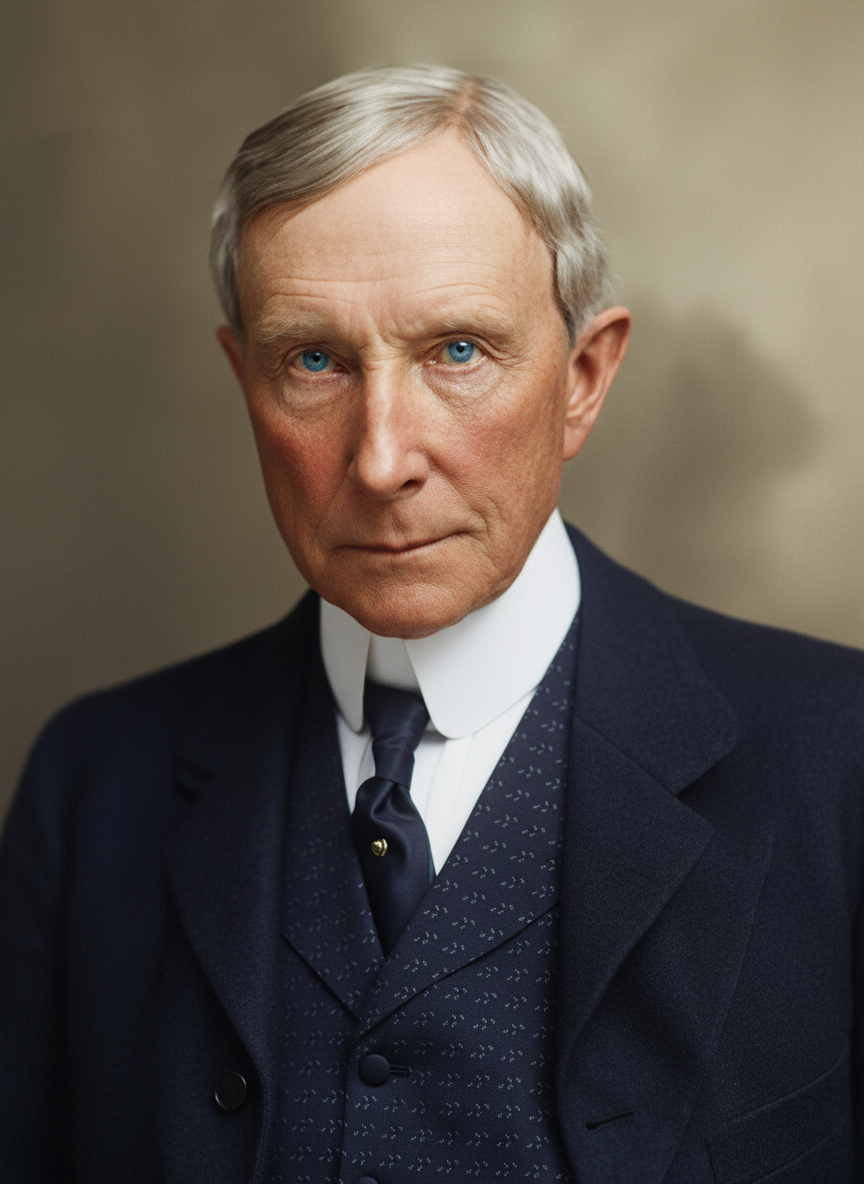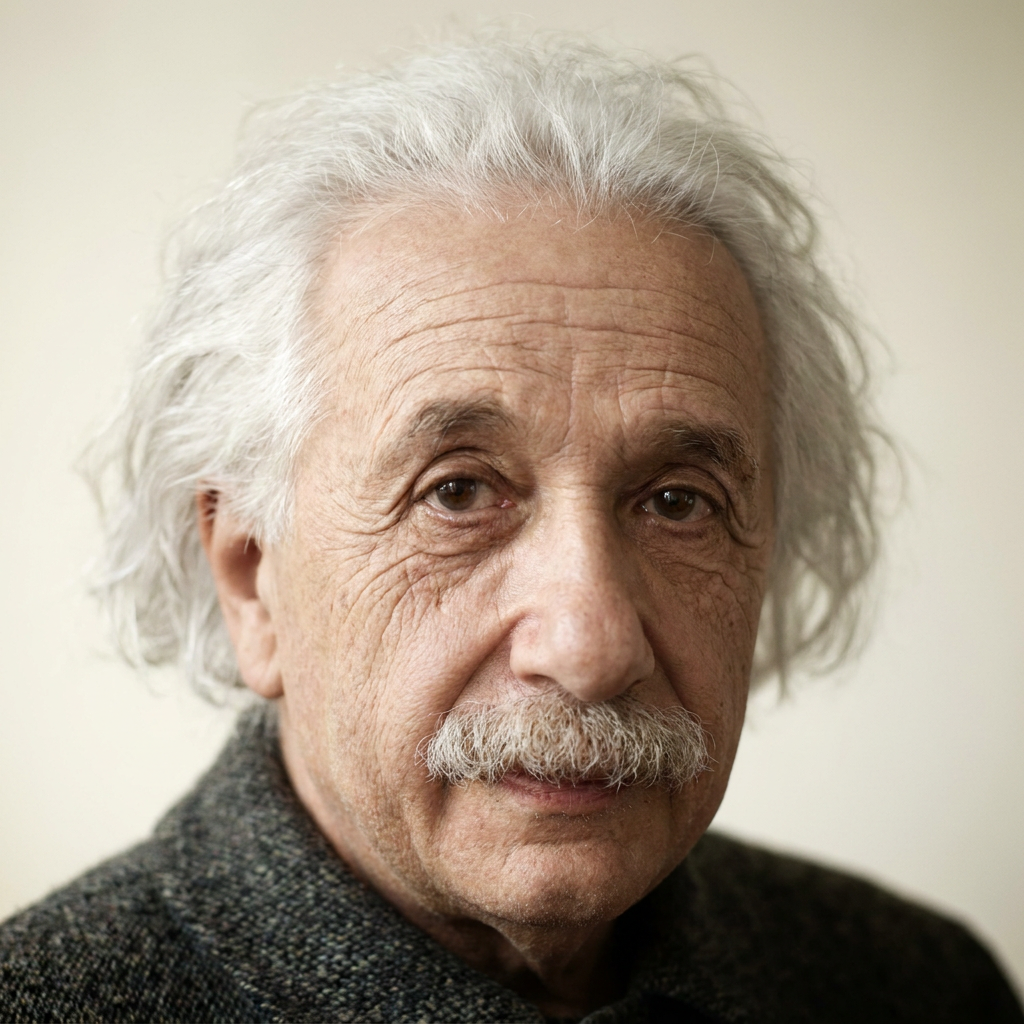
Albert Einstein
Architect of modern physics, whose theories reshaped humanity's understanding of space, time, gravity, and energy, fundamentally influencing technological advancement and strategic thought.
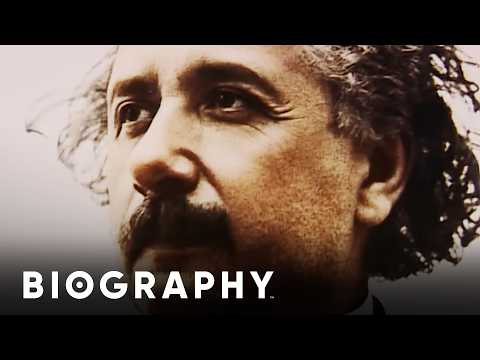
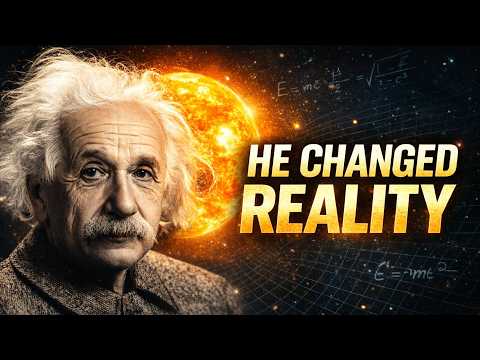
Albert Einstein was a German-born theoretical physicist who developed the theory of relativity, one of the two pillars of modern physics. His work is also known for its influence on the philosophy of science. He received the 1921 Nobel Prize in Physics for his 'services to Theoretical Physics, and especially for his discovery of the law of the photoelectric effect,' a pivotal step in the development of quantum theory. His intellectual rigor and willingness to challenge established paradigms led to profound breakthroughs that underpinned numerous 20th-century technological and scientific advancements.
Biography
Accomplishments
- 01Developed the Special Theory of Relativity (1905), unifying space and time into a single continuum and introducing mass-energy equivalence (E=mc²), foundational for understanding high-energy physics and nuclear technology.
- 02Formulated the General Theory of Relativity (1915), a new theory of gravity that superseded Newton's law, explaining phenomena like the anomalous precession of Mercury's orbit and predicting gravitational lensing and black holes, critical for astrophysics.
- 03Proposed the theory of the photoelectric effect (1905), demonstrating light's particle-like properties (photons), which was a crucial step in the development of quantum mechanics and earned him the 1921 Nobel Prize in Physics.
- 04Contributed to statistical mechanics and quantum theory, including work on Brownian motion and the quantum theory of specific heat, demonstrating a unique ability to bridge macroscopic and microscopic phenomena.
- 05Authored over 300 scientific papers and 150 non-scientific works, establishing a lasting intellectual legacy and influencing generations of scientists and thinkers.
- 06Played a key role in public discourse and advocacy, notably signing the Szilárd–Einstein letter (1939) warning President Roosevelt about the potential for German nuclear weapons, influencing the initiation of the Manhattan Project.
Lessons for Operators
Key Takeaways
Practical lessons distilled for operators, investors, C-levels, and capital allocators.
Disruptive Innovation Stems from Foundational Re-evaluation
Einstein's revolution in physics did not come from incremental improvements but from fundamentally re-evaluating the axioms of space, time, and gravity. For businesses, this means true disruption requires questioning core industry assumptions and the very nature of value creation, not just optimizing existing processes. Investors should seek ventures that challenge established frameworks rather than merely refining them.
Theory Precedes and Guides Practical Application
While Einstein's theories seemed abstract initially, they provided the theoretical bedrock for technologies like GPS, nuclear energy, and lasers decades later. Companies should invest in long-term, 'blue-sky' research that might lack immediate commercial viability but offers the potential for paradigm-shifting applications. This demands patient capital and a belief in the power of fundamental knowledge creation.
The Power of Simplicity in Complexity
E=mc² is an iconic example of distilling profound complexity into elegant simplicity. Leaders should strive to simplify complex strategies, product offerings, or operational structures. Clarity and conciseness aid comprehension, foster adoption, and improve execution across an organization and with external partners.
The Ethical Dimension of Scientific and Business Prowess
Einstein's engagement with political and ethical issues, particularly concerning nuclear weapons, highlights the responsibility that accompanies significant power and influence. Business leaders, especially those in transformative industries, must consider the broader societal impact and ethical implications of their innovations and operations, engaging proactively in public discourse and responsible stewardship.
Value of Diverse Perspectives and Independent Thought
Despite his brilliance, Einstein's success was not just about individual genius but also his ability to synthesize diverse intellectual traditions and maintain independent thought, often outside rigid academic structures initially. Enterprises thrive when they cultivate diverse viewpoints, encourage critical questioning, and provide space for unconventional ideas to flourish, rather than solely adhering to consensus.
Frameworks & Principles
Named frameworks and strategic principles they popularized or embodied.
First Principles Thinking
Deconstructing complex problems to their fundamental, irreducible truths, then building solutions from that foundation, rather than reasoning by analogy or convention.
When to useWhen facing entrenched problems, needing to innovate beyond incremental improvements, or developing entirely new products/services where existing paradigms are insufficient. Applicable for strategic planning, product development, and overcoming organizational inertia.
Thought Experimentation (Gedankenexperiment)
Mentally exploring a hypothetical scenario to understand its implications, uncover paradoxes, or test theoretical predictions without physical experimentation.
When to useUseful for strategic planning, scenario analysis, product design, and risk assessment, especially when physical or real-world testing is costly, impossible, or premature. Helps to identify unforeseen challenges and opportunities early in the conceptual phase.
Unified Field Theory Pursuit
An approach (though ultimately unfulfilled by Einstein) to seek a single, comprehensive theoretical framework that explains all fundamental forces and phenomena. In business, this means striving for overarching strategies or integrated solutions that harmonize disparate business functions or market needs.
When to useWhen attempting to consolidate fragmented business units, integrate diverse product lines into a coherent ecosystem, or develop a holistic market strategy that transcends individual product-market fits. It encourages looking for synergies and overarching principles.
Recent Appearances
Latest interviews, keynotes, and press from the past half year.
 youtube.com
 youtube.com
 youtube.com
 youtube.com
 youtube.com
 youtube.com
 youtube.com
 youtube.com
 youtube.com
 youtube.com
 youtube.com
 youtube.com
 youtube.com
 youtube.com
 youtube.com
 youtube.com
 youtube.com
 youtube.com
 youtube.com
 youtube.com
 youtube.com
 youtube.com
 youtube.com
 youtube.com
 youtube.com
 youtube.com
 youtube.com
 youtube.com
 youtube.com
 youtube.com
 youtube.com
 youtube.com
 youtube.com
 youtube.com
 youtube.com
 youtube.com
 youtube.com
 youtube.com
 youtube.com
 youtube.com
 youtube.com
 youtube.com
 youtube.com
 youtube.com
 youtube.com
 youtube.com
 youtube.com
 youtube.com
 youtube.com
 youtube.com
 youtube.com
 youtube.comyoutube.com
 youtube.com
 youtube.com
 youtube.com
 youtube.com
 youtube.com
 youtube.com
 youtube.com
 youtube.com
 youtube.com
 youtube.com
 youtube.com
 youtube.com
 youtube.com
 youtube.com
 youtube.com
 youtube.com
 youtube.com
 youtube.com
 youtube.com
 youtube.com
 youtube.com
 youtube.com
 youtube.com
 youtube.com
 youtube.com
 youtube.com
 youtube.com
 youtube.com
 youtube.com
 youtube.com
 youtube.com
 youtube.com
 youtube.com
 youtube.com
 youtube.com
 youtube.com
 youtube.com
 youtube.com
 youtube.com
 youtube.com
 youtube.com
 youtube.com
 youtube.com
 youtube.com
 youtube.com
 youtube.com
 youtube.com
 youtube.com
 youtube.com
 youtube.com
 youtube.com
 youtube.com
 youtube.com
 youtube.com
 youtube.com
 youtube.com
 youtube.com
 youtube.com
 youtube.com
 youtube.com
 youtube.com
 youtube.com
 youtube.com
 youtube.com
 youtube.com
 youtube.com
 youtube.com
 youtube.com
 youtube.com
 m.youtube.com
 youtube.com
 youtube.com
 youtube.com
 youtube.com
 youtube.com
 youtube.com
 youtube.com
 youtube.comyoutube.com
 youtube.com
 youtube.com
 youtube.com
 youtube.com
 youtube.com
 youtube.com
 youtube.com
 youtube.com
 youtube.com
 youtube.com
 youtube.com
 youtube.com
 youtube.com
 youtube.com
 youtube.com
 youtube.com
 youtube.com
 youtube.com
 youtube.com
 youtube.com
 youtube.com
 youtube.com
 youtube.com
 youtube.com
 youtube.com
 youtube.com
 youtube.com
 youtube.com
 youtube.com
 youtube.com
 youtube.com
 youtube.com
 youtube.comm.youtube.com
 youtube.com
 youtube.com
 youtube.com
 youtube.com
 youtube.com
 youtube.com
 youtube.com
 youtube.com
 youtube.com
 youtube.com
 youtube.comyoutube.com
 youtube.comyoutube.com
 youtube.com
 youtube.com
 youtube.com
 youtube.com
 youtube.com
 youtube.com
 youtube.com
 youtube.com
 youtube.com
 youtube.com
 youtube.com
 youtube.com
 youtube.com
 youtube.com
 youtube.com
 youtube.com
 youtube.com
 youtube.com
 youtube.com
 youtube.com
 youtube.com
 youtube.com
 youtube.com
 youtube.com
 youtube.com
 youtube.com
 m.youtube.com
 youtube.com
 youtube.com
 youtube.com
 youtube.com
 youtube.com
 youtube.com
 youtube.com
![DID ALBERT EINSTEIN BELIEVE IN GOD? [SCIENTIST EXPLAINS]](https://i.ytimg.com/vi/mjGZJlVsLjY/hqdefault.jpg) youtube.com
youtube.com youtube.com
 youtube.com
 youtube.com
 youtube.com
 youtube.com
 youtube.com
 youtube.com
 youtube.com
Sources & Further Reading
Profiles, interviews, podcasts, and articles used to compile and verify this entry. Each link opens at the original publisher.
Explore Related Titans
Other figures in the archive who share Albert Einstein's domain, geography, or era.
More in Other





Contemporaries — 19th century