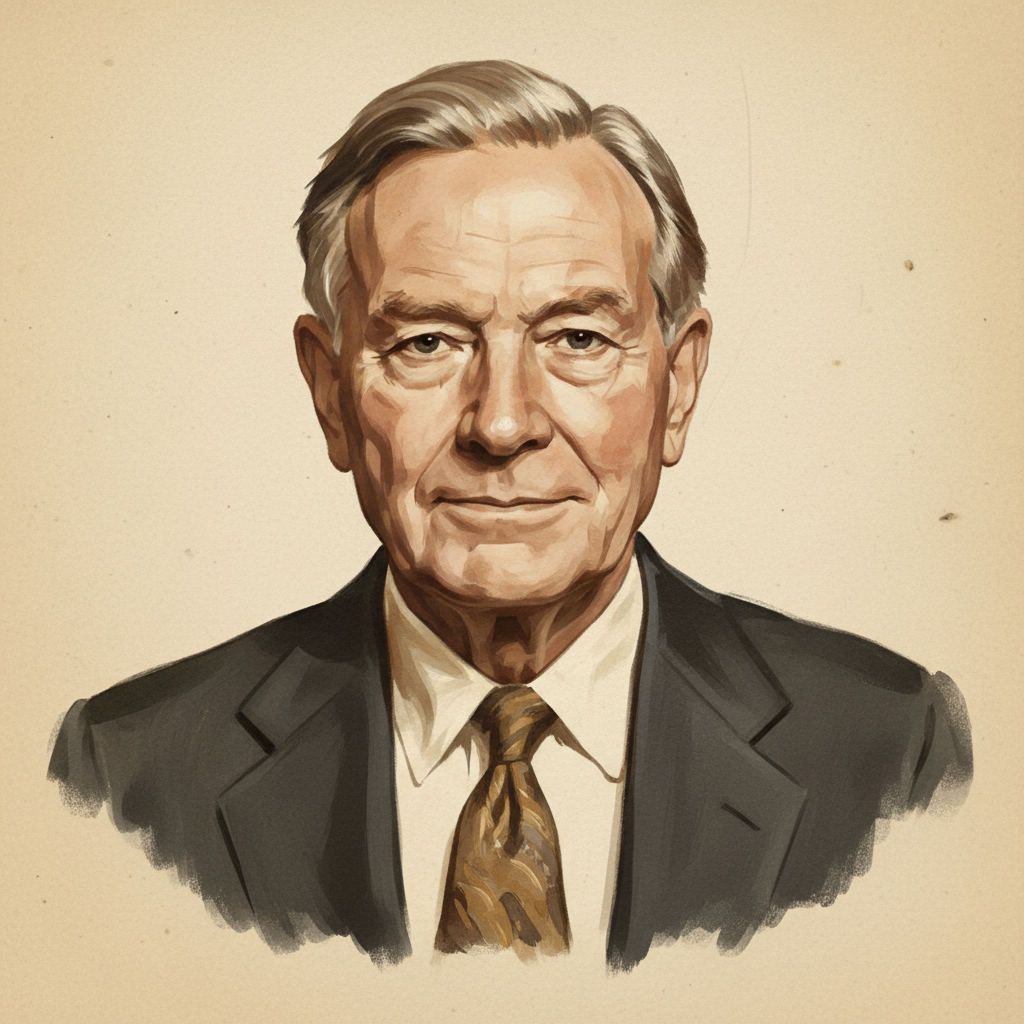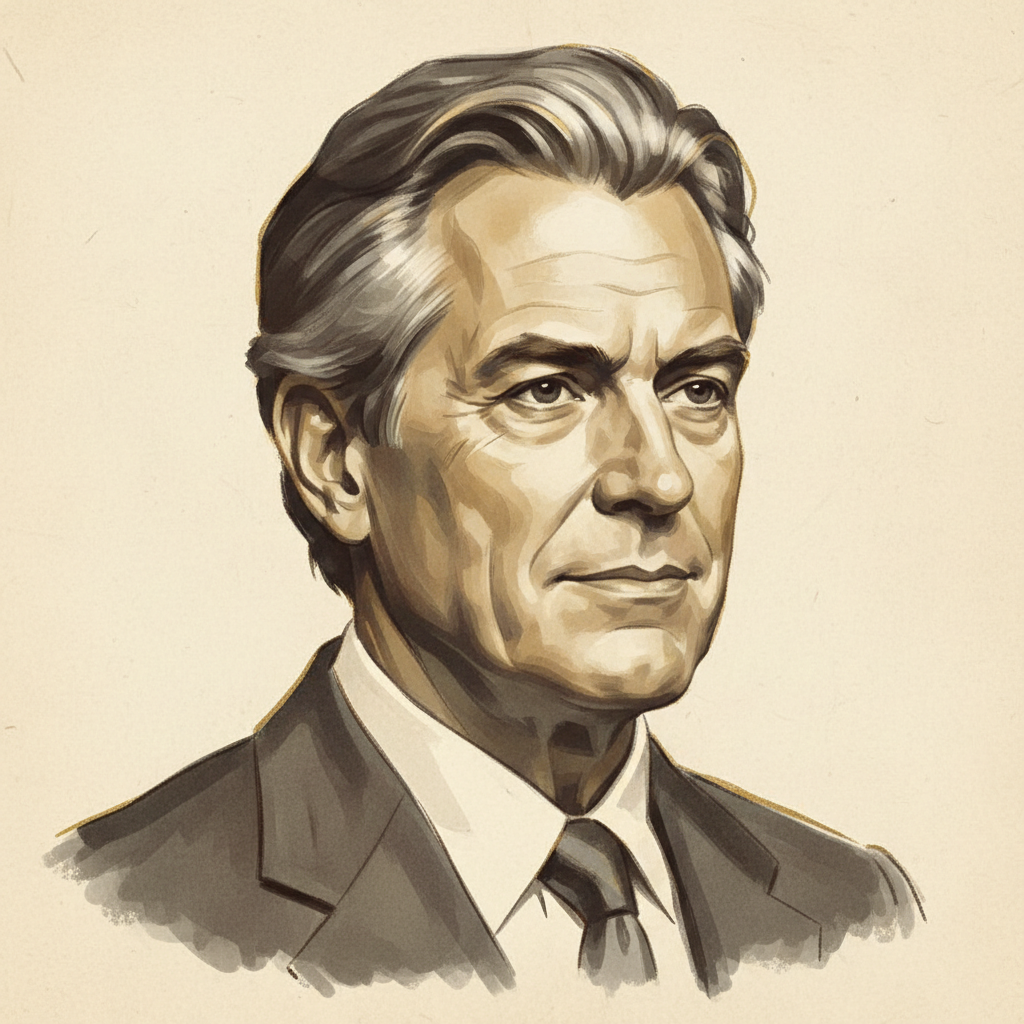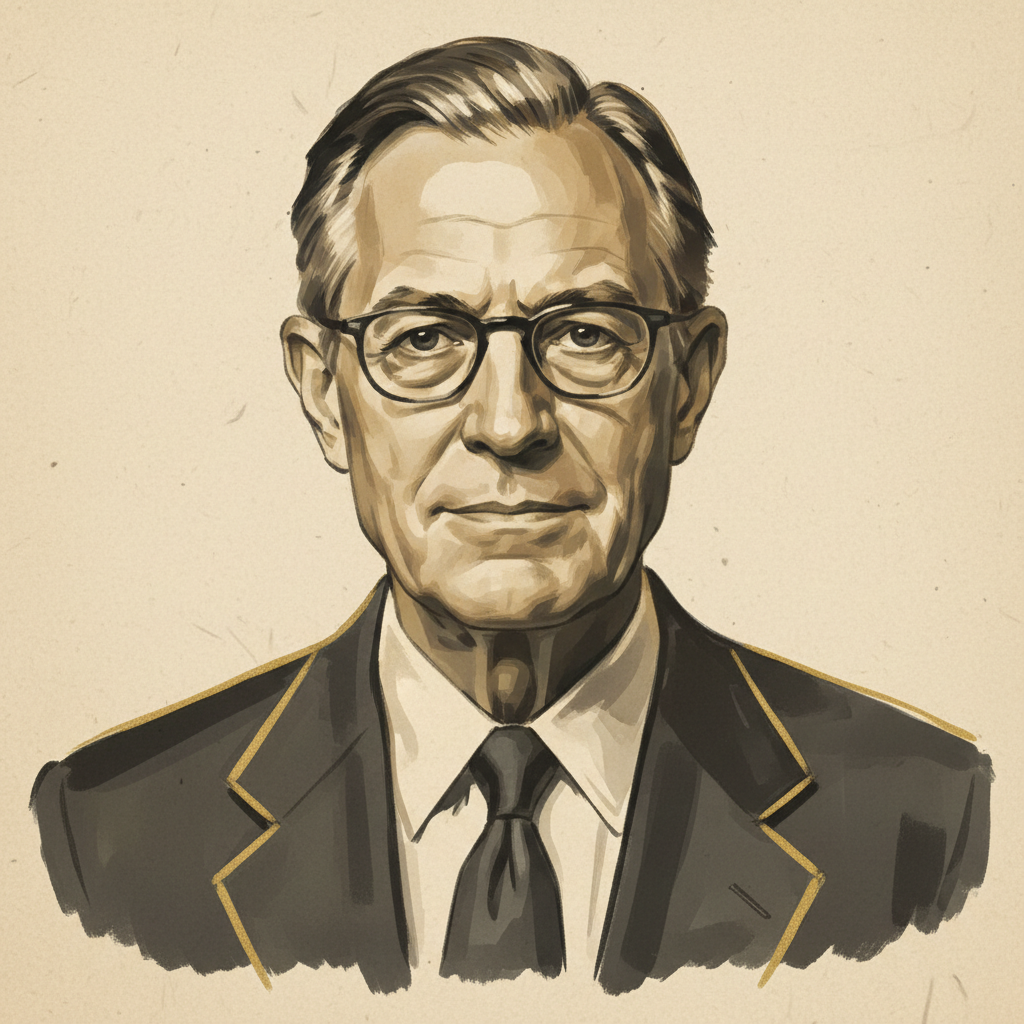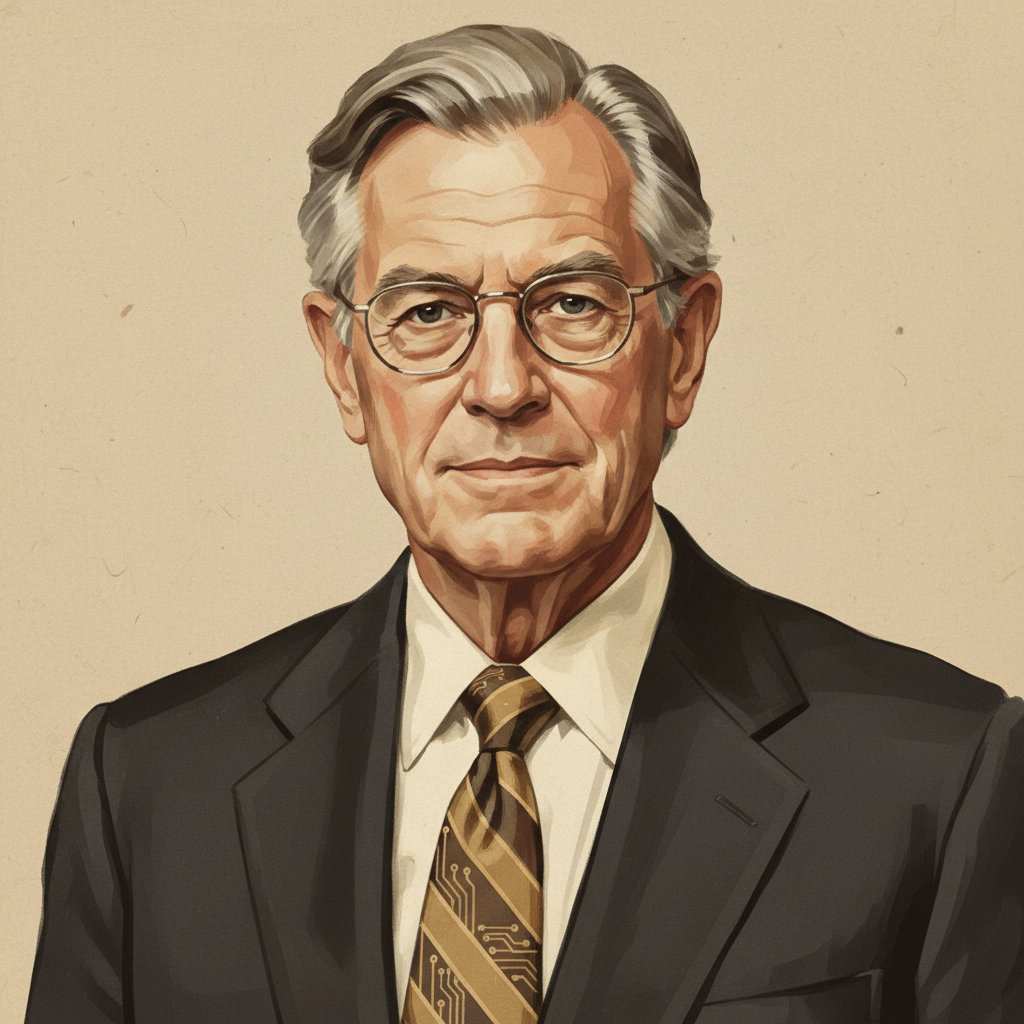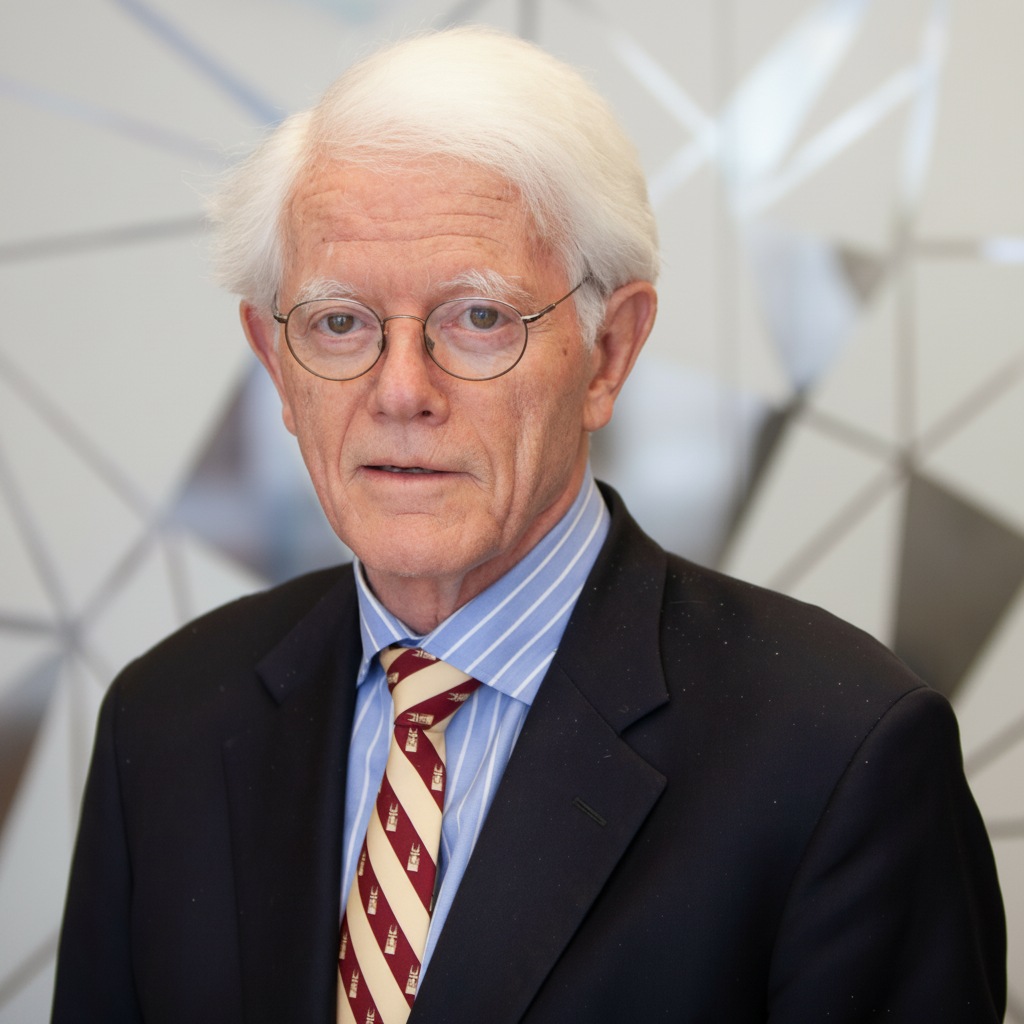
Portrait of Peter Lynch
Modern Architect · 1944 — Present

Peter Lynch

Architect of grassroots fundamental research who generated a record 29.2% annualized return managing Fidelity's Magellan Fund.

Country
United States
Continent
North America
Industry
Asset Management
Role
Portfolio Manager & Author

Peter Lynch is an American investor and mutual fund manager who steered Fidelity Magellan from $18 million to over $14 billion in assets between 1977 and 1990. Averaging a 29.2% annual return, Lynch popularized bottom-up equity research, growth-at-a-reasonable-price (GARP) frameworks, and the concept of the 'tenbagger' for institutional and retail capital allocators.

Biography

Born in Newton, Massachusetts, Peter Lynch entered the financial sector as a caddy at Brae Burn Country Club, where he looped for Fidelity executives including D. George Sullivan. He funded his education at Boston College using proceeds from an investment in Flying Tiger Line, later earning an MBA from Wharton in 1968. Lynch joined Fidelity Investments full-time in 1969 as an analyst covering textiles, metals, mining, and chemicals, eventually ascending to Director of Research from 1974 to 1977. In May 1977, Ned Johnson named Lynch portfolio manager of the Fidelity Magellan Fund, an aggressive capital appreciation vehicle with just $18 million in assets. Over the next 13 years, Lynch executed a high-turnover, bottom-up investment strategy, routinely holding over 1,400 distinct equities while maintaining exhaustive field checks. He outperformed the S&P 500 in 11 of his 13 years, compounding capital at 29.2% annualized and expanding Magellan into the largest mutual fund in the world at over $14 billion in AUM. Lynch retired from Magellan in 1990 at age 46 to focus on philanthropy via the Lynch Foundation and went on to codify his investing methodologies in classic financial texts including One Up On Wall Street (1989) and Beating the Street (1993).

Accomplishments

  • 01Compounded the Fidelity Magellan Fund at an unprecedented 29.2% annualized return from May 1977 to May 1990, roughly doubling the S&P 500's benchmark performance.
  • 02Scaled Magellan Fund assets under management from approximately $18 million to over $14 billion without sacrificing alpha, dismantling prevailing assumptions around institutional capacity constraints.
  • 03Outperformed the S&P 500 in 11 out of 13 calendar years while managing an exceptionally broad portfolio of up to 1,400 securities.
  • 04Generated historic multi-bagger gains on asymmetric equity theses including Fannie Mae, Ford Motor Company, Chrysler, Stop & Shop, and Philip Morris.
  • 05Formulated and popularized critical institutional valuation metrics and parlance, notably the PEG Ratio (Price/Earnings to Growth) and the term 'tenbagger'.
  • 06Authored seminal investment literature, selling millions of copies of One Up On Wall Street (1989) and Beating the Street (1993), which shaped fundamental stock-picking for generations.

Lessons for Operators

Competitive edge begins with localized observational data: utilize everyday commercial touchpoints as qualitative initial screens before verifying balance-sheet fundamentals.
Never allocate capital to an equity thesis you cannot articulate in a concise two-minute briefing grounded in unit economics, revenue levers, and competitive moat.
Categorize target investments strictly by business archetype (e.g., Cyclical, Stalwart, Fast Grower) because valuation standards and exit protocols cannot be applied uniformly across disparate operating models.
Beware of 'diworseification': executive teams that deploy free cash flow into acquisitions outside their core competence destroy enterprise value faster than organic contraction.
Market timing is an asymmetric drag on returns: far more capital has been lost by allocators preparing for corrections than in the actual corrections themselves.
Let operating winners compound unimpeded; trimming high-conviction growth engines merely to reallocate into deteriorating laggards equates to 'pulling the flowers and watering the weeds.'
The Operator's Playbook

Key Takeaways

Practical lessons distilled for operators, investors, C-levels, and capital allocators.

Lesson 01

Bottom-Up Scuttlebutt Beats Top-Down Macro

Lynch ignored macroeconomic forecasts and interest-rate speculation, dedicating 100% of analytical bandwidth to corporate visits, supplier inquiries, channel checks, and balance-sheet solvency.

Lesson 02

GARP Discipline via the PEG Ratio

High earnings growth is only attractive when purchased at an equitable multiple. A trailing or forward P/E equal to the earnings growth rate represents fair value, while a PEG ratio below 1.0 indicates mispriced asymmetric upside.

Lesson 03

Portfolio Diversification as Asymmetric Optionality

Contrary to modern focused-portfolio consensus, Lynch proved that owning 1,000+ equities can generate exceptional alpha if positions are scaled dynamically based on risk-reward asymmetry and earnings momentum.

Lesson 04

The Danger of False Bargains

Stocks that have declined 80% can still fall another 100%. Valuation multiples mean nothing if debt service, obsolescence, or working-capital deficits compromise the going-concern assumption.

Mental Models

Frameworks & Principles

Named frameworks and strategic principles they popularized or embodied.

01

The Six Stock Categories

A taxonomy segmenting public equities into Slow Growers (mature, 2-4% growth, high dividend), Stalwarts (10-12% growth, recession-resistant compounders), Fast Growers (20-25% growth, scalable unit economics), Cyclicals (earnings tied to macro/commodity swings), Turnarounds (distressed assets with solvency catalysts), and Asset Plays (hidden enterprise value such as real estate or net cash).

When to useDeploy at the initiation of fundamental due diligence to determine expected holding duration, baseline valuation multiples, and structural exit conditions.

02

The Two-Minute Drill

A pre-investment stress test requiring an analyst or allocator to summarize the explicit investment thesis in under 120 seconds. The thesis must clearly outline: what drives revenue expansion, how margins will expand, current balance-sheet health, and the precise catalyst for multiple re-rating.

When to useDeploy immediately prior to investment committee approval or execution to ensure institutional clarity and prevent thesis drift.

03

Earnings Line Overlay

A charting framework that maps a firm's historical stock price directly against an adjusted price-to-earnings line (typically 15x normalized EPS). When price decouples below the historical earnings trajectory without fundamental impairment, a margin-of-safety buy signal is generated.

When to useDeploy during valuation modeling to identify cyclical or sentiment-driven dislocations in steady, cash-generative businesses.

Citations

Sources & Further Reading

Profiles, interviews, podcasts, and articles used to compile and verify this entry. Each link opens at the original publisher.

Adjacent Minds

Explore Related Titans

Other figures in the archive who share Peter Lynch's domain, geography, or era.

Finance & Investing

More in Finance & Investing

Browse all →
Portrait of Warren Buffett
UNITED STATES / INVESTING
Warren Buffett
The Oracle of Omaha: Architect of long-term value investing and compounding returns through disciplined acquisition and intrinsic value focus.
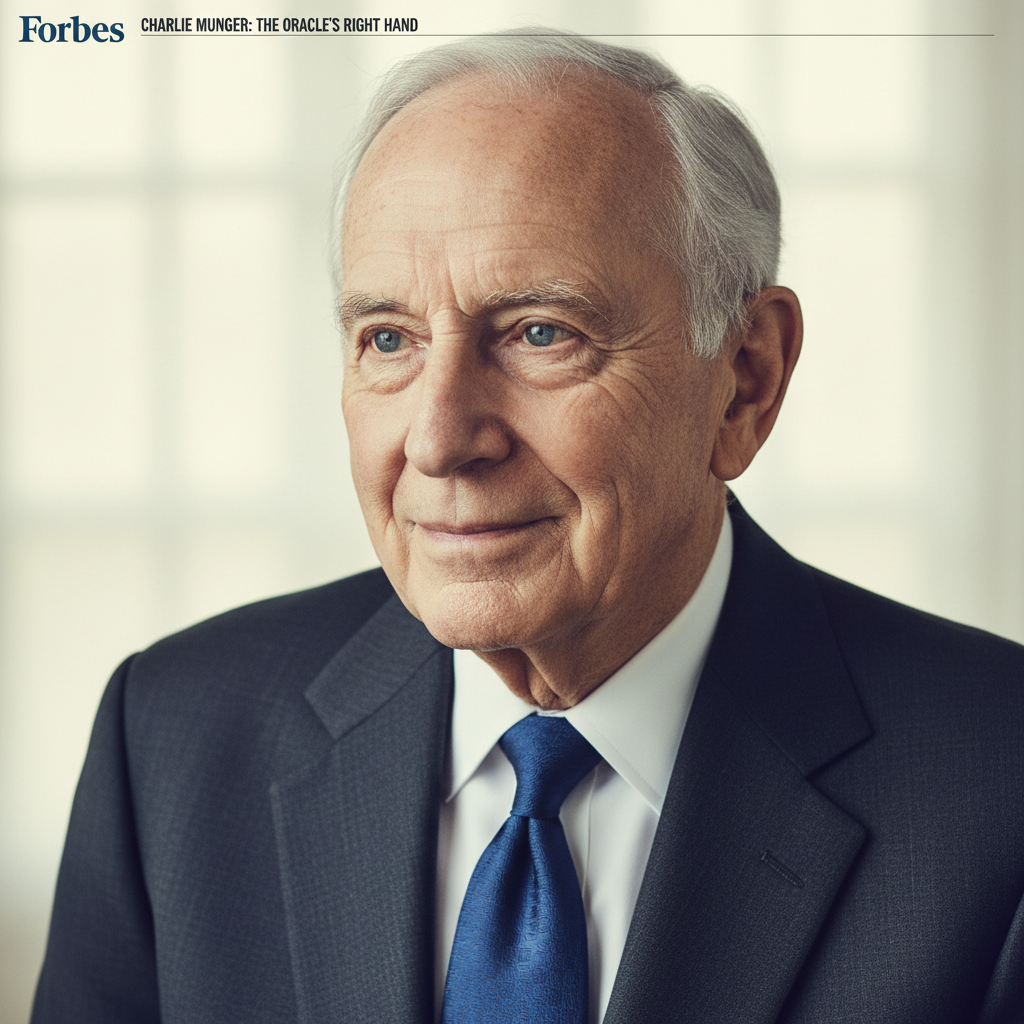
Portrait of Charlie Munger
USA / DIVERSIFIED HOLDINGS, INVESTMENT MANAGEMENT
Charlie Munger
The architect of modern value investing at Berkshire Hathaway, known for his multidisciplinary approach and acerbic wit.
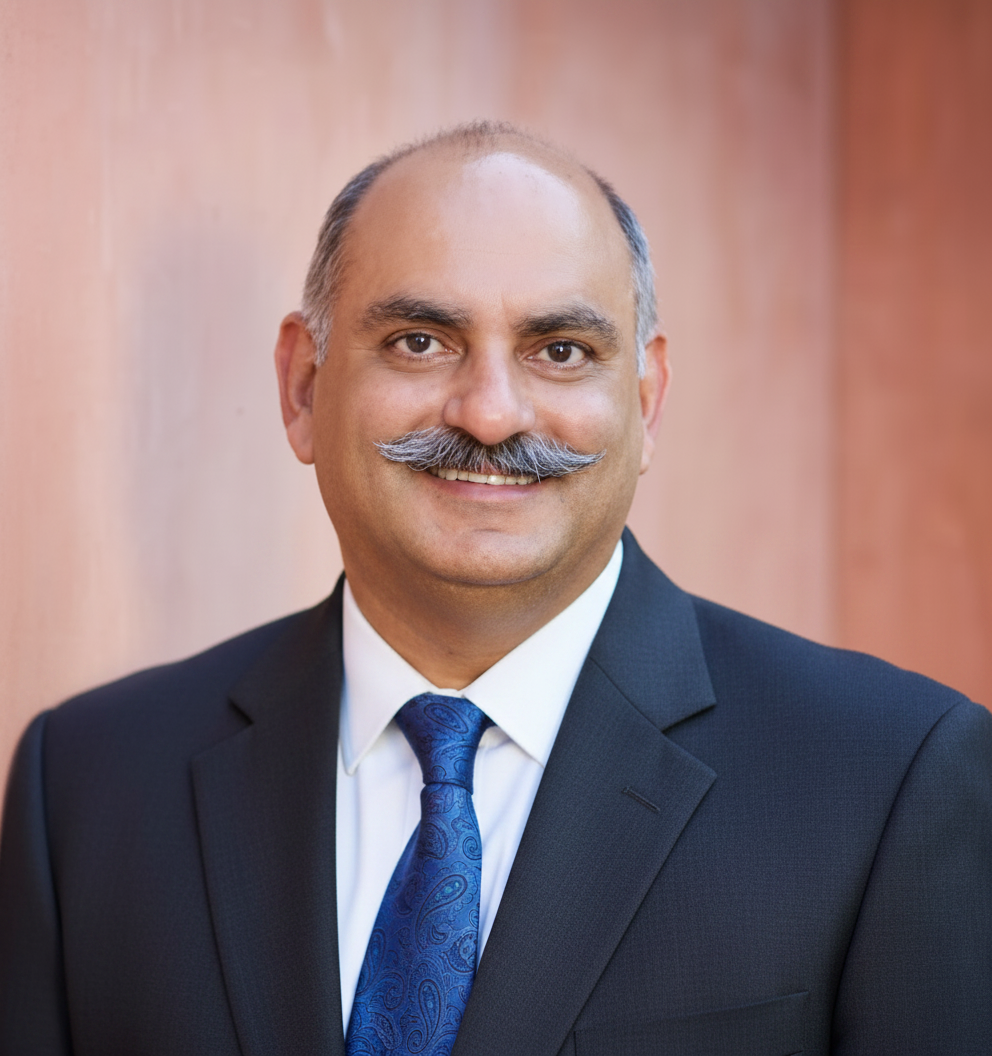
Portrait of Mohnish Pabrai
UNITED STATES / FINANCIAL SERVICES
Mohnish Pabrai
Pioneer of asymmetric 'heads I win, tails I don't lose much' value investing and zero-management-fee partnership structures.
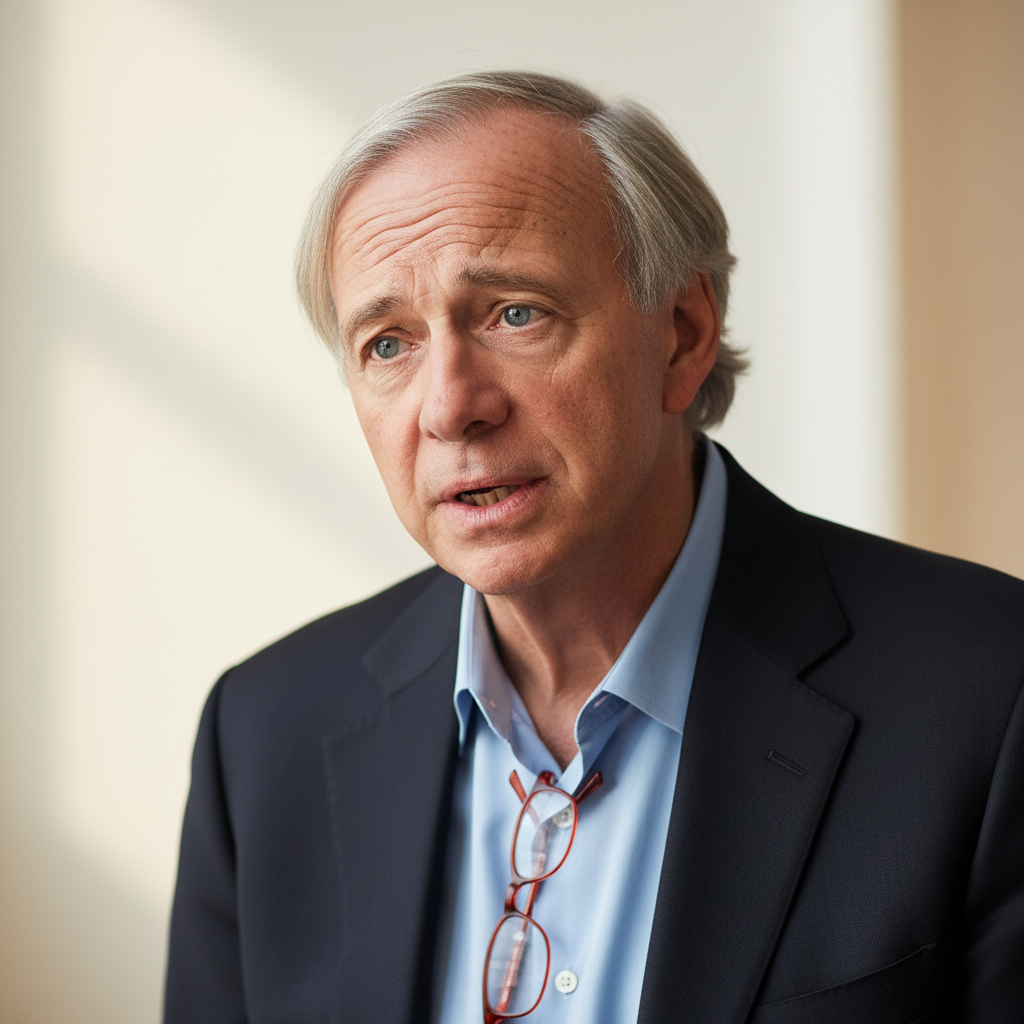
Portrait of Ray Dalio
UNITED STATES / INVESTMENT MANAGEMENT
Ray Dalio
The architect of 'radical transparency' and systematic investing, Ray Dalio built Bridgewater Associates into one of the world's largest and most influential hedge funds.
Portrait of J. Pierpont Morgan
UNITED STATES / BANKING & FINANCE
J. Pierpont Morgan
The architect of American industrial capitalism and financial stability.
Portrait of Sam Altman
UNITED STATES / ARTIFICIAL INTELLIGENCE, VENTURE CAPITAL
Sam Altman
Architect of Artificial General Intelligence and Venture Capital Visionary.
Portrait of Cosimo de' Medici
ITALY / BANKING, FINANCE, STATESMANSHIP
Cosimo de' Medici
The architect of Medici power, leveraging finance and cultural patronage to establish a dynastic legacy.
Portrait of Giovanni di Bicci de' Medici
ITALY / BANKING AND FINANCE
Giovanni di Bicci de' Medici
The silent architect of Florence's financial supremacy and the Medici dynasty.
Portrait of Anshu Jain
INDIA / FINANCIAL SERVICES
Anshu Jain
Anshu Jain: The architect of Deutsche Bank's global investment banking prowess, demonstrating aggressive expansion and risk management in a shifting financial landscape.
Portrait of Marcus Goldman
UNITED STATES / FINANCIAL SERVICES
Marcus Goldman
Pioneered the American commercial paper market and established the partnership foundation of Goldman Sachs.
United States

From United States

Browse all →
Portrait of Andrew Carnegie
UNITED STATES / STEEL & MANUFACTURING
Andrew Carnegie
The architect of American steel supremacy and a pioneering industrialist whose innovations in cost control and vertical integration reshaped global manufacturing.
Portrait of Warren Buffett
UNITED STATES / INVESTING
Warren Buffett
The Oracle of Omaha: Architect of long-term value investing and compounding returns through disciplined acquisition and intrinsic value focus.
Portrait of Jeff Bezos
UNITED STATES / TECHNOLOGY, RETAIL, LOGISTICS, CLOUD COMPUTING, SPACE EXPLORATION
Jeff Bezos
Architect of Amazon, pioneer of e-commerce, and visionary across cloud computing, logistics, and space exploration.
Portrait of Satya Nadella
UNITED STATES / TECHNOLOGY
Satya Nadella
Architect of Microsoft's cloud-first, AI-driven renaissance, shifting culture and strategy to drive sustained growth and market leadership.
Portrait of Bill Gates
UNITED STATES / SOFTWARE, TECHNOLOGY, PHILANTHROPY
Bill Gates
Co-founder of Microsoft, architect of the personal computing revolution, and global philanthropist.
Portrait of Mark Cuban
UNITED STATES / TECHNOLOGY, MEDIA, SPORTS, HEALTHCARE
Mark Cuban
Mark Cuban: The Prolific Disrupter – From Software Startups to Sports Franchises and Pharmaceutical Innovation, Leveraging Technology and Direct-to-Consumer Models.
Portrait of Sam Walton
UNITED STATES / RETAIL
Sam Walton
The architect of modern retail, pioneering discount merchandising and logistical efficiency to establish the world's largest retail corporation.
Portrait of Mohnish Pabrai
UNITED STATES / FINANCIAL SERVICES
Mohnish Pabrai
Pioneer of asymmetric 'heads I win, tails I don't lose much' value investing and zero-management-fee partnership structures.
Portrait of Walt Disney
UNITED STATES / ENTERTAINMENT
Walt Disney
Co-founder of The Walt Disney Company, pioneering animation, theme parks, and diversified entertainment.
Portrait of Henry Ford
UNITED STATES / AUTOMOTIVE
Henry Ford
The architect of mass production, democratizing the automobile through efficiency and scale.
Same Era

Contemporaries — born 1940s
Browse all →
Portrait of Ray Dalio
UNITED STATES / INVESTMENT MANAGEMENT
Ray Dalio
The architect of 'radical transparency' and systematic investing, Ray Dalio built Bridgewater Associates into one of the world's largest and most influential hedge funds.
Portrait of Bernard Arnault
FRANCE / LUXURY GOODS
Bernard Arnault
The architect of modern luxury, Bernard Arnault transformed LVMH into the world's leading luxury conglomerate.
Portrait of Michael Bloomberg
UNITED STATES / FINANCIAL DATA, MEDIA, PHILANTHROPY, GOVERNMENT
Michael Bloomberg
The architect of real-time financial information and a transformative civic leader.
Portrait of Larry Ellison
UNITED STATES / ENTERPRISE SOFTWARE
Larry Ellison
Oracle's Architect: A relentless competitor who built the dominant enterprise database and cloud platform.
Portrait of David M. Rubenstein
UNITED STATES / PRIVATE EQUITY
David M. Rubenstein
Co-Founder and Executive Chairman of The Carlyle Group, a global investment firm.
Portrait of Stephen Schwarzman
UNITED STATES / FINANCIAL SERVICES
Stephen Schwarzman
Co-founder, Chairman, and CEO of Blackstone, Stephen A. Schwarzman engineered the firm's evolution into the world's largest alternative asset manager.
Portrait of John Menard Jr.
UNITED STATES / RETAIL, HOME IMPROVEMENT
John Menard Jr.
The architect of a 'big box' retail empire, known for extreme cost control and an unwavering focus on operational efficiency.
Portrait of Alfred West
UNITED STATES / FINANCIAL TECHNOLOGY (FINTECH)
Alfred West
Pioneering financial technology entrepreneur who founded and led SEI Investments, revolutionizing asset management and investment processing.
Portrait of Narayana Murthy
INDIA / INFORMATION TECHNOLOGY
Narayana Murthy
Pioneered India's global IT services export boom through ethical leadership and software innovation.
Portrait of Sir Martin Sorrell
UNITED KINGDOM / MARKETING & ADVERTISING
Sir Martin Sorrell
The architect of WPP, transforming a wire-basket manufacturer into the world's largest advertising and marketing services company.