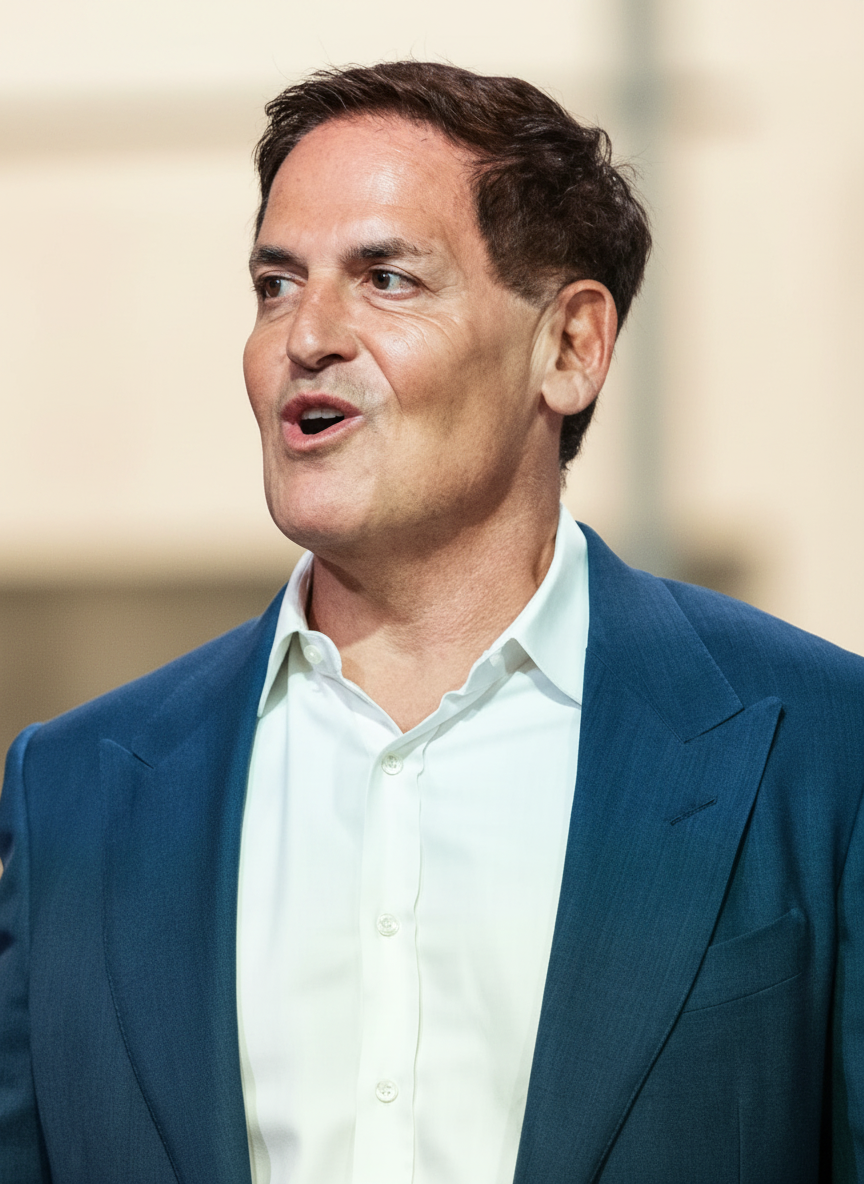
David M. Rubenstein
Co-Founder and Executive Chairman of The Carlyle Group, a global investment firm.
David M. Rubenstein is an American billionaire businessman and philanthropist. He is a co-founder and co-chairman of The Carlyle Group, one of the world's largest and most successful private equity firms. Rubenstein's career spans law, government, and finance, culminating in the creation of Carlyle in 1987, which grew into a global powerhouse managing hundreds of billions in assets across diverse investment strategies.
Biography
Accomplishments
- 01Co-founded The Carlyle Group in 1987, transforming it into one of the world's largest and most successful private equity firms, managing hundreds of billions in assets.
- 02Successfully diversified Carlyle's investment strategies beyond traditional leveraged buyouts to include real estate, credit, energy, and infrastructure, ensuring long-term growth and resilience.
- 03Led Carlyle's global expansion, establishing a significant presence in key markets across North America, Europe, Asia, and other regions, attracting a diverse global investor base.
- 04Orchestrated numerous high-profile and profitable deals, such as the acquisition of Booz Allen Hamilton (2008) and Dunkin' Brands (2005), demonstrating strategic deal-making prowess.
- 05Successfully took The Carlyle Group public on NASDAQ (CG) in 2012, providing liquidity for early investors and establishing a permanent capital base.
- 06Pioneered a distinctive leadership model at Carlyle with a strong emphasis on partnership, talent development, and a culture of performance and integrity.
- 07Became a leading voice in global finance and philanthropy, leveraging his platform to advocate for education, historical preservation, and economic growth.
Lessons for Operators
Key Takeaways
Practical lessons distilled for operators, investors, C-levels, and capital allocators.
The Power of Partnership
Rubenstein's success with Carlyle is inseparable from his co-founders. The synergy of complementary skills – Rubenstein's networking and fundraising, Conway's financial acumen, and D'Aniello's operational expertise – created a formidable team. Actionable for operators: Identify co-founders or key partners whose strengths fill your weaknesses, fostering a robust leadership team.
Strategic Diversification
Carlyle did not remain solely a leveraged buyout firm. It systematically expanded into real estate, credit, energy, and emerging markets. This reduced reliance on any single strategy or geography, smoothing out returns and expanding its addressable market. Actionable for investors: Don't anchor to a single asset class or region; continuously evaluate and diversify your portfolio to adapt to market cycles.
Relationship Capital is King
Rubenstein's extensive network from his legal and government background was pivotal in attracting initial investors and opening doors for deal origination. His ability to connect with high-net-worth individuals and institutional allocators was a core competitive advantage. Actionable for C-levels: Actively cultivate and maintain a broad professional network; these relationships are invaluable for capital raising, strategic partnerships, and talent acquisition.
Long-Term Vision and Patience
Building a firm like Carlyle takes decades. Rubenstein consistently emphasized long-term value creation over short-term gains, allowing the firm to weather economic downturns and build enduring franchises. Actionable for fund managers: Resist the pressure for immediate returns; focus on fundamental value, disciplined investing, and be prepared to hold assets for their full realization potential.
The Importance of Intellectual Curiosity
Rubenstein is known for his wide-ranging interests, from history to current affairs. This intellectual curiosity likely informed his strategic thinking, risk assessment, and ability to identify nascent trends. Actionable for leaders: Continuously learn and explore diverse subjects; broader knowledge enhances decision-making and fosters adaptability in dynamic environments.
Frameworks & Principles
Named frameworks and strategic principles they popularized or embodied.
The 'Three Pillars' Partnership Model
This framework emphasizes creating a leadership structure where co-founders or key executives bring distinct, complementary skill sets (e.g., fundraising/external relations, investment strategy/deal execution, operational management/internal build-out). This distributed expertise reduces single points of failure and enhances decision-making across critical functions.
When to useApplicable when forming a new venture, restructuring a leadership team, or scaling an organization where diverse executive competencies are required for multifaceted challenges. Ensures balanced leadership and comprehensive oversight.
Global Diversification Strategy (Asset & Geography)
A strategy focused on spreading investment risk and opportunity across various asset classes (e.g., private equity, real estate, credit, infrastructure) and geographical regions. This mitigates localized market volatility and allows access to different growth drivers worldwide.
When to useRelevant for institutional investors, fund managers, and large enterprises seeking to optimize portfolio returns, manage risk, and identify growth opportunities beyond their core markets. Essential in an interconnected global economy.
Network-Driven Deal Origination & Fundraising
This framework prioritizes the cultivation and leveraging of extensive professional networks to source investment opportunities, attract capital, and build strategic relationships. It views personal connections as a primary engine for business growth.
When to useCrucial for private equity firms, venture capitalists, investment banks, and any business heavily reliant on deal flow and capital raising. Also valuable for startups seeking angel or VC funding and for executives building alliances.
Recent Appearances
Latest interviews, keynotes, and press from the past half year.
 youtube.com
 youtube.com
 youtube.com
 youtube.comyoutube.com
 youtube.com
 youtube.com
 youtube.com
 youtube.com
 youtube.com
 youtube.com
 youtube.com
 youtube.com
 youtube.com
 youtube.com
 youtube.com
 youtube.com
 youtube.com
 youtube.com
 youtube.com
 youtube.com
 youtube.com
 youtube.com
 youtube.com
 youtube.com
 youtube.com
Sources & Further Reading
Profiles, interviews, podcasts, and articles used to compile and verify this entry. Each link opens at the original publisher.
Explore Related Titans
Other figures in the archive who share David M. Rubenstein's domain, geography, or era.
More in Finance & Investing







From United States






Contemporaries — born 1940s