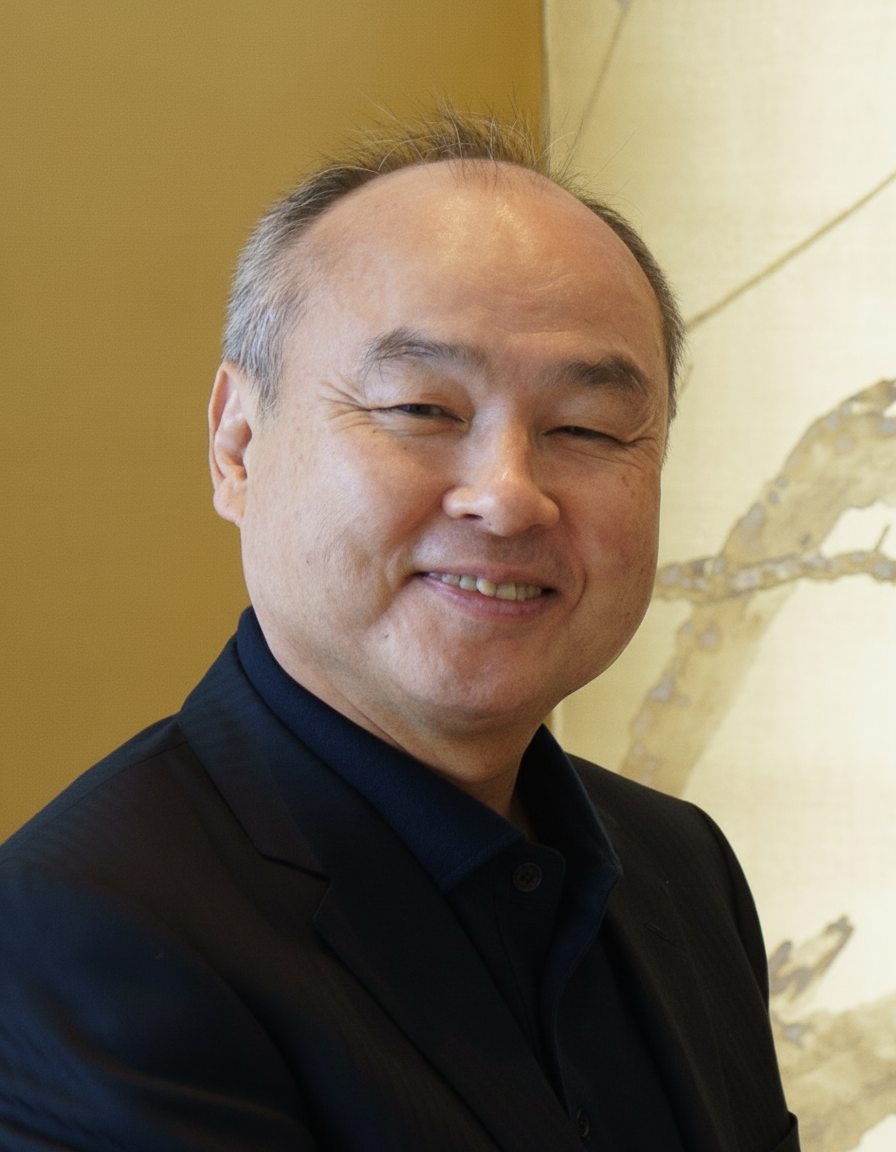
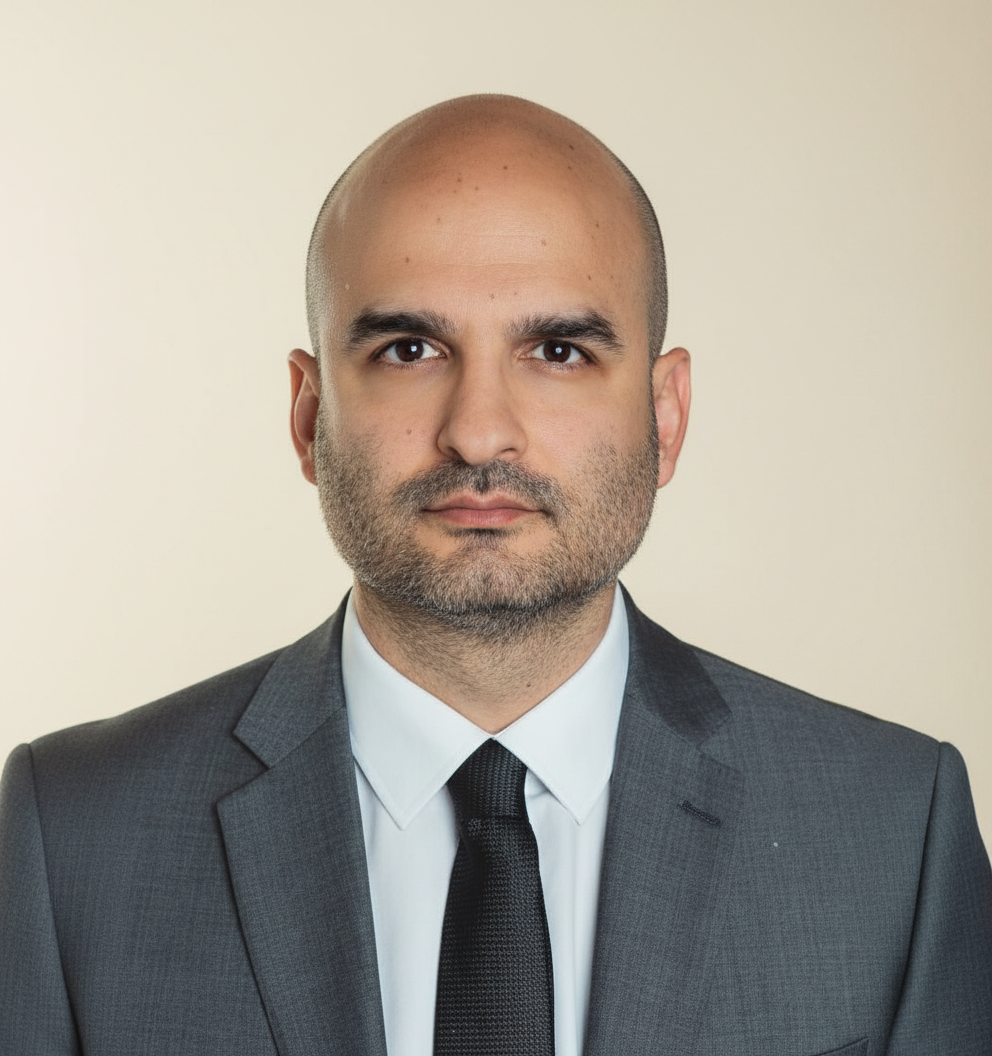
Marc Dunoyer
Architect of strategic financial growth and M&A integration in the global pharmaceutical sector.
Marc Dunoyer is a seasoned pharmaceutical executive known for his financial acumen and strategic leadership. As Executive Director and Chief Financial Officer of AstraZeneca since 2013, he has been instrumental in the company's financial turnaround, strategic M&A activities, and capital allocation, notably overseeing the integration of Alexion Pharmaceuticals. His career spans senior roles at GSK, where he was Global Head of Pharmaceuticals Asia Pacific, and Roussel Uclaf.
Biography
Accomplishments
- 01Led AstraZeneca's financial strategy through a period of significant turnaround and growth (2013-present), overseeing substantial R&D investments and capital allocation.
- 02Instrumental in resisting Pfizer's unsolicited takeover bid for AstraZeneca in 2014, articulating and defending the company's long-term independent value proposition.
- 03Orchestrated the financial aspects and integration strategy for AstraZeneca's $39 billion acquisition of Alexion Pharmaceuticals (2021), the largest in AstraZeneca's history.
- 04Served as interim CEO of Alexion Pharmaceuticals post-acquisition, ensuring smooth integration while preserving the acquired company's rare disease expertise and operations.
- 05Managed global financial operations and strategic expansion for GSK's Asia Pacific and Japan region, demonstrating expertise in diverse and emerging markets.
- 06Spearheaded AstraZeneca's financial resilience and balance sheet management during the COVID-19 pandemic, supporting rapid vaccine development and global distribution efforts.
Lessons for Operators
Key Takeaways
Practical lessons distilled for operators, investors, C-levels, and capital allocators.
CFO as a Strategic Co-Pilot
Dunoyer's tenure illustrates that a modern CFO is not merely a financial steward but an active co-pilot in shaping corporate strategy, particularly in M&A, R&D funding, and market defense. For operators, this means aligning financial plans with strategic objectives; for investors, it highlights the importance of financial leadership in value creation.
Defense Through Articulated Value
His role in resisting the Pfizer bid demonstrates that a compelling narrative of future value, supported by detailed financial projections and a clear long-term strategy, can successfully defend against hostile takeovers. Investors should scrutinize management's long-term vision and its financial underpinning.
Intentional Integration Leadership
Taking on the interim CEO role at Alexion post-acquisition underscores the importance of direct, focused leadership during critical integration phases. This ensures that the acquired entity's unique value is preserved while synergies are captured. M&A practitioners should consider dedicated interim leadership for complex integrations.
Capital Allocation for Innovation
AstraZeneca's resurgence under Dunoyer's financial guidance is closely linked to aggressive, yet disciplined, capital allocation towards R&D, particularly in high-growth therapeutic areas. This strategy prioritizes long-term pipeline strength over short-term financial metrics. Investors should assess a company's R&D efficiency and portfolio strategy.
Global Market Agility
Dunoyer's extensive experience in diverse global markets, particularly Asia Pacific, informs AstraZeneca's approach to market access and expansion. Understanding regional nuances and regulatory landscapes is vital for global pharmaceutical success. Operators must cultivate leaders with broad international exposure.
Financial Prudence in Growth
While driving aggressive growth and M&A, Dunoyer maintained financial discipline, ensuring a strong balance sheet and prudent risk management. This balance is critical to sustain growth and weather economic downturns. Capital allocators should look for evidence of both growth ambition and financial stability.
Frameworks & Principles
Named frameworks and strategic principles they popularized or embodied.
Strategic Capital Allocation Model
This framework involves prioritizing investment in areas with the highest potential for long-term growth and return (e.g., specific R&D pipelines, strategic acquisitions) while divesting non-core assets. It emphasizes a dynamic, forward-looking approach to capital deployment.
When to useWhen a company needs to re-invigorate growth, re-align its portfolio, or respond to market shifts. Essential for CFOs and executive teams making large investment decisions in R&D, M&A, or market expansion.
M&A Integration Blueprint (Leadership-Driven)
A structured approach to post-merger integration where key leadership roles from the acquiring company (e.g., CFO) temporarily assume operational control of the acquired entity. This ensures swift alignment, cultural bridging, and the preservation of critical value drivers while realizing synergies.
When to useFor large, complex acquisitions where preserving the unique culture, talent, or operational expertise of the acquired company is paramount, alongside achieving financial and strategic synergies. Useful for M&A teams and integration leaders.
Value Defense Strategy (Anti-Takeover)
A proactive and reactive plan to defend against unsolicited takeover bids. It involves clearly articulating the standalone company's long-term value proposition, backed by robust financial projections, strategic plans, and communicating this effectively to shareholders and the market.
When to useApplicable for companies, especially those in high-growth or undervalued sectors, that may become targets. Essential for boards, executive leadership, and investor relations teams to prepare for and execute during a takeover attempt.
Recent Appearances
Latest interviews, keynotes, and press from the past half year.

Explore Related Titans
Other figures in the archive who share Marc Dunoyer's domain, geography, or era.
More in Technology







From France







Contemporaries — born 1950s