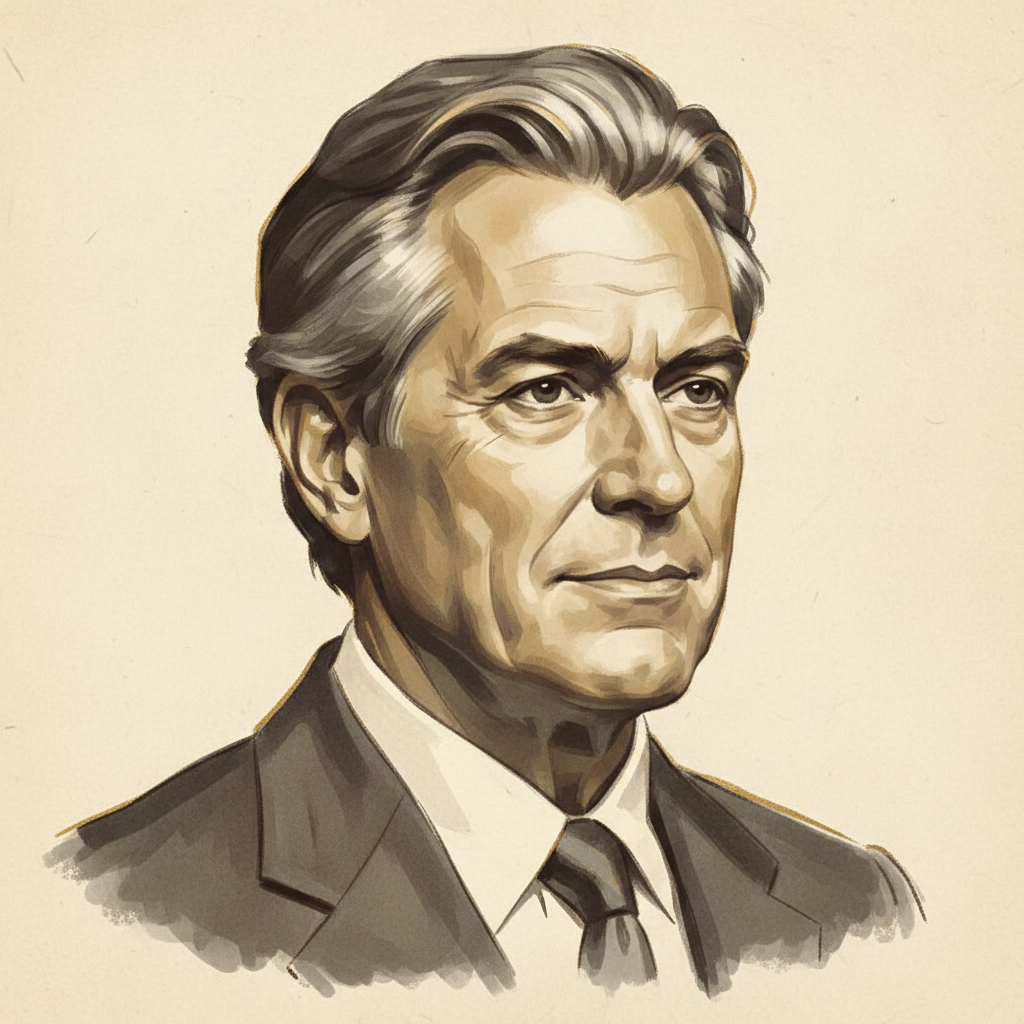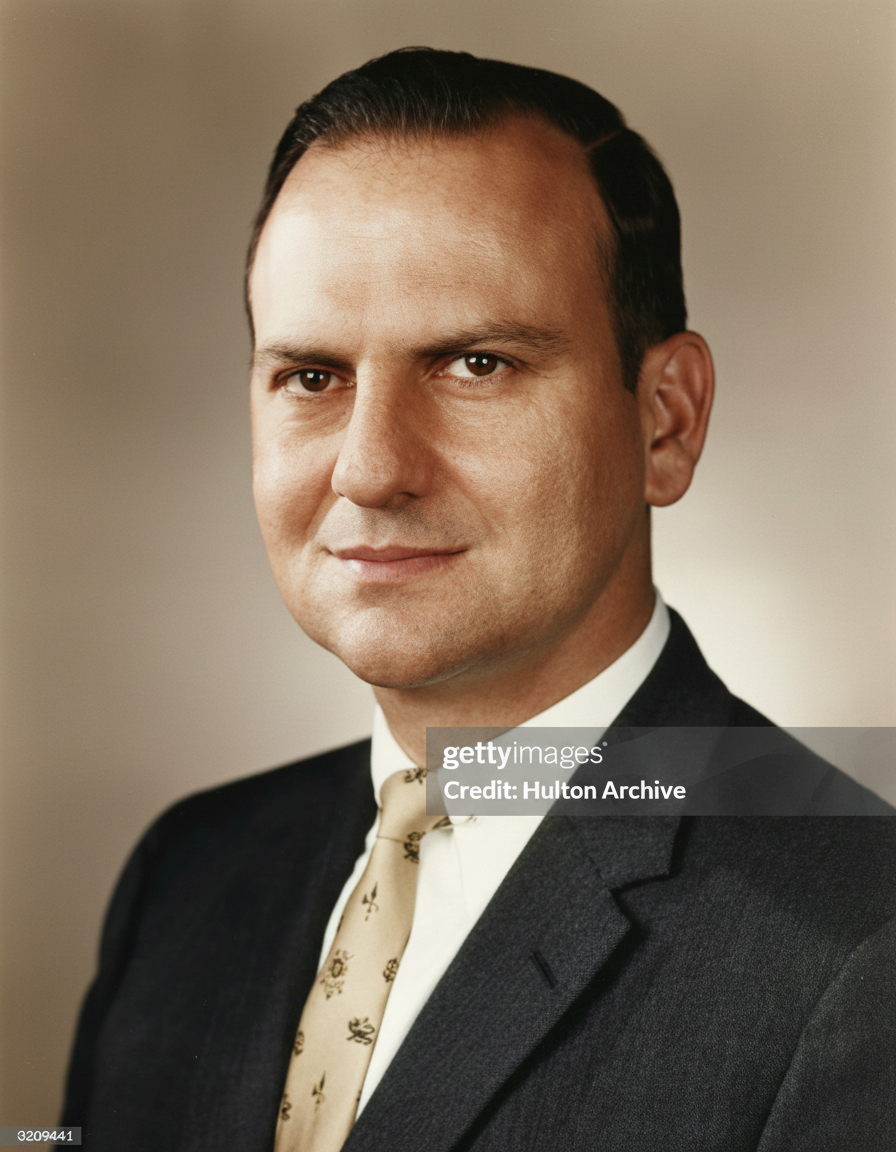
Lee Iacocca
The maverick automotive executive who saved Chrysler from bankruptcy and engineered the Ford Mustang.
Lido Anthony 'Lee' Iacocca was an American automobile executive credited with developing the Ford Mustang and Pinto cars, and for reviving the Chrysler Corporation as its CEO during the 1980s. His career demonstrated a blend of ambitious product development, strong leadership, and controversial cost-cutting measures.
Biography
Accomplishments
- 01Led the product development team for the original Ford Mustang (launched 1964), generating unprecedented sales and establishing a new vehicle segment.
- 02Served as President of Ford Motor Company (1970-1978), overseeing global operations and product strategy.
- 03Orchestrated the turnaround of Chrysler Corporation from near-bankruptcy, securing a $1.5 billion federal loan guarantee in 1979 and returning the company to profitability.
- 04Introduced the highly successful K-Car platform (e.g., Dodge Aries, Plymouth Reliant, beginning 1981) and the minivan (e.g., Dodge Caravan, Plymouth Voyager, beginning 1983), which became major revenue drivers for Chrysler.
- 05Repaid the $1.5 billion federal loan guarantee seven years ahead of schedule (by 1983), restoring public and investor confidence in Chrysler.
- 06Authored 'Iacocca: An Autobiography' (1984), which became a best-seller and further cemented his public persona and business philosophy.
Lessons for Operators
Key Takeaways
Practical lessons distilled for operators, investors, C-levels, and capital allocators.
Visionary Product Leadership
Iacocca's tenure at Ford, particularly with the Mustang, showcased the power of a clear product vision aligned with emerging market trends. He understood that market analysis combined with bold design could redefine consumer expectations and create entirely new revenue streams. Investors should seek leaders who can not only manage existing product lines but also foresee and catalyze future market demand.
Crisis Management & Turnaround Strategy
His work at Chrysler is a masterclass in corporate rescue. Iacocca demonstrated that a combination of aggressive cost reductions, strategic government partnership (when available), and compelling new product introductions can reverse even dire financial situations. He understood that a leader in crisis must be both a negotiator and a visionary communicator to rally internal and external stakeholders. Boards and investors should scrutinize management's detailed turnaround plans, focusing on both financial and operational levers.
The Power of Persuasion and Public Image
Iacocca's personal involvement in Chrysler's advertising campaigns was unconventional yet highly effective. He leveraged his credibility and straightforward communication style to rebuild trust with the American public, convincing them to buy Chrysler products and support the loan guarantees. This highlights that a CEO's ability to be a public face for the company, especially during challenging times, can be an invaluable asset in shaping perception and driving sales.
Execution and Accountability
Beyond vision, Iacocca was known for his relentless focus on execution and holding subordinates accountable, famously saying, 'We are driven by results.' He implemented a culture where goals were clearly defined, and performance was closely monitored. Operators should establish clear metrics and consistently review against them, ensuring every department contributes to overarching strategic objectives.
Navigating Political & Economic Landscapes
Securing the federal loan guarantee for Chrysler required Iacocca to navigate complex political landscapes in Washington D.C. He understood that business success, particularly for large enterprises, often depends on political savvy and the ability to articulate economic impact to policymakers. Leaders must develop robust government relations strategies, especially in regulated industries or during periods of economic instability.
Frameworks & Principles
Named frameworks and strategic principles they popularized or embodied.
Product-Led Market Creation
Focus on identifying untapped market needs or desires and developing products that uniquely fulfill them, thereby creating new segments or significantly expanding existing ones. This goes beyond incremental improvements to existing offerings.
When to useWhen entering a saturated market, seeking growth beyond current offerings, or when a clear consumer trend is emerging but not yet fully capitalized on by existing products. Requires deep market empathy and design innovation.
The Turnaround Manifesto
A multi-pronged approach to corporate rescue involving immediate and aggressive cost-cutting, renegotiation with all stakeholders (unions, suppliers, creditors), securing external financing (potentially government-backed), and simultaneously launching compelling new products to re-engage the market.
When to useWhen a company faces imminent bankruptcy, severe financial distress, or fundamental business model obsolescence. It demands ruthless prioritization, decisive leadership, and sustained communication under pressure.
The CEO as Brand Ambassador
The strategic use of the CEO's personal credibility and public persona to directly communicate with customers, investors, and the public. This builds trust, humanizes the corporate brand, and can be particularly effective during crises or major product launches.
When to useDuring periods of significant corporate change, crisis management, major product introductions, or when a company's reputation needs rebuilding. Requires a CEO who is articulate, authentic, and willing to be a public face.
Sources & Further Reading
Profiles, interviews, podcasts, and articles used to compile and verify this entry. Each link opens at the original publisher.
Explore Related Titans
Other figures in the archive who share Lee Iacocca's domain, geography, or era.
More in Transportation & Logistics





From USA





Contemporaries — 20th century