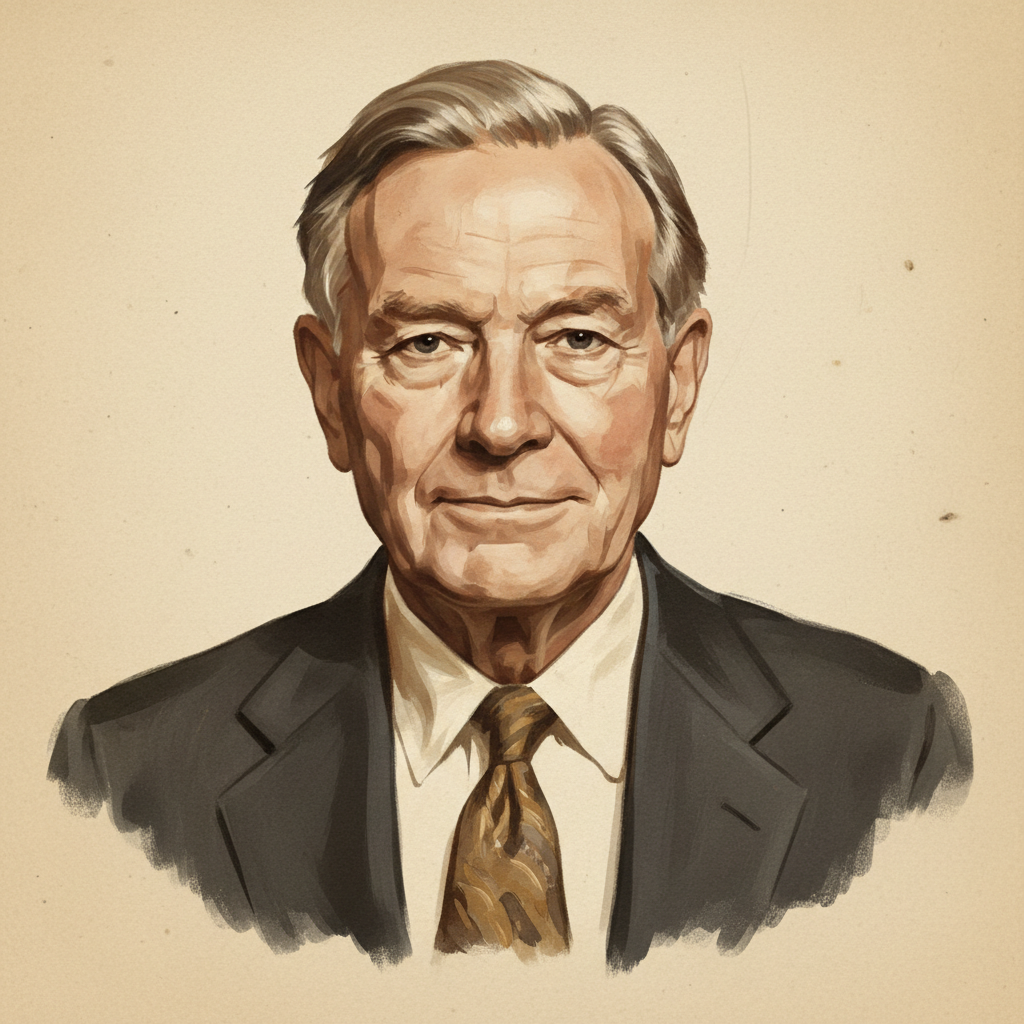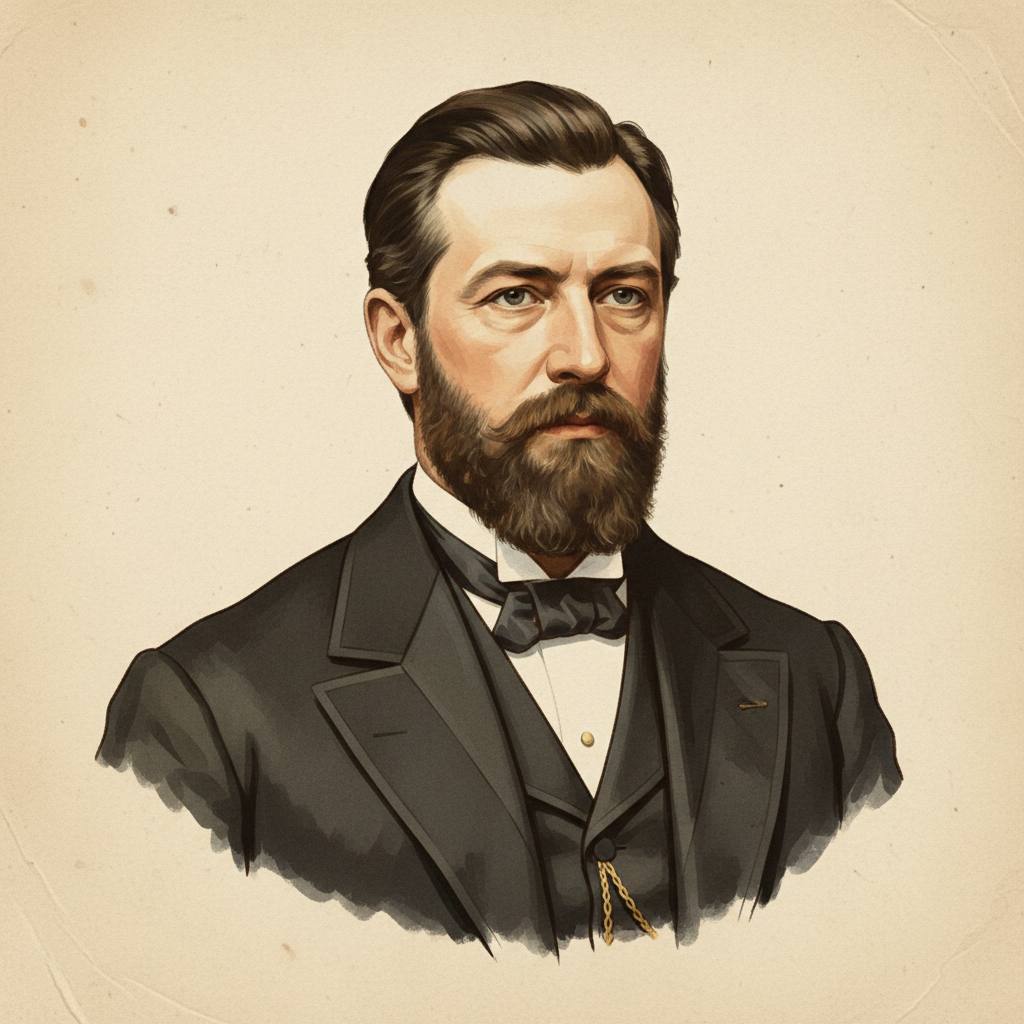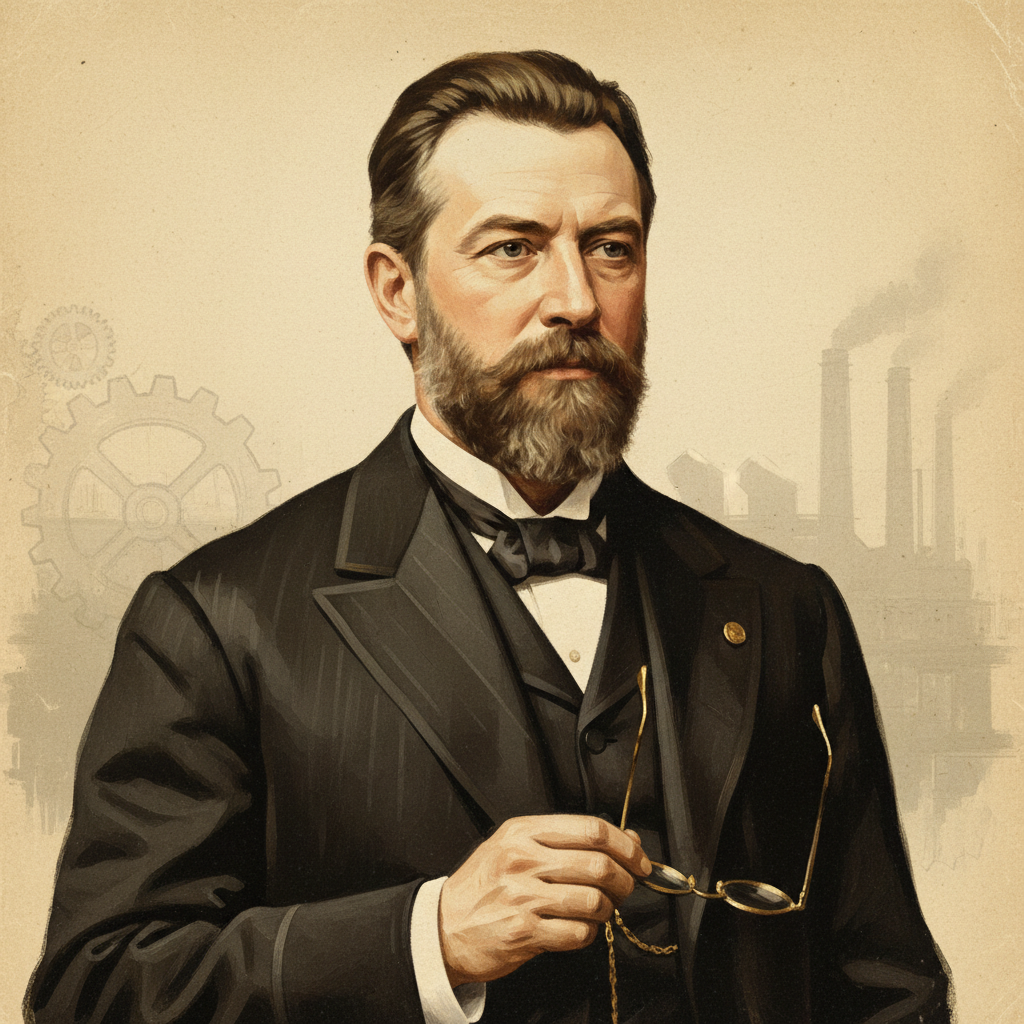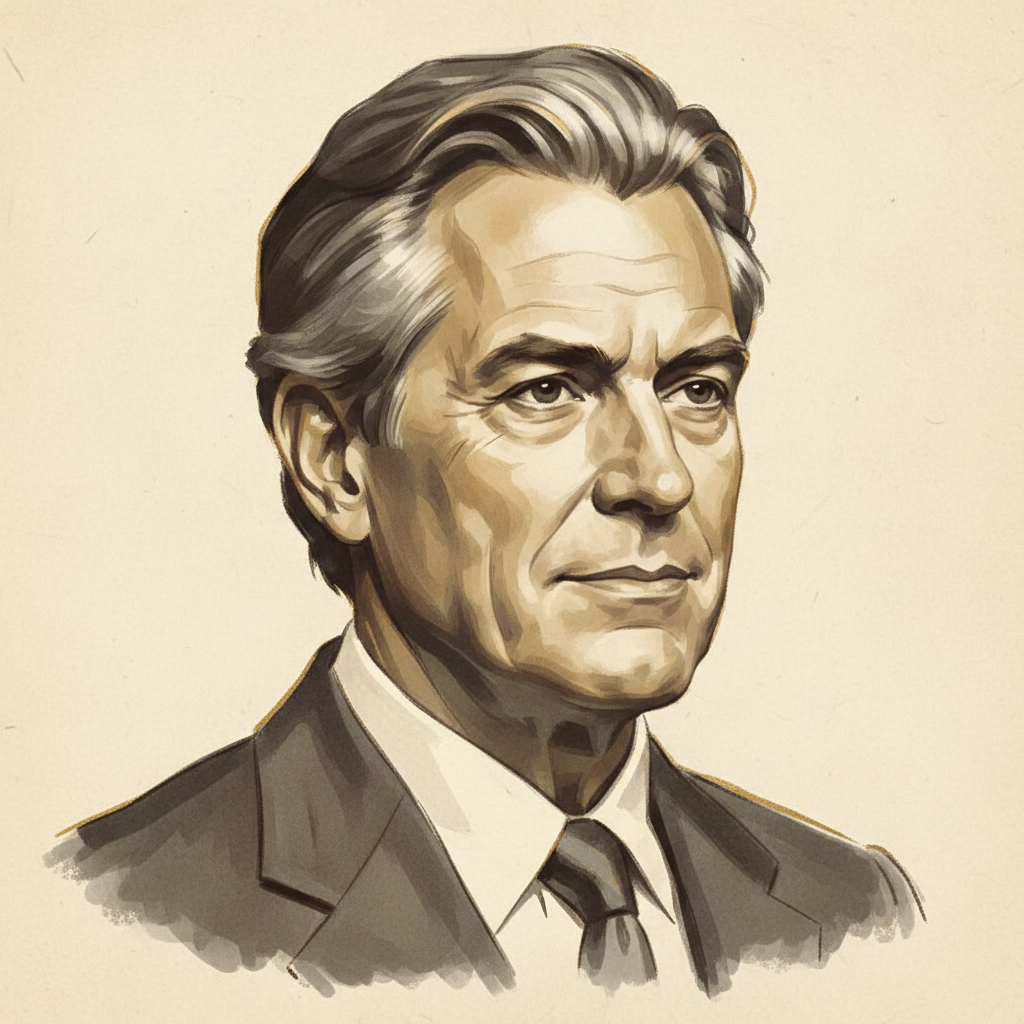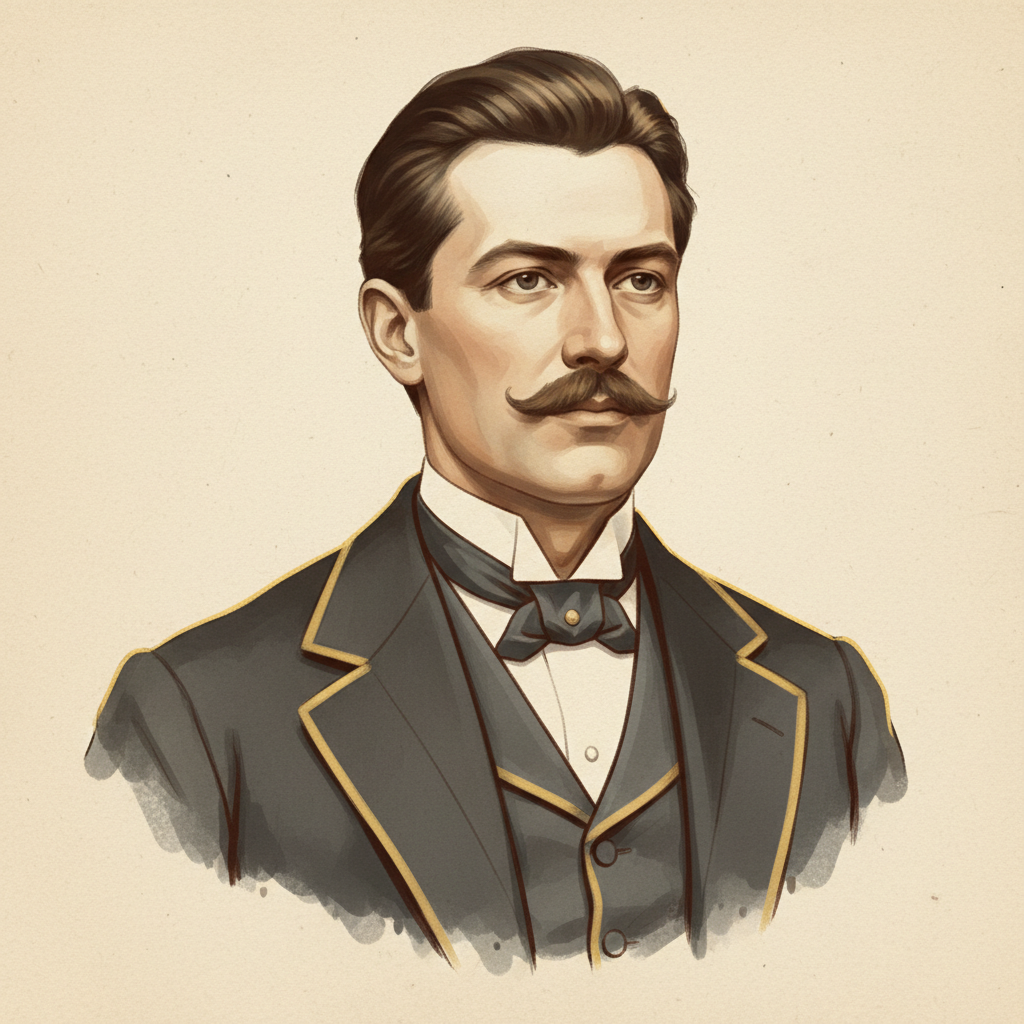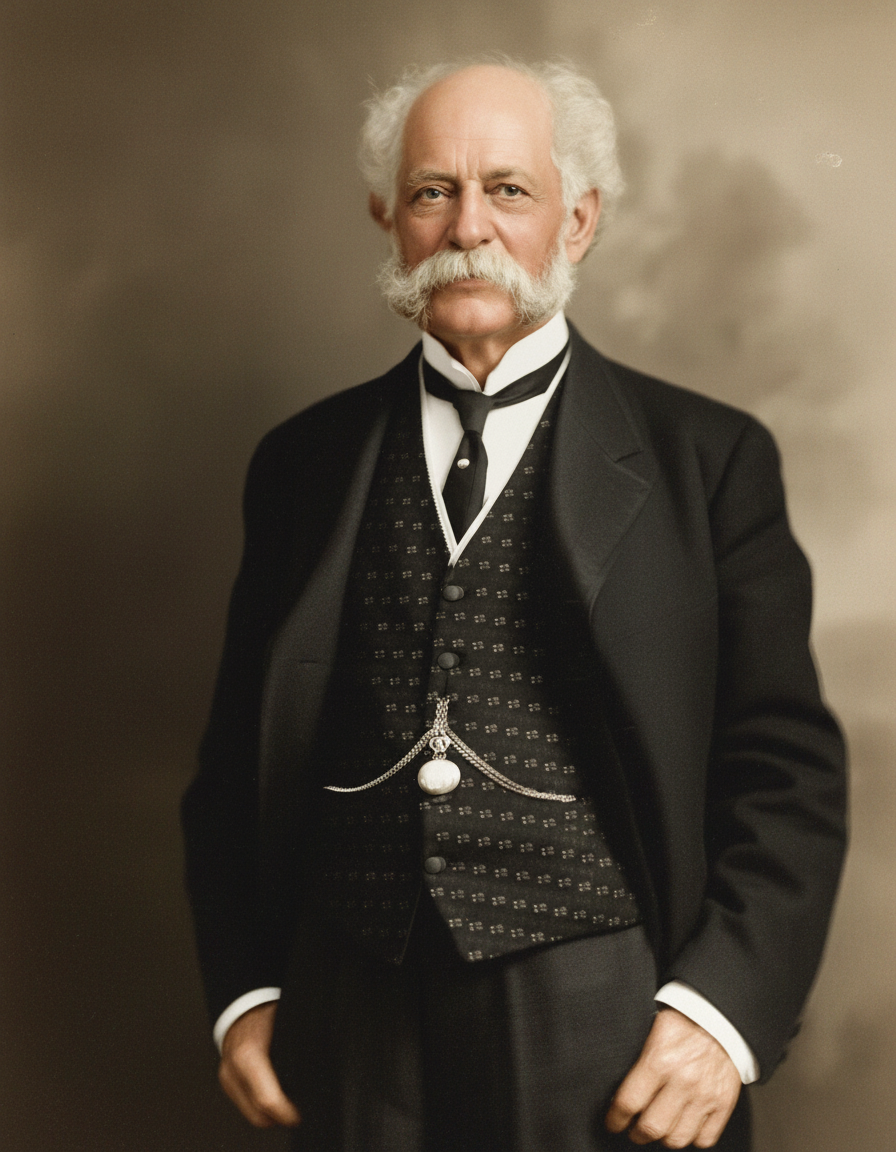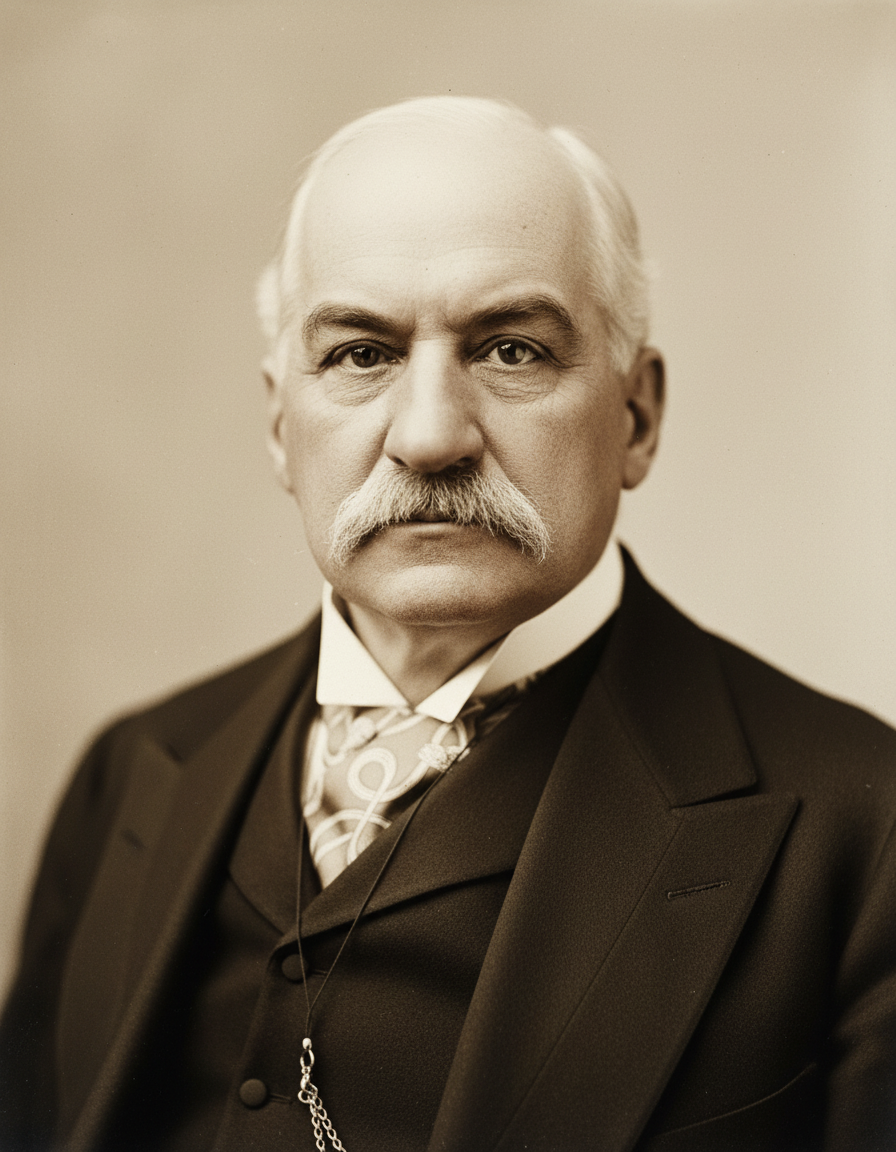
Portrait of J.P. Morgan
Historical Mind · 1837 — 1913

J.P. Morgan

The architect of industrial consolidation and modern finance.

Country
United States
Continent
North America
Industry
Finance and Industrial Consolidation
Role
Financier, Banker, Industrial Reorganizer

J. Pierpont Morgan was a dominant American financier and banker who, through his firm J.P. Morgan & Co., financed and orchestrated the consolidation of numerous major industries, including railroads, steel, and electrical power. He profoundly influenced the structure of American capitalism during the Gilded Age and Progressive Era, famously creating General Electric and U.S. Steel, and decisively intervening to stabilize the U.S. financial system during multiple crises.

Biography

John Pierpont Morgan (1837-1913) was born into a prominent New England family, the son of Junius Spencer Morgan, a wealthy international banker. After receiving a comprehensive education in Switzerland and Germany, he began his career in his father's London banking house in 1857. In 1861, he established J.P. Morgan & Co. in New York, which rapidly became a preeminent financial institution. Morgan's true genius lay not merely in lending capital but in industrial reorganization and consolidation. He identified struggling or fragmented industries, provided the necessary financing, and then imposed his vision for efficiency and stability, often demanding representation and control on boards of directors. His methodology, known as 'Morganization,' transformed competitive landscapes into more stable, profitable oligopolies. His most celebrated feats include the reorganization of the American railway system in the late 19th century, rescuing numerous lines from bankruptcy and integrating them into more coherent networks. In 1892, he orchestrated the merger of Edison General Electric Company with Thomson-Houston Electric Company to form General Electric, a powerhouse that dominated the burgeoning electrical industry. His crowning achievement was the creation of the United States Steel Corporation in 1901, the world's first billion-dollar corporation, by consolidating Andrew Carnegie's steel holdings with others. Morgan's influence extended beyond business. He was instrumental in stabilizing the U.S. financial system during the Panic of 1893 and, most famously, during the Panic of 1907, where he personally organized a consortium of bankers to inject liquidity into the system, preventing a full-scale collapse in the absence of a central bank. This intervention underscored his immense power and the lack of governmental financial oversight at the time, eventually leading to the creation of the Federal Reserve System. His legacy is complex: lauded for bringing order to chaotic industries and stabilizing financial markets, yet criticized for monopolistic practices and immense personal wealth accumulation. Morgan's life exemplified the era's 'robber baron' and 'captain of industry' paradox, leaving an indelible mark on American business and demonstrating the profound power of organized capital.

Accomplishments

  • 01Formed General Electric (GE) in 1892 through the merger of Edison General Electric Company and Thomson-Houston Electric Company, creating a dominant force in the electrical industry.
  • 02Orchestrated the creation of U.S. Steel Corporation in 1901, purchasing Andrew Carnegie's steel interests and combining them with others to form the world's first billion-dollar corporation, effectively stabilizing the volatile steel market.
  • 03Led the consolidation and reorganization of numerous major U.S. railroads in the late 19th century, including the Northern Pacific Railway and the Baltimore & Ohio Railroad, bringing financial stability and efficiency to a chaotic network.
  • 04Played a pivotal role in averting a complete collapse of the U.S. financial system during the Panic of 1907 by personally assembling a consortium of bankers and pledging significant capital to stabilize banks and the stock market.
  • 05Established J.P. Morgan & Co. as one of the most powerful and influential investment banks globally, serving as a model for modern financial institutions.

Lessons for Operators

Consolidate strategically: Morgan understood that efficiency and control could be achieved by merging fragmented industries, reducing destructive competition, and realizing economies of scale. Actionable: Identify industries ripe for consolidation where capital allocation can create dominant market positions and reduce systemic risk.
Impose order through financial leverage: Morgan frequently demanded control and board seats in exchange for capital, ensuring his vision for efficiency and stability was implemented. Actionable: When providing significant financing, secure governance rights that allow for direct influence over strategic direction and operational improvements.
Act as a market maker of last resort: During financial crises (1893, 1907), Morgan stepped in where government institutions couldn't, providing the liquidity and confidence needed. Actionable: In times of severe market dislocation, strategically deploy capital to support essential infrastructure or stabilize critical markets, recognizing potential long-term advantages.
Build a reputation for integrity and reliability: Morgan's word and commitments were widely trusted, which was crucial for organizing large syndicates and negotiating complex deals. Actionable: Maintain an unwavering commitment to financial integrity and reliability; trustworthiness is a foundational asset for large-scale capital formation and deployment.
Understand the power of scale: His creations like U.S. Steel demonstrated that assembling vast resources under unified management could yield unprecedented industrial power and market control. Actionable: Seek opportunities to achieve dominant scale in fragmented markets, understanding that size can create barriers to entry and operational efficiencies.
The Operator's Playbook

Key Takeaways

Practical lessons distilled for operators, investors, C-levels, and capital allocators.

Lesson 01

The Power of Strategic Consolidation

Morgan's primary vehicle for wealth creation and industrial influence was buying out competitors and merging them into larger, more stable entities. This reduced ruinous internecine competition, rationalized production, and created powerful, vertically integrated monopolies or oligopolies. This strategy yielded greater pricing power and predictability.

Lesson 02

Capital as a Lever for Control

He didn't just lend money; he invested and demanded representation, often appointing his own men to the boards of companies he financed. This 'Morganization' allowed him to implement his vision for efficiency, cost-cutting, and long-term planning, fundamentally altering business operations and governance.

Lesson 03

Crisis as Opportunity

During financial panics, Morgan acted decisively, deploying his firm's capital and influencing other financiers to stabilize markets. These interventions not only solidified his reputation as a financial titan but also presented opportunities to acquire distressed assets at favorable terms and reshape industries.

Lesson 04

Long-Term Vision over Short-Term Gains

Morgan was known for his patient capital and willingness to invest for the long haul, focusing on fundamental value and industrial stability rather than speculative plays. He built enduring enterprises like General Electric by prioritizing robust capital structures and sound management.

Lesson 05

Reputation and Trust are Paramount

In an era without robust financial regulations, Morgan's personal reputation and the trustworthiness of his firm were critical. His ability to rally disparate capital providers and assure them of a solid return on investment relied heavily on personal credibility.

Mental Models

Frameworks & Principles

Named frameworks and strategic principles they popularized or embodied.

01

Morganization

A financial and management strategy involving the acquisition and consolidation of fragmented or distressed businesses within an industry, followed by the imposition of rationalized management, cost controls, and a more stable capital structure, often resulting in oligopolistic market dominance. Morgan frequently demanded control through board seats.

When to useApplicable when an industry is fragmented, highly competitive, and struggling with overcapacity or inconsistent profitability. Used by investors or strategics seeking to create market leaders, improve operational efficiency, and generate long-term value through consolidation and disciplined governance.

02

Financier of Last Resort (Private Sector)

The practice of private financial institutions or individuals deploying significant capital and organizing collective action to stabilize markets or industries during severe economic or financial crises, in the absence of, or in conjunction with, governmental intervention. This often involves forming syndicates to inject liquidity or take on distressed assets.

When to useRelevant during periods of systemic financial instability where public institutions are either absent or insufficient. Employed by influential capital allocators or groups with substantial resources and credibility to safeguard their own interests and the broader market, often yielding strategic long-term advantages from crisis acquisitions or alliances.

03

Industrial Rationalization and Vertical Integration

A strategic approach focused on optimizing industrial processes by integrating various stages of production (e.g., raw materials, manufacturing, distribution) under a single command and eliminating redundant or inefficient capacities through mergers and acquisitions. This aims to achieve economies of scale, reduce costs, and enhance control over the supply chain.

When to useApplicable in capital-intensive industries where cost control, supply chain predictability, and market dominance are critical. Utilized by operators and investors seeking to build efficient, robust, and defensible business models by controlling key inputs and outputs within their ecosystem.

Citations

Sources & Further Reading

Profiles, interviews, podcasts, and articles used to compile and verify this entry. Each link opens at the original publisher.

Adjacent Minds

Explore Related Titans

Other figures in the archive who share J.P. Morgan's domain, geography, or era.

Finance & Investing

More in Finance & Investing

Browse all →
Portrait of Warren Buffett
UNITED STATES / INVESTING
Warren Buffett
The Oracle of Omaha: Architect of long-term value investing and compounding returns through disciplined acquisition and intrinsic value focus.
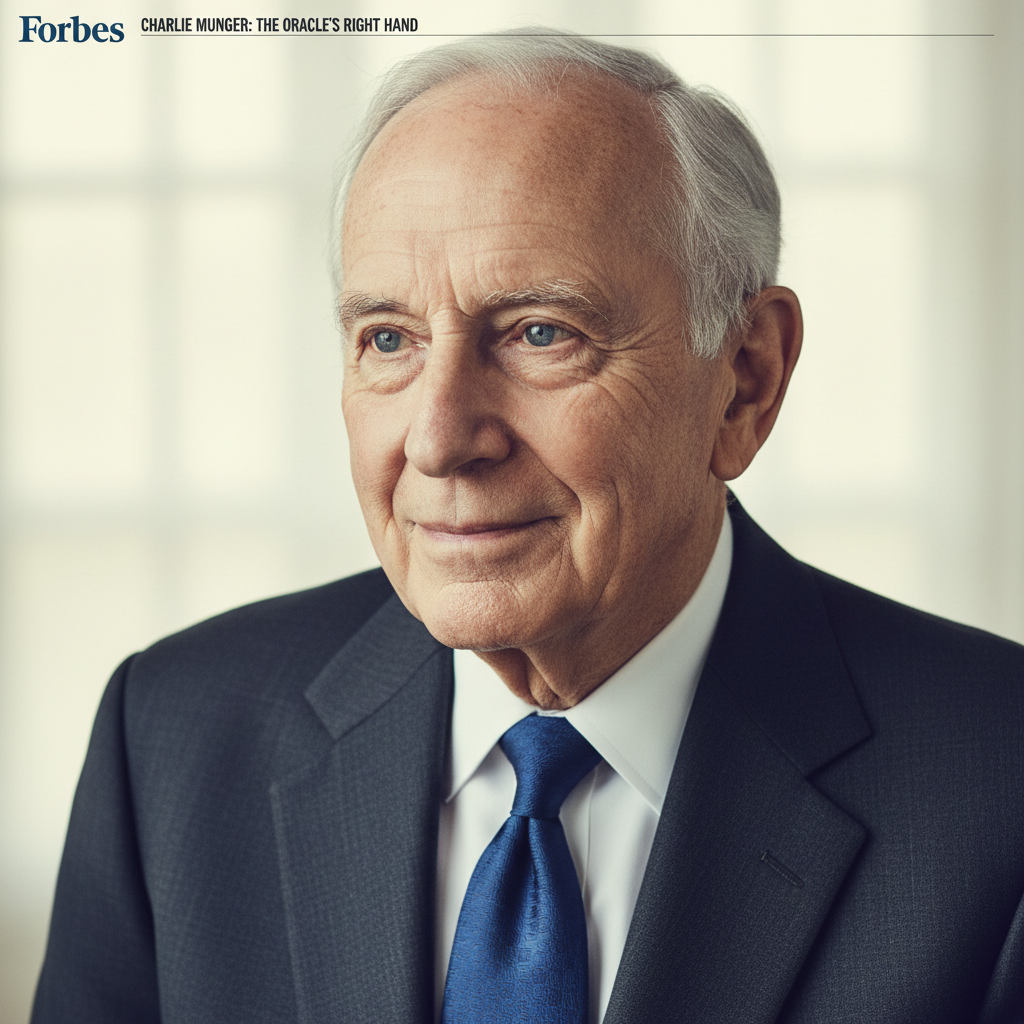
Portrait of Charlie Munger
USA / DIVERSIFIED HOLDINGS, INVESTMENT MANAGEMENT
Charlie Munger
The architect of modern value investing at Berkshire Hathaway, known for his multidisciplinary approach and acerbic wit.
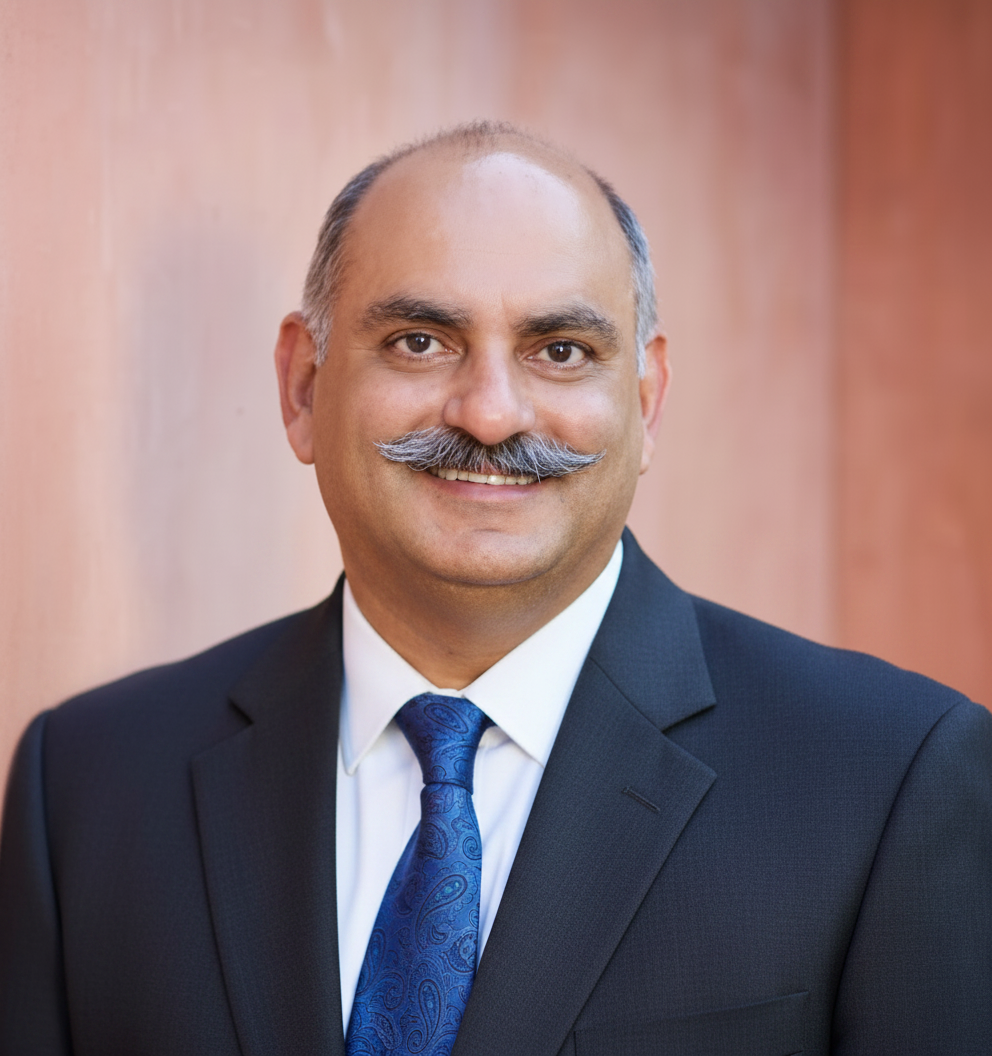
Portrait of Mohnish Pabrai
UNITED STATES / FINANCIAL SERVICES
Mohnish Pabrai
The Dhandho Investor: A Value Investing Maverick.
Portrait of Sam Altman
UNITED STATES / ARTIFICIAL INTELLIGENCE, VENTURE CAPITAL
Sam Altman
Architect of Artificial General Intelligence and Venture Capital Visionary.
Portrait of J. Pierpont Morgan
UNITED STATES / BANKING & FINANCE
J. Pierpont Morgan
The architect of American industrial capitalism and financial stability.
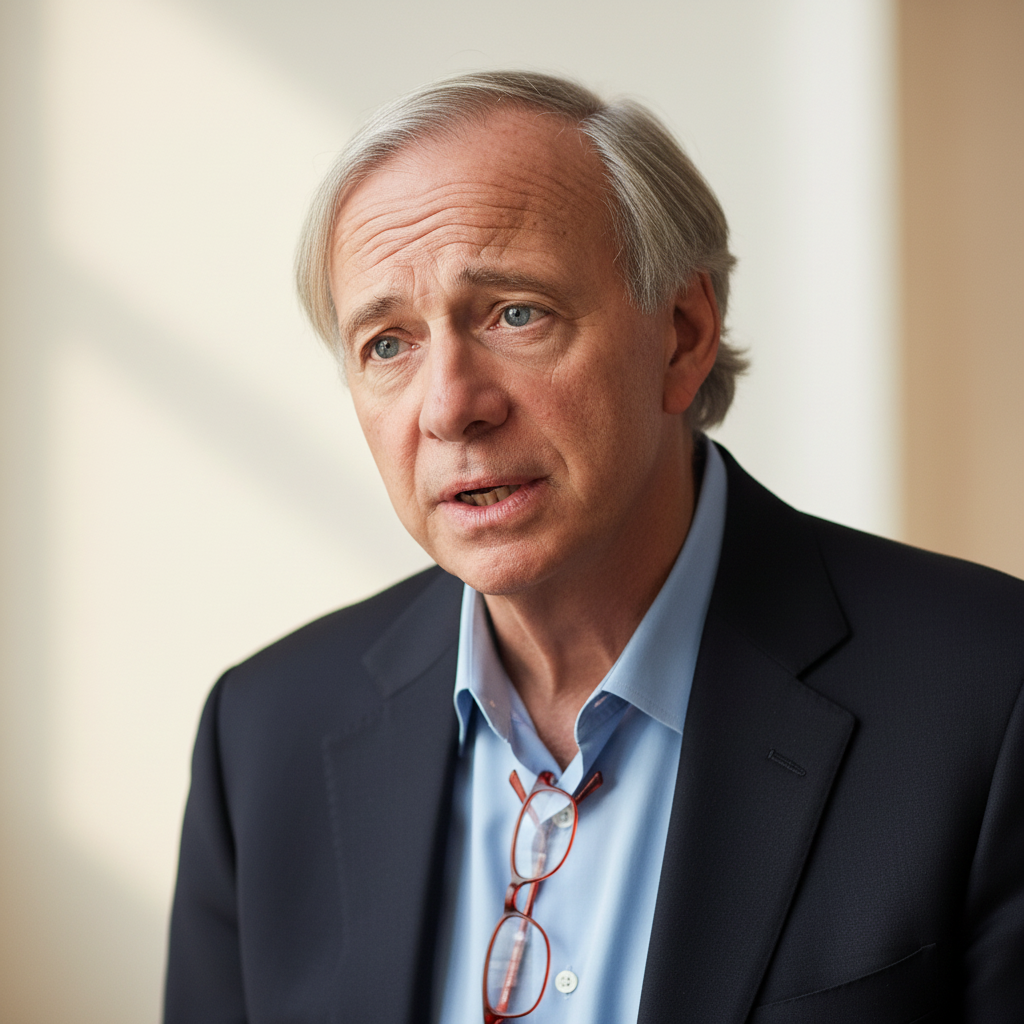
Portrait of Ray Dalio
UNITED STATES / INVESTMENT MANAGEMENT
Ray Dalio
The architect of 'radical transparency' and systematic investing, Ray Dalio built Bridgewater Associates into one of the world's largest and most influential hedge funds.
Portrait of Cosimo de' Medici
ITALY / BANKING, FINANCE, STATESMANSHIP
Cosimo de' Medici
The architect of Medici power, leveraging finance and cultural patronage to establish a dynastic legacy.
Portrait of Giovanni di Bicci de' Medici
ITALY / BANKING AND FINANCE
Giovanni di Bicci de' Medici
The silent architect of Florence's financial supremacy and the Medici dynasty.
Portrait of Khaldoon Khalifa Al Mubarak
UNITED ARAB EMIRATES / SOVEREIGN WEALTH FUND MANAGEMENT
Khaldoon Khalifa Al Mubarak
Architect of Abu Dhabi's diversified economic future through strategic sovereign wealth management and international engagement.
Portrait of Stephen Schwarzman
UNITED STATES / FINANCIAL SERVICES
Stephen Schwarzman
Co-founder, Chairman, and CEO of Blackstone, Stephen A. Schwarzman engineered the firm's evolution into the world's largest alternative asset manager.
United States

From United States

Browse all →
Portrait of Andrew Carnegie
UNITED STATES / STEEL & MANUFACTURING
Andrew Carnegie
The architect of American steel supremacy and a pioneering industrialist whose innovations in cost control and vertical integration reshaped global manufacturing.
Portrait of Warren Buffett
UNITED STATES / INVESTING
Warren Buffett
The Oracle of Omaha: Architect of long-term value investing and compounding returns through disciplined acquisition and intrinsic value focus.
Portrait of Jeff Bezos
UNITED STATES / TECHNOLOGY, RETAIL, LOGISTICS, CLOUD COMPUTING, SPACE EXPLORATION
Jeff Bezos
Founder of Amazon, orchestrator of an e-commerce and cloud computing empire, and pioneer in space exploration.
Portrait of Bill Gates
UNITED STATES / SOFTWARE, TECHNOLOGY, PHILANTHROPY
Bill Gates
Co-founder of Microsoft, architect of the personal computing revolution, and global philanthropist.
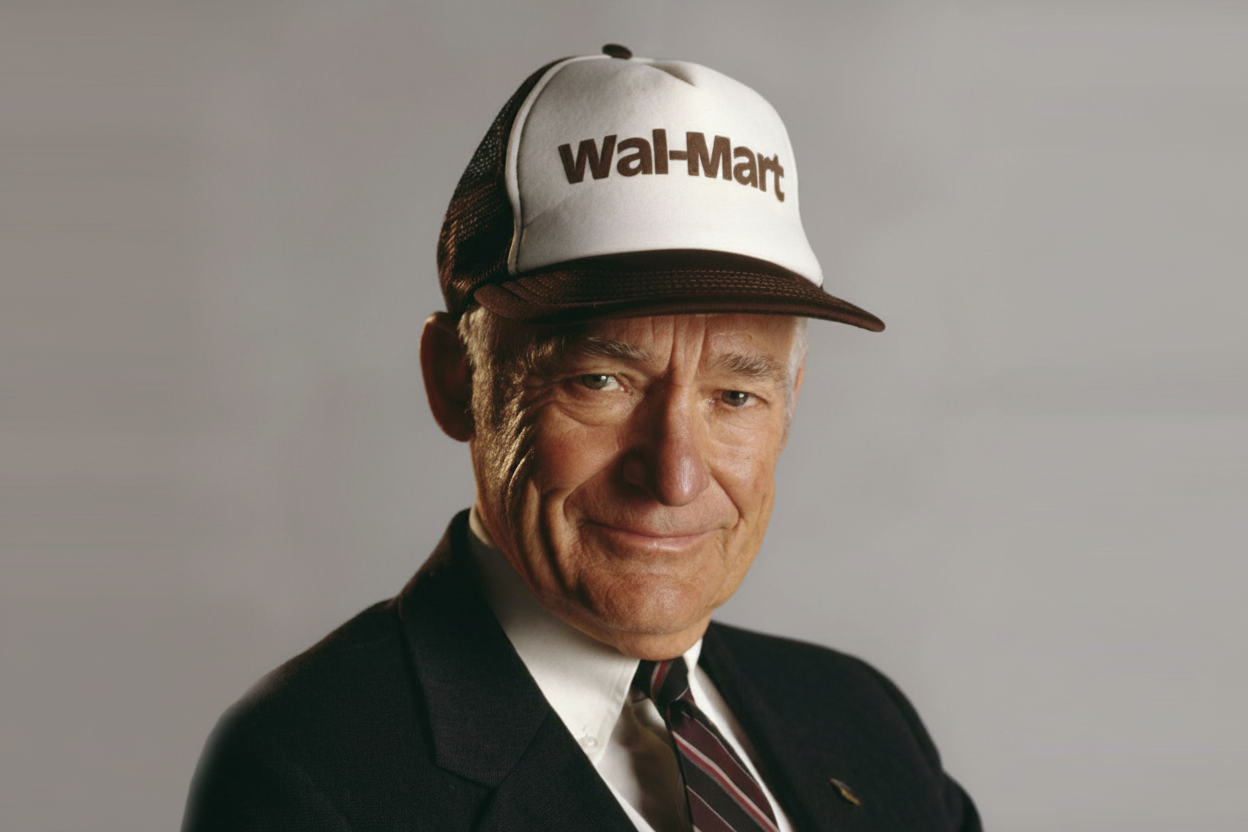
Portrait of Sam Walton
UNITED STATES / RETAIL
Sam Walton
The architect of modern retail, pioneering discount merchandising and logistical efficiency to establish the world's largest retail corporation.
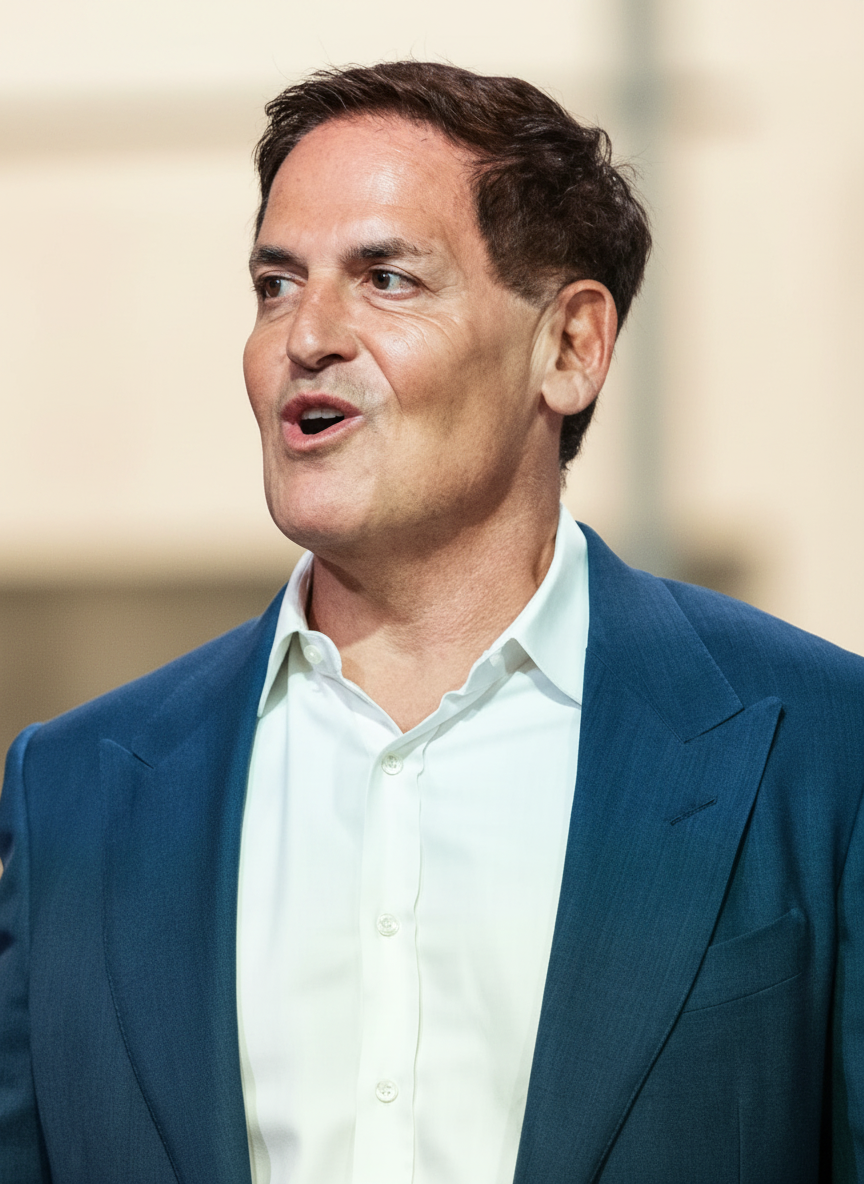
Portrait of Mark Cuban
UNITED STATES / TECHNOLOGY, MEDIA, SPORTS, HEALTHCARE
Mark Cuban
Mark Cuban: The Prolific Disrupter – From Software Startups to Sports Franchises and Pharmaceutical Innovation, Leveraging Technology and Direct-to-Consumer Models.
Portrait of Mohnish Pabrai
UNITED STATES / FINANCIAL SERVICES
Mohnish Pabrai
The Dhandho Investor: A Value Investing Maverick.
Portrait of Henry Ford
UNITED STATES / AUTOMOTIVE
Henry Ford
The architect of mass production, democratizing the automobile through efficiency and scale.
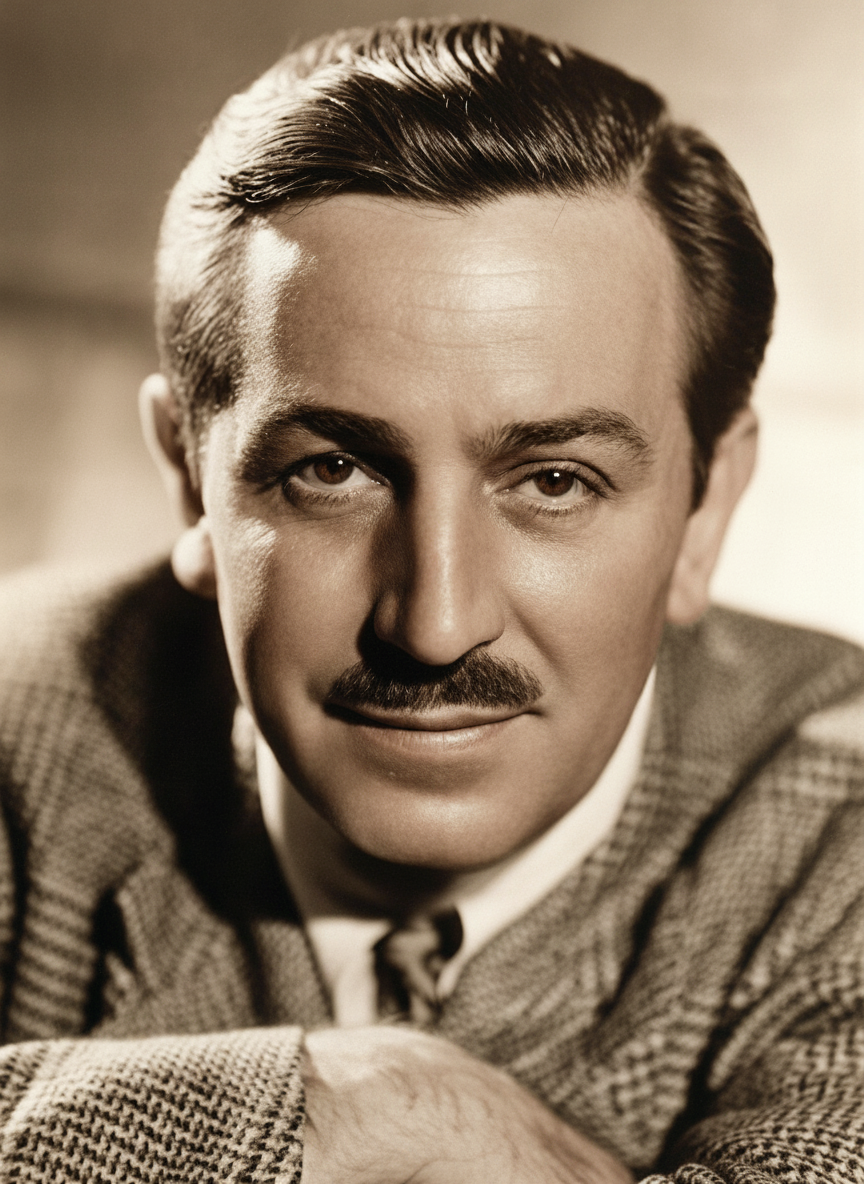
Portrait of Walt Disney
UNITED STATES / ENTERTAINMENT
Walt Disney
Co-founder of The Walt Disney Company, pioneering animation, theme parks, and diversified entertainment.
Portrait of Thomas Edison
UNITED STATES / INDUSTRIAL & ENERGY
Thomas Edison
The Prolific Inventor and Industrialist Who Electrified the World and Standardized Innovation.