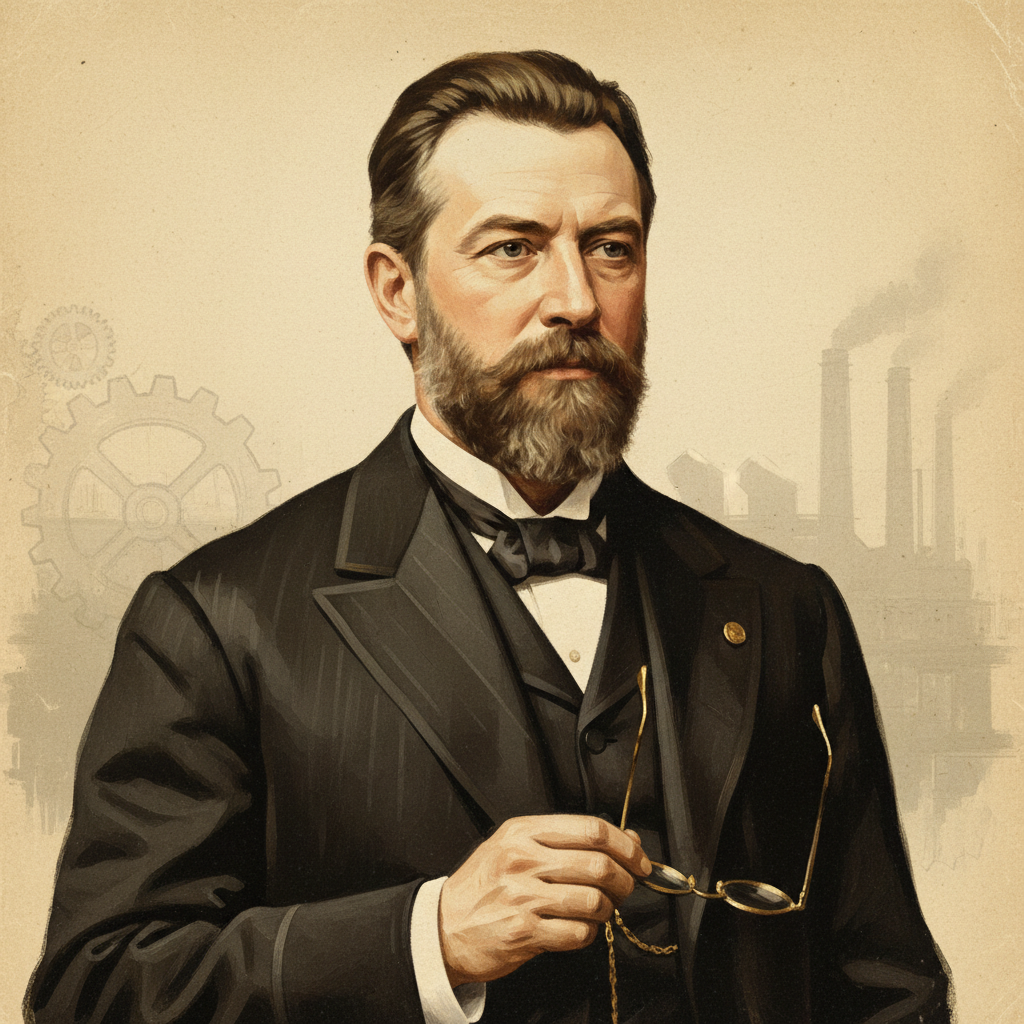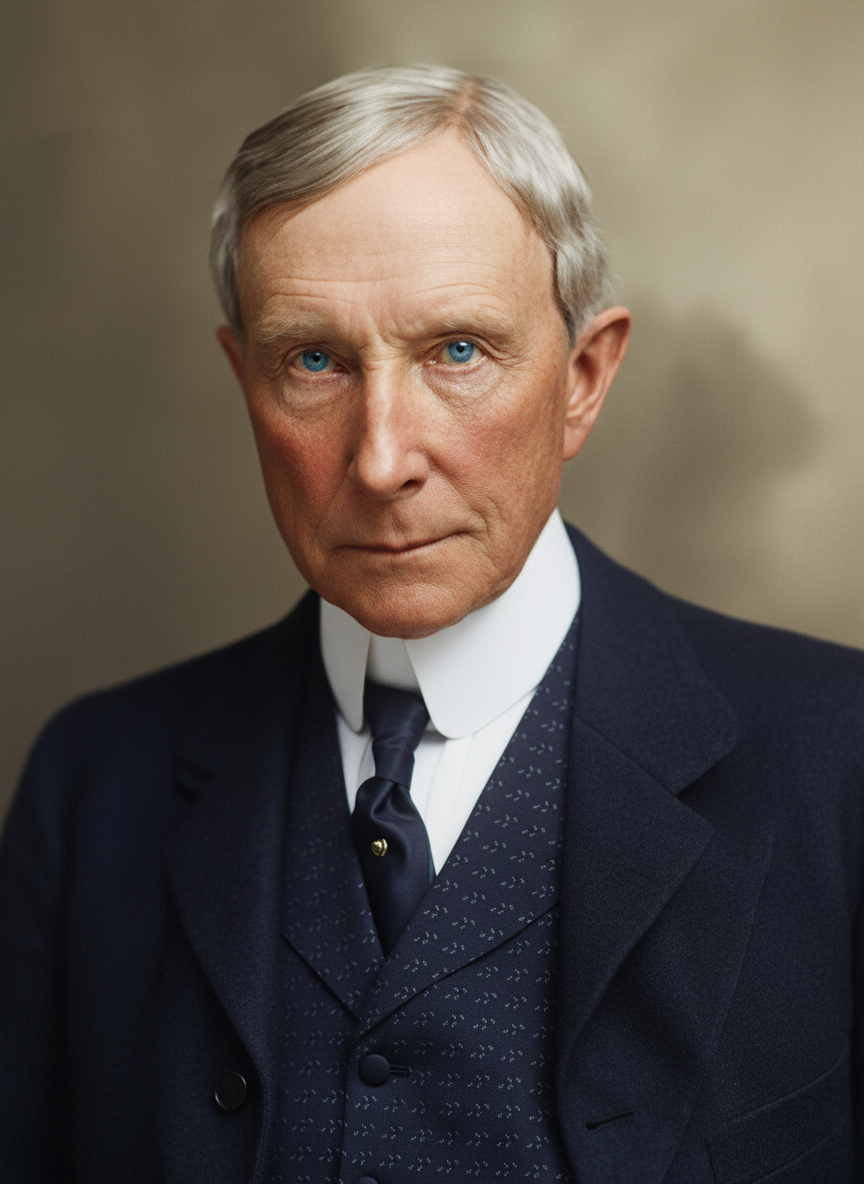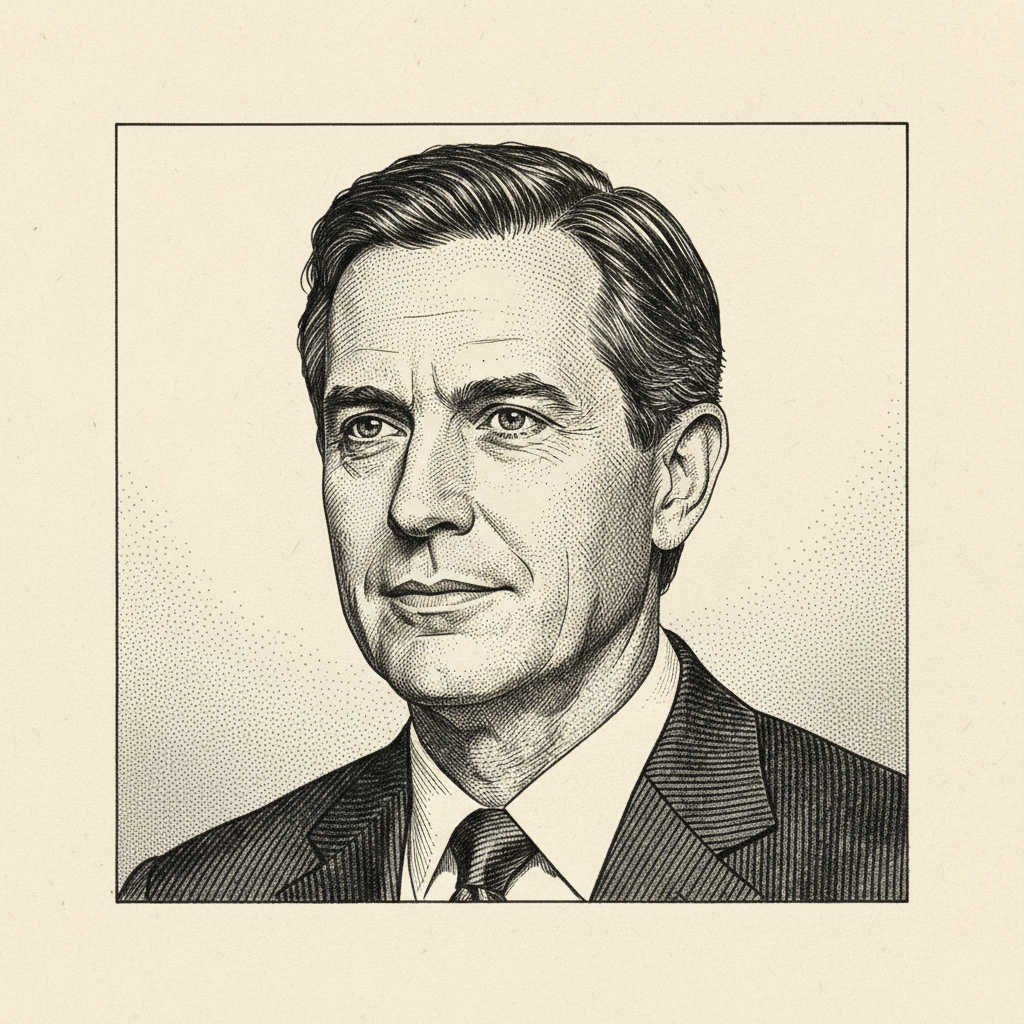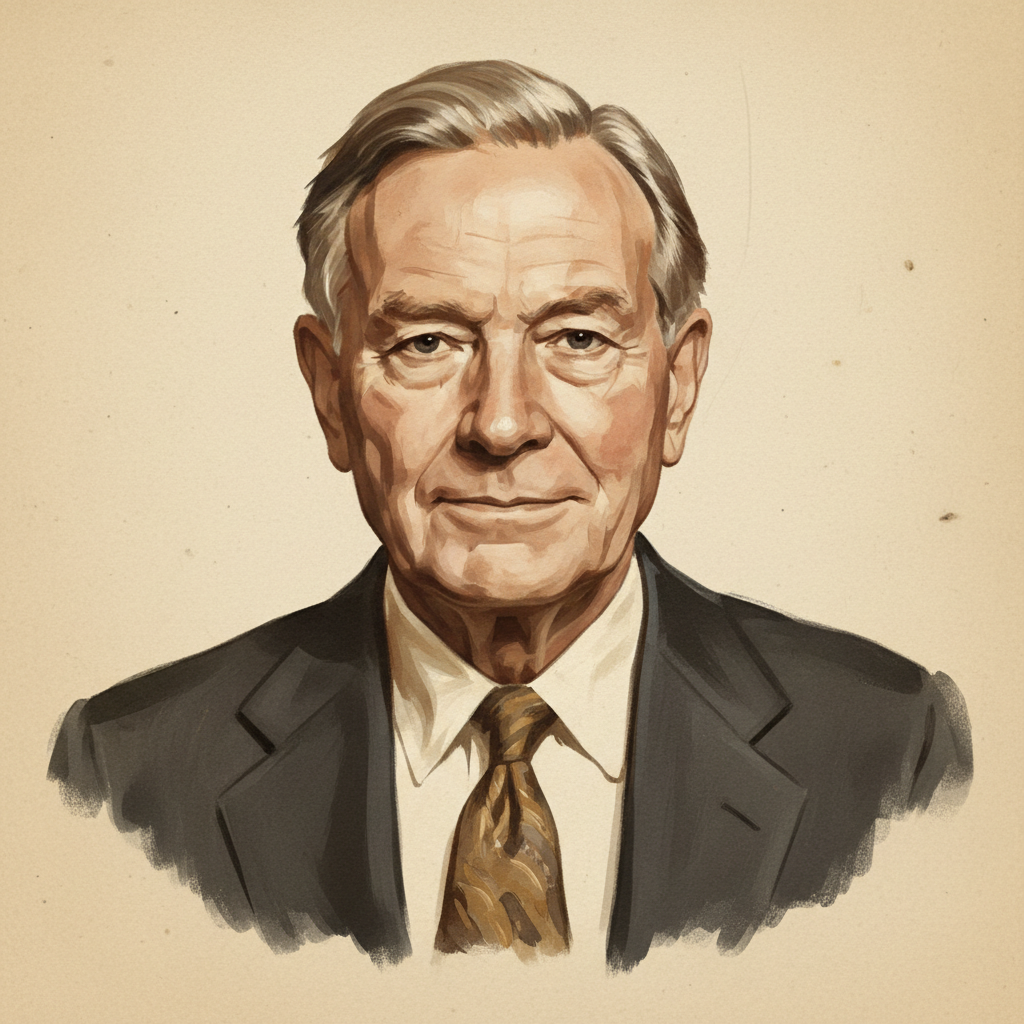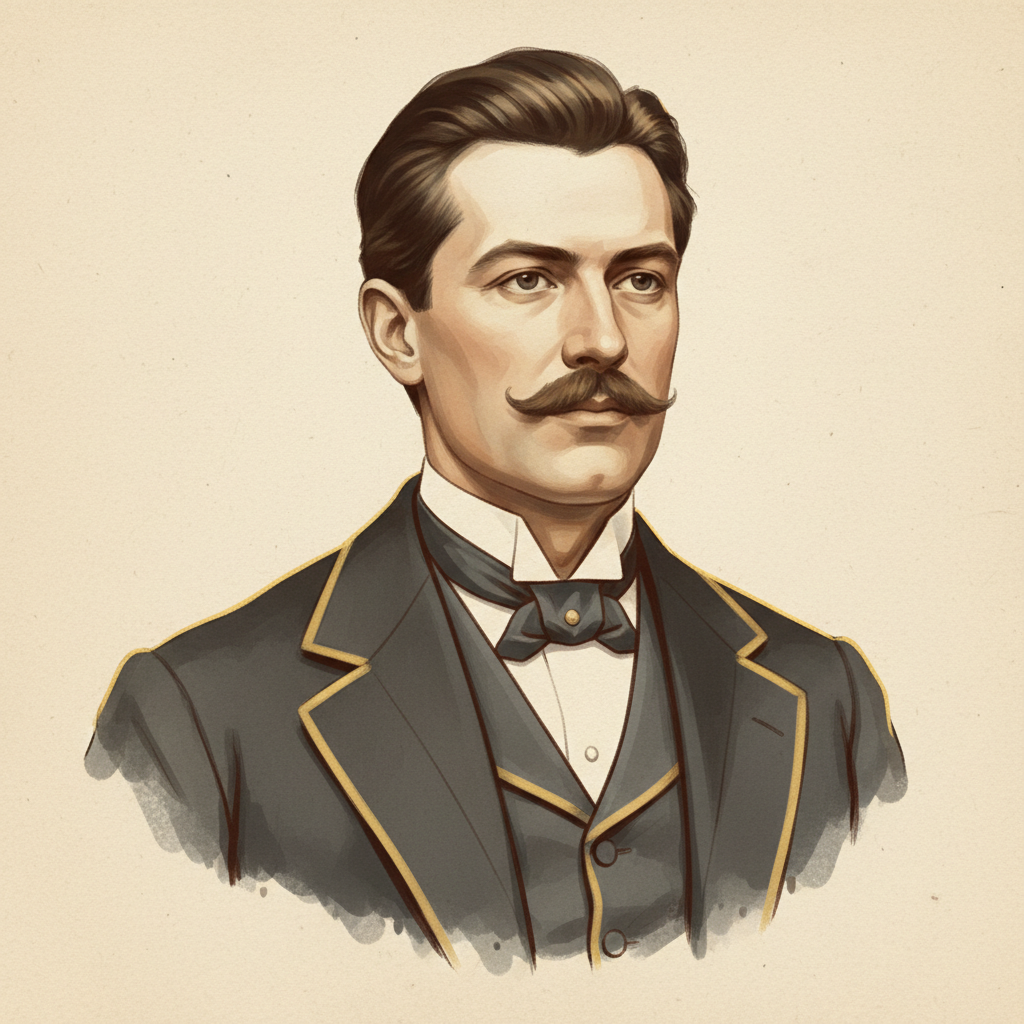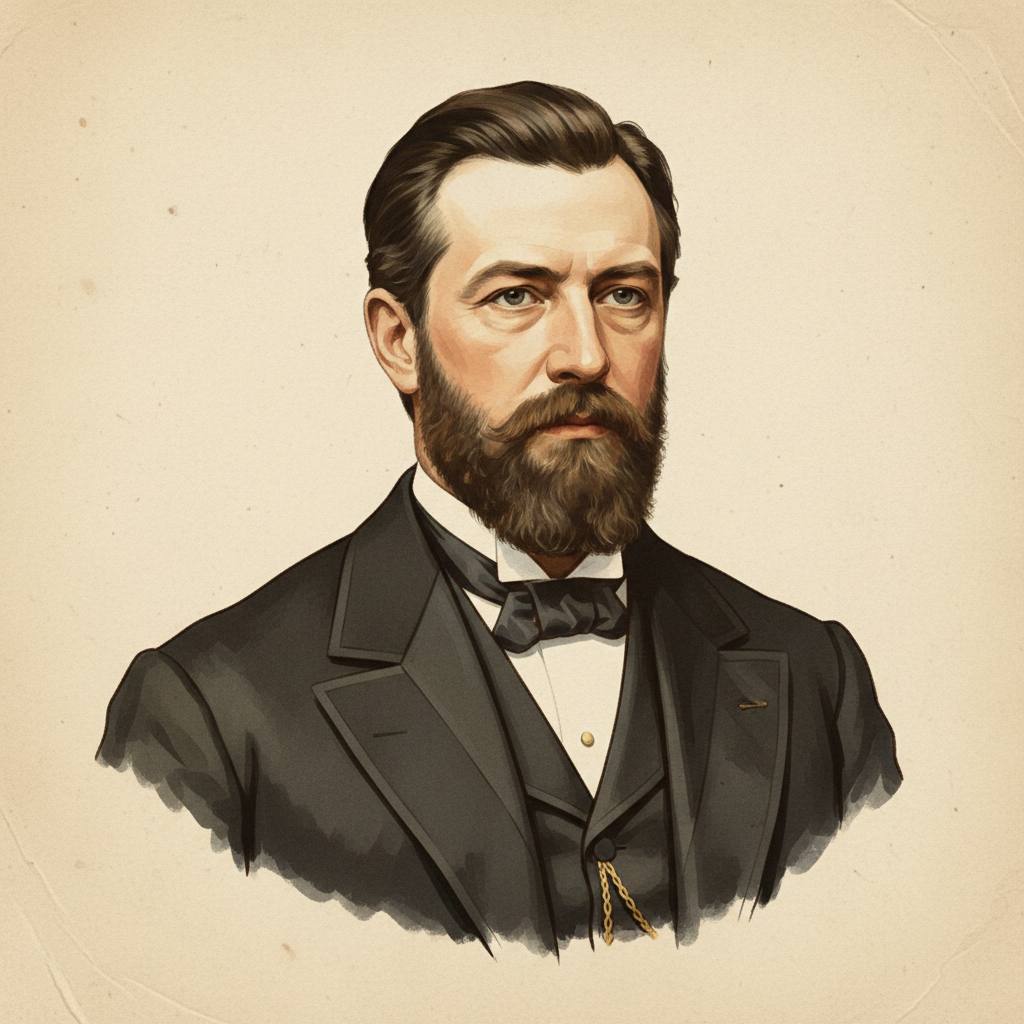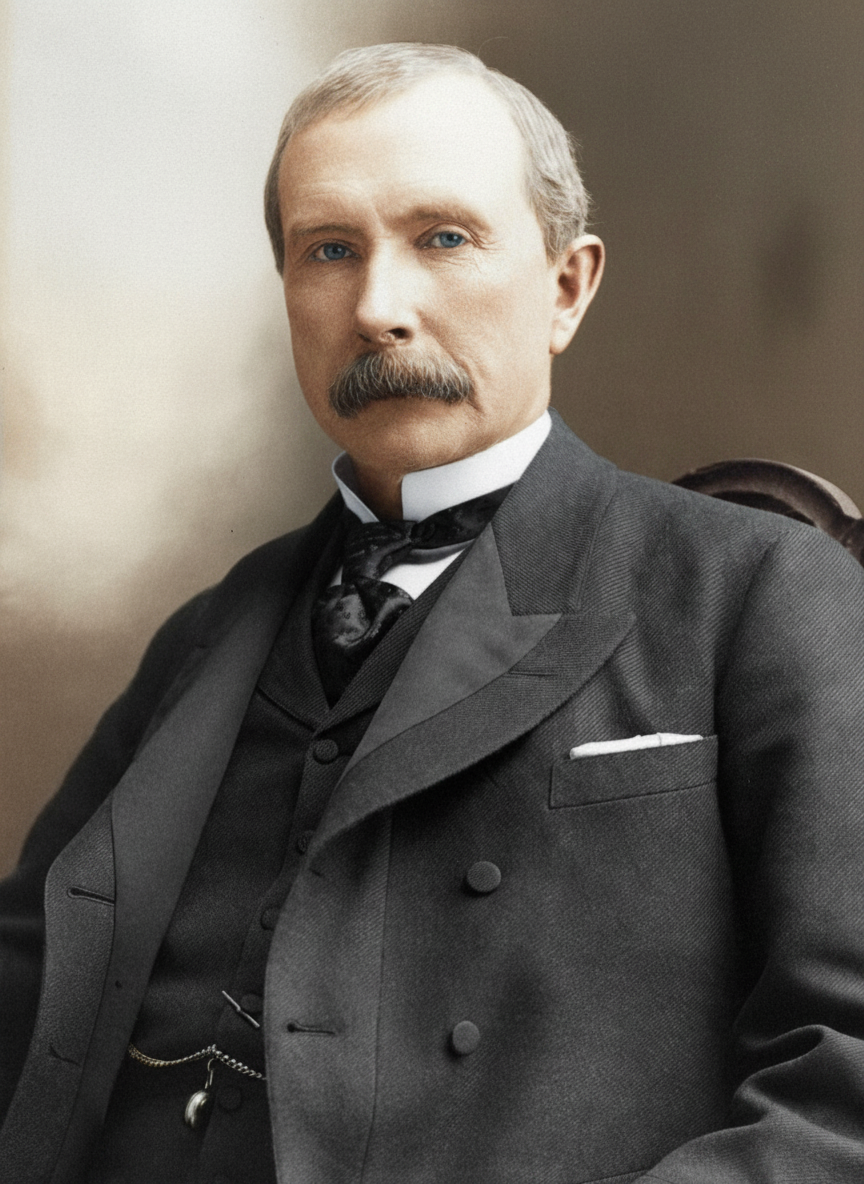
Portrait of John Rockefeller
Historical Mind · 1839 — 1937

John Rockefeller

The architect of industrial consolidation and modern philanthropy.

Country
United States
Continent
North America
Industry
Petroleum
Role
Industrialist, Philanthropist

John D. Rockefeller (1839-1937) transformed the nascent oil industry through strategic acquisition and vertical integration, founding Standard Oil in 1870. His methodical approach to cost reduction, market dominance, and efficient logistics built an empire. Later, he pioneered modern, data-driven philanthropy, establishing foundations that profoundly impacted medicine, education, and scientific research.

Biography

John Davison Rockefeller was born in Richford, New York, in 1839. His early life instilled principles of hard work and frugality. He began his professional career as a bookkeeper in Cleveland, Ohio, in 1855. In 1859, Edwin Drake's discovery of oil in Titusville, Pennsylvania, sparked intense speculation. Rockefeller, exhibiting foresight, recognized that the greater profits lay not in drilling, but in refining and transporting oil products. In 1863, Rockefeller invested in a Cleveland oil refinery, Clark & Rockefeller. Two years later, he bought out his partners, forming Rockefeller & Andrews. In 1870, he incorporated Standard Oil Company of Ohio with a capital of $1 million. Rockefeller systematically acquired competing refineries, often offering them shares in Standard Oil. His 'South Improvement Company' scheme in 1872, though controversial for its secret freight rebates from railroads, consolidated his position in Cleveland. By 1879, Standard Oil controlled 90% of U.S. refining capacity. Rockefeller's strategy extended far beyond refining. Standard Oil vertically integrated by acquiring pipelines, tank cars, storage facilities, and distribution networks, drastically reducing costs. He also invested in timberlands for barrel manufacturing and developed new products from petroleum byproducts. The Standard Oil Trust, formed in 1882, circumvented anti-monopoly laws by combining numerous companies under a single management, further centralizing control and standardizing operations. Facing escalating public and governmental scrutiny, the U.S. Supreme Court ordered the dissolution of the Standard Oil Trust in 1911 under the Sherman Antitrust Act. It fragmented into 34 separate companies, including entities that would become Exxon, Mobil, Chevron, and Amoco. Despite the dissolution, Rockefeller's personal wealth, primarily in shares of these new companies, continued to grow. In his later life, Rockefeller dedicated himself to philanthropy, guided by his advisor Frederick T. Gates. He established significant foundations, including the Rockefeller Institute for Medical Research (1901), the General Education Board (1902), and the Rockefeller Foundation (1913). These organizations applied rigorous, business-like principles to charitable giving, focusing on systemic change in public health, education, and scientific advancement. He gave away over $530 million (equivalent to billions today) before his death in 1937, setting a precedent for organized, sustainable philanthropy.

Accomplishments

  • 01Founded Standard Oil Company (1870), which controlled 90% of the U.S. refining market by 1879, effectively creating the modern petroleum industry.
  • 02Pioneered vertical integration in industry, acquiring pipelines, tank cars, storage, and distribution networks to optimize efficiency and minimize costs.
  • 03Formed the Standard Oil Trust (1882), a landmark organizational structure that consolidated numerous companies under centralized management, despite its later dissolution.
  • 04Revolutionized industrial logistics and standardization, implementing consistent quality and efficient transportation across a vast enterprise.
  • 05Established influential philanthropic institutions like the Rockefeller Foundation (1913), applying systematic, data-driven approaches to global health, education, and scientific research.
  • 06Demonstrated unprecedented wealth creation, becoming the richest American in history with a peak net worth estimated at $1.5 billion (1937), equivalent to over $400 billion in current dollars.

Lessons for Operators

**Control the Choke Points:** Rockefeller didn't just drill for oil; he controlled the refining, transportation, and distribution. (Actionable: Identify critical bottlenecks in your value chain and strategize for their ownership or dominant influence.)
**Vertical Integration is a Force Multiplier:** By owning every step from raw material to market, Standard Oil reduced dependencies, cut costs, and dictated terms. (Actionable: Analyze your supply chain for opportunities to integrate adjacent stages, improving control, efficiency, and margins.)
**Operational Excellence Drives Market Dominance:** Rockefeller's relentless focus on efficiency, standardization, and cost reduction allowed him to undersell competitors while maintaining profitability. (Actionable: Implement continuous improvement programs, optimize processes, and leverage technology to achieve best-in-class operational efficiency.)
**Strategic M&A for Market Consolidation:** Standard Oil grew through aggressive acquisition, often offering stock to unify competitors under a single entity. (Actionable: Evaluate M&A as a tool for rapid market share gain, talent acquisition, or technology access, ensuring cultural and operational synergy are considered.)
**Adaptability to Regulatory Environments:** Despite the 1911 breakup, Rockefeller structured his empire to maintain value, and the resulting companies thrived. (Actionable: Develop robust contingency plans for regulatory changes, market shifts, or technological disruptions, ensuring business continuity and adaptability.)
**Value Creation Through Waste Elimination:** Rockefeller found commercial uses for petroleum byproducts previously discarded, turning waste into profit. (Actionable: Conduct a thorough review of your operations to identify overlooked resources or waste streams that can be repurposed or monetized.)
The Operator's Playbook

Key Takeaways

Practical lessons distilled for operators, investors, C-levels, and capital allocators.

Lesson 01

Monopolistic Ambition Can Yield Efficiency

While ethically contentious, Rockefeller's drive for market consolidation, exemplified by the Standard Oil Trust, led to unprecedented economies of scale, efficiency gains, and product standardization that significantly lowered costs for consumers. This demonstrates how unfettered competition isn't always the only path to consumer benefit, though it requires robust oversight.

Lesson 02

Mastering Logistics as a Competitive Advantage

Rockefeller understood that controlling the movement of goods (via pipelines, railroads, ocean tankers) was as crucial, if not more so, than product quality or production volume. This focus on logistics minimized transit times, reduced costs, and expanded reach, creating an almost unassailable barrier to entry for competitors. Modern businesses must similarly prioritize their supply chain and distribution networks.

Lesson 03

The Power of Systemic Philanthropy

Beyond accumulating wealth, Rockefeller, advised by Gates, engineered a new model of philanthropy. Instead of simple charity, he established foundations that applied business principles – data-driven analysis, long-term planning, and measurable outcomes – to address root causes of societal problems, fundamentally shaping modern institutional giving. This approach provides a blueprint for impactful corporate social responsibility.

Lesson 04

The Inevitability of Scrutiny with Dominance

Rockefeller's unparalleled success and aggressive business tactics eventually led to intense public backlash, government intervention, and the forced dissolution of Standard Oil. This serves as a potent reminder that extreme market power, regardless of its operational efficiency, will inevitably attract regulatory and public scrutiny, necessitating strategic navigation of public perception and political landscapes.

Lesson 05

Long-Term Vision Over Short-Term Gains

Rockefeller consistently reinvested profits back into the business, expanding infrastructure and refining capabilities rather than distributing immediate dividends. This patience and dedication to long-term growth established Standard Oil's enduring dominance and allowed it to weather economic fluctuations. Investors and leaders should embrace a similar mindset when building foundational enterprises.

Mental Models

Frameworks & Principles

Named frameworks and strategic principles they popularized or embodied.

01

Value Chain Integration

A strategy where a company acquires or develops capabilities in different stages of its industry's value chain, from raw material sourcing to final distribution. Rockefeller implemented this by owning oil wells, refineries, pipelines, tank cars, and sales outlets.

When to useWhen seeking to reduce costs, enhance control over quality and supply, mitigate risks, and create barriers to entry for competitors. Applicable for businesses looking to optimize operational efficiency and secure market position.

02

Market Consolidation via Strategic Acquisition

A business strategy involving the systematic acquisition of competitors to gain market share, reduce competition, and achieve economies of scale. Rockefeller masterfully employed this by buying out numerous smaller refineries, often offering stock in Standard Oil.

When to useWhen an industry is fragmented, or when a company aims to gain dominant market share, eliminate redundant costs, or achieve pricing power. Requires robust due diligence and integration planning.

03

Operational Standardization and Cost Leadership

A business strategy focused on achieving the lowest cost of production and operation in an industry through process optimization, standardization, and relentless pursuit of efficiency. Standard Oil set industry benchmarks for refining costs and product quality.

When to useWhen operating in a commodity-driven market where price is a key differentiator, or when aiming to achieve superior margins through efficiency. Requires continuous investment in process improvement and technology.

04

Foundation-Based Philanthropy

A model of charitable giving where wealth is channeled into professionally managed foundations that apply analytical and strategic methods to address social issues over the long term. Pioneered by Rockefeller with organizations like the Rockefeller Foundation.

When to useFor individuals or corporations seeking to make a significant, sustained, and systemic impact through their charitable giving, moving beyond ad-hoc donations to strategic investment in social progress.

Citations

Sources & Further Reading

Profiles, interviews, podcasts, and articles used to compile and verify this entry. Each link opens at the original publisher.

Adjacent Minds

Explore Related Titans

Other figures in the archive who share John Rockefeller's domain, geography, or era.

Energy & Resources

More in Energy & Resources

Browse all →
Portrait of Andrew Carnegie
UNITED STATES / STEEL & MANUFACTURING
Andrew Carnegie
The architect of American steel supremacy and a pioneering industrialist whose innovations in cost control and vertical integration reshaped global manufacturing.
Portrait of Thomas Edison
UNITED STATES / INDUSTRIAL & ENERGY
Thomas Edison
The Prolific Inventor and Industrialist Who Electrified the World and Standardized Innovation.
Portrait of John D. Rockefeller
UNITED STATES / OIL & ENERGY
John D. Rockefeller
Architect of Modern Industry and Philanthropy
Portrait of Mansa Musa
MALI EMPIRE / GOVERNMENT / TRADE / MINING
Mansa Musa
The Richest Man in History: Master of Resource-Backed Economic Expansion and Strategic Soft Power.
Portrait of Kimin Tanoto
INDONESIA / RESOURCE-BASED MANUFACTURING (PULP, PAPER, PALM OIL, SPECIALTY CELLULOSE, ENERGY)
Kimin Tanoto
Second-generation leader driving expansion and sustainability initiatives within a diversified resource-based manufacturing conglomerate.
Portrait of Folorunsho Alakija
NIGERIA / DIVERSIFIED (OIL & GAS, FASHION, PRINTING, REAL ESTATE)
Folorunsho Alakija
From fashion to oil: a Nigerian titan's journey of diversification and strategic resource control.
Portrait of Lynn Good
UNITED STATES / UTILITIES
Lynn Good
A transformational leader in the utilities sector, navigating Duke Energy through significant energy transition and regulatory complexities.
Portrait of Bernard Looney
IRELAND / ENERGY
Bernard Looney
Architect of BP's 'net zero' ambition and a pivotal figure in the energy transition.
Portrait of Patrick Pouyanné
FRANCE / ENERGY
Patrick Pouyanné
Architect of TotalEnergies' multi-energy pivot, balancing traditional oil & gas with aggressive renewables expansion.
Portrait of Mike Wirth
UNITED STATES / OIL & GAS, ENERGY TRANSITION
Mike Wirth
Steering a supermajor through the energy transition, balancing conventional production with decarbonization initiatives.
United States

From United States
Browse all →
Portrait of Andrew Carnegie
UNITED STATES / STEEL & MANUFACTURING
Andrew Carnegie
The architect of American steel supremacy and a pioneering industrialist whose innovations in cost control and vertical integration reshaped global manufacturing.
Portrait of Warren Buffett
UNITED STATES / INVESTING
Warren Buffett
The Oracle of Omaha: Architect of long-term value investing and compounding returns through disciplined acquisition and intrinsic value focus.
Portrait of Jeff Bezos
UNITED STATES / TECHNOLOGY, RETAIL, LOGISTICS, CLOUD COMPUTING, SPACE EXPLORATION
Jeff Bezos
Founder of Amazon, orchestrator of an e-commerce and cloud computing empire, and pioneer in space exploration.
Portrait of Bill Gates
UNITED STATES / SOFTWARE, TECHNOLOGY, PHILANTHROPY
Bill Gates
Co-founder of Microsoft, architect of the personal computing revolution, and global philanthropist.
Portrait of Mark Cuban
UNITED STATES / TECHNOLOGY, MEDIA, SPORTS, HEALTHCARE
Mark Cuban
Mark Cuban: The Prolific Disrupter – From Software Startups to Sports Franchises and Pharmaceutical Innovation, Leveraging Technology and Direct-to-Consumer Models.
Portrait of Sam Walton
UNITED STATES / RETAIL
Sam Walton
The architect of modern retail, pioneering discount merchandising and logistical efficiency to establish the world's largest retail corporation.
Portrait of Henry Ford
UNITED STATES / AUTOMOTIVE
Henry Ford
The architect of mass production, democratizing the automobile through efficiency and scale.
Portrait of Mohnish Pabrai
UNITED STATES / FINANCIAL SERVICES
Mohnish Pabrai
The Dhandho Investor: A Value Investing Maverick.
Portrait of Walt Disney
UNITED STATES / ENTERTAINMENT
Walt Disney
Co-founder of The Walt Disney Company, pioneering animation, theme parks, and diversified entertainment.
Portrait of Sam Altman
UNITED STATES / ARTIFICIAL INTELLIGENCE, VENTURE CAPITAL
Sam Altman
Architect of Artificial General Intelligence and Venture Capital Visionary.