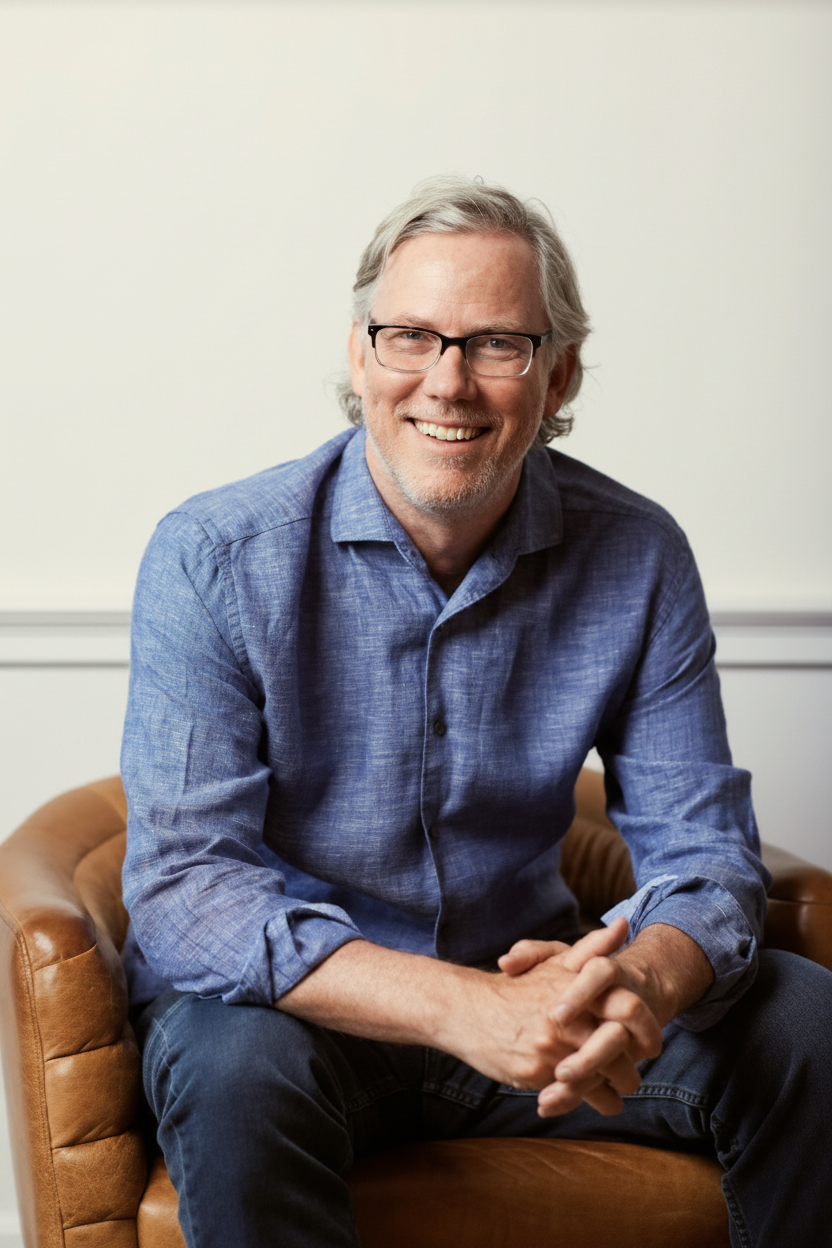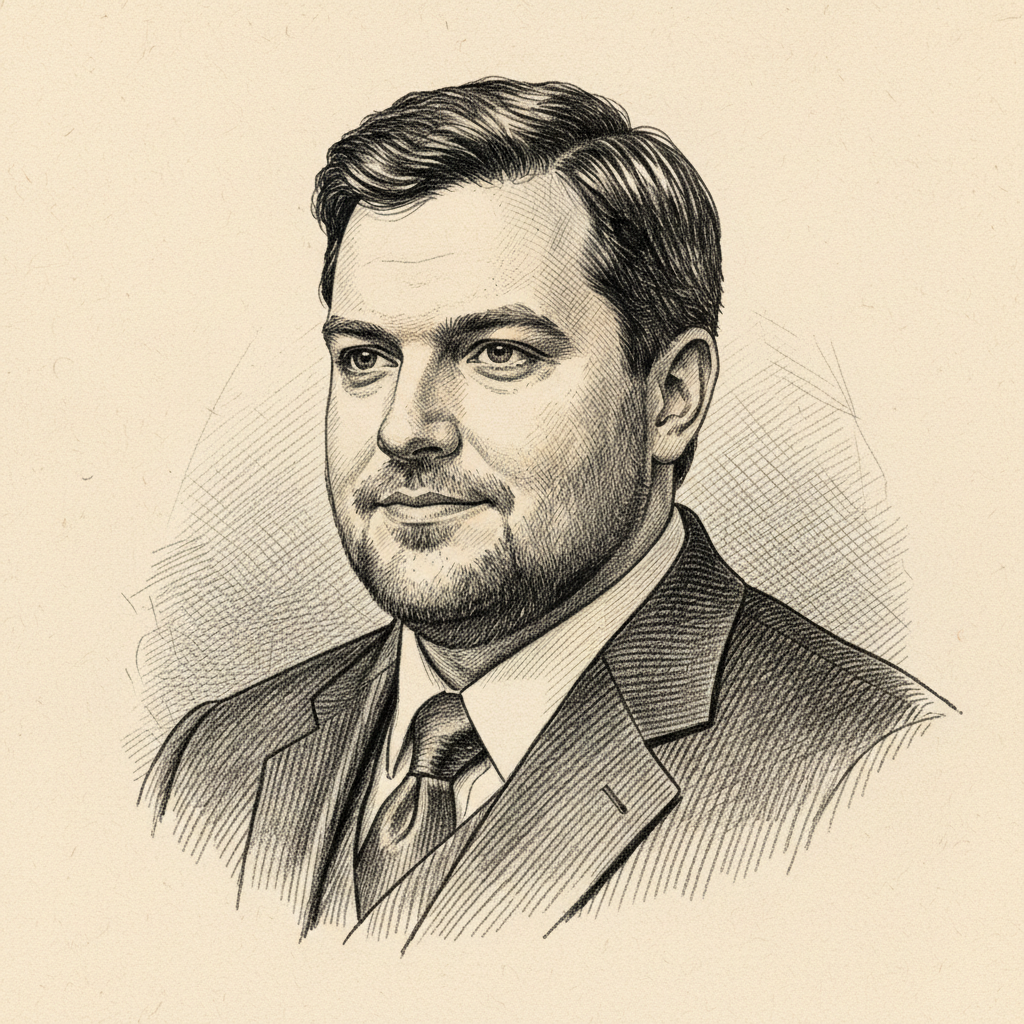
Gabe Newell
Co-founder and CEO of Valve Corporation, a transformative figure in PC gaming through software development and digital distribution.
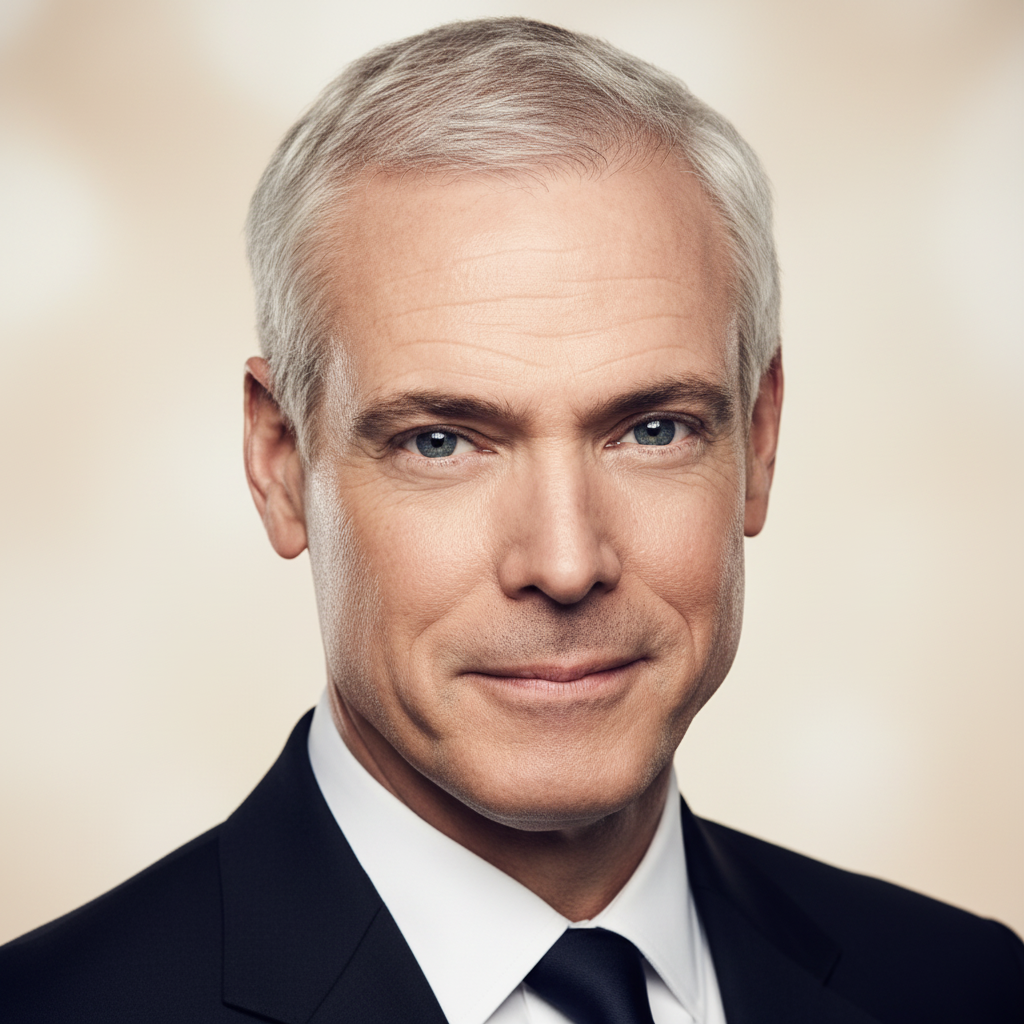
Gabe Newell is the co-founder and CEO of Valve Corporation, widely known for developing critically acclaimed video games like 'Half-Life,' 'Counter-Strike,' and 'Dota 2,' and for creating Steam, the dominant digital distribution platform for PC games. His career began at Microsoft, contributing to early Windows versions, before co-founding Valve in 1996 to innovate game development and later revolutionize PC game sales and service.
Biography
Accomplishments
- 01Co-founded Valve Corporation in 1996, evolving it from a game developer to a dominant digital platform provider in PC gaming.
- 02Led the development of critically acclaimed and commercially successful game franchises including 'Half-Life,' 'Counter-Strike,' 'Portal,' and 'Dota 2.'
- 03Spearheaded the creation and growth of Steam, launched in 2003, which revolutionized digital distribution, community features, and developer services for PC games, becoming the de facto standard.
- 04Instituted and maintained an unconventional 'flat' organizational structure at Valve, fostering innovation and employee autonomy.
- 05Pioneered significant ventures in virtual reality (e.g., Valve Index) and Linux-based gaming (e.g., SteamOS, Steam Deck), expanding Valve's hardware and software ecosystems.
- 06Successfully navigated Valve through multiple industry shifts, from retail game sales to digital distribution, and from single-player experiences to live-service games and esports.
Lessons for Operators
Key Takeaways
Practical lessons distilled for operators, investors, C-levels, and capital allocators.
Platform Power is King
Gabe Newell's greatest strategic success is the creation and dominance of Steam. For operators, this underscores that controlling mission-critical infrastructure or distribution channels provides immense leverage, defensibility, and long-term value. Focus on building and owning a platform rather than just products if long-term competitive advantage is the goal.
Culture as a Competitive Advantage
Valve's unique, flat organizational structure, while not universally applicable, demonstrates that a deliberate and empowering culture can attract top talent and foster unprecedented innovation. Leaders should critically evaluate if their organizational design unlocks or restricts their team's potential for breakthrough achievement.
Iterate and Adapt Relentlessly
Steam was not an overnight success; it evolved significantly based on user feedback and market changes. This highlights the importance of an iterative product development philosophy, continuous improvement, and the agility to pivot a core business strategy when new opportunities (or threats) arise.
The Long Game in Tech Investment
Newell has consistently invested in emerging technologies like VR and Linux gaming well before mass market adoption. This 'patient capital' approach, often sustained by Valve's highly profitable core business, advises investors and C-levels to allocate resources to speculative but high-potential ventures, acknowledging that significant returns may only materialize over extended horizons.
Ecosystem over Single Products
Valve leveraged its popular games to bootstrap Steam, which then became a self-sustaining ecosystem for thousands of other games. This illustrates that building complementary services, tools, and community around core products amplifies their value and creates a powerful network effect that is difficult for competitors to replicate.
Frameworks & Principles
Named frameworks and strategic principles they popularized or embodied.
Platform Strategy
Develop and control a multi-sided platform that connects consumers and producers, reducing friction and capturing transaction value. This often involves providing tools, services, and a marketplace.
When to useApplicable when a company aims to move beyond individual product sales to owning a significant part of an industry's value chain, creating network effects and controlling distribution. Consider when scaling across a broad ecosystem is desired.
Flat Organizational Structure
A management philosophy that minimizes hierarchy, empowers employees with autonomy, and encourages self-organization around projects. Decision-making is distributed rather than centralized.
When to useBest suited for organizations with highly skilled, self-motivated, and experienced talent where innovation and rapid iteration are paramount, and where clear, measurable outcomes can be tied to autonomous teams. Less suitable for highly regulated or safety-critical environments.
Product-as-a-Service (PaaS) Evolution
Transitioning a discrete product into a continuously updated and serviced platform, providing ongoing value and engagement. This often involves leveraging feedback loops for iterative improvements.
When to useUtilize when product longevity, recurring revenue, and continuous customer engagement are strategic goals. Essential for software and digital services where continuous deployment and user feedback can drive superior product evolution.
Recent Appearances
Latest interviews, keynotes, and press from the past half year.
 youtube.com
 youtube.com
 youtube.com
 youtube.com
 youtube.com
 youtube.com
 youtube.com
 youtube.com
 youtube.com
 youtube.com
 youtube.com
 youtube.com
 youtube.com
 youtube.com
 youtube.com
 youtube.com
 youtube.com
 youtube.com
 youtube.com
 youtube.com
 youtube.com
 youtube.com
 youtube.com
 youtube.com
 youtube.com
 youtube.com
 youtube.com
 youtube.com
 youtube.com
 youtube.com
 youtube.com
 youtube.com
Sources & Further Reading
Profiles, interviews, podcasts, and articles used to compile and verify this entry. Each link opens at the original publisher.
Explore Related Titans
Other figures in the archive who share Gabe Newell's domain, geography, or era.
More in Other
From United States


Contemporaries — born 1960s