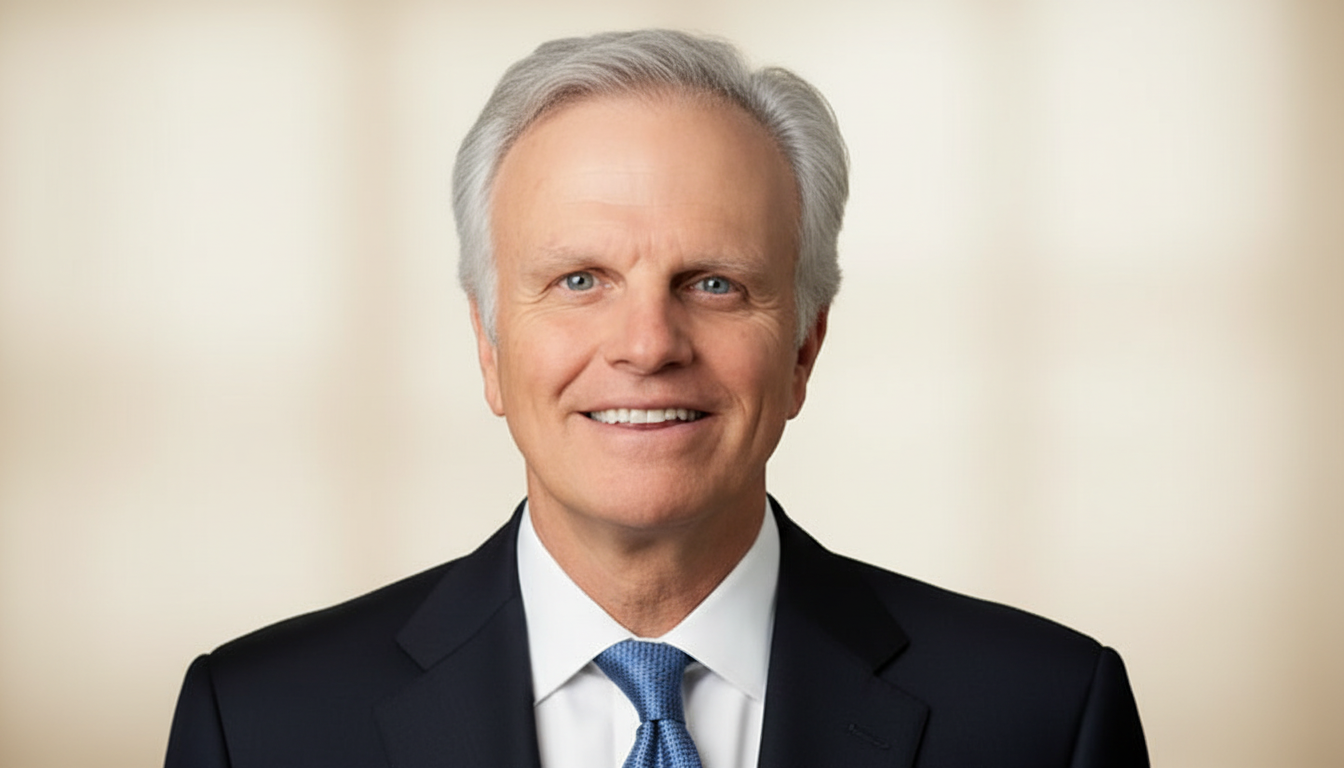
David Neeleman
Pioneer of hybrid low-cost aviation who founded five successful commercial airlines across North and South America.
David Neeleman is an aviation entrepreneur who founded five commercial airlines: Morris Air, WestJet, JetBlue, Azul Brazilian Airlines, and Breeze Airways. Renowned for inventing electronic ticketing and introducing live in-flight television, Neeleman transformed airline unit economics by coupling disciplined low-cost carrier operation with high-amenity customer experience.
Biography
Accomplishments
- 01Sold Morris Air to Southwest Airlines in December 1993 for $129 million, validating the viability of automated point-to-point low-cost operations.
- 02Pioneered and commercialized the airline industry's first computer-based electronic ticketing reservation system (Open Skies), later acquired by Hewlett-Packard in 1999.
- 03Co-founded WestJet in 1994, which expanded into Canada's second-largest carrier and fundamentally challenged the Air Canada duopoly.
- 04Founded JetBlue Airways in 1998 with $130 million in startup capital, orchestrating a major aviation IPO on NASDAQ in April 2002 and recording consistent profitability amid post-9/11 downturns.
- 05Founded Azul Linhas Aéreas Brasileiras in 2008, growing it into a carrier controlling more than 30% of Brazilian domestic departures by building an uncompetitive route network centered at Campinas.
- 06Led the Atlantic Gateway consortium in 2015 to execute the partial privatization of TAP Air Portugal, modernizing wide-body long-haul routes between Lisbon and the Americas.
- 07Launched Breeze Airways in May 2021, opening over 100 unserved or underserved domestic US city-pairs through dynamic fleet management and point-to-point bypass routes.
Lessons for Operators
Key Takeaways
Practical lessons distilled for operators, investors, C-levels, and capital allocators.
Hybrid Value Proposition Disruption
Rather than competing purely on ultra-low-cost bare-bones offerings, Neeleman paired disciplined low unit operational costs (CASM) with high customer amenity (seatback screens, free Wi-Fi, premium legroom), securing higher average yields (RASM) without inflating fixed seat costs.
Secondary Airport Hub Strategy
Bypassing primary slot-controlled airports reduces terminal fees, prevents ground hold delays, and establishes local market monopolies. Azul at Campinas (VCP) and JetBlue at secondary East Coast stations proved that non-congested airfields yield superior turn times and customer loyalty.
Fleet Modernization and Engine Economics
Standardizing around next-generation narrow-body airframes (Airbus A220, Embraer E2) lowers fuel burn by 20-25% versus predecessor fleets and enables long-range, thin-density routing models that large wide-body airliners cannot operate profitably.
Separation of Founder Vision and Operational Infrastructure
Visionary product architecture must be matched by equal investment in disruption management, dispatch redundancy, and software integration to survive black swan operational stressors.
Frameworks & Principles
Named frameworks and strategic principles they popularized or embodied.
The Bypass Network Model
A route development framework that systematically analyzes air travel booking data to pinpoint city pairs with high origin-and-destination demand that lack direct flights, connecting secondary metropolitan areas without routing passengers through congested mega-hubs.
When to useUse when evaluating transportation, logistics, or delivery networks that are oversaturated at core nodes and inefficiently connecting secondary markets.
The Amenities-to-CASM Decoupling Matrix
A cost-accounting and product design framework in which customer-facing amenities are deployed only if their incremental cost per seat mile is fractional compared to the yield premium or operational savings they create.
When to useUse when entering a low-cost, price-sensitive market to prevent consumer commoditization while maintaining strict operating cost advantages over legacy incumbents.
The Cross-Border Asset Arbitrage Model
A capital allocation methodology where an operator deploys equipment, technical assets, or corporate capital across regions counter-cyclically (such as shifting Embraer aircraft between Azul, JetBlue, and Breeze depending on local economic conditions and currency strength).
When to useUse when managing multinational asset-heavy portfolios where macroeconomic cycles, currency swings, and local demand variances allow dynamic asset reallocation across borders.
Sources & Further Reading
Profiles, interviews, podcasts, and articles used to compile and verify this entry. Each link opens at the original publisher.
Explore Related Titans
Other figures in the archive who share David Neeleman's domain, geography, or era.
More in Transportation & Logistics








From United States






Contemporaries — born 1950s