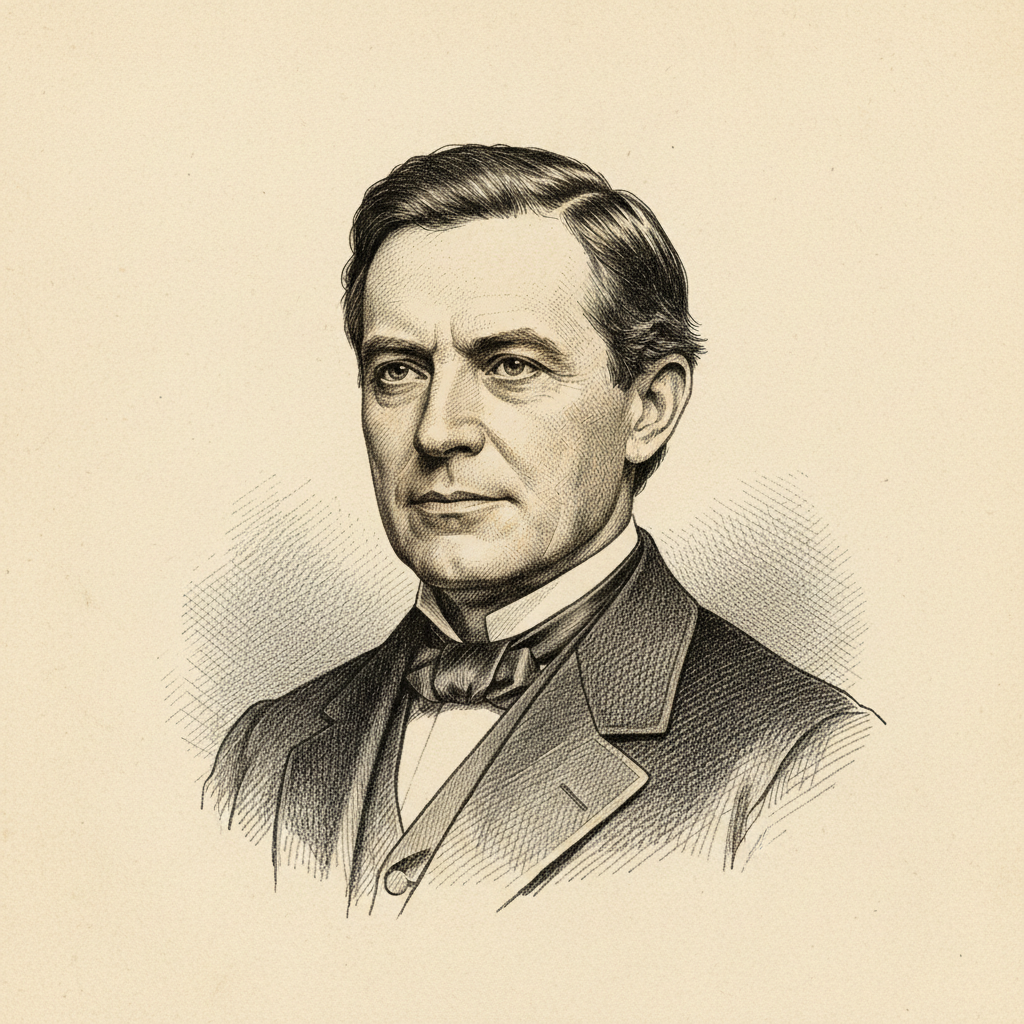
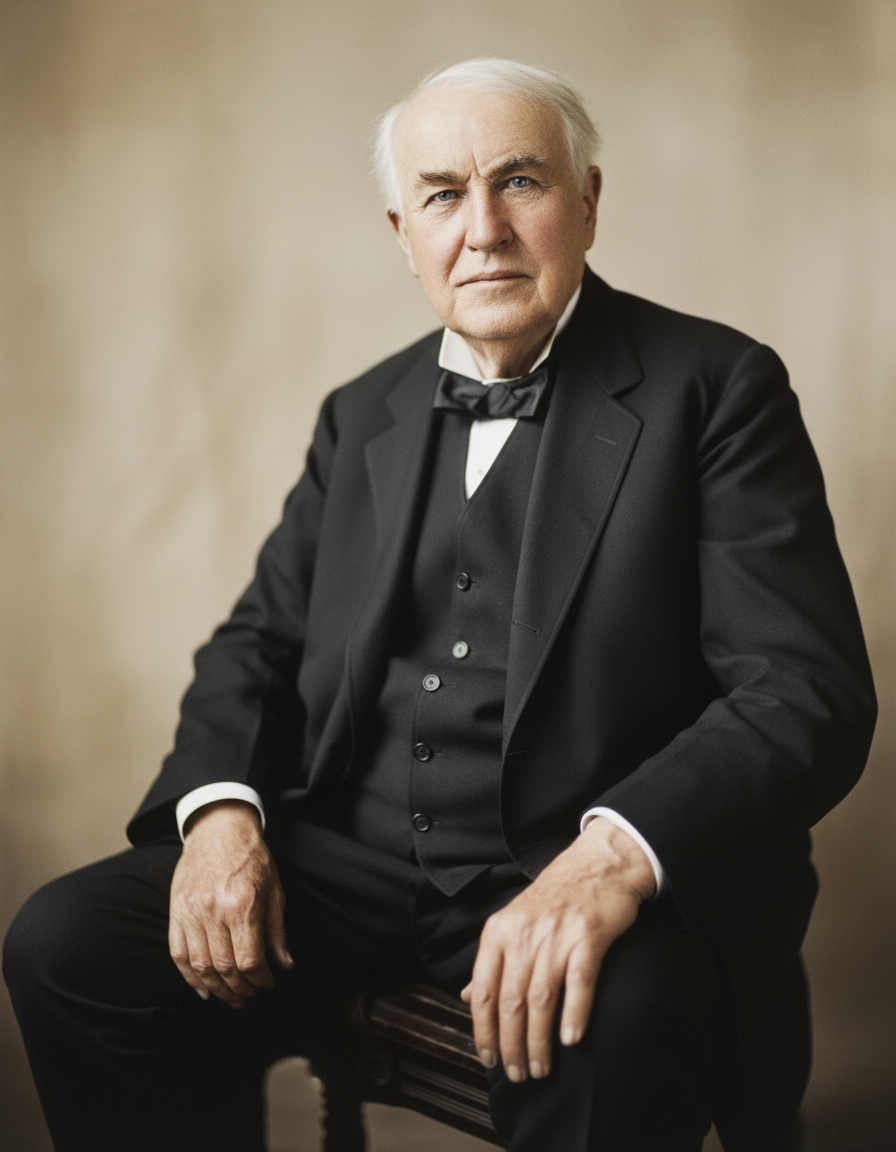
Charles M. Schwab
The architect of modern American steel production and a pioneer of executive leadership in large industrial enterprises.
Charles M. Schwab rose from a mill hand to become president of Carnegie Steel Company and subsequently founded Bethlehem Steel Corporation, transforming it into the second-largest steel producer in the United States. His career was marked by innovative management practices, aggressive expansion strategies, and a unique ability to motivate workforces.
Biography
Accomplishments
- 01Became President of Carnegie Steel Company at the age of 35 (1897), demonstrating rapid ascent through merit within a highly competitive industry.
- 02Instrumental in the formation of U.S. Steel Corporation in 1901, orchestrating the valuation and sale of Carnegie Steel to J.P. Morgan, creating the world's first billion-dollar company.
- 03Transformed Bethlehem Steel Company from a struggling regional player into the second-largest steel producer in the United States by the 1920s.
- 04Pioneered the introduction of profit-sharing and incentive-based compensation for executives and managers, aligning their interests directly with company performance.
- 05Oversaw significant technological advancements and diversification at Bethlehem Steel, including the development of the Gray mill for wide-flange beams and substantial contributions to naval shipbuilding.
Lessons for Operators
Key Takeaways
Practical lessons distilled for operators, investors, C-levels, and capital allocators.
Empowerment Through Incentives
Schwab's 'bonus system' for managers at Bethlehem Steel, which tied compensation to efficiency and production metrics, proved that direct financial incentives are powerful drivers of organizational performance.
Value Creation Through Integration
His role in forming U.S. Steel demonstrated the immense value creation possible through strategic consolidation and vertical integration in capital-intensive industries.
Leadership Beyond Management
Schwab was not just a manager but a charismatic leader who understood human nature, motivating employees through personal engagement and recognition rather than solely through command and control.
Continuous Modernization as a Competitive Advantage
His consistent investment in cutting-edge technology and plant modernization at Bethlehem Steel ensured continued competitive advantage against both domestic and international rivals.
Capital Allocation for Growth
Schwab's decisions to acquire and invest massively in Bethlehem Steel, particularly during early 20th-century economic shifts, underscored the importance of aggressive, well-timed capital allocation for market dominance.
Frameworks & Principles
Named frameworks and strategic principles they popularized or embodied.
Performance-Based Compensation Model
A system where a significant portion of an employee's, particularly a manager's, compensation is directly tied to achieving specific, measurable performance targets and company profitability.
When to useApplicable when seeking to dramatically increase productivity, reduce costs, or drive specific strategic objectives, especially in an environment where individual and team contributions are clearly quantifiable.
Integrated Industrial Expansion Strategy
A strategy involving both vertical and horizontal integration to control supply chains, diversify product offerings, and achieve economies of scale within a capital-intensive industry.
When to useRelevant for companies in mature or consolidating industries aiming to secure raw materials, expand market share, reduce operational costs, and foster long-term stability by controlling more aspects of production and distribution.
Human-Centric Leadership Approach
A leadership philosophy that emphasizes direct communication, personal engagement, and motivational techniques (beyond just financial) to inspire employee loyalty and maximize effort.
When to useEffective in environments requiring high levels of employee buy-in, morale, and discretionary effort, particularly in large organizations where leadership can feel distant to the frontline workforce.
Recent Appearances
Latest interviews, keynotes, and press from the past half year.
 youtube.com
 youtube.com
 youtube.com
 youtube.com
 youtube.com
 youtube.com
 m.youtube.com
 youtube.com
 youtube.com
 youtube.com
 youtube.com
 youtube.com
 youtube.com
 youtube.com
 youtube.com
 youtube.com
 youtube.com
 youtube.com
 youtube.com
 youtube.com
Sources & Further Reading
Profiles, interviews, podcasts, and articles used to compile and verify this entry. Each link opens at the original publisher.
Explore Related Titans
Other figures in the archive who share Charles M. Schwab's domain, geography, or era.
More in Energy & Resources









From United States









Contemporaries — 19th century